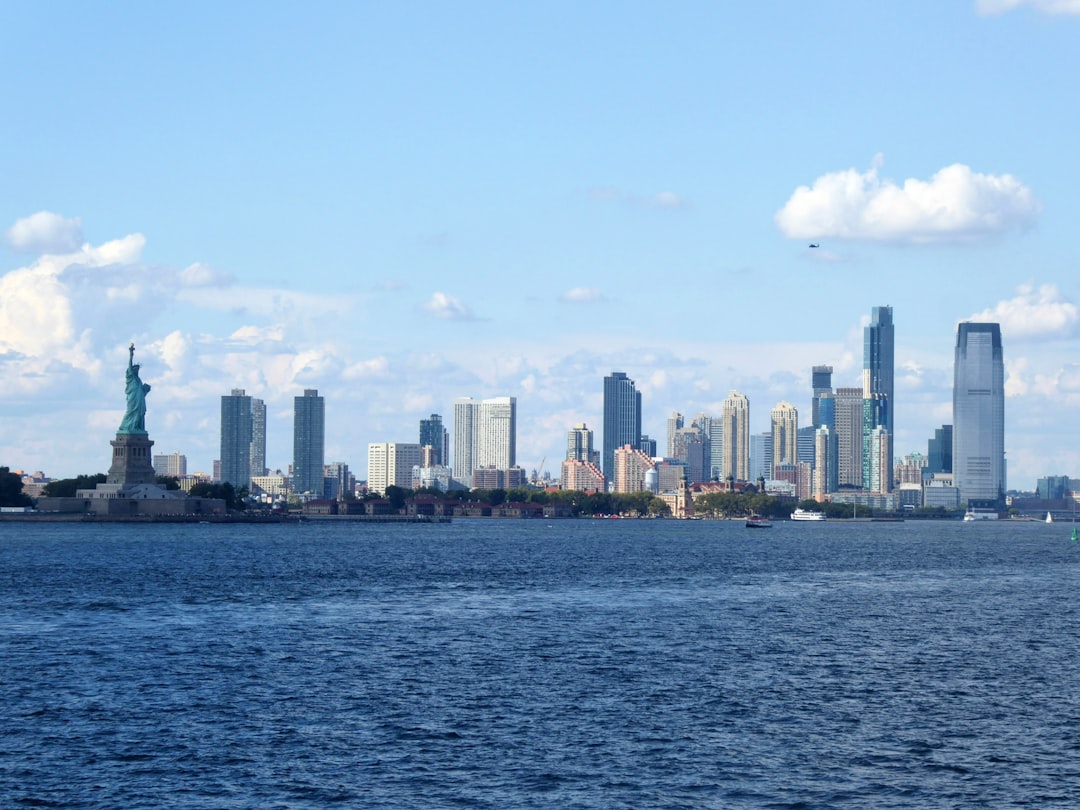
The ocean, covering over 70% of the Earth’s surface, remains one of the last frontiers of exploration. Despite its vastness, a staggering 80% of the ocean is still unmapped and unexplored. This enigmatic realm, shrouded in darkness and mystery, harbors secrets that have eluded humanity for centuries.
The depths of the ocean are not merely a void; they are teeming with life forms and geological features that challenge our understanding of biology, geology, and even the origins of life itself. The allure of the unknown beckons scientists and adventurers alike, as they seek to unveil the mysteries hidden beneath the waves. The ocean’s depths are characterized by extreme conditions, including crushing pressures, frigid temperatures, and complete darkness.
These factors create an environment that is both inhospitable and fascinating. The abyssal plains, deep-sea trenches, and hydrothermal vents are just a few of the features that make the ocean floor a subject of intense study. Each dive into these uncharted territories has the potential to reveal new ecosystems and geological phenomena, prompting questions about how life adapts to such extreme conditions.
As researchers continue to probe these mysterious depths, they are not only uncovering new species but also gaining insights into the fundamental processes that govern our planet.
Key Takeaways
- The ocean floor remains largely unmapped and unexplored, holding many mysteries and potential discoveries.
- Ocean exploration has a rich history, with early expeditions paving the way for modern deep-sea research.
- Mapping the ocean floor presents numerous challenges, including extreme pressure, darkness, and difficult terrain.
- Cutting-edge technologies such as sonar mapping and autonomous underwater vehicles are revolutionizing deep-sea exploration.
- Underwater drones play a crucial role in mapping unexplored ocean regions, providing valuable data and insights.
The History of Ocean Exploration
The history of ocean exploration is a tale as old as humanity itself. From ancient mariners navigating by the stars to modern scientists employing sophisticated technology, the quest to understand the ocean has evolved dramatically over millennia. Early explorers, such as the Polynesians and Vikings, ventured into uncharted waters using rudimentary navigation techniques.
Their journeys laid the groundwork for future exploration, revealing new lands and trade routes that would shape civilizations. The Age of Enlightenment marked a significant turning point in ocean exploration. The 18th century saw expeditions led by figures like Captain James Cook, who meticulously charted vast stretches of the Pacific Ocean.
These voyages not only expanded geographical knowledge but also sparked interest in marine biology and oceanography. The advent of scientific instruments in the 19th century further propelled exploration efforts, leading to groundbreaking discoveries about ocean currents, marine life, and the seafloor’s topography. As technology advanced, so did humanity’s ability to explore deeper and more remote areas of the ocean, setting the stage for contemporary research endeavors.
The Challenges of Mapping the Ocean Floor
Mapping the ocean floor presents a unique set of challenges that have stymied researchers for decades. One of the primary obstacles is the sheer scale of the task; with an area larger than all the landmasses combined, creating accurate maps requires immense resources and time. Traditional methods of mapping, such as sonar technology, can be limited in their effectiveness due to factors like water depth, sediment cover, and varying seabed compositions.
These limitations often result in incomplete or inaccurate representations of underwater landscapes. Moreover, the ocean’s dynamic nature adds another layer of complexity to mapping efforts. Tides, currents, and geological activity can alter the seafloor over time, necessitating continuous updates to existing maps.
The deep-sea environment is also characterized by extreme conditions that can hinder exploration efforts. High pressures and low temperatures pose significant risks to both equipment and personnel, making it challenging to deploy traditional mapping techniques in these regions. As a result, many areas remain shrouded in mystery, waiting for innovative solutions to unlock their secrets.
Cutting-Edge Technologies for Deep-Sea Exploration
| Technology | Application | Advantages |
|---|---|---|
| Autonomous Underwater Vehicles (AUVs) | Mapping, surveying, and data collection | Ability to operate in deep-sea environments without human intervention |
| Remotely Operated Vehicles (ROVs) | Exploration, sample collection, and maintenance | Real-time control and manipulation of tools and instruments |
| Underwater Gliders | Monitoring ocean conditions and marine life | Long-duration missions and energy-efficient propulsion |
| High-Resolution Imaging Systems | Visual inspection and documentation | Detailed images and videos of deep-sea ecosystems |
In recent years, advancements in technology have revolutionized deep-sea exploration and mapping efforts. One of the most significant developments has been the use of autonomous underwater vehicles (AUVs) equipped with sophisticated sonar systems. These unmanned crafts can traverse vast distances while collecting high-resolution data about the seafloor’s topography and geological features.
AUVs are capable of operating at depths that would be perilous for human divers, allowing researchers to explore previously inaccessible regions. Additionally, satellite altimetry has emerged as a powerful tool for mapping large areas of the ocean surface. By measuring variations in sea surface height, scientists can infer information about underwater topography and identify features such as seamounts and trenches.
This method complements traditional sonar mapping techniques and provides a broader context for understanding oceanic processes. As technology continues to evolve, researchers are optimistic that new tools will emerge to further enhance our ability to explore and map the ocean’s depths.
The Role of Underwater Drones in Mapping the Unexplored Ocean
Underwater drones have become indispensable assets in the quest to map unexplored regions of the ocean. These remotely operated vehicles (ROVs) are equipped with cameras and sensors that allow them to capture detailed images and data from the seafloor. Unlike traditional manned submersibles, underwater drones can operate for extended periods without risking human life, making them ideal for long-duration missions in hostile environments.
They can be deployed in various settings, including deep-sea trenches and coral reefs, providing valuable insights into ecosystems that are often overlooked. Furthermore, these drones can be equipped with specialized tools for sampling water and sediment, allowing scientists to analyze chemical compositions and assess environmental health.
As their capabilities expand, underwater drones are poised to play a pivotal role in uncovering the mysteries of the unmapped ocean.
Discoveries and Surprises from the Unmapped Ocean

The unmapped ocean has yielded a treasure trove of discoveries that continue to astonish scientists and researchers alike. Each expedition into these uncharted waters has the potential to unveil new species and ecosystems that challenge existing paradigms of marine biology. For instance, recent explorations have uncovered bizarre creatures such as giant squid and bioluminescent organisms that thrive in complete darkness.
These findings not only expand our understanding of biodiversity but also raise questions about how life adapts to extreme environments. Moreover, geological discoveries have revealed previously unknown features on the ocean floor, such as underwater volcanoes and hydrothermal vents teeming with unique life forms. These vents serve as hotspots for biodiversity, hosting organisms that rely on chemosynthesis rather than photosynthesis for energy.
Such discoveries underscore the importance of continued exploration; each new finding contributes to a more comprehensive understanding of Earth’s ecosystems and their interconnectedness.
The Importance of Understanding the Ocean Floor
Understanding the ocean floor is crucial for several reasons, ranging from environmental conservation to resource management. The seafloor plays a vital role in regulating global climate patterns by influencing ocean currents and heat distribution. By studying its topography and geological features, scientists can gain insights into how these processes function and how they may be affected by climate change.
The seabed is rich in minerals, hydrocarbons, and other resources that are increasingly sought after by industries worldwide. However, without a comprehensive understanding of these areas, exploitation could lead to irreversible damage to delicate ecosystems.
By mapping and studying the ocean floor, researchers can develop strategies for responsible resource extraction that prioritize environmental health while meeting human needs.
The Impact of Climate Change on Unmapped Ocean Regions
Climate change poses significant threats to unmapped ocean regions, with far-reaching implications for marine ecosystems and global weather patterns. Rising sea temperatures are altering species distributions and disrupting established food webs. Additionally, increased carbon dioxide levels are leading to ocean acidification, which affects calcifying organisms such as corals and shellfish.
These changes can have cascading effects on entire ecosystems, highlighting the urgent need for comprehensive studies in these unexplored areas. Furthermore, climate change is contributing to rising sea levels and increased frequency of extreme weather events. Understanding how these changes impact unmapped regions is critical for predicting future scenarios and developing adaptive strategies for vulnerable coastal communities.
By prioritizing research in these areas, scientists can better assess risks associated with climate change and inform policy decisions aimed at mitigating its effects.
The Potential for New Species Discoveries in the Deep Sea
The deep sea remains one of the most biodiverse yet least understood habitats on Earth. With each expedition into unmapped regions, researchers uncover new species that challenge existing classifications and expand our understanding of life’s adaptability. From bizarre jellyfish with unique bioluminescent properties to deep-sea fish with extraordinary survival mechanisms, these discoveries highlight the resilience of life in extreme conditions.
The potential for new species discoveries is particularly pronounced in areas such as hydrothermal vents and cold seeps, where unique ecosystems thrive without sunlight. These environments host organisms that rely on chemosynthesis for energy production, showcasing alternative biological pathways that could inform our understanding of life’s origins on Earth—and potentially beyond it. As exploration efforts continue to intensify, scientists remain hopeful that even more astonishing discoveries await in the depths.
The Future of Ocean Exploration and Mapping
The future of ocean exploration holds immense promise as technological advancements continue to reshape our understanding of this vast frontier. With increasing collaboration between governments, research institutions, and private enterprises, there is a growing commitment to exploring and mapping previously uncharted regions of the ocean. Initiatives such as the Seabed 2030 project aim to map the entire ocean floor by 2030 using cutting-edge technologies like AUVs and satellite altimetry.
Moreover, public interest in marine conservation is driving funding for exploration initiatives focused on understanding biodiversity and ecosystem health. As awareness grows about the importance of protecting marine environments from human impact, there is hope that future explorations will prioritize sustainability alongside scientific discovery. By fostering a culture of stewardship towards our oceans, humanity can ensure that future generations inherit a healthier planet.
The Ethical Considerations of Deep-Sea Exploration and Resource Extraction
As exploration efforts intensify, ethical considerations surrounding deep-sea exploration and resource extraction become increasingly important. The potential for discovering valuable resources raises questions about how best to balance economic interests with environmental protection. Unsustainable practices could lead to irreversible damage to fragile ecosystems that have taken millennia to develop.
Furthermore, there is a growing recognition that many deep-sea environments are home to unique species that may be vulnerable to human activities. Ethical frameworks must be established to guide exploration efforts and ensure responsible stewardship of these ecosystems. This includes engaging local communities in decision-making processes regarding resource management and prioritizing conservation efforts alongside scientific research.
In conclusion, while humanity has made significant strides in exploring the ocean’s depths over centuries, much remains unknown about this vast frontier. The challenges associated with mapping the ocean floor are formidable but not insurmountable thanks to advancements in technology and collaborative efforts among researchers worldwide. As we continue to uncover its mysteries—ranging from new species discoveries to understanding climate change impacts—the importance of ethical considerations cannot be overstated; responsible stewardship will be essential for preserving these invaluable ecosystems for future generations.
The vastness of the ocean remains largely unmapped, with only about 20% of its depths accurately charted. This is due to a combination of factors, including the immense size of the ocean, the high cost of mapping technology, and the challenging conditions underwater. For a deeper understanding of the reasons behind this ongoing mystery, you can read more in the article found at My Geo Quest.
WATCH THIS! The Map You Can’t See is Controlling the World
FAQs
What percentage of the ocean is still unmapped?
According to the National Oceanic and Atmospheric Administration (NOAA), more than 80% of the world’s ocean is still unmapped, unobserved, and unexplored.
Why is the ocean still unmapped?
The ocean is still unmapped due to its vast size, extreme depths, and challenging environmental conditions. These factors make it difficult and expensive to explore and map the entire ocean.
What are the challenges of mapping the ocean?
Challenges of mapping the ocean include extreme depths, harsh environmental conditions, limited funding for ocean exploration, and technological limitations. Additionally, the vastness of the ocean makes it a daunting task to map completely.
What are the potential benefits of mapping the ocean?
Mapping the ocean can provide valuable information for scientific research, resource management, environmental conservation, and understanding the impacts of climate change. It can also contribute to improved navigation, disaster response, and national security.
What technologies are used to map the ocean?
Technologies used to map the ocean include sonar systems, autonomous underwater vehicles (AUVs), remotely operated vehicles (ROVs), satellite imagery, and advanced mapping software. These technologies help scientists and researchers to explore and map the ocean floor.