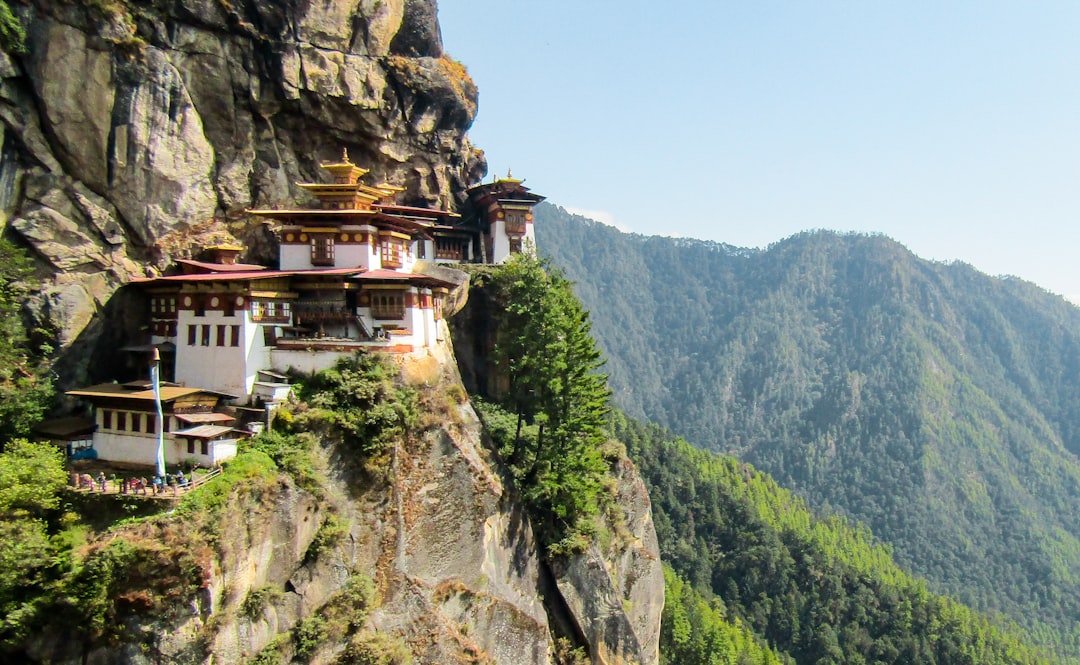
Bhutan, often referred to as the “Land of the Thunder Dragon,” is a small, landlocked country nestled in the eastern Himalayas. Known for its stunning landscapes, rich cultural heritage, and commitment to Gross National Happiness, Bhutan has garnered international attention. However, despite its picturesque scenery and unique philosophy, the cost of living in Bhutan has become a significant concern for many of its residents.
The high cost of living poses challenges for both locals and expatriates, affecting their quality of life and economic stability. The complexities surrounding Bhutan’s cost of living are multifaceted. While the country has made strides in development and modernization, it still grapples with various economic challenges that contribute to rising prices.
Understanding these factors is crucial for anyone looking to navigate life in Bhutan, whether they are long-term residents or visitors. This article delves into the various elements that contribute to the high cost of living in Bhutan, exploring housing, food, transportation, healthcare, education, and more. Here is the sentence with the link:
You can learn about Bhutan’s gross national happiness explained in this video: Bhutan gross national happiness explained.
Key Takeaways
- Bhutan’s high cost of living is influenced by various factors such as limited arable land, geographic isolation, and reliance on imports.
- Housing expenses in Bhutan are high due to limited availability of land, high construction costs, and increasing demand in urban areas.
- Food and grocery prices in Bhutan are affected by factors such as limited agricultural production, reliance on imports, and transportation costs.
- Transportation costs in Bhutan are high due to limited road infrastructure, mountainous terrain, and reliance on imported fuel.
- Healthcare expenses in Bhutan are a significant burden on residents due to limited healthcare facilities, high cost of medical supplies, and reliance on specialized treatments abroad.
Factors contributing to the high cost of living in Bhutan
Several factors contribute to the elevated cost of living in Bhutan, with geography playing a pivotal role. The country’s mountainous terrain and limited arable land restrict agricultural production, leading to a reliance on imports for many essential goods. This dependence on foreign products not only increases transportation costs but also exposes the economy to fluctuations in global markets.
As a result, prices for everyday items can be significantly higher than in neighboring countries. Additionally, Bhutan’s commitment to preserving its environment and culture often translates into higher costs. The government prioritizes sustainable development and eco-friendly practices, which can lead to increased expenses for businesses and consumers alike.
For instance, initiatives aimed at reducing carbon footprints may require investments in renewable energy sources or sustainable materials, ultimately driving up prices for goods and services. This delicate balance between development and preservation is a defining characteristic of Bhutan’s economic landscape.
Housing expenses in Bhutan
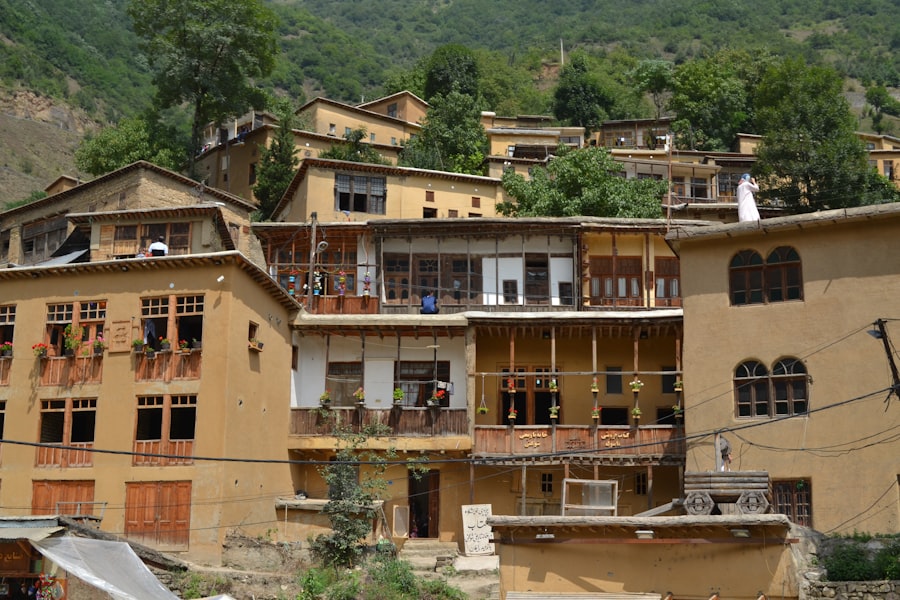
Housing expenses in Bhutan can vary widely depending on location and type of accommodation. In urban areas like Thimphu, the capital city, rental prices have surged due to increasing demand from both locals and expatriates. The limited availability of housing options further exacerbates this issue, leading to inflated prices that can strain household budgets.
Many residents find themselves spending a significant portion of their income on rent or mortgage payments, which can be particularly challenging for those with lower wages. In rural areas, housing costs may be more manageable; however, the trade-off often comes in the form of limited access to amenities and services. While traditional homes may be less expensive to maintain, they may lack modern conveniences that many residents desire.
Consequently, individuals must weigh their options carefully when choosing where to live, considering both financial implications and lifestyle preferences.
Food and grocery prices in Bhutan
| Item | Price Range | Unit |
|---|---|---|
| Rice | 40 – 60 | Kg |
| Vegetables | 20 – 50 | Kg |
| Meat | 150 – 300 | Kg |
| Milk | 50 – 80 | Liter |
Food prices in Bhutan are another area where residents feel the impact of the high cost of living. The country’s reliance on imports means that many staple foods are subject to price fluctuations based on global market trends. Fresh produce, dairy products, and grains often come from neighboring countries like India, which can lead to increased costs due to transportation fees and tariffs.
As a result, many families find themselves spending a significant portion of their monthly budget on groceries. Moreover, local agricultural production is often limited by geographical constraints and seasonal variations. While Bhutan is known for its organic farming practices and emphasis on sustainability, the availability of fresh produce can be inconsistent throughout the year.
This inconsistency can lead to higher prices during off-seasons when supply is low. Consequently, residents may find themselves paying premium prices for basic food items, further straining their finances.
Transportation costs in Bhutan
Transportation costs in Bhutan present another challenge for residents navigating the high cost of living. The country’s rugged terrain and limited infrastructure can make travel both time-consuming and expensive. Public transportation options are available but may not always be reliable or convenient, leading many individuals to rely on private vehicles or taxis for their daily commutes.
Fuel prices in Bhutan are influenced by global oil markets, which can lead to fluctuations that impact transportation costs significantly. Additionally, maintenance expenses for vehicles can add up quickly due to the challenging driving conditions in mountainous regions. For those who rely on public transport or taxis, fares can also be relatively high compared to local wages.
As a result, transportation expenses can take a considerable bite out of household budgets, making it essential for residents to plan their travel carefully.
Healthcare expenses in Bhutan
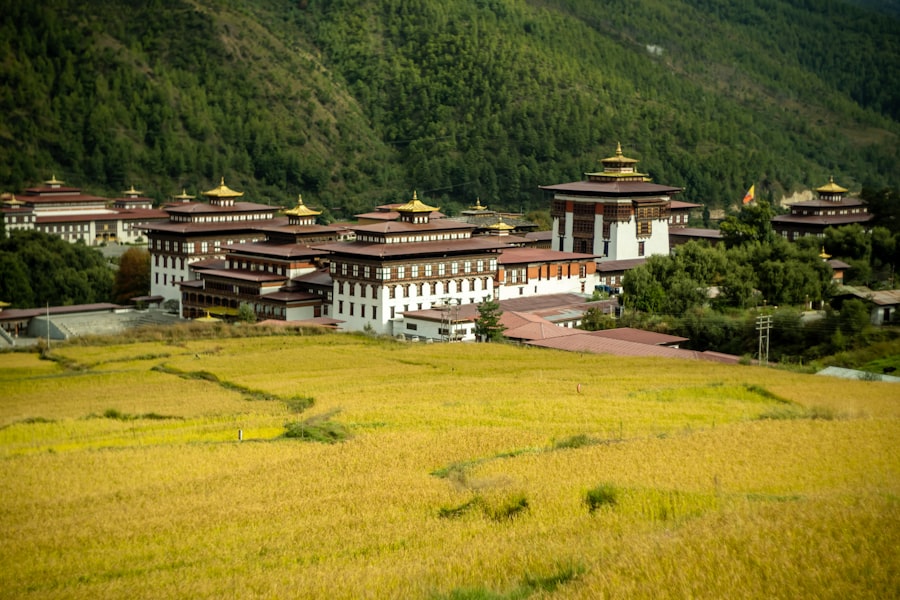
Healthcare expenses in Bhutan have garnered attention as the country strives to provide quality medical services to its citizens. While the government offers free healthcare services at public facilities, there are still associated costs that residents must consider. For instance, while consultations may be free, patients often face charges for medications, diagnostic tests, and specialized treatments that are not covered by public health services.
Moreover, access to healthcare can vary significantly between urban and rural areas. In cities like Thimphu, residents have access to modern medical facilities and specialists; however, those living in remote regions may have limited options and must travel long distances for care. This disparity can lead to increased out-of-pocket expenses for those seeking medical attention outside their local area.
As healthcare costs continue to rise globally, Bhutanese residents must navigate these challenges while prioritizing their health and well-being.
Education and childcare costs in Bhutan
Education is highly valued in Bhutanese society, but the costs associated with schooling can be a burden for many families. While public education is available and generally free up to a certain level, additional expenses such as uniforms, textbooks, and extracurricular activities can add up quickly. Parents often find themselves budgeting carefully to ensure their children have access to quality education without compromising their financial stability.
Childcare costs also contribute significantly to family budgets in Bhutan. With both parents often working to make ends meet, finding affordable childcare options becomes essential. However, the availability of quality childcare services can be limited, leading some families to seek private solutions that may come with higher price tags.
As a result, parents must navigate a complex landscape of educational expenses while striving to provide their children with the best opportunities possible.
Utilities and other living expenses in Bhutan
Utilities such as electricity, water, and internet services are essential components of daily life in Bhutan but can also contribute to the overall cost of living. While the government has made efforts to improve access to these services across the country, residents still face varying costs depending on their location and consumption levels. In urban areas where demand is high, utility bills can become a significant monthly expense.
Additionally, other living expenses such as clothing, personal care items, and entertainment can add up quickly. While some goods may be available at reasonable prices through local markets or shops, imported items often carry hefty price tags due to tariffs and transportation costs. As a result, residents must carefully consider their spending habits and prioritize essential purchases over discretionary ones.
Comparison of cost of living in Bhutan with neighboring countries
When comparing the cost of living in Bhutan with neighboring countries like India and Nepal, it becomes evident that Bhutan’s prices tend to be higher for many goods and services. Factors such as import reliance and limited local production contribute to this disparity. For instance, while basic food items may be more affordable in India due to larger agricultural outputs and competitive markets, Bhutanese residents often pay a premium for similar products.
However, it is essential to note that while some aspects of life may be more expensive in Bhutan, other factors such as quality of life and environmental sustainability play a significant role in residents’ overall satisfaction. Many individuals choose to live in Bhutan not solely based on economic considerations but also due to the country’s unique cultural values and commitment to preserving its natural beauty.
Impact of high cost of living on Bhutanese residents
The high cost of living in Bhutan has far-reaching implications for its residents. Many families find themselves struggling to make ends meet as they navigate rising housing costs, food prices, and other essential expenses. This financial strain can lead to increased stress levels and impact overall well-being.
For some individuals, the pressure of managing household budgets may result in difficult choices regarding education or healthcare access. Moreover, the high cost of living can exacerbate existing inequalities within society. Those with lower incomes may find it increasingly challenging to afford basic necessities or access quality services compared to wealthier individuals who can absorb rising costs more easily.
This disparity can create social tensions and hinder efforts toward equitable development within the country.
Strategies for managing the high cost of living in Bhutan
To cope with the high cost of living in Bhutan, residents have developed various strategies aimed at maximizing their financial resources. One common approach involves budgeting meticulously to track income and expenses closely. By identifying areas where they can cut back on discretionary spending or find more affordable alternatives for essential goods and services, individuals can better manage their finances.
Additionally, many residents turn to local markets for fresh produce and other goods instead of relying solely on supermarkets or imported items. Supporting local farmers not only helps reduce costs but also fosters community connections and promotes sustainable practices within the economy. Furthermore, exploring alternative transportation options such as carpooling or using public transport when feasible can help alleviate some transportation-related expenses.
In conclusion, while the high cost of living in Bhutan presents challenges for its residents, understanding these dynamics allows individuals to make informed decisions about their finances and lifestyle choices. By adopting practical strategies for managing expenses and prioritizing sustainable practices within their communities, Bhutanese individuals can navigate this complex economic landscape while continuing to embrace the unique cultural values that define their nation.
Bhutan’s high cost of living has become a pressing issue for many residents, as the prices of essential goods and services continue to rise.
Check it out here: Economic Challenges in Bhutan.
WATCH THIS! Gross National Happiness Is A Trap
FAQs
What factors contribute to Bhutan’s high cost of living?
Bhutan’s high cost of living can be attributed to factors such as its landlocked location, limited arable land for agriculture, and the country’s reliance on imports for many goods and services.
How does Bhutan’s landlocked location impact its cost of living?
Bhutan’s landlocked location makes it more expensive to import goods and materials, as they must be transported through neighboring countries, adding to the overall cost.
What role does limited arable land play in Bhutan’s high cost of living?
Bhutan’s limited arable land restricts the country’s ability to produce enough food to meet its population’s needs, leading to a reliance on imported food, which contributes to the high cost of living.
How does Bhutan’s reliance on imports affect its cost of living?
Bhutan relies on imports for many goods and services, including food, fuel, and consumer goods. This reliance on imports contributes to the high cost of living, as it increases the prices of these essential items.
What are some other factors contributing to Bhutan’s high cost of living?
Other factors contributing to Bhutan’s high cost of living include its small and dispersed population, limited infrastructure, and the country’s focus on sustainable and environmentally friendly development, which can lead to higher production costs.