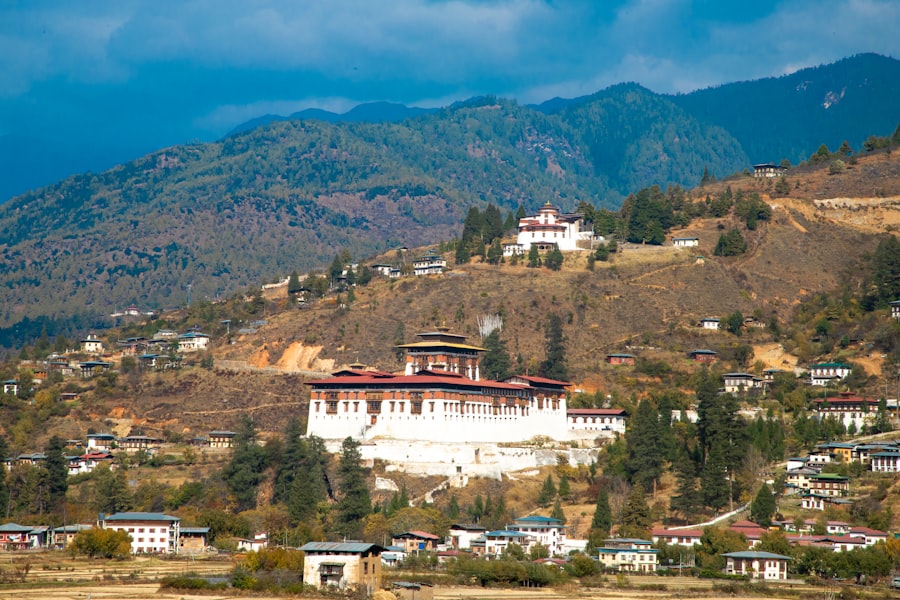
Bhutan, a small landlocked kingdom nestled in the eastern Himalayas, is often celebrated for its stunning landscapes and unique approach to development, which prioritizes Gross National Happiness over economic growth. However, beneath this picturesque facade lies a complex and troubling refugee crisis that has persisted for decades. The plight of Bhutanese refugees, primarily of Nepali origin, has drawn international attention, highlighting issues of ethnic identity, human rights, and the challenges of resettlement.
This crisis not only affects the individuals and families who have been uprooted from their homes but also poses significant implications for regional stability and international humanitarian efforts. The refugee crisis in Bhutan is emblematic of broader themes of displacement and identity in the modern world. As the global community grapples with the consequences of forced migration, the story of Bhutanese refugees serves as a poignant reminder of the human cost of political and social strife.
Understanding the historical context, causes, and ongoing challenges faced by these refugees is essential for fostering empathy and mobilizing support for their plight. This article aims to explore the multifaceted dimensions of Bhutan’s refugee crisis, shedding light on the experiences of those affected and the responses from various stakeholders.
Here is the sentence with the link:
You can learn about Bhutan’s gross national happiness explained in this video:Several interrelated factors contributed to the emergence of Bhutan’s refugee crisis. At its core lies a struggle over national identity and cultural preservation. The Bhutanese government’s push for a homogenous national identity led to policies that discriminated against ethnic minorities, particularly those of Nepali descent.
This cultural suppression fostered resentment among the Nepali-speaking population, who felt increasingly alienated in their own country. Additionally, political repression played a significant role in exacerbating tensions. The lack of political representation for ethnic minorities and the suppression of dissenting voices created an environment where grievances could not be addressed through peaceful means.
As protests erupted in response to discriminatory policies, the government’s crackdown on dissent further fueled the exodus of refugees. Economic factors also contributed to the crisis, as many ethnic Nepalis faced limited opportunities for employment and social mobility within Bhutan’s rigidly structured society.
Impact of the refugee crisis on Bhutanese refugees
Metrics Data Number of Bhutanese refugees Over 100,000 Host countries Nepal, United States, Canada, Australia Impact on host countries Strain on resources, infrastructure, and social services Integration challenges Language barriers, cultural adjustment, employment Efforts for resettlement Collaboration with UNHCR and host countries The impact of Bhutan’s refugee crisis on those displaced is profound and multifaceted. For many Bhutanese refugees, life in exile has been marked by uncertainty and hardship. Living in overcrowded camps in Nepal, they have faced inadequate access to basic necessities such as food, clean water, and healthcare.
The psychological toll of displacement is significant; many refugees carry the trauma of violence and loss while grappling with feelings of isolation and despair. Moreover, the protracted nature of their situation has led to a sense of hopelessness among many refugees. Generations have grown up in camps without prospects for education or employment, perpetuating cycles of poverty and dependency.
The struggle to maintain cultural identity while adapting to life in exile has also posed challenges for younger generations who may feel disconnected from their heritage yet are unable to fully integrate into their host communities.
International response to Bhutan’s refugee crisis
The international community has responded to Bhutan’s refugee crisis with varying degrees of engagement and support. Initially, humanitarian organizations such as the United Nations High Commissioner for Refugees (UNHCR) provided essential assistance to those living in refugee camps in Nepal. This support included food aid, healthcare services, and educational opportunities for children.
However, as the years passed without a resolution to their plight, calls for more comprehensive solutions grew louder. In recent years, resettlement programs have emerged as a key component of the international response. Countries such as the United States, Canada, Australia, and several European nations have opened their doors to Bhutanese refugees, offering them a chance at a new life away from the camps.
While resettlement has provided hope for many, it has also raised questions about the long-term future of those who remain in Nepal and the need for continued advocacy on their behalf.
Challenges faced by Bhutanese refugees in resettlement
While resettlement offers a pathway to stability for many Bhutanese refugees, it is not without its challenges. The transition to life in a new country can be daunting, as refugees must navigate unfamiliar cultural landscapes and bureaucratic systems. Language barriers often hinder effective communication and integration into local communities, making it difficult for them to secure employment or access essential services.
Additionally, many refugees face emotional challenges as they grapple with feelings of loss and displacement. Leaving behind their homeland and the memories associated with it can lead to a sense of grief that lingers long after resettlement. The process of rebuilding lives in a new environment requires resilience and support, yet many refugees find themselves isolated without adequate resources or networks to help them adjust.
Human rights violations in Bhutan’s refugee crisis
The human rights violations that have occurred during Bhutan’s refugee crisis are deeply concerning and warrant attention from the global community. Reports of arbitrary arrests, torture, and extrajudicial killings have emerged from accounts shared by those who experienced persecution firsthand. The government’s policies aimed at enforcing cultural homogeneity have resulted in systemic discrimination against ethnic minorities, violating their rights to freedom of expression, assembly, and cultural identity.
Furthermore, the plight of Bhutanese refugees in Nepal has also raised human rights concerns.
While international organizations have provided assistance within refugee camps, conditions remain substandard, with reports of inadequate healthcare and limited access to education.
The prolonged nature of their displacement has led to calls for accountability and justice for those affected by these violations.
The role of the United Nations in addressing Bhutan’s refugee crisis
The United Nations has played a pivotal role in addressing Bhutan’s refugee crisis through its various agencies and programs. The UNHCR has been at the forefront of providing humanitarian assistance to refugees living in camps in Nepal while advocating for durable solutions to their plight. This includes efforts to facilitate voluntary repatriation for those wishing to return to Bhutan safely or resettlement options for those seeking new beginnings elsewhere.
In addition to immediate humanitarian support, the UN has also engaged in diplomatic efforts aimed at encouraging dialogue between the Bhutanese government and representatives of the refugee community. By fostering discussions around human rights and inclusion, the UN seeks to address the root causes of displacement while promoting sustainable solutions that respect the dignity and rights of all individuals involved.
Current situation and future prospects for Bhutanese refugees
As of now, the situation for Bhutanese refugees remains precarious yet hopeful. While resettlement programs have successfully relocated many individuals to third countries, thousands still reside in camps in Nepal with uncertain futures ahead. The ongoing challenges they face—ranging from limited access to education and healthcare to social integration—underscore the need for continued advocacy and support from both local communities and international organizations.
Looking ahead, there is potential for positive change if concerted efforts are made to address both immediate needs and long-term solutions. Advocacy for human rights within Bhutan could pave the way for improved conditions for those still living there while fostering an environment conducive to dialogue between displaced populations and government authorities. Ultimately, empowering Bhutanese refugees through education, skills training, and community engagement will be crucial for ensuring their successful integration into new societies or eventual return home.
Efforts to raise awareness about Bhutan’s refugee crisis
Raising awareness about Bhutan’s refugee crisis is essential for mobilizing support and fostering understanding among global audiences. Various organizations have undertaken initiatives aimed at shedding light on this often-overlooked issue through campaigns that highlight personal stories of resilience among refugees. Documentaries, social media campaigns, and public events serve as platforms for amplifying voices that have been silenced for too long.
Moreover, educational programs targeting schools and universities can play a vital role in informing younger generations about global displacement issues while encouraging empathy towards those affected by crises like that in Bhutan. By fostering awareness through storytelling and education, advocates hope to inspire action that leads not only to increased humanitarian assistance but also meaningful policy changes that address root causes.
Ways to support and advocate for Bhutanese refugees
Supporting Bhutanese refugees requires a multifaceted approach that encompasses advocacy efforts at local, national, and international levels. Individuals can contribute by educating themselves about the history and current situation facing these refugees while sharing this knowledge within their communities. Engaging with local organizations working on behalf of refugees can also provide opportunities for direct involvement through volunteering or fundraising initiatives.
Advocacy efforts should focus on urging governments to uphold human rights standards both within Bhutan and for those living in exile. This includes calling for policies that promote inclusion rather than exclusion while ensuring access to essential services such as education and healthcare for all displaced individuals. By amplifying voices calling for justice—whether through petitions or social media campaigns—individuals can play an active role in supporting Bhutanese refugees as they navigate their complex realities.
In conclusion, understanding Bhutan’s refugee crisis requires an examination of its historical roots, ongoing challenges faced by displaced individuals, and collective efforts needed from both local communities and international actors alike. By raising awareness about this issue while advocating for meaningful change—whether through direct support or policy engagement—individuals can contribute towards creating a more just future for all those affected by this enduring humanitarian crisis.
Bhutan’s forgotten refugee chapter is a poignant narrative that highlights the struggles faced by those displaced from their homeland. For a deeper understanding of the complexities surrounding this issue, you can read more in the article available at this link. This article delves into the historical context and the ongoing challenges faced by Bhutanese refugees, shedding light on a story that deserves more attention.
WATCH THIS! Gross National Happiness Is A Trap
FAQs
What is the refugee situation in Bhutan?
The refugee situation in Bhutan refers to the forced expulsion of ethnic Nepalis, known as Lhotshampas, from Bhutan in the early 1990s. This led to a refugee crisis as thousands of Lhotshampas fled to neighboring Nepal.
Why were the Lhotshampas expelled from Bhutan?
The Bhutanese government implemented a policy of “One Nation, One People” which aimed to promote the Drukpa culture and language, leading to the marginalization and discrimination of the Lhotshampas. This ultimately resulted in their expulsion from Bhutan.
What is the current status of the Bhutanese refugees?
Many of the Bhutanese refugees have been resettled in third countries such as the United States, Canada, Australia, and various European nations. However, a significant number still reside in refugee camps in Nepal.
What efforts have been made to address the refugee situation?
The United Nations High Commissioner for Refugees (UNHCR) has been involved in facilitating the resettlement of Bhutanese refugees to third countries. Additionally, there have been diplomatic efforts to address the issue between Bhutan and Nepal.
Is there hope for the repatriation of the Bhutanese refugees to their homeland?
Efforts have been made to facilitate the repatriation of Bhutanese refugees, but progress has been slow. The issue remains a complex and sensitive one, and a lasting solution has yet to be achieved.