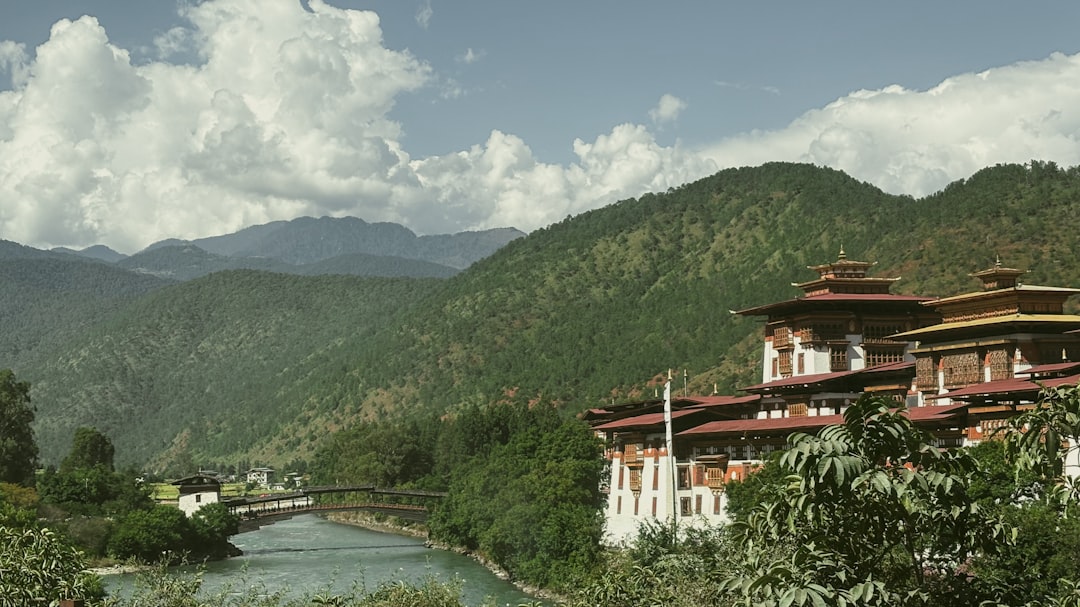
As Bhutan stands on the precipice of rapid modernization, it faces a myriad of challenges that threaten its unique cultural identity. Nestled in the Eastern Himalayas, this small kingdom has long been celebrated for its commitment to Gross National Happiness, a philosophy that prioritizes the well-being of its citizens over mere economic growth. However, as the forces of globalization and modernization sweep across the globe, Bhutan finds itself at a crossroads.
The delicate balance between embracing modernity and preserving its rich cultural heritage is increasingly difficult to maintain. The future of Bhutan hinges on how effectively it can navigate these challenges while safeguarding the traditions that define its national identity. The pressures of modernization are not unique to Bhutan; they are felt worldwide.
Yet, for a nation that has historically been insulated from external influences, the impact is particularly profound. The influx of technology, urbanization, and changing social dynamics poses significant risks to Bhutan’s cultural fabric. As the country grapples with these changes, it must confront the question of how to evolve without losing sight of its roots.
The journey ahead will require thoughtful strategies and a collective commitment to preserving what makes Bhutan truly special. Here is the sentence with the link:
You can learn about Bhutan’s gross national happiness explained in this video: Bhutan gross national happiness explained.
Key Takeaways
- Bhutan faces challenges in balancing modernization and cultural preservation as it seeks to develop economically while maintaining its unique cultural identity.
- Modernization has had a significant impact on Bhutan’s cultural heritage, leading to the erosion of traditional practices and values.
- Preserving Bhutan’s unique cultural identity is crucial for maintaining the country’s distinctiveness and promoting national pride.
- Balancing economic development and cultural preservation is a complex challenge that requires careful consideration of the potential impacts on Bhutan’s cultural heritage.
- Government policies play a crucial role in finding a balance between modernization and cultural preservation, and must be carefully crafted to support both objectives.
The Impact of Modernization on Bhutan’s Cultural Heritage
Modernization has brought about significant changes in Bhutan, reshaping its landscapes, lifestyles, and social structures. Urban centers like Thimphu have witnessed rapid development, with new infrastructure and amenities emerging at an unprecedented pace. While these advancements have improved access to education and healthcare, they have also led to a dilution of traditional practices and values.
The younger generation, increasingly influenced by global trends and technology, may find themselves distanced from their cultural heritage, leading to a potential loss of identity. Moreover, the proliferation of modern media and communication technologies has introduced new cultural narratives that often overshadow local traditions. The allure of Western lifestyles and consumerism can be particularly enticing for the youth, who may prioritize modern conveniences over age-old customs.
This shift poses a challenge for Bhutan as it seeks to maintain its unique cultural identity in an era where globalization often equates to homogenization. The impact of modernization is not merely superficial; it penetrates deep into the societal fabric, necessitating a concerted effort to preserve the essence of Bhutanese culture.
The Importance of Preserving Bhutan’s Unique Cultural Identity
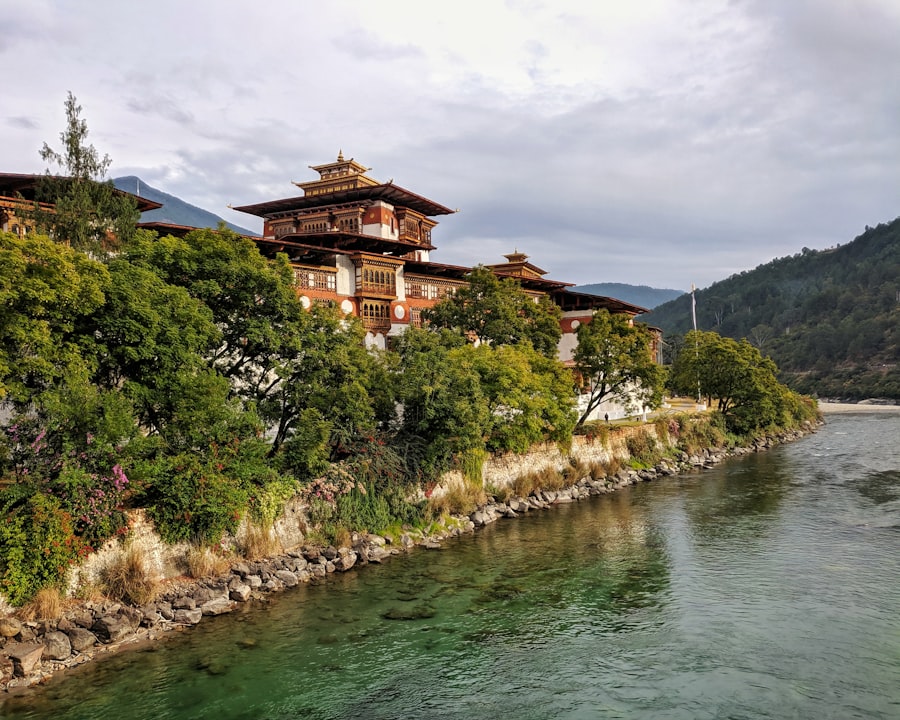
Preserving Bhutan’s unique cultural identity is paramount for several reasons. Firstly, it fosters a sense of belonging and pride among the Bhutanese people. Cultural heritage serves as a reminder of their history, values, and traditions, providing a foundation upon which future generations can build.
In a world increasingly characterized by transience and change, maintaining a strong cultural identity offers stability and continuity. It allows individuals to connect with their roots and understand their place within the broader narrative of humanity. Furthermore, Bhutan’s cultural identity is intrinsically linked to its natural environment and sustainable practices.
By safeguarding its cultural heritage, Bhutan not only protects its unique way of life but also reinforces its commitment to environmental stewardship. This symbiotic relationship between culture and nature underscores the importance of preserving Bhutan’s identity in the face of modernization.
Challenges in Balancing Economic Development and Cultural Preservation
| Challenges | Impact |
|---|---|
| Rapid urbanization | Threatens traditional cultural practices and heritage sites |
| Economic growth | Can lead to gentrification and displacement of local communities |
| Tourism development | May commodify local culture and lead to loss of authenticity |
| Lack of sustainable development policies | Can result in environmental degradation and loss of cultural landscapes |
The pursuit of economic development presents a formidable challenge for Bhutan as it seeks to balance growth with cultural preservation. On one hand, economic progress is essential for improving living standards and providing opportunities for its citizens. On the other hand, unchecked development can lead to the erosion of cultural values and practices that have been nurtured over centuries.
This dichotomy creates a complex landscape where policymakers must navigate competing interests while striving for a harmonious coexistence between modernity and tradition. One significant challenge lies in the tourism sector, which has become a vital component of Bhutan’s economy. While tourism generates revenue and creates jobs, it also brings with it the risk of commodifying culture.
Tourists may seek authentic experiences, but this demand can inadvertently lead to the commercialization of traditional practices, diluting their significance. Striking a balance between attracting visitors and preserving the integrity of cultural expressions is crucial for ensuring that economic development does not come at the expense of Bhutan’s rich heritage.
The Role of Government Policies in Balancing Modernization and Cultural Preservation
Government policies play a pivotal role in shaping the trajectory of Bhutan’s modernization while safeguarding its cultural heritage. The government has recognized the importance of integrating cultural preservation into its development agenda, implementing policies that promote sustainable practices and protect traditional values. Initiatives aimed at fostering community engagement in cultural activities have gained traction, encouraging citizens to take an active role in preserving their heritage.
Moreover, the government has sought to regulate tourism in a manner that prioritizes cultural integrity over mere profit. By establishing guidelines for responsible tourism practices, Bhutan aims to ensure that visitors engage with local culture in a respectful manner. This approach not only benefits the economy but also reinforces the importance of cultural preservation as a national priority.
Through thoughtful policymaking, Bhutan can navigate the complexities of modernization while remaining true to its roots.
The Role of Education in Promoting Cultural Preservation in Bhutan
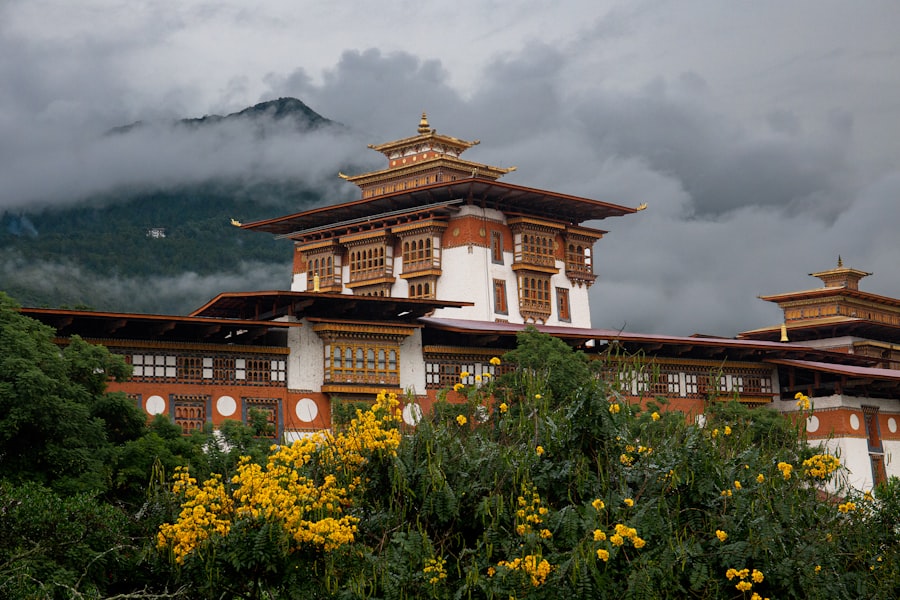
Education serves as a powerful tool for promoting cultural preservation in Bhutan. By incorporating traditional knowledge and practices into the educational curriculum, schools can instill a sense of pride and appreciation for Bhutanese culture among students. This approach not only fosters awareness but also empowers young people to become stewards of their heritage, ensuring that it is passed down through generations.
In addition to formal education, community-based initiatives can complement school programs by providing hands-on experiences that immerse students in their cultural heritage. Workshops on traditional crafts, music, and dance can help bridge the gap between generations, allowing young people to learn from elders who possess invaluable knowledge. By fostering intergenerational dialogue and collaboration, education can play a crucial role in reinforcing Bhutan’s cultural identity amidst the challenges posed by modernization.
The Influence of Globalization on Bhutan’s Cultural Preservation Efforts
Globalization presents both opportunities and challenges for Bhutan’s cultural preservation efforts. On one hand, increased connectivity allows for greater exchange of ideas and knowledge, enabling Bhutanese culture to reach a wider audience. This exposure can foster appreciation for Bhutan’s unique traditions on a global scale, potentially attracting support for preservation initiatives.
Conversely, globalization also poses risks as dominant cultures can overshadow local traditions. The influx of foreign media and consumer products may lead to a homogenization of cultural expressions, threatening the distinctiveness of Bhutanese identity. To counteract these influences, Bhutan must actively promote its culture both domestically and internationally, ensuring that it remains relevant in an increasingly interconnected world.
By embracing globalization while remaining rooted in its traditions, Bhutan can navigate this complex landscape effectively.
The Role of Tourism in Balancing Modernization and Cultural Preservation
Tourism plays a dual role in Bhutan’s journey toward modernization and cultural preservation. As one of the key drivers of economic growth, tourism has the potential to generate significant revenue for the country while providing employment opportunities for local communities. However, it also poses challenges related to cultural commodification and environmental sustainability.
To strike a balance between these competing interests, Bhutan has adopted a high-value, low-impact tourism model that emphasizes quality over quantity. By limiting tourist numbers and promoting responsible travel practices, the government aims to protect its cultural heritage while still benefiting from tourism revenue. This approach encourages visitors to engage meaningfully with local culture rather than merely consuming it as a commodity.
Through thoughtful management of tourism resources, Bhutan can harness the economic benefits while safeguarding its unique identity.
The Importance of Community Involvement in Preserving Bhutan’s Cultural Heritage
Community involvement is essential for effective cultural preservation in Bhutan. Local communities are the custodians of their traditions and practices; their active participation is crucial for ensuring that these elements are not lost amid modernization efforts. Engaging communities in preservation initiatives fosters a sense of ownership and responsibility toward their cultural heritage.
Grassroots movements can play a significant role in revitalizing traditional practices that may be at risk of fading away.
This collective effort not only strengthens community bonds but also reinforces the importance of preserving cultural identity in an ever-changing world.
The Potential Threats to Bhutan’s Cultural Preservation Efforts
Despite concerted efforts to preserve its cultural heritage, Bhutan faces several potential threats that could undermine these initiatives. Rapid urbanization poses a significant risk as traditional lifestyles are increasingly replaced by modern conveniences. As rural populations migrate to urban centers in search of better opportunities, there is a danger that age-old customs may be abandoned or forgotten.
Additionally, external influences from globalization can dilute local traditions as foreign cultures permeate everyday life. The rise of digital media has made it easier for global trends to infiltrate even remote areas of Bhutan, leading to shifts in values and behaviors among younger generations. Without proactive measures to counteract these influences, there is a risk that Bhutan’s rich cultural tapestry could unravel over time.
Strategies for Successfully Balancing Modernization and Cultural Preservation in Bhutan
To successfully balance modernization with cultural preservation, Bhutan must adopt comprehensive strategies that prioritize both economic growth and heritage conservation. One effective approach involves integrating cultural education into all levels of schooling while promoting community-based initiatives that encourage active participation in preservation efforts. Furthermore, fostering partnerships between government agencies, local communities, and non-governmental organizations can enhance collaborative efforts toward safeguarding cultural heritage.
By leveraging resources and expertise from various stakeholders, Bhutan can develop innovative solutions that address the challenges posed by modernization while celebrating its unique identity. Ultimately, striking a balance between modernization and cultural preservation requires ongoing dialogue among all sectors of society—government officials, educators, community leaders—and citizens themselves must work together toward shared goals that honor both progress and tradition. Through collective action rooted in respect for their rich heritage,Bhutan can navigate its future challenges while remaining true to what makes it extraordinary.
As Bhutan navigates its future challenges, including climate change and sustainable development, it is essential to consider the insights provided in related articles. One such article discusses the implications of these challenges on Bhutan’s unique cultural and environmental landscape. For more information, you can read the article here: Bhutan’s Future Challenges.
WATCH THIS! Gross National Happiness Is A Trap
FAQs
What are the major challenges facing Bhutan’s future?
Some of the major challenges facing Bhutan’s future include economic diversification, youth unemployment, environmental conservation, and the need for infrastructure development.
How is Bhutan addressing the challenge of economic diversification?
Bhutan is working to diversify its economy by promoting sectors such as tourism, hydropower, and agriculture. The government is also focusing on promoting small and medium-sized enterprises to create more job opportunities.
What steps is Bhutan taking to address youth unemployment?
Bhutan is implementing various programs and initiatives to address youth unemployment, including skills development training, entrepreneurship support, and promoting vocational education.
What is Bhutan doing to conserve its environment?
Bhutan has a strong commitment to environmental conservation and is known for its conservation policies, including maintaining at least 60% forest cover and prioritizing sustainable development.
How is Bhutan addressing the need for infrastructure development?
Bhutan is working to improve its infrastructure by investing in road networks, electricity access, and telecommunications. The government is also focusing on enhancing healthcare and education facilities across the country.