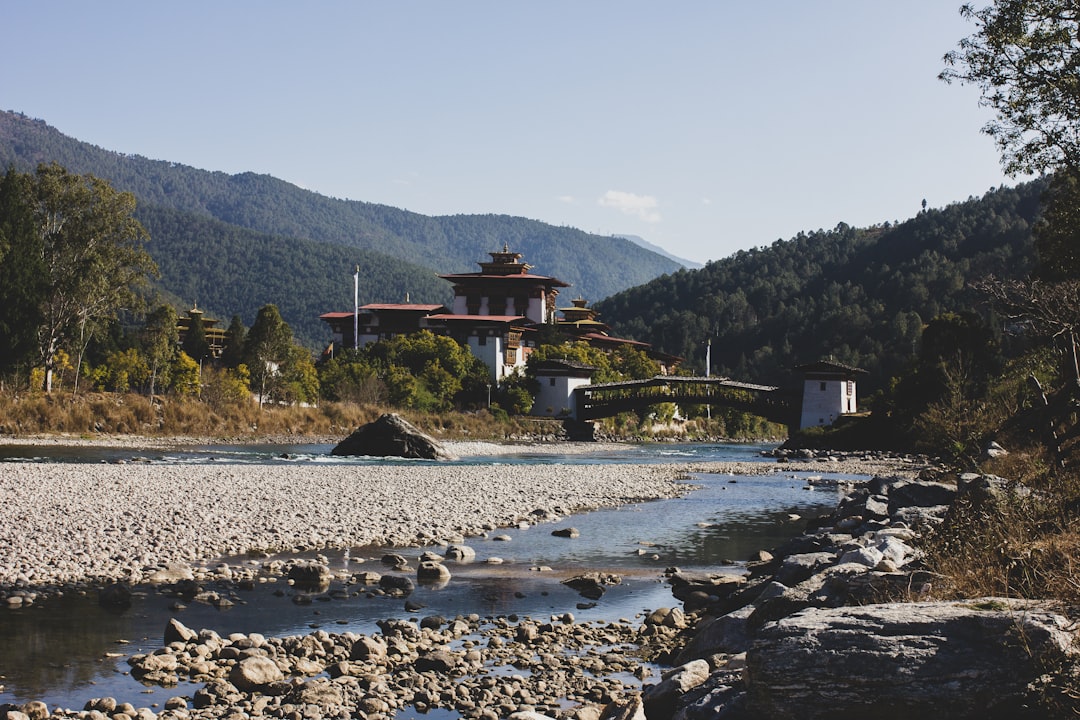
Nestled in the eastern Himalayas, Bhutan is a small, landlocked kingdom known for its stunning landscapes, rich culture, and unique approach to governance. Unlike most nations that prioritize economic growth as a measure of success, Bhutan has gained international recognition for its Gross National Happiness (GNH) concept. This innovative framework was introduced in the 1970s by the Fourth King of Bhutan, Jigme Singye Wangchuck, who believed that the well-being of his people should take precedence over mere economic indicators.
GNH encompasses a holistic approach to development, emphasizing the importance of spiritual, cultural, environmental, and social well-being alongside economic progress. The GNH framework is built on four pillars: sustainable and equitable socio-economic development, conservation of the environment, preservation and promotion of culture, and good governance. These pillars serve as guiding principles for Bhutan’s policies and initiatives, aiming to create a balanced and harmonious society.
As a result, Bhutan has become a symbol of an alternative path to development, one that prioritizes happiness and well-being over material wealth.
Here is the sentence with the link:
You can learn about Bhutan’s gross national happiness explained in this video: Bhutan gross national happiness explained.
Key Takeaways
- Bhutan’s Gross National Happiness concept emphasizes holistic well-being over economic growth
- Factors contributing to Bhutan’s happiness ranking include cultural preservation, environmental conservation, and good governance
- Buddhism plays a significant role in promoting happiness in Bhutan through its focus on mindfulness, compassion, and inner peace
- Bhutan’s unique approach to measuring happiness includes indicators such as psychological well-being, time use, and community vitality
- Challenges and criticisms of Bhutan’s happiness model include subjectivity, lack of economic development, and potential government manipulation
The factors that contribute to Bhutan’s happiness ranking
Several factors contribute to Bhutan’s impressive happiness ranking on the global stage. One of the most significant elements is the country’s commitment to sustainable development. Bhutan has made conscious efforts to preserve its natural environment while promoting economic growth.
The government has implemented policies that prioritize renewable energy sources, such as hydropower, which not only provide electricity but also generate revenue through exports. This focus on sustainability ensures that future generations can enjoy the same natural beauty and resources that current citizens cherish. Additionally, Bhutan’s emphasis on cultural preservation plays a crucial role in fostering happiness among its citizens.
The government actively promotes traditional arts, crafts, and festivals, which help maintain a strong sense of identity and belonging among the population. By valuing their cultural heritage, Bhutanese people experience a deeper connection to their roots, which contributes to their overall sense of well-being. Furthermore, the promotion of community engagement through local initiatives encourages social cohesion and strengthens interpersonal relationships, further enhancing happiness levels.
The role of Buddhism in promoting happiness in Bhutan

Buddhism is deeply ingrained in Bhutanese culture and plays a pivotal role in shaping the nation’s values and beliefs. The majority of Bhutanese people practice Mahayana Buddhism, which emphasizes compassion, mindfulness, and the pursuit of enlightenment. These principles are woven into the fabric of daily life in Bhutan, influencing how individuals interact with one another and approach challenges.
The teachings of Buddhism encourage individuals to cultivate inner peace and happiness through self-reflection and altruism. Moreover, Buddhist practices such as meditation and mindfulness are widely embraced in Bhutan. These practices not only promote mental well-being but also foster a sense of community among practitioners.
Monasteries and temples serve as gathering places for individuals seeking spiritual guidance and support. This communal aspect of Buddhism reinforces social bonds and provides a network of emotional support that contributes to overall happiness. In essence, the teachings of Buddhism serve as a foundation for Bhutan’s GNH philosophy, guiding citizens toward a more fulfilling and harmonious existence.
Bhutan’s unique approach to measuring and prioritizing happiness
| Metrics | Description |
|---|---|
| Gross National Happiness (GNH) | A holistic approach to development that values collective happiness and well-being over economic growth. |
| Nine Domains of GNH | Psychological well-being, health, education, time use, cultural diversity and resilience, good governance, community vitality, ecological diversity and resilience, and living standards. |
| GNH Index | A composite index used to measure and track the country’s progress in achieving happiness and well-being. |
| Policy Prioritization | Government policies are evaluated based on their impact on GNH, ensuring that the well-being of citizens is at the forefront of decision-making. |
Bhutan’s approach to measuring happiness is distinct from conventional metrics such as Gross Domestic Product (GDP). The GNH framework employs a multidimensional index that assesses various aspects of well-being, including psychological well-being, health, education, time use, cultural diversity, environmental diversity, good governance, community vitality, and living standards. This comprehensive evaluation allows policymakers to identify areas for improvement and develop targeted initiatives that address the specific needs of their citizens.
The prioritization of happiness in policymaking is evident in various sectors, including education and healthcare. For instance, the government has invested in free education and healthcare services to ensure that all citizens have access to essential resources. By focusing on these fundamental aspects of life, Bhutan aims to create an environment where individuals can thrive both personally and collectively.
This unique approach not only sets Bhutan apart from other nations but also serves as a model for countries seeking to prioritize well-being over economic growth.
The challenges and criticisms of Bhutan’s happiness model
Despite its innovative approach to happiness, Bhutan’s GNH model is not without challenges and criticisms. One significant concern is the potential for cultural homogenization as globalization continues to influence Bhutanese society. As Western values and lifestyles permeate the kingdom, there is a risk that traditional practices may be overshadowed or lost altogether.
This cultural shift could undermine the very foundations of GNH that emphasize cultural preservation and community cohesion. Additionally, some critics argue that the GNH framework lacks empirical rigor compared to more conventional measures of development. While Bhutan’s focus on happiness is commendable, skeptics question whether it can be effectively quantified or compared with other nations’ metrics.
The subjective nature of happiness makes it challenging to establish universally applicable standards or benchmarks. As Bhutan continues to navigate these complexities, it must find ways to adapt its GNH model while remaining true to its core values.
The impact of Bhutan’s happiness-focused policies on its citizens’ well-being
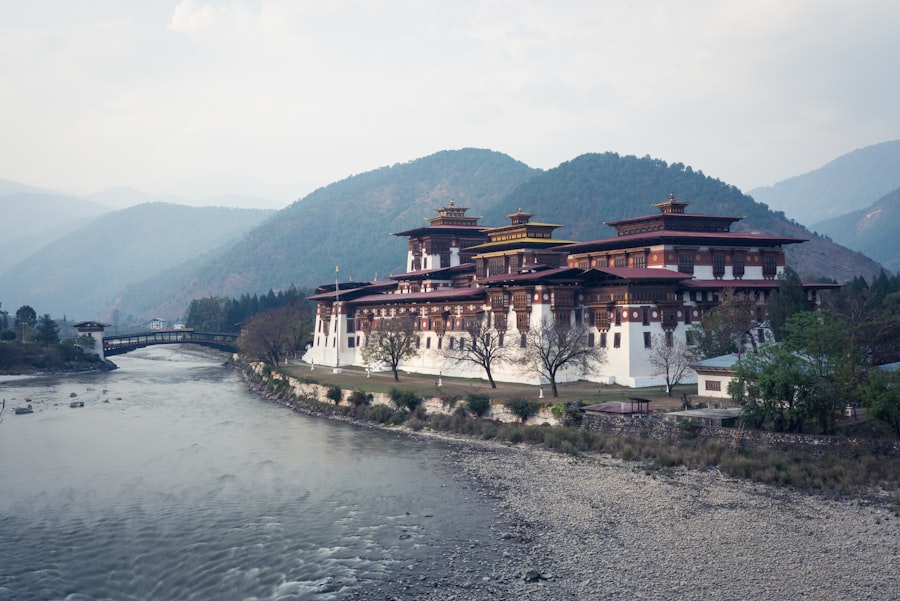
Bhutan’s commitment to prioritizing happiness has had a profound impact on its citizens’ overall well-being. The emphasis on education has led to increased literacy rates and improved access to knowledge, empowering individuals to pursue their aspirations. Furthermore, the provision of free healthcare services has resulted in better health outcomes for the population.
By addressing these fundamental needs, Bhutan has created an environment where individuals can flourish both personally and professionally. Moreover, the focus on community engagement fosters a sense of belonging among citizens. Local initiatives encourage participation in decision-making processes and promote collaboration among residents.
This sense of agency contributes to higher levels of satisfaction and fulfillment within communities. As individuals feel more connected to their surroundings and each other, they are more likely to experience positive emotions and overall happiness.
Comparing Bhutan’s happiness levels to other countries
When comparing Bhutan’s happiness levels to those of other countries, it becomes evident that its unique approach yields impressive results. According to various global happiness reports, Bhutan consistently ranks favorably among nations known for their high levels of well-being. While countries like Finland and Denmark often top these lists due to their robust social welfare systems and high standards of living, Bhutan’s emphasis on holistic well-being sets it apart from traditional metrics.
Bhutan’s GNH model offers valuable insights into how happiness can be prioritized in governance. While many developed nations focus primarily on economic indicators such as GDP growth or employment rates, Bhutan demonstrates that a broader understanding of well-being can lead to more meaningful outcomes for citizens. This alternative perspective challenges conventional wisdom about development and encourages other countries to consider integrating similar frameworks into their policies.
The influence of Bhutan’s natural environment on its citizens’ happiness
The breathtaking natural environment of Bhutan plays a significant role in shaping its citizens’ happiness levels. With its majestic mountains, lush valleys, and pristine rivers, Bhutan is often referred to as “the last Shangri-La.” The country’s commitment to environmental conservation ensures that these natural wonders remain intact for future generations. Access to nature has been shown to have numerous psychological benefits, including reduced stress levels and increased feelings of tranquility.
Moreover, outdoor activities such as hiking and trekking are integral parts of Bhutanese culture. These activities not only promote physical health but also provide opportunities for social interaction and community bonding. As individuals engage with their surroundings and participate in outdoor pursuits, they cultivate a deeper appreciation for nature’s beauty and its positive impact on their well-being.
In this way, Bhutan’s natural environment serves as both a source of joy and a vital component of its GNH philosophy.
The importance of community and social connections in Bhutan’s happiness
Community plays a central role in fostering happiness within Bhutanese society. The strong emphasis on social connections is evident in various aspects of daily life, from communal celebrations to collaborative farming practices. These interactions create a sense of belonging that enhances individual well-being.
In rural areas particularly, community ties are often strengthened through shared responsibilities and collective efforts toward common goals. Furthermore, social support networks are crucial for emotional resilience during challenging times. In times of hardship or loss, individuals can rely on their communities for assistance and comfort.
This interconnectedness fosters a culture of empathy and compassion that contributes significantly to overall happiness levels. By prioritizing community engagement and social connections, Bhutan reinforces the idea that collective well-being is essential for individual fulfillment.
The future of Bhutan’s happiness model and its potential impact on global well-being
As Bhutan continues to navigate the complexities of modernity while adhering to its GNH principles, the future of its happiness model remains promising yet uncertain. The kingdom faces challenges related to globalization and cultural preservation but also possesses opportunities for growth through international collaboration. By sharing its experiences with other nations seeking alternative development paths, Bhutan can inspire global conversations about prioritizing well-being over material wealth.
Moreover, as more countries grapple with issues related to mental health and societal disconnection in an increasingly fast-paced world, Bhutan’s GNH model offers valuable lessons on fostering holistic well-being. By emphasizing sustainable development practices alongside cultural preservation and community engagement, other nations may find pathways toward enhancing their citizens’ quality of life.
Is Bhutan the happiest country on earth?
In conclusion, while it may be difficult to definitively label any nation as “the happiest country on earth,” Bhutan undoubtedly stands out as a beacon of hope for those seeking alternative approaches to development. Its Gross National Happiness framework prioritizes holistic well-being over economic growth alone, demonstrating that true prosperity encompasses much more than material wealth. Through its commitment to sustainability, cultural preservation, community engagement, and Buddhist values, Bhutan has created an environment where happiness flourishes.
As global conversations about well-being continue to evolve, Bhutan’s unique model serves as an inspiration for nations worldwide striving for a more balanced approach to development—one that recognizes the importance of nurturing both individual fulfillment and collective harmony. Ultimately, while challenges remain on this journey toward happiness-driven governance, Bhutan’s experience offers valuable insights into what it means to prioritize human flourishing in an increasingly complex world.
Bhutan is often celebrated as the happiest country in the world, primarily due to its unique approach to measuring happiness through Gross National Happiness (GNH) rather than Gross Domestic Product (GDP). This intriguing perspective on well-being has sparked discussions and comparisons with other nations. For further insights into the factors contributing to Bhutan’s happiness and how it contrasts with other countries, you can read a related article on this topic at this link.
WATCH THIS! Gross National Happiness Is A Trap
FAQs
What is the Happiness Index?
The Happiness Index is a measure of the overall happiness and well-being of a country’s citizens. It takes into account factors such as economic stability, social support, life expectancy, freedom to make life choices, generosity, and perceptions of corruption.
How is Bhutan’s Happiness Index measured?
Bhutan’s Happiness Index is measured using the Gross National Happiness (GNH) index, which was developed in the 1970s as an alternative to the traditional Gross Domestic Product (GDP) measure. The GNH index takes into account factors such as sustainable development, environmental conservation, cultural preservation, and good governance.
Is Bhutan considered the happiest country in the world?
Bhutan is often referred to as one of the happiest countries in the world due to its focus on holistic well-being and the unique GNH index. However, the concept of happiness is subjective and can vary from person to person.
What factors contribute to Bhutan’s happiness?
Bhutan’s focus on sustainable development, environmental conservation, cultural preservation, and good governance are key factors that contribute to the country’s overall happiness. Additionally, the emphasis on spiritual and mental well-being, as well as a strong sense of community and social support, also play a significant role.
How does Bhutan’s happiness compare to other countries?
Bhutan consistently ranks high on global happiness indexes, but it’s important to note that happiness is a complex and subjective concept. Different countries may prioritize different aspects of well-being, and cultural and societal differences can impact perceptions of happiness.