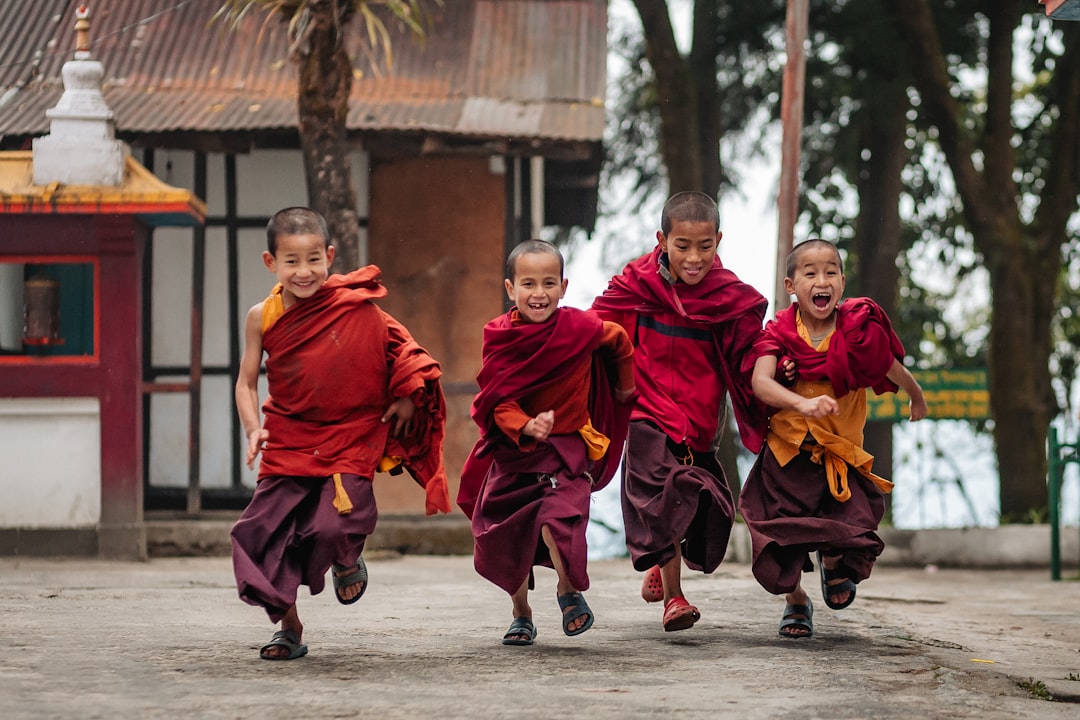
Bhutan, a small landlocked kingdom nestled in the eastern Himalayas, has garnered international attention for its unique approach to measuring progress and well-being. Unlike most nations that prioritize economic growth as the primary indicator of success, Bhutan has championed the concept of Gross National Happiness (GNH). This philosophy posits that the true measure of a country’s prosperity lies not in its GDP but in the happiness and well-being of its citizens.
However, this seemingly idyllic narrative is complicated by a growing recognition of the underlying challenges that contribute to unhappiness among the Bhutanese people. The juxtaposition of Bhutan’s celebrated GNH and the reality of discontent creates a paradox that invites deeper exploration. The happiness paradox in Bhutan raises critical questions about the effectiveness of GNH as a policy framework.
While the government has made significant strides in promoting happiness through various initiatives, the lived experiences of many citizens tell a different story. The contrast between the ideal of happiness and the reality of dissatisfaction highlights the complexities of human emotions and societal expectations. As Bhutan navigates its path toward a more fulfilling existence for its people, understanding the nuances of this paradox becomes essential for both policymakers and citizens alike. Here is the sentence with the link:
You can learn about Bhutan’s gross national happiness explained in this video: Bhutan gross national happiness explained.
Key Takeaways
- Bhutan’s Gross National Happiness (GNH) index measures the country’s progress based on holistic well-being and happiness, rather than just economic indicators.
- Despite the focus on happiness, Bhutan faces challenges with mental health issues, social and economic pressures, and unhappiness among its citizens.
- Factors contributing to Bhutan’s unhappiness include rapid modernization, urbanization, and the erosion of traditional values and community ties.
- Government policies in Bhutan have aimed to address unhappiness through initiatives such as promoting cultural and traditional values, and prioritizing mental health and well-being.
- Bhutan’s experience with the happiness paradox offers valuable lessons for other countries, emphasizing the importance of holistic well-being, mental health, and the preservation of cultural and traditional values in national development.
The Concept of Gross National Happiness
Gross National Happiness is a holistic approach to development that encompasses not only economic factors but also social, cultural, environmental, and spiritual dimensions. Introduced by the Fourth King of Bhutan, Jigme Singye Wangchuck, in the 1970s, GNH emphasizes the importance of balancing material growth with the well-being of individuals and communities. The framework is built upon four pillars: sustainable development, cultural preservation, environmental conservation, and good governance.
These pillars serve as guiding principles for Bhutan’s policies and initiatives aimed at fostering a harmonious society. The GNH framework is further elaborated through nine domains that encompass various aspects of life, including psychological well-being, health, education, time use, cultural diversity, good governance, community vitality, ecological diversity, and living standards. This comprehensive approach seeks to create a more equitable society where citizens can thrive in multiple dimensions of life.
By prioritizing happiness over mere economic indicators, Bhutan aims to cultivate a sense of fulfillment that transcends material wealth.
The Reality of Unhappiness in Bhutan

Despite its ambitious GNH framework, Bhutan faces a growing dissonance between its ideals and the lived experiences of its citizens. Reports indicate that many Bhutanese individuals grapple with feelings of unhappiness and dissatisfaction. Factors such as economic pressures, social expectations, and mental health challenges contribute to this troubling reality.
The stark contrast between the government’s emphasis on happiness and the personal struggles faced by many citizens raises questions about the effectiveness of GNH as a guiding principle. Moreover, the rapid modernization and globalization that have swept across Bhutan in recent decades have introduced new challenges that threaten traditional values and ways of life. As urbanization increases and access to information expands, many individuals find themselves caught between the expectations of modern society and their cultural heritage.
This clash can lead to feelings of alienation and disconnection, further exacerbating the sense of unhappiness among certain segments of the population.
Factors Contributing to Bhutan’s Unhappiness
| Factors | Contributions |
|---|---|
| Gross National Happiness Index | Measures psychological well-being, health, education, time use, cultural diversity, good governance, community vitality, ecological diversity, and living standards. |
| Income Inequality | Unequal distribution of wealth and income can lead to dissatisfaction and unhappiness among the population. |
| Unemployment | Lack of job opportunities can lead to financial stress and unhappiness among individuals and families. |
| Access to Healthcare | Lack of access to quality healthcare can contribute to unhappiness due to health concerns and financial burden. |
| Environmental Conservation | Concerns about environmental degradation and loss of natural resources can impact overall happiness and well-being. |
Several factors contribute to the growing sense of unhappiness in Bhutan, despite its commitment to GNH. Economic challenges play a significant role, as many citizens struggle with job insecurity and limited opportunities for advancement. While the government has made efforts to promote sustainable development, the reality is that many individuals still face financial hardships that impact their overall well-being.
The pressure to provide for families and meet societal expectations can create a sense of stress and anxiety that undermines happiness. Additionally, social dynamics within Bhutanese society can contribute to feelings of isolation and discontent. Traditional values emphasize community and familial bonds; however, modernization has led to shifts in these dynamics.
Young people often migrate to urban areas in search of better opportunities, leaving behind their rural communities and support networks. This migration can result in a sense of disconnection from one’s roots and a loss of cultural identity, leading to feelings of loneliness and unhappiness.
Mental Health and Well-being in Bhutan
Mental health is an increasingly important aspect of overall well-being in Bhutan, yet it remains a topic shrouded in stigma and misunderstanding. Many individuals may experience mental health challenges but are reluctant to seek help due to societal perceptions surrounding mental illness. This reluctance can exacerbate feelings of isolation and despair, further complicating efforts to promote happiness within the population.
The government has recognized the importance of mental health in achieving GNH and has initiated programs aimed at raising awareness and providing support for those in need. However, access to mental health services remains limited, particularly in rural areas where resources are scarce. As Bhutan continues to navigate its happiness paradox, addressing mental health issues will be crucial for fostering a more supportive environment where individuals feel empowered to seek help and prioritize their well-being.
Social and Economic Pressures in Bhutan

The interplay between social expectations and economic realities creates a complex landscape for happiness in Bhutan. As the nation grapples with modernization, traditional values often clash with contemporary aspirations. Young people face immense pressure to succeed academically and professionally while adhering to cultural norms that emphasize family obligations and community involvement.
This duality can lead to feelings of inadequacy and stress as individuals strive to meet competing demands. Economic pressures further complicate this dynamic. While Bhutan has made strides in improving living standards, many citizens still face financial instability due to limited job opportunities and rising costs of living.
The desire for material success can create a sense of competition among individuals, leading to comparisons that undermine self-esteem and contribute to unhappiness. As Bhutan navigates these social and economic pressures, finding a balance between tradition and modernity will be essential for fostering a more contented society.
Government Policies and their Impact on Happiness
Bhutan’s government has implemented various policies aimed at promoting happiness through GNH principles. Initiatives focused on education, healthcare, environmental conservation, and cultural preservation reflect the government’s commitment to enhancing citizens’ quality of life. However, the effectiveness of these policies is often called into question when juxtaposed with the realities faced by many individuals.
While some programs have successfully improved access to education and healthcare, others may inadvertently contribute to feelings of discontent. For instance, rapid development projects aimed at boosting economic growth can lead to environmental degradation or displacement of communities, undermining the very principles that GNH seeks to uphold. As policymakers continue to refine their approach to happiness, it is crucial to consider the potential unintended consequences of their initiatives on citizens’ well-being.
The Role of Cultural and Traditional Values in Bhutan’s Happiness
Cultural and traditional values play a significant role in shaping Bhutan’s understanding of happiness.
These values have historically guided societal norms and expectations, fostering a sense of belonging among citizens.
However, as globalization influences Bhutanese society, there is a growing tension between preserving traditional values and embracing modernity.
This conflict can lead to feelings of disconnection from one’s roots and contribute to unhappiness as individuals navigate their identities within an evolving societal landscape.
Efforts to Address Unhappiness in Bhutan
Recognizing the complexities surrounding happiness in Bhutan, various stakeholders have initiated efforts to address the underlying issues contributing to unhappiness. Community-based programs aimed at fostering social connections and support networks have emerged as vital resources for individuals seeking solace amid societal pressures. These initiatives often emphasize the importance of mental health awareness and provide platforms for open dialogue about emotional well-being.
Additionally, government initiatives focused on improving access to mental health services are gaining traction as awareness surrounding mental health issues grows. By prioritizing mental health alongside physical health, Bhutan aims to create a more holistic approach to well-being that acknowledges the interconnectedness of various aspects of life. As these efforts continue to evolve, they hold promise for fostering a more supportive environment where individuals can thrive.
Lessons for Other Countries from Bhutan’s Happiness Paradox
Bhutan’s happiness paradox offers valuable lessons for other nations grappling with similar challenges related to well-being and societal expectations. The emphasis on holistic measures like GNH serves as a reminder that true progress extends beyond economic indicators; it encompasses emotional fulfillment, social cohesion, and environmental sustainability. Countries seeking to enhance their citizens’ quality of life can draw inspiration from Bhutan’s commitment to prioritizing happiness as a guiding principle.
Moreover, addressing mental health issues should be a priority for all nations striving for holistic well-being. By fostering open conversations about mental health and reducing stigma surrounding mental illness, societies can create environments where individuals feel empowered to seek help without fear of judgment. Ultimately, Bhutan’s journey toward understanding happiness serves as a poignant reminder that achieving true well-being requires ongoing reflection, adaptation, and collaboration among all members of society.
Reimagining Happiness in Bhutan
As Bhutan continues its journey toward understanding happiness within the context of its unique cultural landscape, it faces both challenges and opportunities for growth. The happiness paradox serves as a catalyst for introspection—encouraging citizens and policymakers alike to reevaluate their definitions of success and fulfillment. By acknowledging the complexities surrounding happiness while remaining committed to GNH principles, Bhutan can work toward creating an environment where all individuals feel valued and supported.
Reimagining happiness in Bhutan involves embracing both tradition and modernity while fostering resilience amid societal pressures. As efforts continue to address underlying issues contributing to unhappiness—such as mental health challenges and economic disparities—the potential for positive change remains strong. Ultimately, Bhutan’s pursuit of happiness serves as an inspiring example for nations worldwide—reminding them that true progress lies not only in material wealth but also in nurturing the emotional well-being of their citizens.
While Bhutan is often celebrated for its unique approach to measuring happiness through Gross National Happiness, there are underlying challenges that contribute to a more complex reality. An insightful article that delves into these issues can be found at