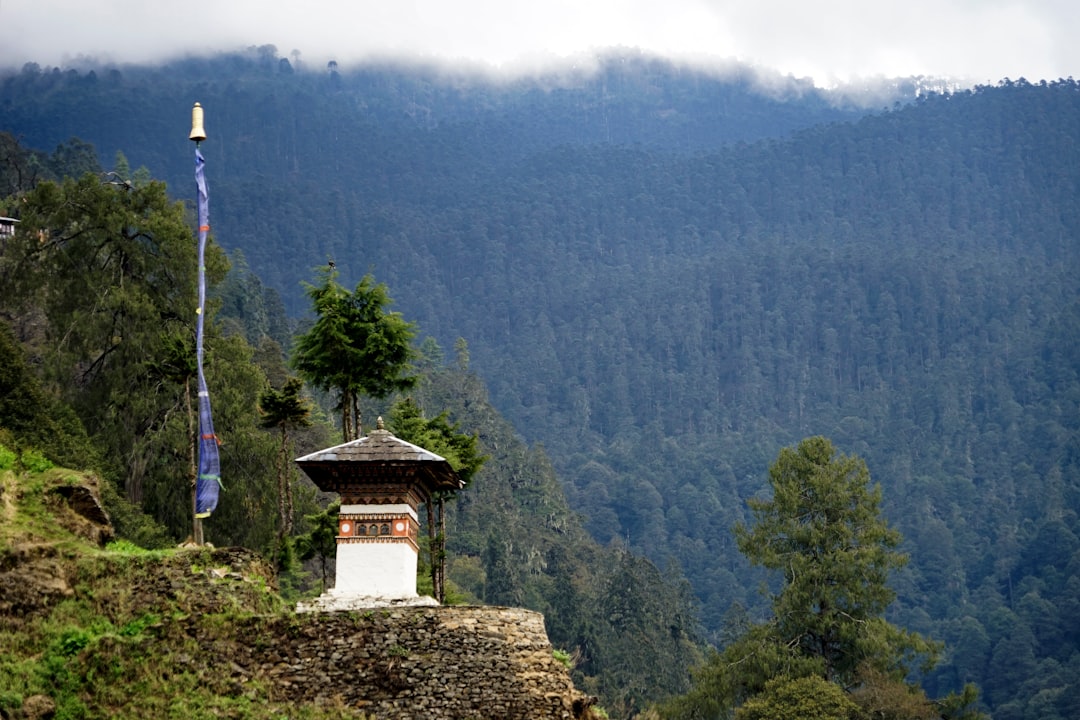
Bhutan, a small landlocked kingdom nestled in the eastern Himalayas, has long been recognized for its unique approach to development, which diverges significantly from the conventional paradigms embraced by many nations. This isolation experiment, initiated in the mid-20th century, was characterized by a deliberate choice to limit foreign influence and prioritize the well-being of its citizens over rapid economic growth. The country’s leaders, particularly during the reign of King Jigme Singye Wangchuck, sought to create a model of development that was not solely focused on material wealth but also on the holistic well-being of the population.
This approach has garnered global attention and admiration, prompting discussions about the viability of such a model in an increasingly interconnected world. The isolation experiment was not merely about physical seclusion; it represented a philosophical stance that emphasized cultural integrity and environmental sustainability. Bhutan’s leaders recognized that the pressures of globalization could threaten their unique identity and natural resources.
By maintaining a degree of isolation, Bhutan aimed to cultivate a society that valued tradition and harmony with nature, setting the stage for a distinctive form of governance and development that would later be encapsulated in the concept of Gross National Happiness (GNH).
Here is the sentence with the link:
You can learn about Bhutan’s gross national happiness explained in this video: Bhutan gross national happiness explained.
Key Takeaways
- Bhutan’s isolation experiment aimed to preserve its unique culture and environment by limiting outside influence and development.
- The concept of Gross National Happiness prioritizes the well-being of citizens over economic growth, focusing on sustainable development and social progress.
- Environmental conservation and sustainability are central to Bhutan’s development, with policies aimed at preserving its natural resources and biodiversity.
- Bhutan faces economic challenges but also opportunities for sustainable growth through eco-tourism, hydropower, and organic agriculture.
- Bhutan’s commitment to social and cultural preservation is evident in its efforts to maintain traditional practices and promote national identity.
The Concept of Gross National Happiness
At the heart of Bhutan’s development philosophy lies the concept of Gross National Happiness (GNH), a term coined by King Jigme Singye Wangchuck in the 1970s. GNH posits that the true measure of a nation’s progress should not be its Gross Domestic Product (GDP) but rather the happiness and well-being of its citizens. This innovative approach encompasses four pillars: sustainable development, cultural preservation, environmental conservation, and good governance.
Each pillar serves as a guiding principle for policy-making, ensuring that economic growth does not come at the expense of social and environmental health. GNH has gained international recognition as an alternative framework for assessing development. It challenges the traditional metrics that often prioritize economic output over quality of life.
By focusing on happiness as a central goal, Bhutan encourages a more holistic view of progress that includes mental health, community engagement, and environmental stewardship. This paradigm shift has inspired other nations to explore similar approaches, fostering a global dialogue about what constitutes true prosperity in an era marked by rapid change and uncertainty.
Environmental Conservation and Sustainability

Bhutan’s commitment to environmental conservation is one of the most striking aspects of its isolation experiment. The country is renowned for its breathtaking landscapes, rich biodiversity, and pristine ecosystems. Recognizing the intrinsic value of these natural resources, Bhutan has implemented policies aimed at preserving its environment for future generations.
The government has pledged to maintain a forest cover of at least 60% of its total land area, a commitment that has been upheld for decades. This dedication to sustainability is not merely a political stance; it reflects a deep-seated cultural reverence for nature that permeates Bhutanese society. In addition to forest conservation, Bhutan has embraced renewable energy as a cornerstone of its environmental strategy.
The country is rich in hydropower potential, and it has invested heavily in harnessing this resource to meet domestic energy needs while exporting surplus electricity to neighboring countries. This approach not only reduces reliance on fossil fuels but also positions Bhutan as a leader in sustainable energy production. By prioritizing environmental conservation and sustainability, Bhutan demonstrates that economic development can coexist harmoniously with ecological integrity.
Economic Challenges and Opportunities
| Metrics | Data |
|---|---|
| GDP Growth Rate | 3.2% |
| Unemployment Rate | 5.5% |
| Inflation Rate | 2.1% |
| Income Inequality Index | 0.42 |
| Foreign Direct Investment (FDI) | 15 billion |
While Bhutan’s isolation experiment has yielded numerous benefits, it has also presented significant economic challenges. The country’s limited access to global markets has hindered its ability to diversify its economy and attract foreign investment. As a result, Bhutan remains heavily reliant on agriculture and hydropower, which can be vulnerable to external shocks such as climate change or fluctuations in demand from neighboring countries.
This economic vulnerability underscores the need for strategic planning and innovation to ensure long-term stability and growth. However, Bhutan’s unique position also presents opportunities for sustainable economic development. The country’s emphasis on GNH has fostered a burgeoning tourism industry that attracts visitors seeking authentic cultural experiences and pristine natural environments.
By promoting eco-tourism and cultural tourism, Bhutan can generate revenue while preserving its heritage and landscapes. Additionally, there is potential for developing niche markets in organic agriculture and handicrafts, allowing local communities to benefit economically while maintaining their traditional practices. By leveraging its strengths and addressing its challenges, Bhutan can carve out a sustainable economic future that aligns with its values.
Social and Cultural Preservation
One of the most profound aspects of Bhutan’s isolation experiment is its commitment to social and cultural preservation. In an age where globalization often leads to cultural homogenization, Bhutan has made concerted efforts to safeguard its unique identity and traditions. The government actively promotes the use of the national language, Dzongkha, in education and public life while encouraging the practice of traditional arts, crafts, and festivals.
This cultural revival not only fosters national pride but also strengthens community bonds and intergenerational connections. Moreover, Bhutan’s approach to social preservation extends beyond cultural practices; it encompasses social equity and inclusivity as well. The government has implemented policies aimed at reducing poverty and improving access to basic services such as healthcare and education.
By prioritizing social welfare alongside cultural preservation, Bhutan seeks to create a society where all citizens can thrive while remaining rooted in their heritage. This holistic approach serves as a model for other nations grappling with the challenges of modernization while striving to maintain their unique identities.
Health and Education Initiatives
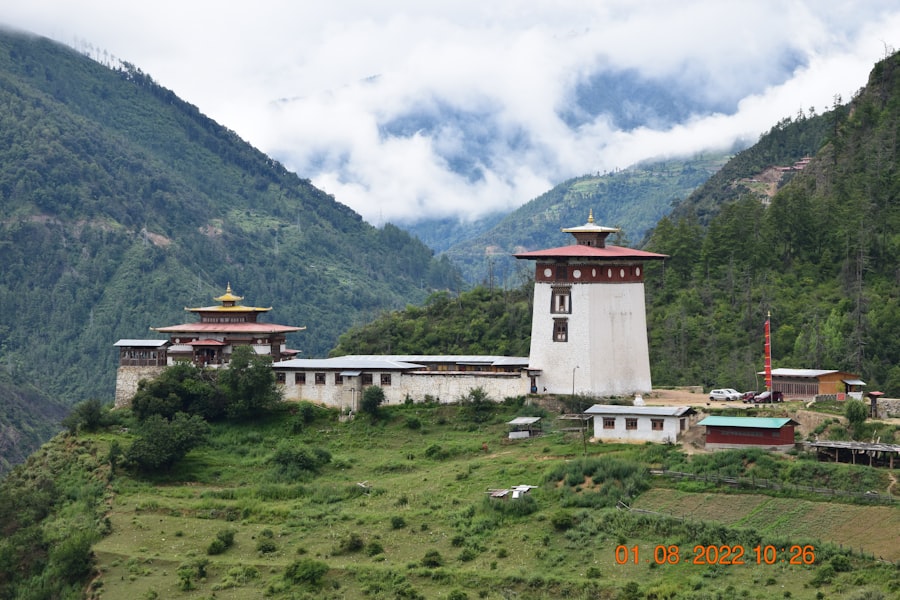
Bhutan’s isolation experiment has also had significant implications for health and education initiatives within the country. Recognizing that well-being is integral to happiness, the government has prioritized investments in healthcare infrastructure and educational opportunities for its citizens. Access to healthcare services has improved dramatically over the years, with initiatives aimed at providing free medical care and expanding rural health facilities.
This commitment to health equity reflects Bhutan’s understanding that physical well-being is foundational to overall happiness. In terms of education, Bhutan has made remarkable strides in increasing literacy rates and access to quality schooling. The government has implemented policies that promote inclusive education, ensuring that marginalized communities have equal opportunities to learn and grow.
By fostering an educated populace equipped with critical thinking skills, Bhutan aims to empower its citizens to contribute meaningfully to society while upholding the principles of GNH. These health and education initiatives are vital components of Bhutan’s broader vision for sustainable development.
Political Stability and Governance
Political stability is another hallmark of Bhutan’s isolation experiment. The transition from an absolute monarchy to a constitutional monarchy in 2008 marked a significant turning point in the country’s governance structure. This shift was characterized by increased political participation and democratic reforms aimed at enhancing transparency and accountability within government institutions.
The establishment of democratic processes has allowed citizens to engage actively in shaping their future while ensuring that their voices are heard. Bhutan’s governance model emphasizes good governance as one of the pillars of GNH. The government strives to create an environment where citizens can participate in decision-making processes while upholding principles of justice and fairness.
This commitment to political stability fosters trust between the government and its citizens, contributing to social cohesion and national unity. By prioritizing good governance alongside democratic values, Bhutan sets an example for other nations seeking to navigate the complexities of modern governance.
International Relations and Diplomacy
Despite its isolationist tendencies, Bhutan has engaged in international relations with a focus on maintaining sovereignty while fostering cooperation with neighboring countries. The kingdom shares strong ties with India, which has historically been its closest ally and partner in development initiatives. This relationship has facilitated economic growth through trade agreements and infrastructure projects while allowing Bhutan to retain control over its domestic affairs.
Bhutan’s diplomatic approach is characterized by a commitment to non-alignment and neutrality in global conflicts. The country seeks to engage with international organizations such as the United Nations while advocating for issues related to climate change, sustainable development, and cultural preservation. By positioning itself as a voice for small nations facing similar challenges, Bhutan contributes meaningfully to global discussions while safeguarding its unique identity.
Lessons Learned from Bhutan’s Isolation Experiment
Bhutan’s isolation experiment offers valuable lessons for other nations grappling with the complexities of development in an interconnected world. One key takeaway is the importance of prioritizing well-being over mere economic growth. By adopting GNH as a guiding principle, Bhutan demonstrates that happiness can be an effective measure of progress that encompasses social equity, environmental sustainability, and cultural preservation.
Additionally, Bhutan’s commitment to environmental conservation serves as a reminder that economic development need not come at the expense of natural resources. The kingdom’s focus on renewable energy and sustainable practices illustrates how nations can harness their unique strengths while safeguarding their ecosystems for future generations. These lessons resonate globally as countries seek innovative solutions to address pressing challenges such as climate change and social inequality.
Implications for Global Development
The implications of Bhutan’s isolation experiment extend far beyond its borders, offering insights into alternative models of development that prioritize human well-being over material wealth. As nations grapple with the consequences of rapid globalization—such as environmental degradation, cultural erosion, and social discontent—Bhutan’s approach provides a compelling case for re-evaluating traditional metrics of success.
This shift in perspective could lead to more sustainable development practices worldwide, encouraging nations to collaborate on shared goals while respecting their unique identities and values.
Conclusion and Future Outlook
In conclusion, Bhutan’s isolation experiment stands as a testament to the power of prioritizing happiness, sustainability, and cultural preservation in development efforts. As the world becomes increasingly interconnected, Bhutan’s unique approach offers valuable insights into navigating the complexities of modern governance while remaining true to one’s identity. Looking ahead, Bhutan faces both challenges and opportunities as it continues on its path toward sustainable development guided by GNH principles.
By leveraging its strengths—such as rich natural resources, cultural heritage, and political stability—Bhutan can carve out a future that aligns with its values while contributing meaningfully to global discussions on well-being and sustainability. As other nations observe Bhutan’s journey, they may find inspiration in its commitment to creating a society where happiness is not just an aspiration but a fundamental right for all citizens.
Bhutan’s unique approach to isolation and its focus on Gross National Happiness has garnered attention worldwide, prompting discussions about sustainable development and cultural preservation. A related article that delves deeper into the implications of Bhutan’s isolation experiment can be found here. This article explores the balance between modernization and tradition, shedding light on how Bhutan navigates its path in a rapidly changing world.
WATCH THIS! Gross National Happiness Is A Trap
FAQs
What was Bhutan’s isolation experiment?
Bhutan’s isolation experiment refers to the country’s deliberate policy of isolation from the rest of the world for much of its history. This policy was aimed at preserving Bhutan’s unique culture, traditions, and environment.
When did Bhutan begin its isolation experiment?
Bhutan began its isolation experiment in the early 17th century when it closed its borders to outside influences and maintained a policy of strict isolationism.
How did Bhutan’s isolation experiment impact the country?
Bhutan’s isolation experiment allowed the country to preserve its cultural heritage, traditions, and environment. However, it also limited economic and social development and led to a lack of exposure to external ideas and technologies.
When did Bhutan begin to open up to the outside world?
Bhutan began to open up to the outside world in the mid-20th century, with the establishment of diplomatic relations with India and the United Nations. In the 21st century, Bhutan has continued to gradually open up to global influences while still maintaining its unique identity.
What are the challenges of transitioning from isolation to global engagement?
The challenges of transitioning from isolation to global engagement include balancing the preservation of cultural identity with the adoption of new ideas and technologies, managing the impact of globalization on traditional ways of life, and addressing the potential environmental and social consequences of increased connectivity with the outside world.