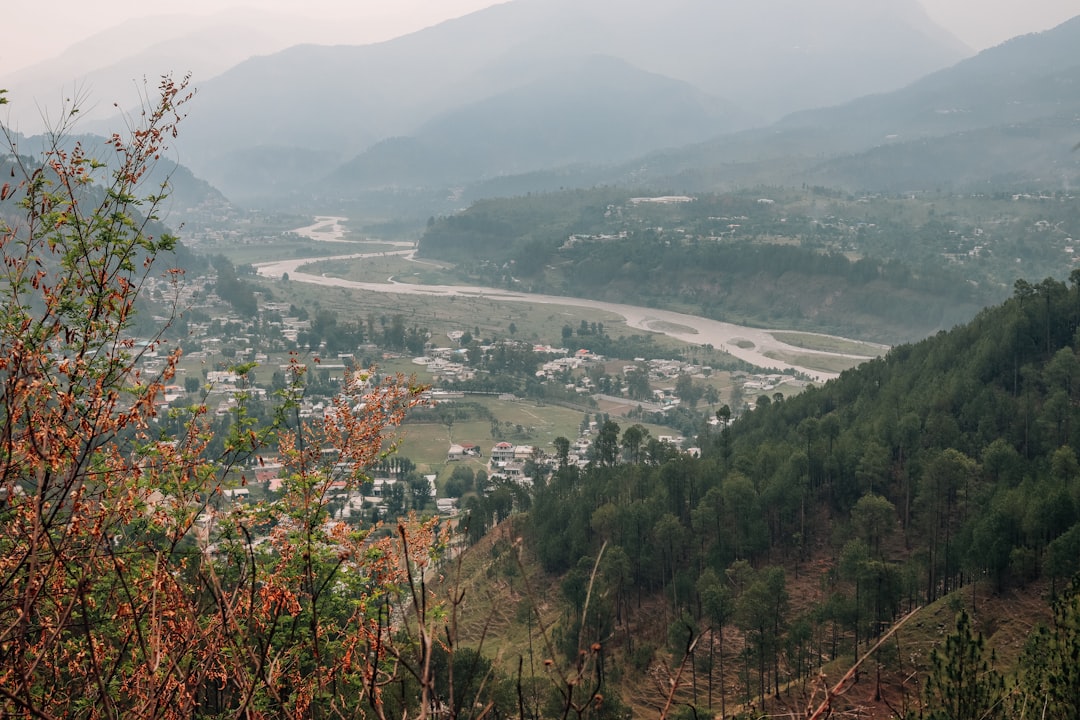
Nestled in the eastern Himalayas, Bhutan is a small kingdom that has captivated the hearts of many with its stunning landscapes and rich cultural heritage. Known as the “Land of the Thunder Dragon,” Bhutan is a place where ancient traditions coexist harmoniously with modernity. The country is renowned for its commitment to Gross National Happiness, a philosophy that prioritizes the well-being of its citizens over mere economic growth.
This unique approach to governance has made Bhutan a beacon of hope for those seeking a more balanced and sustainable way of life. The breathtaking scenery of Bhutan ranges from lush valleys to towering mountains, offering a diverse array of ecosystems and climates. The country is home to some of the highest peaks in the world, including the majestic Gangkhar Puensum, which remains unconquered due to its spiritual significance.
Here is the sentence with the link:
You can learn about Bhutan’s gross national happiness explained in this video: Bhutan gross national happiness explained.
Key Takeaways
- Bhutan is a small, landlocked country in the eastern Himalayas known for its stunning natural beauty and unique culture.
- The documentary on Bhutan was a challenging yet rewarding experience, capturing the country’s breathtaking landscapes and rich cultural heritage.
- Bhutan’s natural beauty is unparalleled, with its pristine forests, majestic mountains, and diverse wildlife making it a paradise for nature lovers.
- Immersing in Bhutanese culture involves experiencing traditional festivals, visiting ancient monasteries, and learning about the country’s unique customs and traditions.
- Meeting the people of Bhutan offers a glimpse into their warm hospitality, strong sense of community, and deep connection to their natural surroundings.
The Making of the Documentary
Creating a documentary about Bhutan is no small feat, as it requires a deep understanding of the country’s unique landscape and culture. Filmmakers often embark on a journey that involves extensive research and planning, ensuring that they capture the true spirit of Bhutan. This process typically begins with gathering insights from local historians, cultural experts, and residents who can provide valuable context and perspectives.
By immersing themselves in the local way of life, filmmakers can develop a narrative that resonates with both Bhutanese and international audiences. The logistics of filming in Bhutan can be challenging due to its rugged terrain and limited infrastructure. However, these obstacles are often outweighed by the rewards of capturing the country’s stunning vistas and vibrant culture.
Filmmakers must navigate various permits and regulations set by the government, which aims to protect Bhutan’s environment and cultural heritage. This careful approach ensures that the documentary not only showcases the beauty of Bhutan but also respects its traditions and values.
Exploring Bhutan’s Natural Beauty
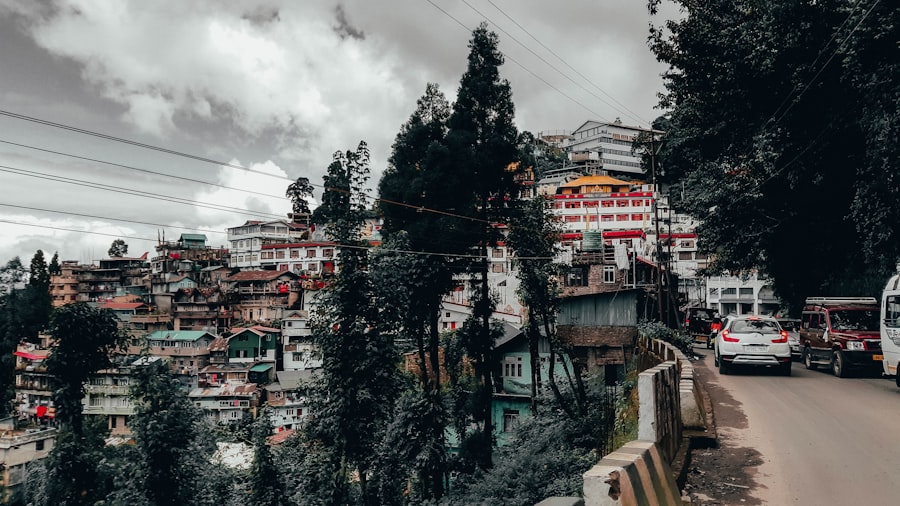
Bhutan’s natural beauty is nothing short of breathtaking, with its dramatic landscapes offering a feast for the eyes. From the lush green valleys of Paro to the snow-capped peaks of the Himalayas, every corner of this kingdom tells a story of nature’s grandeur. The diverse geography supports a wide range of flora and fauna, making it a paradise for nature lovers and adventure seekers alike.
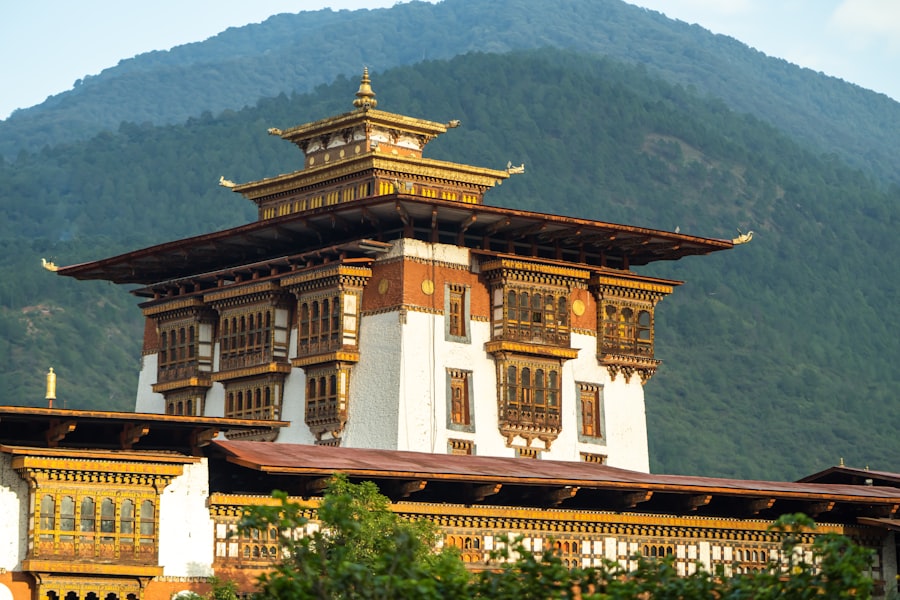
Trekking through Bhutan’s pristine wilderness allows visitors to experience firsthand the serenity and majesty of this untouched land. One of the most iconic features of Bhutan’s landscape is its intricate network of monasteries and dzongs, which are often perched on cliffs or nestled within valleys. These architectural marvels not only serve as spiritual centers but also offer stunning views of the surrounding mountains and forests.
The documentary captures these breathtaking scenes, showcasing how nature and spirituality intertwine in Bhutanese life. The filmmakers aim to convey the sense of peace and tranquility that permeates the air, inviting viewers to appreciate the harmony between humans and their environment.
Immersing in Bhutanese Culture
| Aspect | Metrics |
|---|---|
| Language | Learning basic Dzongkha phrases |
| Food | Trying traditional Bhutanese dishes |
| Clothing | Wearing traditional Bhutanese attire |
| Customs | Participating in local festivals and rituals |
Bhutanese culture is rich and multifaceted, deeply rooted in Buddhist traditions that have shaped the country’s identity for centuries. The documentary delves into various aspects of this vibrant culture, from traditional festivals to daily rituals that reflect the values and beliefs of the Bhutanese people. Festivals such as Tshechu are celebrated with colorful dances, music, and elaborate costumes, providing a glimpse into the joyous spirit of the nation.
These events are not only a form of entertainment but also serve as a means of preserving cultural heritage. In addition to festivals, the documentary explores everyday life in Bhutan, highlighting customs that may seem foreign yet are integral to the Bhutanese way of living. From communal farming practices to traditional crafts like weaving and pottery, these activities foster a sense of community and connection among the people.
By showcasing these cultural elements, filmmakers aim to create an authentic portrayal of Bhutan that resonates with viewers around the world.
Meeting the People of Bhutan
The heart and soul of any documentary lie in its ability to connect with people, and Bhutan is no exception. The filmmakers take great care to meet and interact with locals from various walks of life, capturing their stories and experiences. Whether it’s a farmer tending to his fields or a monk practicing meditation in a serene monastery, each individual offers a unique perspective on what it means to be Bhutanese.
These personal narratives enrich the documentary, allowing viewers to form emotional connections with the subjects. The warmth and hospitality of the Bhutanese people shine through in their interactions with visitors. The filmmakers often find themselves welcomed into homes where they are treated to traditional meals and shared stories.
This genuine exchange fosters mutual understanding and respect, highlighting the importance of human connection in bridging cultural divides. By featuring these encounters, the documentary emphasizes that at its core, Bhutan is not just a destination but a community bound by shared values and traditions.
Wildlife and Biodiversity in Bhutan
Bhutan is renowned for its incredible biodiversity, boasting an array of wildlife that thrives in its varied ecosystems. The country is home to several national parks and protected areas that serve as sanctuaries for endangered species such as the snow leopard and the red panda. The documentary takes viewers on an exploration of these pristine habitats, showcasing the delicate balance between conservation efforts and human activity.
The rich biodiversity is not only vital for ecological balance but also plays a significant role in Bhutanese culture. Many local beliefs are intertwined with nature, reflecting a deep respect for all living beings.
The documentary captures this connection by featuring local conservationists who work tirelessly to protect wildlife while educating communities about sustainable practices. By shedding light on these efforts, filmmakers aim to inspire viewers to appreciate the importance of biodiversity conservation on a global scale.
Challenges and Triumphs of Filming in Bhutan
Filming in Bhutan presents unique challenges that require adaptability and creativity from filmmakers. The rugged terrain can make transportation difficult, often necessitating long treks or helicopter rides to reach remote locations. Additionally, fluctuating weather conditions can impact shooting schedules, forcing crews to remain flexible in their plans.
Despite these hurdles, many filmmakers find that overcoming such obstacles leads to some of their most rewarding experiences. Moreover, navigating cultural sensitivities is paramount when filming in Bhutan. The filmmakers must approach their subjects with respect and understanding, ensuring that they accurately represent local customs without imposing external narratives.
This delicate balance can be challenging but ultimately enriches the documentary by fostering authentic connections with the people being portrayed. The triumphs achieved through these efforts often result in powerful storytelling that resonates deeply with audiences.
The Impact of the Documentary
The impact of a documentary extends far beyond its initial release; it has the potential to influence perceptions and inspire change. By showcasing Bhutan’s unique approach to happiness and sustainability, filmmakers hope to spark conversations about alternative ways of living that prioritize well-being over materialism. The documentary serves as a reminder that there are different paths to fulfillment, encouraging viewers to reflect on their own values and lifestyles.
Furthermore, documentaries about Bhutan can play a crucial role in promoting tourism while ensuring that it remains sustainable. By highlighting the beauty and culture of this enchanting kingdom, filmmakers can attract visitors who are eager to experience its wonders firsthand. However, they also emphasize responsible travel practices that respect local customs and contribute positively to communities.
In this way, the documentary becomes a catalyst for positive change both within Bhutan and beyond.
Bhutan’s Conservation Efforts
Bhutan’s commitment to environmental conservation is evident in its policies and practices aimed at protecting its natural resources. The government has implemented measures such as maintaining over 60% forest cover and establishing national parks that safeguard biodiversity. The documentary explores these initiatives, showcasing how they align with Bhutan’s philosophy of Gross National Happiness by ensuring that future generations inherit a healthy planet.
Local communities play an integral role in conservation efforts as well. Many villagers engage in sustainable farming practices or participate in eco-tourism initiatives that promote environmental stewardship while providing economic opportunities. By featuring these grassroots efforts, filmmakers highlight how collective action can lead to meaningful change.
The documentary serves as an inspiring testament to what can be achieved when communities come together for a common cause.
Bhutan’s Unique Traditions and Customs
Bhutan’s traditions are deeply rooted in its Buddhist heritage, influencing everything from architecture to daily rituals. The documentary delves into various customs that define Bhutanese life, such as traditional dress codes like the gho for men and kira for women. These garments are not merely clothing; they symbolize national identity and cultural pride.
By showcasing these customs, filmmakers aim to convey the significance of tradition in shaping contemporary Bhutanese society. Additionally, spiritual practices play a central role in everyday life for many Bhutanese people. Monasteries serve as places of worship and community gathering, where individuals come together to seek guidance and solace.
The documentary captures these moments of reflection and devotion, illustrating how spirituality permeates various aspects of life in Bhutan. Through these portrayals, viewers gain insight into how traditions continue to thrive amidst modernization.
How to Experience Bhutan for Yourself
For those inspired by the beauty and culture depicted in the documentary, experiencing Bhutan firsthand is an unforgettable journey waiting to unfold. Travelers are encouraged to explore this enchanting kingdom through guided tours that offer immersive experiences tailored to individual interests. Whether trekking through breathtaking landscapes or participating in local festivals, visitors can engage deeply with Bhutanese culture while respecting its values.
Planning a trip to Bhutan requires careful consideration due to its unique tourism policies aimed at preserving its environment and culture. Visitors must obtain visas through licensed tour operators who ensure compliance with regulations designed to protect both travelers and locals alike. This approach not only enhances safety but also fosters meaningful interactions between visitors and residents, creating lasting memories that transcend borders.
In conclusion, Bhutan stands as a testament to what can be achieved when harmony between nature, culture, and community is prioritized. Through documentaries that capture its essence, audiences around the world are invited to explore this remarkable kingdom while reflecting on their own values and choices. As more people discover Bhutan’s wonders—both through film and personal experience—the hope is that they will carry forward its message of happiness rooted in simplicity and connection with others.
If you’re interested in exploring the unique lifestyle and culture of Bhutan, you might find the documentary “Life in Bhutan” particularly enlightening. It offers a deep dive into the daily lives of Bhutanese people, showcasing their traditions, values, and the stunning landscapes of the country. For further insights into the geographical aspects of Bhutan, you can check out this related article on