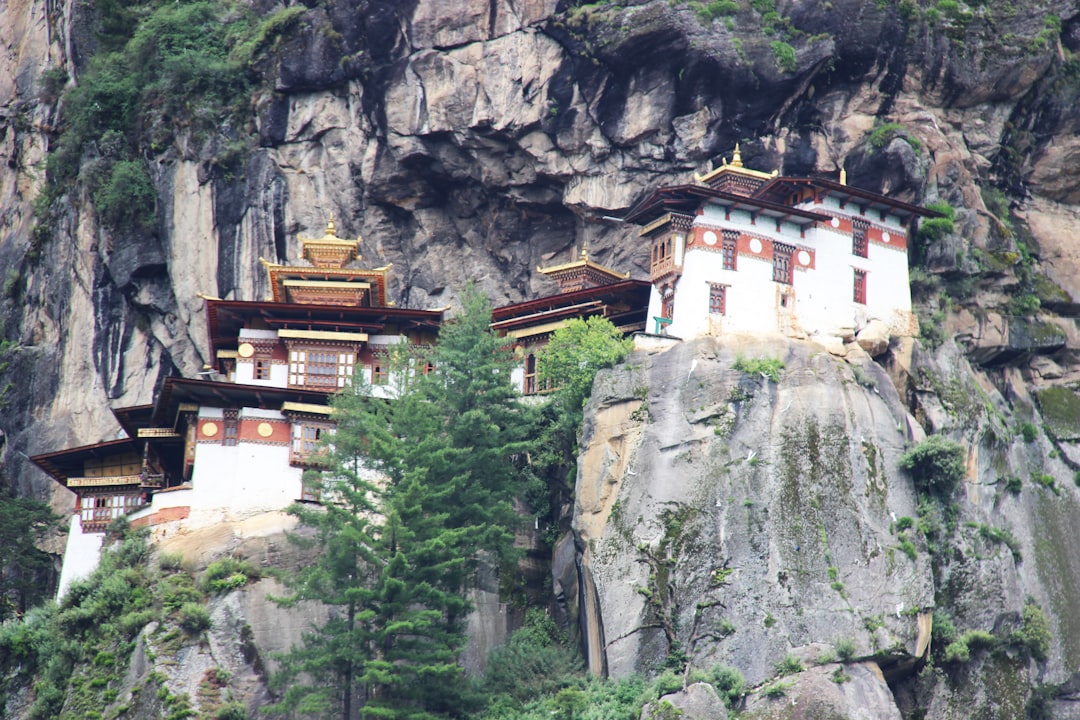
Bhutan, a small landlocked kingdom nestled in the eastern Himalayas, is renowned for its rich cultural heritage that reflects a unique blend of tradition and spirituality. The country is often referred to as the “Land of the Thunder Dragon,” and its cultural identity is deeply intertwined with its Buddhist roots. The vibrant traditions, festivals, and rituals that characterize Bhutanese life are not merely remnants of the past; they are living expressions of the nation’s values and beliefs.
From the intricate architecture of dzongs (fortresses) to the colorful attire worn during festivals, Bhutan’s cultural heritage is a testament to its people’s resilience and creativity. The preservation of this cultural heritage is not just an act of safeguarding history; it is essential for maintaining the national identity and fostering a sense of belonging among the Bhutanese people. The country’s commitment to Gross National Happiness emphasizes the importance of cultural preservation as a pillar of societal well-being.
As Bhutan navigates the complexities of modernity, the challenge lies in balancing progress with the preservation of its rich cultural tapestry. This article delves into the multifaceted challenges and initiatives surrounding the preservation of Bhutan’s cultural heritage, highlighting the roles played by various stakeholders in this endeavor. Here is the sentence with the link:
You can learn about Bhutan’s gross national happiness explained in this video:
The impact of modernization on Bhutan’s cultural heritage is profound and multifaceted. On one hand, modernization has brought about improvements in living standards, access to education, and technological advancements that have transformed daily life for many Bhutanese citizens. However, these changes have also led to a dilution of traditional values and practices that have defined Bhutanese culture for centuries.
The influx of Western influences, particularly through media and consumerism, has created a cultural landscape where traditional customs may be viewed as outdated or irrelevant. Moreover, the rise of digital technology has altered how cultural expressions are shared and experienced. While social media platforms provide opportunities for showcasing Bhutanese culture to a global audience, they can also lead to commodification, where cultural elements are stripped of their original meaning and context.
This phenomenon raises questions about authenticity and ownership, as traditional practices are adapted or commercialized for mass consumption. The challenge lies in finding ways to embrace modernization while ensuring that the essence of Bhutan’s cultural heritage remains intact.
Government Initiatives to Preserve Bhutan’s Cultural Heritage
| Initiative | Description | Impact |
|---|---|---|
| National Museum of Bhutan | Established to preserve and showcase Bhutanese art and artifacts | Preservation of cultural heritage and education for visitors |
| Documentation of Oral Tradition | Efforts to record and preserve Bhutanese oral traditions and folklore | Prevention of loss of traditional knowledge and cultural practices |
| Conservation of Monuments | Restoration and maintenance of historical sites and monuments | Preservation of architectural heritage and tourism attraction |
Recognizing the importance of preserving its cultural heritage, the Bhutanese government has implemented various initiatives aimed at safeguarding traditional practices and sites. One notable effort is the establishment of the Department of Culture under the Ministry of Home and Cultural Affairs, which is tasked with promoting and preserving Bhutanese culture through various programs and policies. This department plays a crucial role in documenting traditional practices, supporting artisans, and organizing cultural events that celebrate Bhutan’s rich heritage.
In addition to institutional efforts, the government has also prioritized the conservation of historical sites through legislation and funding. The National Heritage Policy outlines strategies for protecting cultural properties and encourages community involvement in preservation efforts. By fostering a sense of ownership among local communities, the government aims to ensure that cultural heritage is not only preserved but also actively practiced and celebrated by future generations.
Role of International Organizations in Preserving Bhutan’s Cultural Heritage
International organizations have played a significant role in supporting Bhutan’s efforts to preserve its cultural heritage. UNESCO, for instance, has recognized several sites in Bhutan as World Heritage Sites, including the historic city of Punakha and the sacred sites of Paro Taktsang (Tiger’s Nest). These designations not only highlight the global significance of Bhutan’s cultural heritage but also provide access to funding and expertise for conservation projects.
Furthermore, various non-governmental organizations (NGOs) collaborate with local communities and government agencies to promote cultural preservation initiatives. These organizations often focus on specific aspects of Bhutanese culture, such as traditional arts and crafts or indigenous knowledge systems. By providing training, resources, and platforms for artisans and cultural practitioners, these NGOs contribute to the sustainability of Bhutan’s cultural heritage in an increasingly modern world.
Community Involvement in Preserving Bhutan’s Cultural Heritage
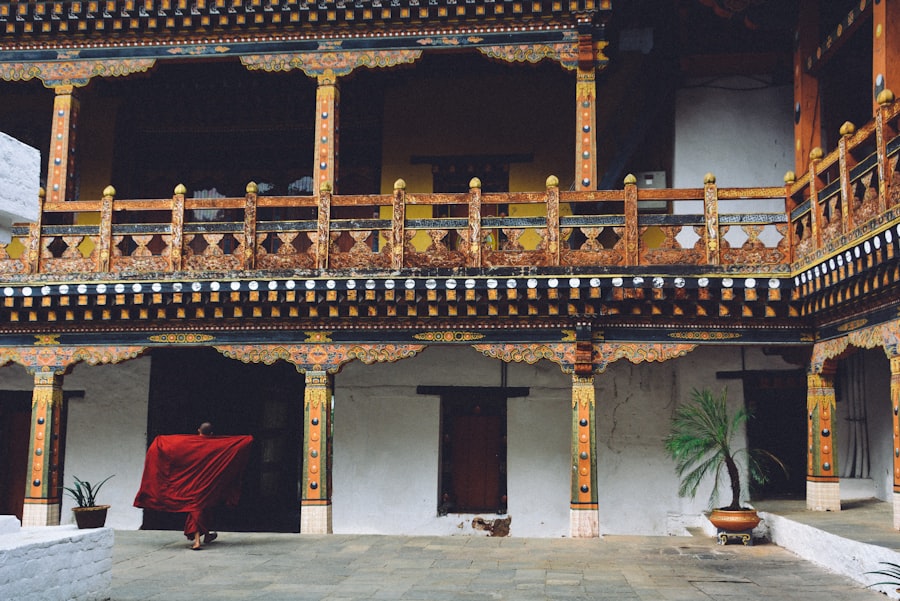
Community involvement is essential for the successful preservation of Bhutan’s cultural heritage. Local communities are often the custodians of traditional knowledge and practices, making their engagement crucial in any preservation efforts. In many villages across Bhutan, community members actively participate in maintaining local customs, organizing festivals, and passing down skills related to traditional crafts such as weaving, pottery, and wood carving.
Moreover, community-led initiatives have emerged as powerful tools for cultural preservation. For instance, local festivals often serve as platforms for showcasing traditional music, dance, and art forms that might otherwise be at risk of fading away. By fostering a sense of pride in their cultural identity, these initiatives encourage younger generations to engage with their heritage actively.
The involvement of local communities not only strengthens cultural ties but also ensures that preservation efforts are relevant and meaningful to those who live within these traditions.
Education and Awareness Programs for Preserving Bhutan’s Cultural Heritage
Education plays a pivotal role in raising awareness about the importance of preserving Bhutan’s cultural heritage. Schools across the country have begun incorporating lessons on traditional practices, history, and values into their curricula. By instilling an appreciation for their cultural roots from an early age, educators aim to cultivate a sense of responsibility among students toward their heritage.
In addition to formal education, various awareness programs have been launched to engage broader audiences in discussions about cultural preservation.
These programs not only educate participants but also create spaces for dialogue about the challenges facing Bhutan’s cultural heritage in a rapidly changing world.
Sustainable Tourism as a Means to Preserve Bhutan’s Cultural Heritage
Sustainable tourism has emerged as a vital strategy for preserving Bhutan’s cultural heritage while simultaneously promoting economic development. The country’s unique approach to tourism emphasizes low-impact practices that prioritize environmental conservation and cultural integrity. By limiting visitor numbers and promoting responsible travel behaviors, Bhutan aims to protect its natural landscapes and cultural sites from overexploitation.
Moreover, sustainable tourism initiatives often involve local communities in tourism planning and development processes. This approach ensures that economic benefits are shared with those who are directly connected to cultural heritage sites. By engaging local artisans and performers in tourism activities, visitors gain authentic experiences while supporting traditional practices that might otherwise struggle to survive in a modern economy.
Conservation and Restoration of Bhutan’s Cultural Heritage Sites
The conservation and restoration of Bhutan’s cultural heritage sites are critical components of preserving the nation’s identity. Many historical structures, such as temples and dzongs, require ongoing maintenance to withstand the effects of time and environmental factors. The government collaborates with experts in conservation techniques to ensure that restoration efforts respect traditional building methods while incorporating modern materials where necessary.
In recent years, several significant restoration projects have been undertaken across the country. These projects not only aim to preserve architectural integrity but also serve as opportunities for training local craftsmen in traditional construction techniques. By involving local artisans in restoration efforts, Bhutan fosters a sense of pride in its architectural heritage while ensuring that skills are passed down through generations.
Importance of Traditional Arts and Crafts in Preserving Bhutan’s Cultural Heritage
Traditional arts and crafts are integral to Bhutan’s cultural heritage, serving as both expressions of creativity and vehicles for storytelling. From intricate thangka paintings depicting Buddhist deities to beautifully woven textiles adorned with symbolic patterns, these art forms encapsulate the values and beliefs that define Bhutanese identity. The preservation of these crafts is essential not only for maintaining artistic traditions but also for sustaining livelihoods within local communities.
Efforts to promote traditional arts often involve workshops and training programs aimed at nurturing young artisans’ skills. By providing platforms for showcasing their work—such as exhibitions or craft fairs—these initiatives help raise awareness about the significance of traditional crafts while encouraging appreciation among both locals and visitors alike. In this way, traditional arts become living expressions of culture that continue to evolve while remaining rooted in history.
Future Prospects for Preserving Bhutan’s Cultural Heritage
The future prospects for preserving Bhutan’s cultural heritage hinge on a collective commitment from all stakeholders—government agencies, local communities, international organizations, and individuals alike. As modernization continues to shape societal dynamics, it is crucial for Bhutanese people to remain vigilant in safeguarding their unique identity amidst change. This requires ongoing dialogue about what it means to be culturally relevant in an increasingly interconnected world.
Moreover, fostering collaboration between various sectors can enhance preservation efforts significantly. By integrating cultural preservation into broader development strategies—such as education reform or sustainable tourism initiatives—Bhutan can create synergies that benefit both its people and its heritage. Ultimately, the future of Bhutan’s cultural heritage lies in recognizing its value not just as a relic of the past but as a living testament to resilience—a source of inspiration for generations yet to come.
Bhutan faces significant challenges in preserving its unique cultural heritage amidst rapid modernization and globalization. An insightful article that delves into these issues is available at