Nestled in the eastern Himalayas, Bhutan is a small kingdom that has captured the imagination of travelers and adventurers alike. Known as the “Land of the Thunder Dragon,” this enchanting nation is renowned for its stunning landscapes, rich cultural heritage, and commitment to preserving its unique identity. Bhutan stands out not only for its breathtaking natural beauty but also for its innovative approach to development, prioritizing Gross National Happiness over mere economic growth.
This philosophy reflects the deep-rooted values of the Bhutanese people, who cherish their traditions and environment. As one of the last remaining bastions of Buddhism in the world, Bhutan offers a glimpse into a way of life that is both ancient and vibrant. The country’s isolation has allowed it to maintain its cultural integrity, making it a fascinating destination for those seeking an authentic experience.
From the majestic peaks of the Himalayas to the lush valleys dotted with traditional villages, Bhutan is a land where nature and culture intertwine seamlessly. Visitors are often left in awe of the country’s commitment to preserving its heritage while embracing modernity in a sustainable manner. Here is the sentence with the link:
You can learn about Bhutan’s gross national happiness explained in this video: Bhutan gross national happiness explained.
Key Takeaways
- Bhutan is a small, landlocked country in the eastern Himalayas, known for its stunning landscapes, rich culture, and unique architecture.
- The beauty of Bhutan’s landscapes is unparalleled, with snow-capped mountains, lush valleys, and pristine rivers creating a picturesque setting for visitors.
- Exploring Bhutan’s rich culture and traditions offers a glimpse into the country’s unique way of life, with colorful festivals, traditional dances, and intricate handicrafts.
- Meeting the people of Bhutan provides an opportunity to experience the country’s warm hospitality and learn about their way of life, beliefs, and values.
- Bhutan’s unique architecture and monasteries showcase the country’s spiritual heritage, with intricately designed buildings and sacred sites that hold great significance for the Bhutanese people.
The Beauty of Bhutan’s Landscapes
The landscapes of Bhutan are nothing short of spectacular, characterized by dramatic mountains, verdant valleys, and pristine rivers. The towering peaks of the Himalayas dominate the skyline, with some of the highest mountains in the world, including Gangkhar Puensum, which remains unconquered due to the country’s spiritual beliefs. The diverse topography ranges from subtropical plains in the south to alpine meadows in the north, creating a rich tapestry of ecosystems that support a wide variety of flora and fauna.
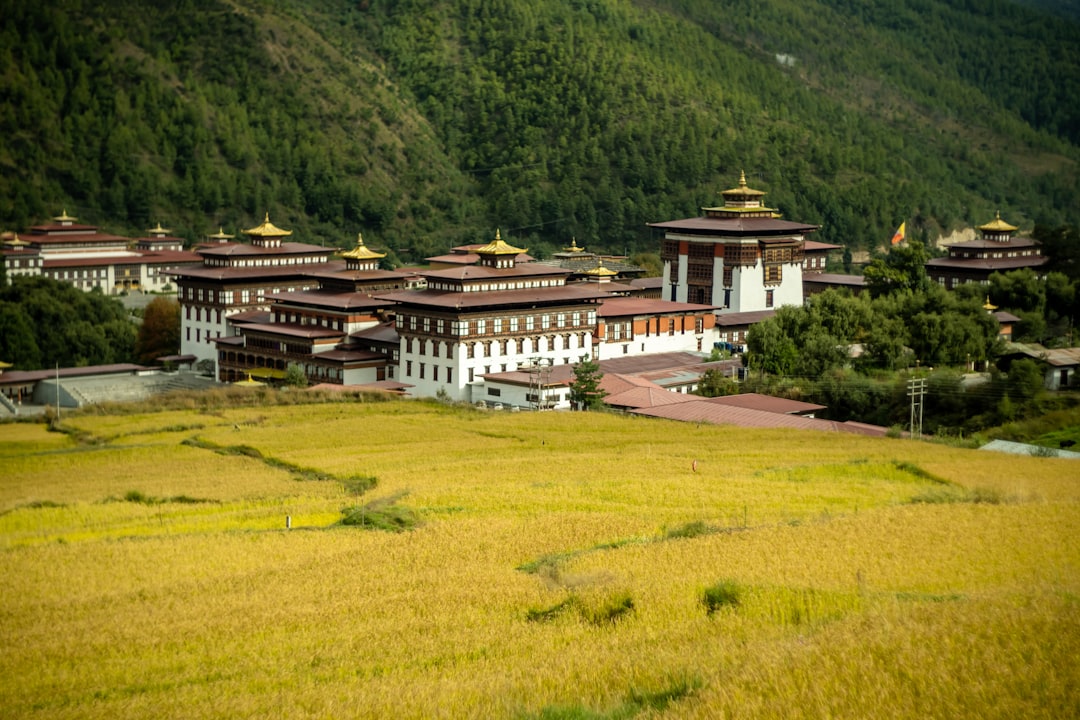
Travelers often find themselves enchanted by the picturesque valleys such as Paro and Punakha, where terraced rice fields and traditional farmhouses create a postcard-perfect scene. The vibrant colors of the landscape change with the seasons, offering a different experience throughout the year. In spring, rhododendrons bloom in a riot of colors, while autumn brings a golden hue to the fields as crops are harvested.
Each season reveals a new facet of Bhutan’s natural beauty, inviting exploration and appreciation.
Exploring Bhutan’s Rich Culture and Traditions

Bhutan’s culture is deeply intertwined with its Buddhist heritage, which influences every aspect of life in the kingdom. The country is home to numerous monasteries and temples that serve as centers of spiritual learning and community gathering. Festivals, known as tshechus, are celebrated with great fervor, showcasing traditional music, dance, and rituals that have been passed down through generations.
These events not only provide insight into Bhutanese spirituality but also foster a sense of unity among the people. The arts and crafts of Bhutan are equally captivating, with intricate textiles, woodwork, and thangka paintings reflecting the country’s rich artistic traditions. The practice of weaving is particularly significant, with each region boasting its own unique patterns and styles.
Visitors can witness artisans at work, creating beautiful pieces that tell stories of their culture and beliefs.
Meeting the People of Bhutan
| Metrics | Data |
|---|---|
| Total Population of Bhutan | 771,608 |
| Percentage of Urban Population | 37% |
| Percentage of Rural Population | 63% |
| Life Expectancy | 71.8 years |
| Literacy Rate | 71.4% |
The warmth and hospitality of the Bhutanese people leave a lasting impression on visitors. Known for their friendly demeanor and genuine smiles, locals are often eager to share their stories and traditions with travelers. Engaging with the people provides a deeper understanding of their way of life, which is rooted in community values and respect for nature.
Whether it’s sharing a cup of butter tea or participating in a local festival, these interactions enrich the travel experience. Bhutan’s society is characterized by a strong sense of identity and belonging. The people take pride in their cultural heritage, which is evident in their traditional dress and customs.
Men wear gho, a knee-length robe, while women don kira, a long dress that reflects their regional identity. This commitment to tradition fosters a sense of continuity and connection among generations, making it an integral part of Bhutanese life.
Bhutan’s Unique Architecture and Monasteries
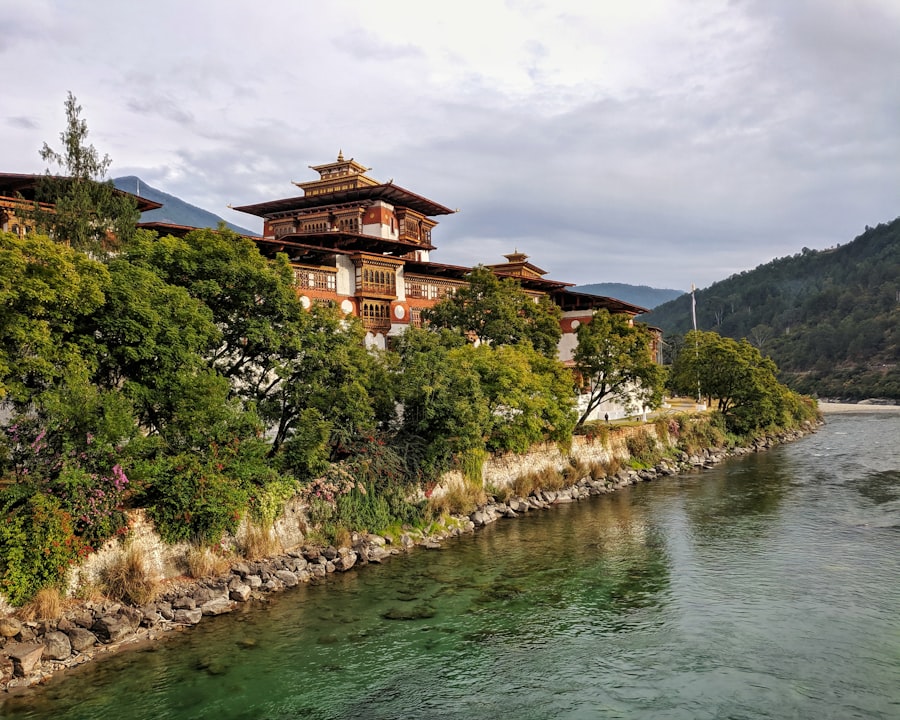
One cannot discuss Bhutan without mentioning its distinctive architecture, which harmoniously blends with the natural landscape. Traditional buildings are characterized by their intricate woodwork, vibrant colors, and ornate decorations that reflect Buddhist symbolism. Dzongs, or fortress-monasteries, serve as both administrative centers and places of worship, showcasing the country’s architectural prowess.
These structures are often perched on hilltops or along riverbanks, offering breathtaking views that enhance their grandeur. The monasteries themselves are sanctuaries of peace and spirituality. Paro Taktsang, also known as Tiger’s Nest Monastery, is perhaps the most famous example, perched precariously on a cliffside at an altitude of 3,120 meters.
The journey to reach this sacred site is as rewarding as the destination itself, with stunning vistas along the way. Visitors are often struck by the serene atmosphere within these monasteries, where monks engage in prayer and meditation amidst stunning surroundings.
Experiencing Bhutan’s Festivals and Celebrations
Festivals in Bhutan are vibrant celebrations that reflect the country’s rich cultural tapestry. Tshechus are held annually in various regions, drawing locals and tourists alike to witness colorful processions, traditional dances, and religious rituals. These events are not only a display of artistic talent but also serve as an opportunity for communities to come together in celebration of their shared beliefs.
One of the most famous festivals is the Paro Tshechu, which attracts thousands of visitors each year. The highlight is the unfurling of a giant thangka—a large religious painting—displayed for public viewing. The atmosphere is electric as locals don their finest attire and participate in dances that narrate stories from Buddhist teachings.
Such festivals provide an immersive experience into Bhutanese culture while fostering a sense of camaraderie among attendees.
Bhutan’s Delicious Cuisine
Bhutanese cuisine is a delightful reflection of the country’s agricultural practices and cultural influences. Rice is a staple food, often served with various curries made from locally sourced ingredients such as vegetables, meats, and spices. One cannot visit Bhutan without trying ema datshi—a spicy dish made with green chilies and cheese—which is considered the national dish.
The unique combination of flavors showcases the Bhutanese love for spice while highlighting their culinary creativity. Food plays an essential role in social gatherings and celebrations in Bhutan. Meals are often shared among family and friends, fostering connections and strengthening bonds within communities.
Traditional dining practices emphasize communal eating, where dishes are placed at the center of the table for everyone to enjoy together. This approach not only enhances the dining experience but also reflects the values of hospitality and togetherness that are central to Bhutanese culture.
Wildlife and Nature in Bhutan
Bhutan’s commitment to environmental conservation is evident in its diverse wildlife and protected areas.
National parks such as Jigme Dorji National Park and Phobjikha Valley provide sanctuary for endangered species like the black-necked crane and snow leopard.
These protected areas offer opportunities for eco-tourism while promoting awareness about conservation efforts. Nature enthusiasts will find themselves captivated by Bhutan’s pristine landscapes teeming with life. Trekking through lush forests filled with rhododendrons or exploring alpine meadows dotted with wildflowers allows visitors to connect with nature on a profound level.
Birdwatching is also popular in Bhutan, as it serves as a gateway to observe rare species in their natural habitats. The country’s commitment to preserving its biodiversity ensures that future generations can continue to enjoy its natural wonders.
The Spiritual Side of Bhutan
Spirituality permeates every aspect of life in Bhutan, shaping its culture and guiding its people’s values. Buddhism is not merely a religion; it is a way of life that influences daily routines, social interactions, and even governance. Monasteries serve as centers for spiritual learning and community engagement, where monks dedicate their lives to study and meditation.
Visitors often find solace in Bhutan’s serene environment, where meditation practices are encouraged amidst breathtaking landscapes. Many travelers seek spiritual retreats or workshops led by experienced monks who share insights into mindfulness and meditation techniques rooted in Buddhist philosophy. This spiritual connection fosters personal growth and reflection during one’s journey through this mystical land.
Sustainable Tourism in Bhutan
Bhutan has gained recognition for its pioneering approach to sustainable tourism, prioritizing environmental conservation while promoting cultural preservation. The government has implemented policies that limit tourist numbers to ensure that natural resources are not overwhelmed by mass tourism. This strategy allows visitors to experience Bhutan’s beauty without compromising its integrity.
Travelers are encouraged to engage in responsible tourism practices that respect local customs and contribute positively to communities. By supporting local businesses and participating in eco-friendly activities such as trekking or volunteering with conservation projects, visitors can leave a meaningful impact on this enchanting kingdom while enjoying an authentic experience.
Reflecting on the Journey in Bhutan
A journey through Bhutan is not merely a trip; it is an exploration of a unique way of life that harmonizes nature, culture, and spirituality. From its breathtaking landscapes to its rich traditions and warm-hearted people, every aspect of Bhutan leaves an indelible mark on those who visit. Travelers return home with memories etched in their hearts—of vibrant festivals filled with laughter, serene moments spent in monasteries, and connections forged with locals who embody kindness.
As visitors reflect on their experiences in this magical kingdom, they often find themselves inspired by Bhutan’s commitment to happiness over material wealth and its dedication to preserving its cultural heritage amidst modern challenges. In an increasingly fast-paced world, Bhutan serves as a reminder of what it means to live authentically—embracing simplicity while cherishing connections with nature and community.
If you’re planning a trip to Bhutan and are interested in exploring its rich culture and stunning landscapes, you might find the travel documentary for 2024 particularly insightful. It offers a unique perspective on the country’s traditions and natural beauty. For more information on travel tips and experiences in Bhutan, check out this related article on My Geo Quest.
WATCH THIS! Gross National Happiness Is A Trap
FAQs
What is the Bhutan travel documentary 2024 about?
The Bhutan travel documentary 2024 is a film that showcases the unique culture, traditions, and natural beauty of Bhutan, a small Himalayan kingdom known for its emphasis on Gross National Happiness.
Who produced the Bhutan travel documentary 2024?
The Bhutan travel documentary 2024 was produced by a team of filmmakers and producers who were granted access to various parts of Bhutan to capture its essence and beauty.
Where can I watch the Bhutan travel documentary 2024?
The Bhutan travel documentary 2024 may be available for viewing on various streaming platforms, as well as through special screenings and film festivals.
What makes Bhutan a unique travel destination?
Bhutan is known for its pristine natural landscapes, rich cultural heritage, and commitment to sustainable development. It is also famous for its policy of Gross National Happiness, which prioritizes the well-being and happiness of its citizens over economic growth.
What can viewers expect to see in the Bhutan travel documentary 2024?
Viewers can expect to see stunning landscapes, vibrant festivals, traditional arts and crafts, and insights into the daily lives of the Bhutanese people. The documentary aims to provide a comprehensive and immersive experience of Bhutan.