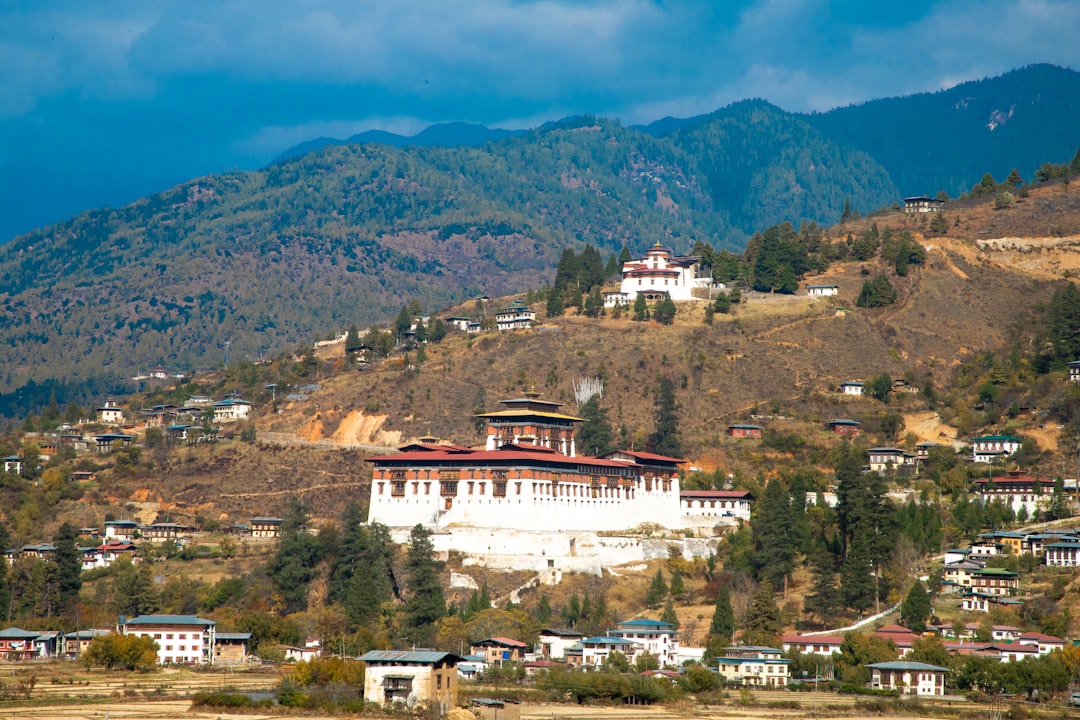
Nestled in the eastern Himalayas, Bhutan is a small kingdom that has captured the imagination of travelers and scholars alike. Known for its breathtaking landscapes and rich cultural heritage, this landlocked nation is often referred to as the “Land of the Thunder Dragon.” Bhutan’s unique approach to governance, which prioritizes Gross National Happiness over economic growth, sets it apart from many other countries. This philosophy reflects the deep-rooted values of the Bhutanese people, who cherish their traditions and natural environment.
As one of the last remaining bastions of Buddhism in the world, Bhutan offers a glimpse into a way of life that harmonizes spirituality with daily existence. The country’s geographical diversity ranges from lush valleys to towering mountains, creating a stunning backdrop for its vibrant culture. With a population of just over 700,000, Bhutan is home to a rich tapestry of ethnic groups and languages, each contributing to the nation’s unique identity.
The capital city, Thimphu, serves as a hub of political and cultural activity, while smaller towns and villages maintain traditional lifestyles that have persisted for centuries. As Bhutan continues to navigate the challenges of modernization, it remains committed to preserving its cultural heritage and natural beauty, making it a fascinating destination for those seeking both adventure and enlightenment. Here is the sentence with the link:
You can learn about Bhutan’s gross national happiness explained in this video: Bhutan gross national happiness explained.
Key Takeaways
- Bhutan is a small landlocked country in the eastern Himalayas, known for its stunning landscapes, unique culture, and commitment to sustainable development.
- Gross National Happiness is a development philosophy in Bhutan that emphasizes holistic well-being and spiritual, physical, and mental prosperity over material wealth.
- Bhutan’s culture is deeply rooted in Buddhism, with colorful festivals, traditional arts, and architecture reflecting the country’s rich heritage.
- The diverse landscapes of Bhutan, including snow-capped mountains, lush valleys, and pristine rivers, offer a paradise for nature lovers and adventure seekers.
- Bhutan’s monasteries and temples, such as the iconic Tiger’s Nest Monastery, are spiritual landmarks that showcase the country’s deep religious traditions and serene beauty.
The Land of Gross National Happiness
Bhutan’s commitment to Gross National Happiness (GNH) is perhaps its most distinctive feature. This innovative approach to development was introduced by the Fourth King, Jigme Singye Wangchuck, in the 1970s as a response to the limitations of traditional economic indicators like Gross Domestic Product (GDP). GNH emphasizes the importance of holistic well-being, integrating economic growth with social, cultural, and environmental considerations.
The four pillars of GNH—sustainable development, cultural preservation, good governance, and equitable socio-economic development—serve as guiding principles for the nation’s policies and initiatives. The GNH framework has garnered international attention and admiration, inspiring other nations to consider alternative measures of progress. In Bhutan, happiness is not merely an abstract concept; it is woven into the fabric of everyday life.
The government actively promotes initiatives that enhance the quality of life for its citizens, such as access to education, healthcare, and environmental conservation. This focus on well-being fosters a sense of community and belonging among the Bhutanese people, who take pride in their unique identity and shared values. As a result, Bhutan stands as a testament to the idea that true prosperity extends beyond material wealth.
Bhutan’s Unique Culture and Traditions
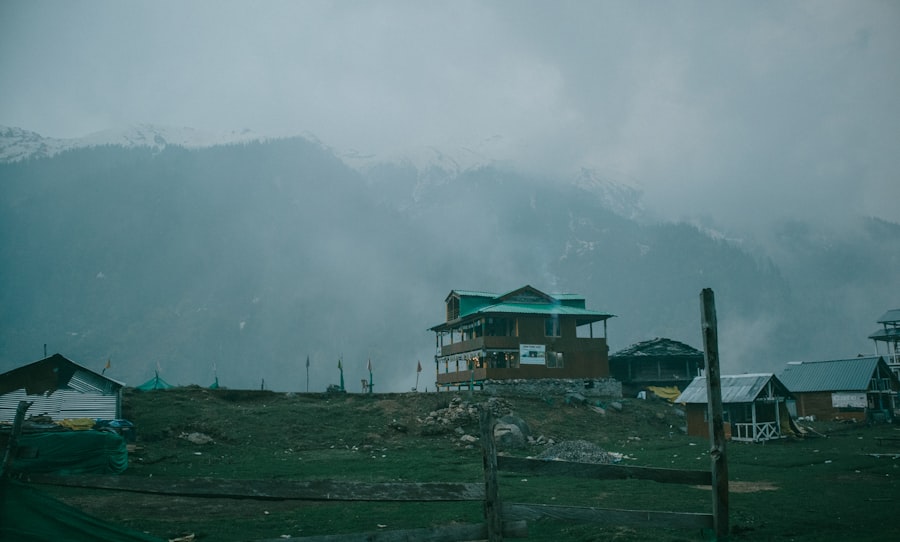
The culture of Bhutan is a vibrant tapestry woven from its history, religion, and geography. Predominantly influenced by Tibetan Buddhism, Bhutanese culture is characterized by its colorful festivals, intricate arts and crafts, and traditional attire. The national dress—gho for men and kira for women—reflects the country’s commitment to preserving its cultural heritage.
These garments are not merely clothing; they symbolize national identity and pride. Wearing traditional attire is mandatory in many public spaces, reinforcing a sense of unity among the Bhutanese people. Festivals play a significant role in Bhutanese culture, with each event steeped in religious significance and community participation.
The Tshechu festivals, held annually in various districts, are vibrant celebrations featuring traditional dances, music, and rituals that honor local deities.
The intricate masks worn during these dances are not only visually stunning but also carry deep spiritual meanings, connecting participants to their cultural roots.
Exploring Bhutan’s Stunning Landscapes
| Location | Altitude | Temperature |
|---|---|---|
| Paro Valley | 2,250 meters | 10°C to 20°C |
| Punakha Valley | 1,200 meters | 15°C to 30°C |
| Phobjikha Valley | 3,000 meters | 5°C to 15°C |
Bhutan’s landscapes are as diverse as its culture, offering breathtaking views that range from lush valleys to rugged mountains. The country is home to some of the highest peaks in the world, including Gangkhar Puensum, which stands at 7,570 meters and is revered as sacred by the Bhutanese people. The dramatic topography creates a variety of ecosystems that support an incredible array of flora and fauna.
From subtropical forests in the south to alpine meadows in the north, each region boasts its own unique beauty. One of the most iconic sites in Bhutan is the Paro Taktsang, or Tiger’s Nest Monastery, perched precariously on a cliffside at an elevation of 3,120 meters. This architectural marvel is not only a popular pilgrimage site but also offers stunning views of the surrounding landscape.
Trekking to Tiger’s Nest is a rite of passage for many visitors, providing an opportunity to immerse themselves in nature while experiencing the spiritual significance of this sacred site. The journey through pine forests and terraced fields allows travelers to appreciate Bhutan’s natural beauty while connecting with its rich cultural heritage.
The Spiritual Heart of Bhutan: Monasteries and Temples
Monasteries and temples are integral to Bhutan’s spiritual landscape, serving as centers of worship and community life. With over 2,600 monasteries scattered throughout the country, these sacred spaces are often situated in breathtaking locations that enhance their spiritual significance. Each monastery is unique in its architecture and history, reflecting the diverse influences that have shaped Bhutanese Buddhism over the centuries.
One of the most revered monasteries is Punakha Dzong, which stands at the confluence of two rivers and serves as a symbol of unity for the nation. Built in 1637 by Zhabdrung Ngawang Namgyal, this fortress-like structure is not only an architectural masterpiece but also a vital center for religious ceremonies and governance.
The serene atmosphere within these sacred spaces invites contemplation and reflection, allowing individuals to connect with their inner selves while appreciating the beauty of their surroundings.
Bhutan’s Endangered Wildlife and Conservation Efforts

Bhutan is renowned for its commitment to environmental conservation and wildlife protection. Approximately 72% of the country is covered by forests, providing habitat for a diverse range of species. Among these are several endangered animals such as the Bengal tiger, snow leopard, and red panda.
The government has implemented strict conservation policies aimed at preserving these species and their habitats while promoting sustainable tourism practices. One notable initiative is the establishment of protected areas such as Jigme Dorji National Park and Phobjikha Valley Nature Reserve. These areas serve as sanctuaries for wildlife while also providing opportunities for ecotourism.
By engaging local communities in conservation efforts, Bhutan has fostered a sense of stewardship towards its natural resources. Educational programs raise awareness about biodiversity and encourage sustainable practices among residents and visitors alike. This holistic approach ensures that both wildlife and human communities can thrive together in harmony.
Traditional Bhutanese Cuisine and Culinary Delights
Bhutanese cuisine is a reflection of the country’s geography and culture, characterized by its bold flavors and use of local ingredients. Rice is a staple food in Bhutan, often served with a variety of vegetables and meats. One of the most famous dishes is ema datshi—a spicy chili cheese stew that embodies the essence of Bhutanese cooking.
The dish showcases the country’s love for chilies, which are used generously in many recipes. In addition to ema datshi, traditional meals often include dishes like phaksha paa (pork with radish) and jasha maroo (spicy chicken). Meals are typically accompanied by a side of pickled vegetables or chutneys that add depth to the flavors.
Dining in Bhutan is not just about sustenance; it is an experience that brings families and friends together around the table. Visitors are often welcomed with warm hospitality and encouraged to partake in communal meals that celebrate local customs.
The Annual Tshechu Festivals: A Celebration of Bhutanese Culture
The Tshechu festivals are among the most vibrant expressions of Bhutanese culture, celebrated annually in various regions across the country. These festivals are deeply rooted in Buddhist traditions and serve as occasions for communities to come together in celebration and reflection. Each Tshechu features colorful mask dances performed by monks and laypeople alike, depicting stories from Buddhist teachings that convey moral lessons.
During these festivals, attendees don their finest traditional attire and participate in various activities that foster community spirit. The atmosphere is filled with music, laughter, and joy as families gather to witness performances that have been passed down through generations. The highlight of many Tshechu festivals is the unfurling of large thangkas—intricately painted religious banners—that serve as focal points for prayer and devotion.
These events not only reinforce cultural identity but also provide an opportunity for spiritual renewal among participants.
Bhutan’s Sustainable Development and Environmental Initiatives
Bhutan’s commitment to sustainable development is evident in its policies aimed at balancing economic growth with environmental preservation. The government has prioritized renewable energy sources such as hydropower, which accounts for a significant portion of its energy production. By harnessing its abundant water resources through hydropower projects, Bhutan aims to reduce reliance on fossil fuels while generating revenue through energy exports.
In addition to energy initiatives, Bhutan has implemented programs focused on sustainable agriculture and forestry practices. Organic farming has gained popularity as farmers embrace methods that protect soil health while producing high-quality crops. The government actively supports these efforts through training programs and incentives for farmers who adopt environmentally friendly practices.
By prioritizing sustainability at every level—from individual households to national policies—Bhutan sets an example for other nations striving for ecological balance.
Meeting the People of Bhutan: Stories of Resilience and Community
The heart of Bhutan lies not only in its landscapes but also in its people—resilient individuals who embody the spirit of community and cooperation. Despite facing challenges such as modernization and climate change, the Bhutanese people remain deeply connected to their cultural roots and traditions. Their stories reflect a profound sense of pride in their heritage while embracing opportunities for growth.
Community life in Bhutan revolves around shared values such as compassion, respect for nature, and mutual support. Villages often come together for communal activities like farming or building projects, fostering strong bonds among residents. This sense of unity extends beyond individual communities; it permeates national identity as well.
The stories shared by locals reveal a deep appreciation for their way of life—a testament to their resilience amid changing times.
Reflecting on the Beauty and Richness of Bhutan
In conclusion, Bhutan stands as a remarkable example of how a nation can prioritize happiness over material wealth while preserving its cultural heritage and natural environment. From its breathtaking landscapes to its vibrant traditions, every aspect of Bhutan reflects a deep connection between people and place. The commitment to Gross National Happiness serves as an inspiration for others seeking alternative paths toward progress.
As travelers explore this enchanting kingdom—whether trekking through majestic mountains or participating in lively festivals—they are invited into a world where spirituality intertwines with daily life. The stories shared by the people reveal resilience born from centuries-old traditions that continue to thrive today. Ultimately, Bhutan offers not just a destination but an experience that resonates long after one departs—a reminder of the beauty found in simplicity and connection with nature and community.
If you’re interested in exploring the rich culture and stunning landscapes of Bhutan, you might want to check out a related article that delves deeper into the country’s unique traditions and natural beauty. You can find more information in this insightful piece on Bhutan at My Geo Quest, which complements the full-length documentary beautifully.
WATCH THIS! Gross National Happiness Is A Trap
FAQs
What is the Bhutan documentary about?
The Bhutan documentary is a full-length film that provides an in-depth look at the culture, traditions, and way of life in the Kingdom of Bhutan.
What are some of the topics covered in the Bhutan documentary?
The documentary covers a wide range of topics including Bhutanese traditions, religious practices, environmental conservation efforts, and the unique concept of Gross National Happiness.
Where was the Bhutan documentary filmed?
The documentary was filmed on location in various parts of Bhutan, showcasing the country’s stunning landscapes, ancient monasteries, and vibrant festivals.
Who produced the Bhutan documentary?
The Bhutan documentary was produced by a team of filmmakers and researchers who spent extensive time in Bhutan to capture the essence of the country’s culture and way of life.
Is the Bhutan documentary available for public viewing?
Yes, the Bhutan documentary is available for public viewing and can be accessed through various streaming platforms or by purchasing a copy of the film.