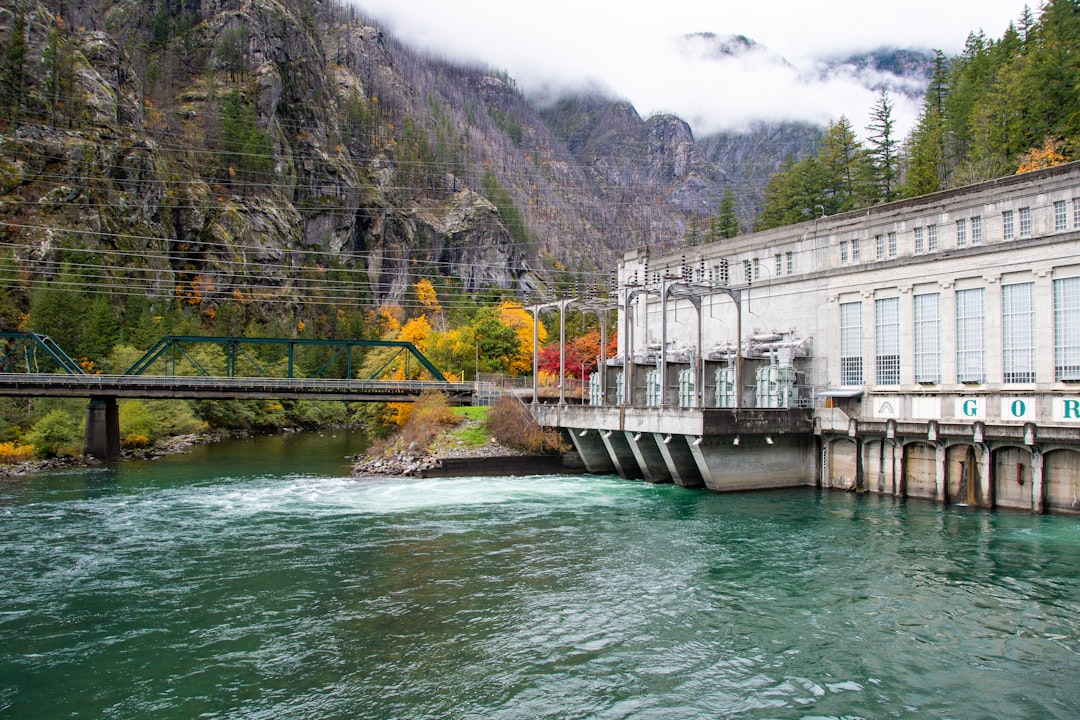
Bhutan, a small landlocked kingdom nestled in the Eastern Himalayas, is renowned for its breathtaking landscapes and rich cultural heritage. However, it is also gaining recognition for its burgeoning hydropower industry, which has become a cornerstone of the nation’s economic development. The country is endowed with abundant water resources, thanks to its numerous rivers fed by glacial melt and monsoon rains.
This natural advantage positions Bhutan as a potential powerhouse in renewable energy production, particularly hydropower. The government has strategically prioritized this sector, viewing it as a means to achieve energy self-sufficiency and economic growth. The hydropower industry in Bhutan is not merely an economic venture; it embodies the nation’s commitment to sustainable development.
With a vision to harness its water resources responsibly, Bhutan aims to generate clean energy while preserving its unique environment and cultural identity. The government’s focus on hydropower aligns with its philosophy of Gross National Happiness, which emphasizes the well-being of its citizens and the importance of environmental conservation. As Bhutan continues to develop its hydropower capabilities, it faces both opportunities and challenges that will shape the future of this vital sector. Here is the sentence with the link:
You can learn about Bhutan’s gross national happiness explained in this video:
As Bhutan’s economy continues to grow, so does its energy demand. The rapid urbanization and industrialization of the country have led to an increased need for reliable and sustainable energy sources. The government recognizes that meeting this demand is essential for maintaining economic stability and fostering further growth.
Consequently, there is a pressing need to enhance domestic energy production while ensuring that environmental sustainability remains a priority. In response to this growing energy demand, Bhutan is focusing on expanding its hydropower infrastructure. By investing in new projects and upgrading existing facilities, the government aims to not only meet domestic needs but also increase its capacity for electricity exports.
This dual approach allows Bhutan to balance its energy requirements with its commitment to environmental stewardship. As the nation seeks to position itself as a leader in renewable energy production, addressing energy demand will be crucial for both economic prosperity and ecological preservation.
Environmental Impact of Hydropower Projects in Bhutan
| Environmental Impact | Hydropower Projects in Bhutan |
|---|---|
| Water Quality | Monitoring of water quality is conducted to ensure minimal impact on aquatic life. |
| Land Use | Hydropower projects require land for construction, which may lead to habitat disruption. |
| Wildlife | Efforts are made to minimize disturbance to wildlife habitats during construction and operation. |
| Greenhouse Gas Emissions | Hydropower is considered a low-emission energy source, contributing to climate change mitigation. |
| Resettlement | Some projects may require resettlement of communities, leading to social and cultural impacts. |
While hydropower is often lauded for its renewable nature and low carbon emissions, it is not without environmental consequences. In Bhutan, the construction of large-scale hydropower projects can lead to significant alterations in local ecosystems. Deforestation, soil erosion, and changes in water quality are some of the adverse effects that can arise from dam construction and river diversion.
These environmental impacts can disrupt local wildlife habitats and affect the livelihoods of communities that depend on these ecosystems for their sustenance. Furthermore, the potential for glacial lake outburst floods (GLOFs) poses a unique challenge for Bhutan’s hydropower projects. As climate change accelerates glacial melting, the risk of GLOFs increases, threatening both infrastructure and human safety.
The government must carefully consider these environmental factors when planning new hydropower initiatives. Striking a balance between energy production and ecological preservation is essential for ensuring that Bhutan’s natural resources are managed sustainably for future generations.
Challenges Faced by Bhutan’s Hydropower Industry
Despite its vast potential, Bhutan’s hydropower industry faces several challenges that could hinder its growth. One significant issue is the reliance on monsoon rains and glacial melt for water flow, which can be unpredictable due to climate change. Variability in water availability can impact electricity generation and complicate planning for future projects.
Another challenge is the need for robust infrastructure to support the transmission of electricity from remote hydropower sites to urban centers and export markets. The existing grid may require significant upgrades to accommodate increased production and ensure reliability.
Furthermore, public opposition to large-scale projects can arise due to concerns about environmental degradation and displacement of local communities. Addressing these challenges will require careful planning, stakeholder engagement, and investment in both technology and infrastructure.
Bhutan’s Dependence on India for Hydropower Export
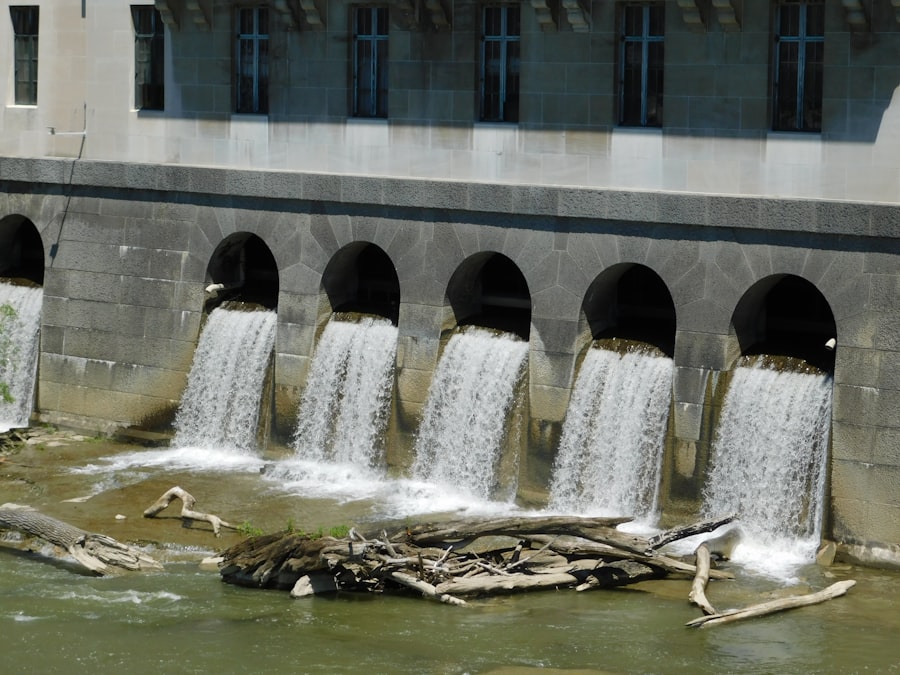
Bhutan’s hydropower industry is closely intertwined with India, as a significant portion of its electricity production is exported to its southern neighbor. This dependence on India for energy sales presents both opportunities and vulnerabilities for Bhutan’s economy. On one hand, India provides a stable market for Bhutanese electricity, generating essential revenue that supports national development initiatives.
On the other hand, this reliance raises concerns about economic sovereignty and the potential impact of geopolitical tensions on energy trade. The relationship between Bhutan and India regarding hydropower exports is further complicated by India’s own energy needs and policies. As India seeks to diversify its energy sources and invest in renewable technologies, Bhutan must navigate this evolving landscape carefully.
Ensuring that its hydropower projects align with India’s energy goals while maintaining favorable trade agreements will be crucial for sustaining economic growth through electricity exports.
Opportunities for Bhutan’s Hydropower Industry
Despite the challenges it faces, Bhutan’s hydropower industry is ripe with opportunities for growth and innovation. The global shift towards renewable energy presents an ideal context for Bhutan to position itself as a leader in sustainable energy production. By leveraging its abundant water resources and commitment to environmental stewardship, Bhutan can attract foreign investment and expertise in hydropower development.
Additionally, there is potential for expanding into new markets beyond India. As countries around the region seek cleaner energy alternatives, Bhutan could explore partnerships with neighboring nations looking to import renewable energy. This diversification of export markets would not only enhance economic resilience but also solidify Bhutan’s reputation as a responsible steward of natural resources.
By embracing technological advancements in hydropower generation and management, Bhutan can further optimize its energy production while minimizing environmental impacts.
Government Policies and Initiatives to Support Hydropower Development
The Royal Government of Bhutan has recognized the importance of hydropower as a driver of economic growth and has implemented various policies to support its development. The government’s commitment is evident in its long-term plans that prioritize renewable energy projects while ensuring environmental sustainability. By establishing clear regulatory frameworks and incentives for private investment in hydropower, the government aims to create a conducive environment for both domestic and foreign stakeholders.
Furthermore, initiatives aimed at enhancing local capacity building are crucial for sustaining the hydropower sector’s growth. By investing in education and training programs focused on engineering, project management, and environmental science, Bhutan can develop a skilled workforce capable of managing complex hydropower projects effectively. These efforts not only contribute to economic development but also empower local communities by providing them with opportunities to participate actively in the industry.
The Role of International Organizations in Bhutan’s Hydropower Sector
International organizations play a significant role in supporting Bhutan’s hydropower sector through funding, technical assistance, and knowledge sharing. Institutions such as the World Bank and Asian Development Bank have been instrumental in financing major hydropower projects while promoting best practices in environmental management and social responsibility. Their involvement helps ensure that projects are developed sustainably while adhering to international standards.
Moreover, partnerships with international organizations facilitate access to advanced technologies and expertise that can enhance project efficiency and reduce environmental impacts. Collaborative efforts can lead to innovative solutions that address challenges such as climate change resilience and community engagement in project planning. By leveraging these partnerships effectively, Bhutan can strengthen its hydropower sector while fostering sustainable development aligned with global best practices.
Future Prospects and Potential Risks for Bhutan’s Hydropower Industry
Looking ahead, Bhutan’s hydropower industry holds promising prospects for growth; however, it must navigate several potential risks that could impact its trajectory. Climate change remains a significant concern as shifting weather patterns may alter water availability and affect electricity generation capacity. Additionally, increasing competition from other renewable energy sources could challenge Bhutan’s position as a leading exporter of hydropower.
Furthermore, geopolitical dynamics in South Asia may influence trade relationships and market access for Bhutanese electricity exports. As regional tensions fluctuate, ensuring stable partnerships with neighboring countries will be essential for sustaining economic growth through energy sales.
The Importance of Sustainable Development in Bhutan’s Hydropower Sector
In conclusion, Bhutan’s hydropower industry represents both an opportunity for economic advancement and a challenge in terms of environmental stewardship. As the country seeks to harness its vast water resources responsibly, it must prioritize sustainable development practices that balance energy production with ecological preservation. By embracing innovative technologies, fostering international partnerships, and engaging local communities in decision-making processes, Bhutan can pave the way for a resilient hydropower sector that contributes positively to both its economy and environment.
The future of Bhutan’s hydropower industry hinges on its ability to adapt to changing circumstances while remaining committed to sustainable practices. As global demand for renewable energy continues to rise, Bhutan stands at a crossroads where it can either solidify its position as a leader in clean energy or face challenges that could undermine its progress. Ultimately, the path forward will require careful consideration of both economic aspirations and environmental responsibilities—ensuring that future generations inherit a thriving yet sustainable hydropower sector.
Bhutan’s heavy reliance on hydropower has significant implications for its economy and environment. The country’s unique geography allows for abundant water resources, making hydropower a natural choice for energy production. However, this dependency also raises concerns about sustainability and the impact of climate change on water availability. For a deeper understanding of the challenges and opportunities associated with Bhutan’s hydropower sector, you can read more in this related article on MyGeoQuest: MyGeoQuest.
WATCH THIS! Gross National Happiness Is A Trap
FAQs
What is Bhutan’s dependency on hydropower?
Bhutan is heavily dependent on hydropower for its energy needs, with hydropower accounting for over 99% of its electricity generation.
How does Bhutan benefit from hydropower?
Hydropower has been a major source of revenue for Bhutan, as it exports surplus electricity to neighboring countries like India. This has contributed significantly to Bhutan’s economy.
What are the challenges of Bhutan’s hydropower dependency?
Bhutan’s heavy reliance on hydropower makes it vulnerable to fluctuations in water availability and potential environmental impacts. Additionally, the country’s economy is heavily reliant on the stability of electricity exports.
What are the future plans for Bhutan’s hydropower sector?
Bhutan has plans to further develop its hydropower potential, with several new hydropower projects in the pipeline. This is aimed at increasing electricity generation capacity and further boosting the country’s economy.