
Bhutan, a small landlocked kingdom nestled in the eastern Himalayas, occupies a unique position in South Asia’s geopolitical landscape. Surrounded by two major powers, India and China, Bhutan’s strategic location has made it a focal point of interest for both nations. The kingdom’s rugged terrain and rich cultural heritage contribute to its distinct identity, but they also complicate its diplomatic relations.
As Bhutan navigates the complexities of its geopolitical situation, it must balance its historical ties with India against the backdrop of China’s growing influence in the region. The geopolitical dynamics surrounding Bhutan are further complicated by its commitment to maintaining sovereignty while fostering economic development. The kingdom’s approach to foreign policy is characterized by a cautious yet pragmatic stance, as it seeks to preserve its independence while engaging with its powerful neighbors.
This delicate balancing act is essential for Bhutan, as it strives to protect its national interests in an increasingly competitive environment. Here is the sentence with the link:
You can learn about Bhutan’s gross national happiness explained in this video: Bhutan gross national happiness explained.
Key Takeaways
- Bhutan’s unique geopolitical situation is shaped by its location between India and China, two major regional powers.
- Historical relations with India have heavily influenced Bhutan’s foreign policy, while China’s growing presence in the region poses new challenges and opportunities.
- Bhutan’s strategic importance lies in its location as a buffer state between India and China, making it a key player in regional security.
- Despite India’s influence, Bhutan has made efforts to maintain neutrality and balance its relations with both India and China.
- Economic and infrastructure development in Bhutan is crucial for its growth and stability, while also impacting its relations with neighboring countries.
Historical Relations with India and China
Historically, Bhutan has enjoyed a close relationship with India, rooted in shared cultural and religious ties. The two nations have collaborated on various fronts, including defense and economic development. India’s influence in Bhutan can be traced back to the early 20th century when the British established a protectorate over the kingdom.
This relationship evolved post-independence, with India playing a crucial role in Bhutan’s modernization efforts. The 1949 Treaty of Friendship solidified this bond, ensuring that Bhutan would consult India on foreign affairs while allowing it to maintain internal autonomy. In contrast, Bhutan’s relations with China have been more complex and fraught with tension.
The two countries share a border that has been a source of disputes, particularly regarding territorial claims. While Bhutan has historically been wary of China’s intentions, recent years have seen a gradual thawing of relations. Diplomatic engagements have increased, and both nations have expressed interest in resolving border issues through dialogue.
However, the historical context of mistrust continues to shape Bhutan’s approach to its northern neighbor.
Bhutan’s Strategic Importance in the Region

Bhutan’s strategic importance in South Asia cannot be overstated. Its geographical location serves as a buffer between India and China, making it a critical player in regional security dynamics. The kingdom’s mountainous terrain not only provides natural defenses but also serves as a vital watershed for several major rivers that flow into both countries.
This hydrological significance adds another layer to Bhutan’s geopolitical relevance, as water resources become increasingly contested in the region. Moreover, Bhutan’s commitment to environmental conservation and sustainable development aligns with global efforts to combat climate change. As a country that prioritizes Gross National Happiness over Gross Domestic Product, Bhutan has positioned itself as a leader in sustainable practices.
This unique approach enhances its appeal as a partner for both India and China, who are increasingly recognizing the importance of environmental stewardship in their own development agendas.
India’s Influence on Bhutan’s Foreign Policy
| Metrics | Data |
|---|---|
| Trade | India is Bhutan’s largest trading partner |
| Security | India provides security assistance and training to Bhutan |
| Foreign Policy Alignment | Bhutan closely aligns its foreign policy with India |
| Development Assistance | India provides significant development aid to Bhutan |
India’s influence on Bhutan’s foreign policy is profound and multifaceted. The two nations share deep-rooted cultural ties, which have fostered a sense of kinship that transcends mere political alliances. India’s role as Bhutan’s primary development partner has been instrumental in shaping the kingdom’s economic landscape.
Through various initiatives, including infrastructure projects and financial assistance, India has helped Bhutan modernize while ensuring that its strategic interests are safeguarded. The 2007 revision of the Treaty of Friendship further solidified India’s influence by allowing Bhutan greater autonomy in its foreign relations while still emphasizing the importance of consultation on matters affecting national security. This nuanced relationship enables Bhutan to engage with other countries while remaining aligned with India’s broader strategic objectives in the region.
However, this dependence on India also raises concerns about Bhutan’s ability to assert its independence in foreign policy decisions.
China’s Growing Presence in Bhutan
In recent years, China’s growing presence in Bhutan has introduced new complexities into the kingdom’s geopolitical landscape. As China expands its influence across South Asia through initiatives like the Belt and Road Initiative (BRI), Bhutan finds itself at a crossroads. While the kingdom has historically been cautious about engaging with China, there is an increasing recognition of the potential economic benefits that could arise from improved relations.
China’s interest in Bhutan is evident through various diplomatic overtures and economic incentives aimed at fostering cooperation. The establishment of informal channels for dialogue has allowed both nations to explore areas of mutual interest, such as trade and tourism. However, Bhutan remains wary of China’s intentions, particularly given the historical context of territorial disputes and China’s assertive posture in the region.
This ambivalence underscores the delicate balance Bhutan must maintain as it navigates its relationship with its northern neighbor.
Bhutan’s Efforts to Maintain Neutrality
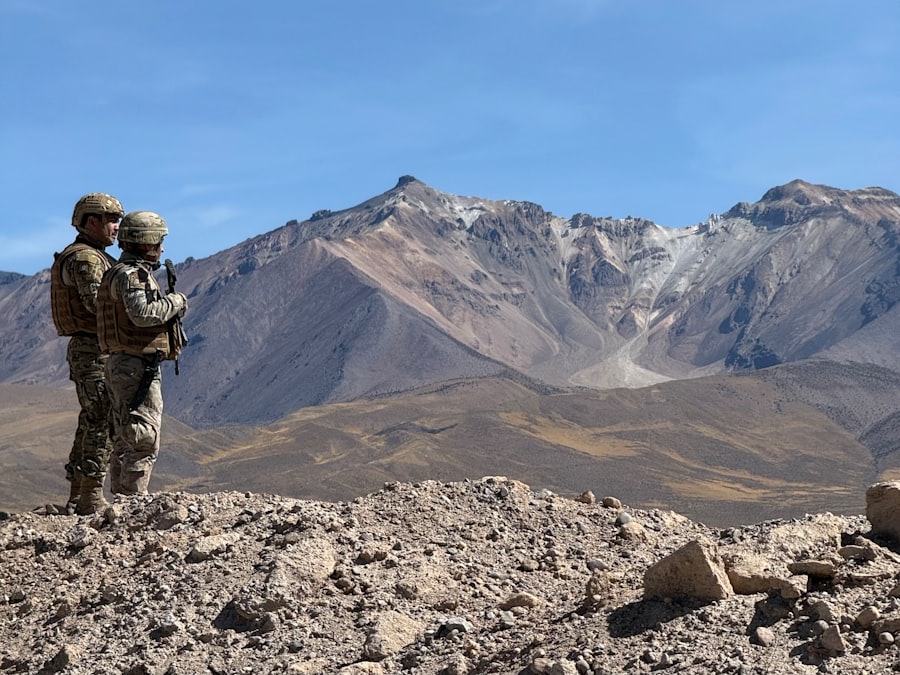
In light of the competing influences of India and China, Bhutan has made concerted efforts to maintain a stance of neutrality in its foreign relations. The kingdom recognizes that aligning too closely with either power could jeopardize its sovereignty and independence. As such, Bhutan has sought to cultivate a foreign policy that emphasizes dialogue and cooperation while avoiding overt favoritism.
Bhutan’s commitment to neutrality is reflected in its diplomatic engagements with various countries beyond its immediate neighbors. By participating in regional organizations such as the South Asian Association for Regional Cooperation (SAARC) and engaging with international partners, Bhutan aims to diversify its diplomatic relationships. This approach not only enhances its bargaining power but also reinforces its position as an independent actor on the global stage.
Economic and Infrastructure Development in Bhutan
Economic development is a cornerstone of Bhutan’s national strategy, and it plays a crucial role in shaping the kingdom’s foreign relations. With a focus on sustainable development and environmental conservation, Bhutan has pursued initiatives that align with its unique philosophy of Gross National Happiness. Investments in infrastructure, education, and healthcare have been prioritized to improve the quality of life for its citizens while fostering economic growth.
India has been a key partner in Bhutan’s development journey, providing financial assistance and expertise for various projects. From hydropower generation to road construction, Indian investments have significantly contributed to Bhutan’s economic landscape. However, as China seeks to expand its influence through infrastructure projects in neighboring countries, Bhutan must carefully consider how to balance these opportunities while safeguarding its national interests.
Bhutan’s Role in Regional Security
Bhutan’s role in regional security is increasingly significant as tensions between India and China continue to evolve. The kingdom serves as a buffer state that can help mitigate potential conflicts between these two powers. By maintaining open lines of communication and fostering dialogue, Bhutan can contribute to stability in the region while asserting its own sovereignty.
Moreover, Bhutan’s commitment to peace and non-violence aligns with broader regional security objectives. The kingdom has actively participated in peacekeeping missions under the auspices of the United Nations, showcasing its dedication to global peace efforts. This proactive stance enhances Bhutan’s reputation as a responsible member of the international community and reinforces its position as a mediator in regional disputes.
Challenges and Opportunities for Bhutan
Despite its unique position and strategic importance, Bhutan faces several challenges that could impact its future trajectory. The growing influence of China poses a significant challenge to Bhutan’s traditional ties with India, creating potential vulnerabilities in its foreign policy framework. Additionally, internal challenges such as economic disparities and environmental sustainability must be addressed to ensure long-term stability.
However, these challenges also present opportunities for Bhutan to redefine its role in the region. By leveraging its unique cultural identity and commitment to sustainable development, Bhutan can position itself as a leader in promoting regional cooperation on issues such as climate change and economic integration. Embracing innovation and diversifying its economic partnerships could further enhance Bhutan’s resilience in an increasingly complex geopolitical landscape.
Future Prospects for Bhutan’s Relations with India and China
Looking ahead, the future prospects for Bhutan’s relations with India and China will largely depend on how effectively it navigates the evolving geopolitical landscape. Strengthening ties with India while cautiously engaging with China will be crucial for maintaining sovereignty and independence. As both powers vie for influence in South Asia, Bhutan must remain vigilant in protecting its national interests.
The potential for increased cooperation between Bhutan and China exists, particularly in areas such as trade and tourism. However, any engagement must be approached with caution to avoid compromising Bhutan’s longstanding relationship with India. By fostering dialogue and collaboration while asserting its independence, Bhutan can carve out a unique space for itself within the broader regional dynamics.
Bhutan’s Unique Position in South Asia
In conclusion, Bhutan occupies a distinctive position within South Asia’s geopolitical landscape, characterized by its historical ties with India and the emerging influence of China. As it navigates these complex relationships, Bhutan must balance its commitment to sovereignty with the need for economic development and regional stability. By embracing neutrality and fostering dialogue with both neighbors, Bhutan can assert itself as an independent actor while contributing to peace and cooperation in the region.
The challenges facing Bhutan are significant but not insurmountable. With a focus on sustainable development and regional cooperation, the kingdom can leverage its unique identity to enhance its standing on the global stage. As it looks toward the future, Bhutan has the opportunity to redefine its role within South Asia while preserving its rich cultural heritage and commitment to Gross National Happiness.
In the context of Bhutan’s geopolitics, particularly its relationship with India and China, an insightful article can be found on MyGeoQuest. This article delves into the strategic significance of Bhutan in the broader regional dynamics and how its ties with these two neighboring giants shape its foreign policy.
mygeoquest.com/).
WATCH THIS! Gross National Happiness Is A Trap
FAQs
What is the geopolitical significance of Bhutan?
Bhutan holds geopolitical significance due to its location between two major powers, India and China. It serves as a buffer state between the two countries and has historically been a key player in their geopolitical dynamics.
How does Bhutan’s relationship with India impact its geopolitics?
Bhutan has a close relationship with India, which has a significant impact on its geopolitics. India provides economic and military support to Bhutan and has a strong influence on its foreign policy decisions.
What is the role of China in Bhutan’s geopolitics?
China has been seeking to expand its influence in Bhutan, particularly in the disputed border areas. Bhutan’s relationship with China is complex, and the two countries have engaged in discussions regarding their border disputes.
How does Bhutan navigate its geopolitical position between India and China?
Bhutan carefully navigates its geopolitical position between India and China by balancing its relationships with both countries. It seeks to maintain its sovereignty and independence while engaging in diplomatic relations with both India and China.
What are the key geopolitical challenges faced by Bhutan?
Bhutan faces key geopolitical challenges related to its border disputes with China, its reliance on India for economic and military support, and the need to maintain its sovereignty in the face of competing interests from India and China.