
Bhutan, a small landlocked kingdom nestled in the eastern Himalayas, has garnered international attention for its unique approach to development, which often appears to be at odds with the rapid modernization seen in much of the world. The nation has made headlines for its attempts to limit the influence of modernity, striving to preserve its rich cultural heritage and traditional way of life. This endeavor is not merely a nostalgic longing for the past; it is a conscious effort to maintain a distinct identity in an increasingly globalized world.
Bhutan’s leaders have articulated a vision that prioritizes Gross National Happiness (GNH) over Gross Domestic Product (GDP), emphasizing the well-being of its citizens rather than mere economic growth. The kingdom’s attempts to ban or limit aspects of the modern world raise intriguing questions about the balance between tradition and progress. As Bhutan navigates the complexities of globalization, it faces the challenge of integrating modern conveniences and technologies while safeguarding its cultural integrity.
This article delves into Bhutan’s historical context, the challenges it faces, and the implications of its policies on various sectors, including tourism and economic growth. Here is the sentence with the link:
You can learn about Bhutan’s gross national happiness explained in this video: Bhutan gross national happiness explained.
Key Takeaways
- Bhutan’s attempt to ban the modern world reflects its commitment to preserving its unique cultural heritage and traditional way of life.
- Bhutan’s unique approach to development is rooted in its history of valuing Gross National Happiness over Gross Domestic Product.
- The challenges of balancing tradition and modernization in Bhutan highlight the need for careful and thoughtful development policies.
- The government’s efforts to preserve Bhutan’s cultural heritage include strict regulations on tourism and the promotion of traditional arts and crafts.
- Bhutan’s modern world ban has had a significant impact on tourism, with limited access to technology and strict regulations deterring some potential visitors.
The History of Bhutan’s Unique Approach to Development
Bhutan’s approach to development is deeply rooted in its history and cultural values. For centuries, the country has maintained a distinct identity, largely insulated from external influences due to its geographical isolation. The introduction of Buddhism in the 7th century played a pivotal role in shaping Bhutanese society, instilling values of compassion, mindfulness, and community well-being.
These principles have guided the nation’s leaders in their quest for a development model that reflects the aspirations of its people. In the 1970s, under the leadership of King Jigme Singye Wangchuck, Bhutan formally introduced the concept of Gross National Happiness as a guiding philosophy for governance. This innovative approach sought to prioritize the spiritual and emotional well-being of citizens over material wealth.
The king recognized that rapid modernization could lead to cultural erosion and social discontent, prompting him to advocate for a development strategy that harmonized economic growth with cultural preservation. This historical context sets the stage for understanding Bhutan’s contemporary challenges as it grapples with the forces of modernization.
The Challenges of Balancing Tradition and Modernization in Bhutan
As Bhutan stands at the crossroads of tradition and modernization, it faces numerous challenges in maintaining its cultural identity while embracing necessary advancements. One significant challenge is the influx of technology and information from the outside world. With increased access to the internet and social media, younger generations are exposed to global trends that often clash with traditional values.
This exposure can lead to a generational divide, where older citizens cling to time-honored customs while younger individuals seek modern lifestyles. Moreover, economic pressures are mounting as Bhutan strives to improve living standards for its citizens. The desire for better infrastructure, healthcare, and education often necessitates adopting modern practices and technologies.
However, this pursuit can inadvertently dilute cultural practices and traditions that have been passed down through generations.
The Government’s Efforts to Preserve Bhutan’s Cultural Heritage
| Efforts | Details |
|---|---|
| Conservation of Monuments | Restoration and maintenance of historical sites and structures |
| Promotion of Traditional Arts | Support for artisans and preservation of traditional art forms |
| Documentation of Oral Traditions | Recording and archiving of Bhutanese folklore and oral history |
| Protection of Sacred Sites | Efforts to safeguard religious and sacred locations |
Recognizing the importance of cultural preservation, the Bhutanese government has implemented various initiatives aimed at safeguarding its heritage. One notable effort is the promotion of traditional arts and crafts, which are integral to Bhutanese identity. The government has established institutions dedicated to teaching traditional skills such as weaving, painting, and wood carving, ensuring that these crafts continue to thrive in contemporary society.
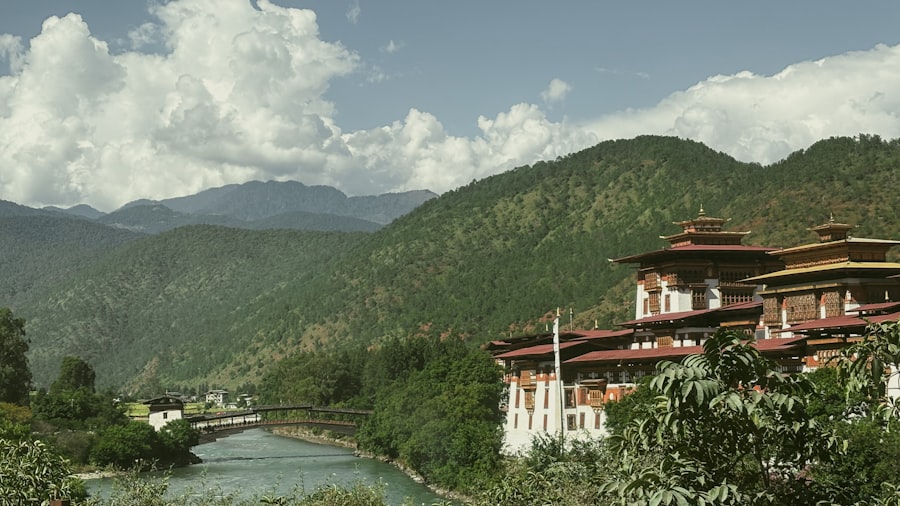
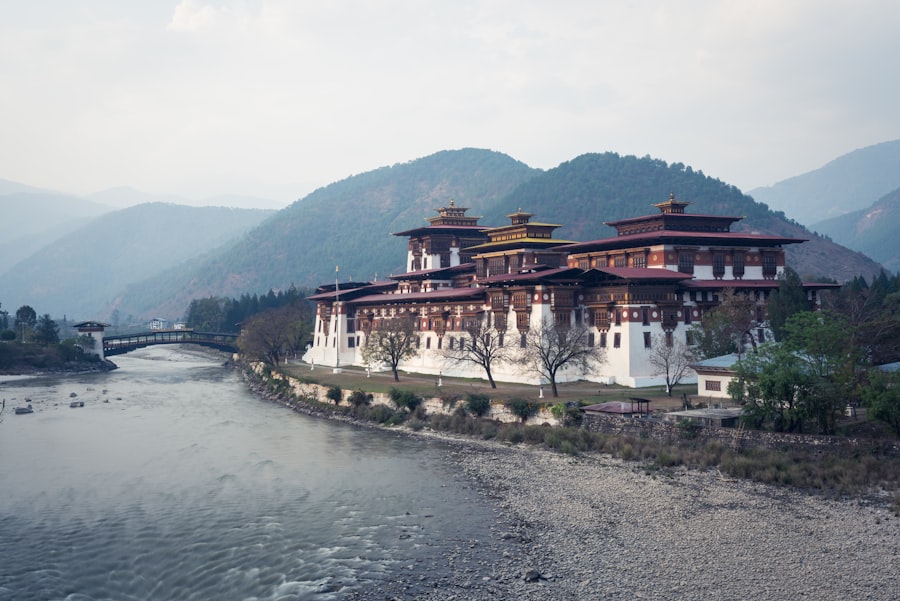
Additionally, Bhutan has enacted policies that protect its architectural heritage. The country is known for its stunning dzongs (fortresses) and monasteries, which are not only significant historical sites but also symbols of national pride. By enforcing strict building codes that require new constructions to adhere to traditional architectural styles, Bhutan aims to maintain its aesthetic integrity amidst modernization.
These efforts reflect a commitment to preserving cultural heritage while navigating the challenges posed by an evolving world.
The Impact of Bhutan’s Modern World Ban on Tourism
Tourism plays a crucial role in Bhutan’s economy, yet the government’s attempts to limit certain aspects of modernity have created a unique landscape for this sector. By implementing a high-value, low-impact tourism policy, Bhutan seeks to attract visitors who appreciate its culture and natural beauty while minimizing environmental degradation and cultural disruption. This approach has resulted in a more controlled influx of tourists, allowing the country to manage its resources effectively.
However, this strategy also presents challenges. While high-value tourism can generate significant revenue, it may not be accessible to all potential visitors due to high costs associated with travel in Bhutan. This exclusivity can lead to perceptions of elitism and may limit the diversity of experiences available to tourists.
Furthermore, as global travel trends evolve, Bhutan must remain adaptable to ensure that its tourism sector continues to thrive without compromising its cultural values.
The Role of Technology in Bhutan’s Development
While Bhutan’s attempts to ban certain aspects of modernity may seem restrictive, technology plays an essential role in the country’s development strategy. The government recognizes that embracing technology can enhance various sectors, including education, healthcare, and agriculture. For instance, initiatives aimed at improving digital literacy among citizens have been implemented to ensure that they can navigate an increasingly digital world.
Moreover, technology can serve as a tool for preserving cultural heritage rather than eroding it. Digital platforms can be utilized to document traditional practices, languages, and stories, creating a virtual archive that future generations can access. By leveraging technology thoughtfully, Bhutan can strike a balance between modernization and cultural preservation, ensuring that progress does not come at the cost of its rich heritage.
The Debate Surrounding Bhutan’s Attempt to Ban Modern World
The debate surrounding Bhutan’s attempts to limit modern influences is multifaceted and often contentious. Proponents argue that prioritizing cultural preservation is essential for maintaining national identity in an era of globalization. They contend that by resisting certain aspects of modernity, Bhutan can foster a sense of community and belonging among its citizens while promoting sustainable development practices.
Conversely, critics argue that such restrictions may hinder economic growth and limit opportunities for citizens. They assert that embracing modernity does not necessarily equate to cultural erosion; rather, it can enhance quality of life and provide access to essential services. This ongoing debate highlights the complexities inherent in Bhutan’s development model and underscores the need for a nuanced approach that considers both tradition and progress.
The Effect of Bhutan’s Policies on Economic Growth
Bhutan’s unique development policies have had mixed effects on economic growth. On one hand, prioritizing Gross National Happiness has led to investments in education and healthcare, resulting in improved quality of life for many citizens.
On the other hand, limiting certain aspects of modernization may restrict economic opportunities in some sectors. For instance, while high-value tourism generates revenue, it may not create as many jobs as mass tourism would. Additionally, restrictions on foreign investment can hinder entrepreneurial ventures that could stimulate economic growth.
As Bhutan navigates these complexities, finding a balance between preserving cultural values and fostering economic development remains a critical challenge.
The Future of Bhutan’s Approach to Modernization
Looking ahead, Bhutan’s approach to modernization will likely continue evolving as it grapples with internal and external pressures. The government faces the challenge of adapting policies that reflect changing societal needs while remaining true to its core values. Engaging younger generations in discussions about modernization will be crucial for ensuring that their voices are heard in shaping the future direction of the country.
Furthermore, as global challenges such as climate change and economic inequality become more pressing, Bhutan may need to reassess its strategies for sustainable development. By fostering innovation within traditional frameworks and embracing technology thoughtfully, Bhutan can carve out a path that honors its heritage while addressing contemporary challenges.
Lessons Learned from Bhutan’s Unique Development Model
Bhutan’s unique development model offers valuable lessons for other nations grappling with similar dilemmas between tradition and modernization. One key takeaway is the importance of prioritizing well-being over mere economic indicators. By focusing on Gross National Happiness, Bhutan emphasizes holistic development that considers social, environmental, and cultural factors alongside economic growth.
Additionally, Bhutan’s experience highlights the significance of community engagement in shaping development policies. Involving citizens in discussions about their future fosters a sense of ownership and responsibility toward preserving cultural heritage while embracing necessary advancements. This participatory approach can serve as a model for other countries seeking sustainable development pathways.
The Global Implications of Bhutan’s Attempt to Ban Modern World
Bhutan’s attempts to limit certain aspects of modernity resonate beyond its borders, prompting global discussions about cultural preservation in an age of globalization. As nations grapple with similar challenges—balancing economic growth with cultural integrity—Bhutan serves as a case study illustrating both the potential benefits and pitfalls of such an approach. The kingdom’s commitment to Gross National Happiness challenges conventional notions of progress and success, encouraging other countries to reconsider their development priorities.
As globalization continues to shape societies worldwide, Bhutan’s experience underscores the importance of finding a balance between embracing modernity and preserving cultural identity—a lesson that holds relevance for nations across diverse contexts. In conclusion, Bhutan’s journey toward balancing tradition with modernization presents both challenges and opportunities. As it navigates this complex landscape, the kingdom remains committed to preserving its unique identity while adapting to an ever-changing world—a testament to its resilience and vision for a harmonious future.
Bhutan’s unique approach to preserving its cultural heritage and environment has led to discussions about its attempts to limit the influence of the modern world. For a deeper understanding of this topic, you can read more in the article available at My Geo Quest, which explores the balance Bhutan seeks between tradition and modernity.
WATCH THIS! Gross National Happiness Is A Trap
FAQs
What is Bhutan’s attempt to ban the modern world?
Bhutan’s attempt to ban the modern world refers to the country’s efforts to preserve its traditional culture and values by limiting the influence of modern technology and globalization.
What measures has Bhutan taken to ban the modern world?
Bhutan has implemented various measures to limit the impact of the modern world, including restricting television and internet access, promoting traditional dress and architecture, and prioritizing Gross National Happiness over Gross Domestic Product.
Why is Bhutan attempting to ban the modern world?
Bhutan is attempting to ban the modern world in order to preserve its unique culture, traditions, and environment. The government believes that excessive modernization and globalization could erode Bhutan’s traditional values and way of life.
What are the potential challenges and criticisms of Bhutan’s attempt to ban the modern world?
Critics argue that Bhutan’s attempt to ban the modern world could limit access to information and opportunities for its citizens, hinder economic development, and isolate the country from the global community. Additionally, some question the effectiveness of such measures in the face of inevitable technological advancements.