
Gross National Happiness (GNH) is a unique development philosophy that originated in Bhutan, a small Himalayan kingdom. Unlike traditional measures of progress, such as Gross Domestic Product (GDP), which focus solely on economic output, GNH emphasizes the holistic well-being of individuals and communities. This innovative approach recognizes that true development must encompass not only economic growth but also social, cultural, and environmental dimensions.
The concept was first articulated by the Fourth King of Bhutan, King Jigme Singye Wangchuck, in the 1970s, who believed that the happiness of his people should be the ultimate goal of governance. The GNH framework is built on the understanding that happiness is a multi-faceted construct. It integrates various aspects of life, including mental well-being, community vitality, and ecological sustainability.
By prioritizing happiness over mere economic indicators, Bhutan has positioned itself as a pioneer in redefining progress. This approach has garnered international attention, inspiring other nations to reconsider their own metrics of success and to explore alternative pathways toward sustainable development. Here is the sentence with the link:
You can learn about Bhutan’s gross national happiness explained in this video: Bhutan gross national happiness explained.
Key Takeaways
- Gross National Happiness (GNH) is a holistic approach to development that values happiness and well-being over economic growth.
- The Four Pillars of GNH are sustainable development, preservation and promotion of culture, good governance, and environmental conservation.
- Psychological well-being is a key component of GNH, with Bhutan prioritizing mental health and happiness of its citizens.
- Bhutan is committed to environmental conservation and sustainability, with over 70% of its land designated as protected areas.
- Cultural preservation and promotion are central to Bhutan’s national identity, with efforts to safeguard traditions and heritage.
The Four Pillars of Gross National Happiness
At the heart of Gross National Happiness lie four foundational pillars that guide Bhutan’s policies and initiatives. The first pillar is sustainable and equitable socio-economic development. This pillar emphasizes the need for economic growth that benefits all segments of society, ensuring that wealth is distributed fairly and that no one is left behind.
By focusing on equitable development, Bhutan aims to create a society where everyone has access to essential services such as education, healthcare, and employment opportunities. The second pillar is conservation of the environment. Bhutan is renowned for its commitment to environmental sustainability, with over 70% of its land covered by forests.
This pillar underscores the importance of preserving natural resources and biodiversity for future generations. The government actively promotes eco-friendly practices and policies that protect the environment while fostering economic growth. This commitment to conservation not only enhances the quality of life for Bhutanese citizens but also positions the country as a global leader in environmental stewardship.
The third pillar is preservation and promotion of culture. Bhutan’s rich cultural heritage is a source of national pride and identity. This pillar emphasizes the importance of maintaining traditional values, customs, and practices while embracing modernity.
The government supports cultural initiatives that promote arts, crafts, and festivals, ensuring that future generations remain connected to their roots. By fostering a strong sense of cultural identity, Bhutan enhances social cohesion and strengthens community bonds. The fourth pillar is good governance.
Effective governance is essential for achieving GNH, as it ensures transparency, accountability, and participation in decision-making processes. Bhutan’s government prioritizes citizen engagement and strives to create an inclusive political environment where all voices are heard. By promoting good governance, Bhutan aims to build trust between the government and its citizens, ultimately contributing to the overall happiness and well-being of the population.
The Importance of Psychological Well-being in Bhutan
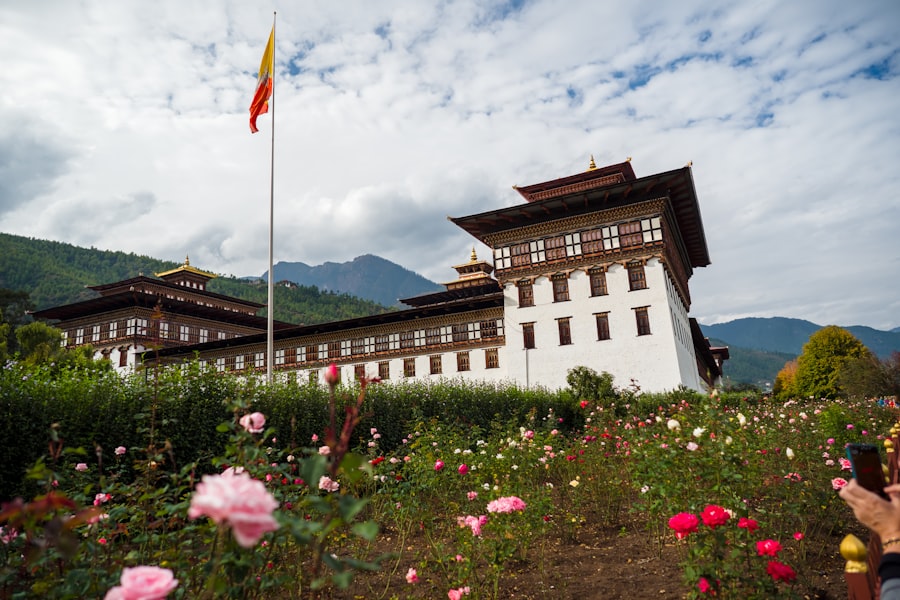
Psychological well-being is a cornerstone of Gross National Happiness in Bhutan. The government recognizes that mental health is just as important as physical health in determining overall happiness. Initiatives aimed at promoting mental well-being include community support programs, access to mental health services, and public awareness campaigns that destigmatize mental health issues.
By prioritizing psychological well-being, Bhutan seeks to create a society where individuals feel valued, supported, and empowered. Moreover, the emphasis on psychological well-being aligns with Bhutan’s cultural values, which prioritize community and social connections. In Bhutanese society, strong interpersonal relationships are seen as vital for individual happiness.
The government encourages community engagement through various programs that foster social cohesion and support networks. By nurturing these connections, Bhutan aims to enhance the overall mental health of its citizens, contributing to a more harmonious society.
Environmental Conservation and Sustainability in Bhutan
| Metrics | Data |
|---|---|
| Forest Coverage | 72.5% of total land area |
| Renewable Energy | 100% of electricity from hydropower |
| Protected Areas | 51.4% of total land area |
| Carbon Neutral | Aim to be carbon neutral by 2023 |
Environmental conservation is deeply ingrained in Bhutan’s national identity and is a fundamental aspect of Gross National Happiness. The country has made significant strides in promoting sustainable practices that protect its rich biodiversity and natural resources. One notable initiative is Bhutan’s commitment to remaining carbon negative, meaning it absorbs more carbon dioxide than it emits.
This ambitious goal reflects the government’s dedication to combating climate change while preserving the pristine environment for future generations. Bhutan’s approach to environmental sustainability extends beyond mere conservation efforts; it encompasses a holistic understanding of the interconnectedness between nature and human well-being. The government actively promotes organic farming practices, renewable energy sources, and eco-tourism as means to balance economic development with environmental protection.
By prioritizing sustainability, Bhutan not only safeguards its natural heritage but also enhances the quality of life for its citizens.
Cultural Preservation and Promotion in Bhutan
Cultural preservation is a vital component of Gross National Happiness in Bhutan. The government recognizes that a strong cultural identity fosters social cohesion and contributes to individual happiness. Efforts to promote culture include supporting traditional arts and crafts, preserving historical sites, and celebrating festivals that reflect Bhutanese heritage.
These initiatives not only enrich the lives of citizens but also attract tourists interested in experiencing Bhutan’s unique culture.
The government incorporates traditional values and practices into the national curriculum, ensuring that young people understand their cultural roots while also preparing them for a modern world.
By instilling a sense of pride in their heritage, Bhutan aims to cultivate a generation that values both tradition and innovation.
Good Governance and its Impact on Gross National Happiness
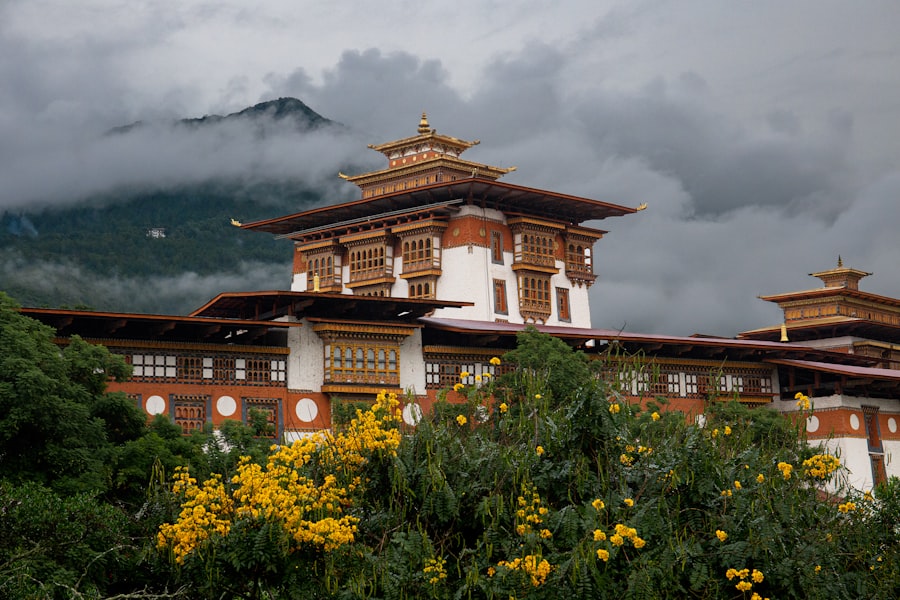
Good governance plays a crucial role in achieving Gross National Happiness in Bhutan. The government emphasizes transparency, accountability, and citizen participation in decision-making processes. By fostering an inclusive political environment, Bhutan empowers its citizens to engage actively in shaping their communities and influencing policies that affect their lives.
This participatory approach not only enhances trust between the government and its citizens but also contributes to overall societal happiness.
By prioritizing social welfare programs and public services, the government aims to improve living standards and reduce inequalities.
This commitment to equitable development aligns with the principles of GNH, reinforcing the idea that good governance is essential for fostering happiness and well-being among citizens.
The Measurement of Gross National Happiness
Measuring Gross National Happiness involves a comprehensive framework that assesses various dimensions of well-being beyond economic indicators. Bhutan employs a multidimensional index that includes factors such as psychological well-being, community vitality, cultural diversity, environmental sustainability, and governance quality. This holistic approach allows policymakers to identify areas for improvement and develop targeted initiatives that enhance overall happiness.
The GNH index serves as a valuable tool for monitoring progress over time. By regularly assessing these dimensions, the government can adapt its policies to better meet the needs of its citizens. Additionally, this measurement framework has garnered international interest as other countries seek to explore alternative metrics for assessing national progress and well-being.
Bhutan’s Policies and Initiatives to Promote Gross National Happiness
Bhutan has implemented a range of policies and initiatives aimed at promoting Gross National Happiness across various sectors. One notable initiative is the establishment of community-based programs that empower local populations to participate in decision-making processes related to development projects. These programs encourage citizen engagement and ensure that initiatives align with community needs and values.
In addition to community engagement, Bhutan has prioritized education as a means to promote GNH. The government invests in educational programs that emphasize critical thinking, creativity, and emotional intelligence alongside traditional academic subjects. By fostering a well-rounded education system, Bhutan aims to equip its citizens with the skills necessary for personal fulfillment and societal contribution.
Challenges and Criticisms of the Gross National Happiness Index
Despite its innovative approach, Gross National Happiness faces challenges and criticisms both domestically and internationally. Some critics argue that measuring happiness is inherently subjective and difficult to quantify accurately. They contend that relying on self-reported measures may not capture the complexities of individual experiences or societal dynamics.
Additionally, there are concerns about how GNH translates into tangible improvements in living standards for all citizens. While Bhutan has made significant strides in promoting happiness through various initiatives, disparities still exist between urban and rural areas regarding access to resources and opportunities. Addressing these inequalities remains a critical challenge for the government as it seeks to uphold its commitment to GNH.
The Global Impact of Bhutan’s Gross National Happiness
Bhutan’s Gross National Happiness has garnered global attention as an alternative model for measuring progress beyond traditional economic indicators. The concept has inspired discussions about well-being in various international forums, prompting countries to explore their own approaches to happiness and quality of life. As nations grapple with issues such as inequality, environmental degradation, and mental health crises, Bhutan’s emphasis on holistic well-being offers valuable insights into potential solutions.
Moreover, Bhutan’s commitment to sustainability has positioned it as a leader in environmental conservation on the global stage. The country’s efforts to remain carbon negative have resonated with international audiences seeking effective strategies for combating climate change while promoting economic development.
How Other Countries Can Learn from Bhutan’s Approach to Happiness
Other countries can draw valuable lessons from Bhutan’s approach to Gross National Happiness by prioritizing holistic well-being over mere economic growth. Emphasizing psychological well-being, environmental sustainability, cultural preservation, and good governance can create a more balanced framework for development that benefits all citizens. Additionally, fostering citizen engagement through participatory governance can empower individuals to take an active role in shaping their communities.
By creating inclusive political environments where diverse voices are heard, countries can enhance social cohesion and trust between governments and their populations. In conclusion, Bhutan’s Gross National Happiness offers a compelling model for rethinking development priorities worldwide. By focusing on happiness as a measure of progress rather than solely economic output, nations can work toward creating societies where individuals thrive both personally and collectively.
Bhutan’s unique approach to measuring progress through Gross National Happiness (GNH) has garnered global interest, highlighting the importance of well-being over traditional economic indicators. For a deeper understanding of this concept and its implications, you can explore a related article on the topic at My Geo Quest. This resource provides insights into how GNH is implemented in Bhutan and its potential influence on other nations seeking to prioritize happiness and well-being in their development policies.
WATCH THIS! Gross National Happiness Is A Trap
FAQs
What is Gross National Happiness (GNH) in Bhutan?
Gross National Happiness (GNH) is a holistic and sustainable approach to development that prioritizes the well-being and happiness of the people over economic growth. It was introduced by the fourth King of Bhutan, Jigme Singye Wangchuck, in the 1970s as a measure of progress and prosperity for the country.
How is Gross National Happiness measured in Bhutan?
The concept of GNH is measured through nine domains: psychological well-being, health, education, time use, cultural diversity and resilience, good governance, community vitality, ecological diversity and resilience, and living standards. These domains are further broken down into 33 indicators to assess the overall happiness and well-being of the Bhutanese people.
How does Bhutan prioritize Gross National Happiness in its policies?
Bhutan has integrated the principles of GNH into its governance and policy-making processes. The government of Bhutan uses the GNH Index to guide its decision-making and ensure that policies are aligned with the well-being of its citizens. This includes promoting sustainable development, environmental conservation, and cultural preservation.
What are some initiatives taken by Bhutan to promote Gross National Happiness?
Bhutan has implemented various initiatives to promote GNH, including the establishment of the Gross National Happiness Commission, which oversees the integration of GNH principles into government policies and programs. The country also prioritizes environmental conservation, cultural preservation, and sustainable development to ensure the well-being of its citizens.
Has Gross National Happiness been recognized internationally?
Yes, Gross National Happiness has gained international recognition and has been discussed in various global forums. The United Nations has adopted resolutions recognizing the pursuit of happiness as a fundamental human goal, and the concept of GNH has influenced discussions on alternative measures of progress and well-being beyond GDP.