
The Great Lakes Region, encompassing parts of the United States and Canada, is a vast and diverse area characterized by its stunning natural beauty and rich cultural heritage. Comprising five major lakes—Superior, Michigan, Huron, Erie, and Ontario—this region serves as a vital ecological and economic hub. The Great Lakes not only provide essential resources such as fresh water and fish but also support a variety of industries, including shipping, tourism, and agriculture.
The interplay of these elements has fostered a unique political culture that reflects the complexities of its history, demographics, and environmental challenges. As one of the largest freshwater ecosystems in the world, the Great Lakes hold significant importance for both local communities and the broader global context. The region’s political landscape has been shaped by a multitude of factors, including historical events, indigenous influences, and the impact of colonization.
Understanding the political culture of the Great Lakes Region requires an exploration of these diverse influences, as well as an examination of contemporary issues that continue to shape the lives of its inhabitants.
Key Takeaways
- The Great Lakes Region is a diverse and multicultural area with a rich political history.
- Indigenous peoples have had a significant influence on the political culture of the Great Lakes Region.
- European colonization has had a lasting impact on the political culture of the Great Lakes Region.
- The development of political institutions in the Great Lakes Region has been shaped by historical and contemporary factors.
- Trade and commerce have played a significant role in shaping the political culture of the Great Lakes Region.
Historical Overview of Political Culture
The political culture of the Great Lakes Region has evolved over centuries, influenced by a myriad of historical events and social movements. Initially inhabited by various Indigenous tribes, the region was characterized by a decentralized political structure that emphasized communal decision-making and respect for the land. These early governance systems laid the groundwork for future political developments, as they prioritized sustainability and community well-being over individual gain.
With the arrival of European settlers in the 17th century, the political landscape began to shift dramatically. Colonization introduced new governance models that often clashed with Indigenous practices. The establishment of colonial governments marked the beginning of a more hierarchical political culture, which was further complicated by conflicts over land and resources.
This historical backdrop is essential for understanding the complexities of contemporary political culture in the Great Lakes Region.
Influence of Indigenous Peoples on Political Culture
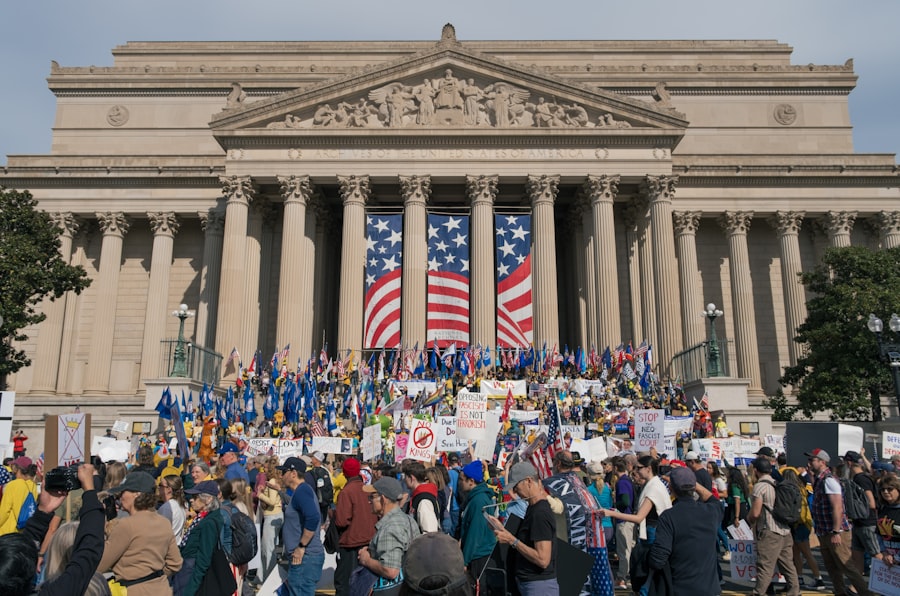
Indigenous peoples have played a crucial role in shaping the political culture of the Great Lakes Region. Their governance systems, which emphasized consensus-building and respect for nature, have influenced contemporary political thought and practices. Many Indigenous tribes operated under systems that valued collective decision-making, where leaders were chosen based on their ability to represent community interests rather than through hereditary succession.
This approach fostered a sense of responsibility towards both people and the environment, principles that resonate with modern environmental movements. Moreover, Indigenous peoples have been at the forefront of advocating for their rights and sovereignty in the face of colonization and ongoing marginalization. Their struggles for recognition and justice have highlighted the importance of including diverse voices in political discourse.
The resurgence of Indigenous activism has not only brought attention to historical injustices but has also prompted broader discussions about land rights, environmental stewardship, and cultural preservation. As such, Indigenous influences continue to be a vital component of the region’s evolving political culture.
Impact of European Colonization on Political Culture
| Aspect | Impact |
|---|---|
| Government Structure | Introduction of centralized government systems |
| Legal Systems | Implementation of European legal frameworks |
| Political Institutions | Establishment of European-style political institutions |
| Political Participation | Changes in political participation and representation |
| Political Ideologies | Adoption of European political ideologies |
European colonization had a profound impact on the political culture of the Great Lakes Region, introducing new governance structures that often disregarded Indigenous practices. The French, British, and later American settlers imposed their own legal systems and political ideologies, which prioritized property rights and individualism over communal well-being. This shift led to significant changes in land ownership patterns and resource management, often resulting in the displacement of Indigenous communities.
The establishment of colonial governments also introduced concepts such as representative democracy and civil rights, which would later become foundational to American political culture. However, these ideals were frequently applied selectively, reinforcing existing power dynamics that marginalized Indigenous peoples and other minority groups. The legacy of colonization continues to influence contemporary political debates in the region, particularly regarding issues of land use, environmental justice, and social equity.
Development of Political Institutions in the Great Lakes Region
The development of political institutions in the Great Lakes Region has been shaped by its unique historical context and demographic diversity. Following independence from British rule, states such as Michigan, Wisconsin, and Ohio established their own governments, reflecting a blend of democratic principles and local traditions. These institutions were designed to address the needs of rapidly growing populations while grappling with issues related to land use, resource management, and social welfare.
Over time, political institutions in the region have evolved to become more inclusive, although challenges remain. The establishment of various agencies aimed at protecting natural resources and promoting sustainable development reflects a growing recognition of environmental issues within political discourse. Additionally, grassroots movements have emerged to advocate for marginalized communities, pushing for reforms that address systemic inequalities.
As these institutions continue to adapt to changing societal needs, they play a crucial role in shaping the region’s political culture.
Role of Trade and Commerce in Shaping Political Culture
Trade and commerce have been integral to the development of political culture in the Great Lakes Region. The strategic location of the Great Lakes has historically made it a hub for trade routes connecting Canada and the United States. This economic interdependence has fostered collaboration between states and provinces while also creating competition for resources and markets.
The economic prosperity generated by trade has influenced political priorities, often leading to policies that favor business interests over environmental or social concerns. The rise of industries such as shipping, manufacturing, and agriculture has further shaped political dynamics in the region. Economic interests often drive policy decisions related to infrastructure development, labor rights, and environmental regulations.
As communities grapple with the impacts of globalization and technological advancements, debates surrounding trade agreements and economic equity have become increasingly prominent in political discourse. The interplay between commerce and politics continues to shape the identity and priorities of the Great Lakes Region.
Diversity and Multiculturalism in the Great Lakes Region
The Great Lakes Region is characterized by its rich diversity and multiculturalism, which have significantly influenced its political culture. A melting pot of various ethnicities, languages, and traditions, this region reflects a tapestry of cultural identities that enrich its social fabric. The presence of immigrant communities has contributed to a dynamic political landscape where multiple perspectives are represented.
This diversity has also led to both challenges and opportunities within the political sphere. While multiculturalism can foster inclusivity and innovation in policy-making, it can also give rise to tensions as different groups vie for recognition and resources. Efforts to promote equity and representation have become central to contemporary political discussions in the region.
Advocacy for policies that address systemic inequalities is increasingly seen as essential for fostering social cohesion and ensuring that all voices are heard in the decision-making process.
Environmental Policies and Political Culture
Environmental issues are at the forefront of political discourse in the Great Lakes Region due to its unique ecological characteristics and economic reliance on natural resources. The lakes themselves are vital ecosystems that support diverse wildlife while providing drinking water for millions. As concerns about climate change, pollution, and habitat destruction grow, environmental policies have become increasingly intertwined with political culture.
The region has witnessed a rise in grassroots movements advocating for sustainable practices and environmental justice. These movements often emphasize the need for policies that prioritize ecological health alongside economic development. Political leaders are increasingly recognizing that addressing environmental challenges requires collaboration across borders—both between states within the U.S.
and between Canada and the U.S.—to protect shared resources effectively. As environmental issues continue to shape public opinion and policy decisions, they play a crucial role in defining the region’s political culture.
Influence of Great Lakes on Political Decision Making
The Great Lakes themselves exert a significant influence on political decision-making processes within the region. As one of the largest freshwater systems globally, they are not only vital for local economies but also serve as a critical resource for surrounding communities. Issues related to water quality, access to resources, and conservation efforts are central to political discussions at both state and federal levels.
The lakes’ ecological health is closely tied to economic interests such as fishing, tourism, and shipping industries. Consequently, policymakers must navigate complex trade-offs between economic development and environmental protection when making decisions that impact these vital resources. Collaborative efforts among states bordering the Great Lakes have led to initiatives aimed at addressing shared challenges such as invasive species management and pollution control.
This collaborative approach reflects an understanding that effective governance requires cooperation across jurisdictions to safeguard this precious resource.
Contemporary Political Issues in the Great Lakes Region
Contemporary political issues in the Great Lakes Region are multifaceted and reflect broader national trends while also addressing local concerns. Topics such as climate change adaptation, infrastructure development, healthcare access, education reform, and social justice are at the forefront of public discourse. The region’s diverse population means that these issues often intersect with questions of equity and representation.
In recent years, debates surrounding water rights have gained prominence due to concerns about contamination from industrial activities and agricultural runoff. Additionally, discussions about immigration policy have become increasingly relevant as communities grapple with demographic changes resulting from migration patterns. As citizens engage with these pressing issues through activism and advocacy efforts, they contribute to an evolving political culture that seeks to address both historical injustices and contemporary challenges.
Future Outlook for Political Culture in the Great Lakes Region
The future outlook for political culture in the Great Lakes Region is shaped by its rich history, diverse population, and pressing contemporary issues. As communities continue to navigate challenges related to environmental sustainability, social equity, and economic development, there is potential for transformative change within the region’s political landscape. The ongoing influence of Indigenous voices alongside grassroots movements advocating for justice suggests a growing recognition of the need for inclusive governance.
Moreover, as climate change poses increasing threats to natural resources and public health, there is an opportunity for collaborative efforts across borders to address these challenges effectively. By fostering dialogue among diverse stakeholders—ranging from policymakers to community activists—the Great Lakes Region can cultivate a political culture that prioritizes sustainability while honoring its rich cultural heritage. Ultimately, embracing diversity and inclusivity will be essential for shaping a resilient future that reflects the values and aspirations of all its inhabitants.
For a deeper understanding of how these factors shape the political landscape, you can explore the article on MyGeoQuest, which provides insights into regional dynamics and their implications for governance. Check it out here: MyGeoQuest.
WATCH THIS! The Map You Trust Is A Lie: Why America Is Really 11 Rival Nations
FAQs
What is the political culture of the Great Lakes region?
The political culture of the Great Lakes region is characterized by a diverse mix of political ideologies, including liberal, conservative, and moderate viewpoints. The region is known for its strong emphasis on issues related to the environment, economy, and social welfare.
Which states are included in the Great Lakes region?
The Great Lakes region includes the states of Illinois, Indiana, Michigan, Minnesota, New York, Ohio, Pennsylvania, and Wisconsin. These states are all located in close proximity to the Great Lakes and share common economic and environmental interests.
What are some key political issues in the Great Lakes region?
Key political issues in the Great Lakes region include environmental conservation and protection, economic development, trade and commerce, healthcare, education, and infrastructure. The region’s proximity to the Great Lakes also makes water quality and management a significant political concern.
How does the political culture of the Great Lakes region influence national politics?
The political culture of the Great Lakes region has a significant influence on national politics, as the region is home to a large population and plays a crucial role in presidential elections. The region’s diverse political viewpoints and key issues often shape the national political agenda and policy decisions.