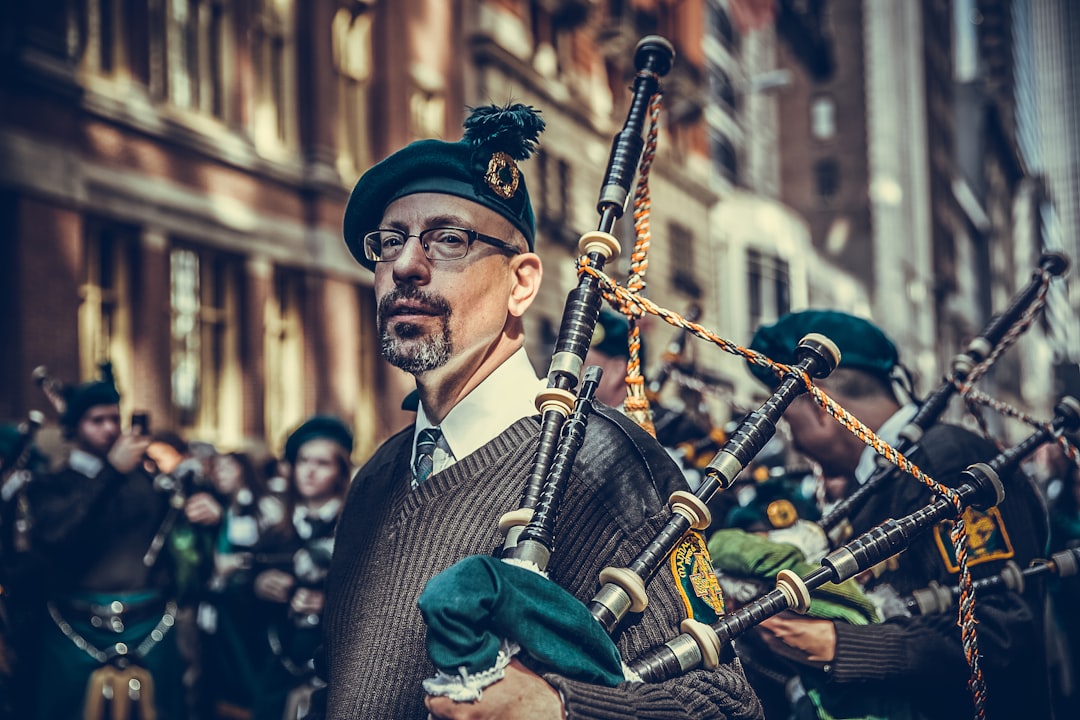
The Scots-Irish Code of Honor has its roots deeply embedded in the tumultuous history of the Scottish Highlands and the rugged landscapes of Ireland. Emerging from a backdrop of clan warfare, social strife, and a quest for identity, this code was not merely a set of rules but a way of life that shaped the very essence of those who adhered to it. The Scots-Irish people, who migrated from Scotland to Ireland and eventually to America, carried with them a rich tapestry of traditions and values that emphasized honor, loyalty, and personal integrity.
This code was forged in the fires of conflict and survival, where the stakes were often life and death, and where one’s word was as binding as any written contract. As these communities faced external threats and internal challenges, the Code of Honor became a unifying force. It provided a framework for behavior that was essential for maintaining social order and cohesion among clans and families.
The principles of bravery, respect, and loyalty were not just ideals; they were necessary for survival in a world where trust was often hard to come by. The Scots-Irish Code of Honor thus emerged as a vital cultural artifact, reflecting the values and experiences of a people who had endured hardship and displacement yet remained steadfast in their commitment to one another.
Key Takeaways
- The Scots-Irish code of honor has its origins in the traditions of Scottish and Irish cultures, blending elements of both to form a unique set of values and principles.
- Integrity is highly valued in Scots-Irish culture, with an emphasis on honesty, loyalty, and keeping one’s word.
- Honor plays a significant role in Scots-Irish society, influencing personal conduct, decision-making, and relationships within the community.
- The code of conduct for Scots-Irish men and women includes expectations of bravery, self-reliance, and respect for others, shaping their interactions and behaviors.
- The legacy of the Scots-Irish code of honor has had a lasting impact on American society, particularly in shaping the values and traditions of Scots-Irish communities.
The Influence of Scottish and Irish Traditions
The Scots-Irish Code of Honor is a unique amalgamation of Scottish and Irish traditions, each contributing distinct elements to the overall ethos. From the Scottish side, the influence of clan loyalty and the warrior spirit is evident. The Highland clans were known for their fierce loyalty to one another, often engaging in battles to defend their honor and territory.
This sense of kinship extended beyond mere blood relations; it encompassed all who shared the clan’s name and values. The Scottish emphasis on bravery in battle and the importance of defending one’s honor laid the groundwork for many aspects of the Scots-Irish Code. Conversely, Irish traditions brought their own rich heritage to the code.
The Irish have long celebrated hospitality, storytelling, and community bonds. These values emphasized the importance of relationships and mutual respect among individuals. The blending of these two cultures created a distinctive code that valued not only personal honor but also the well-being of the community as a whole.
This dual influence fostered a sense of responsibility among Scots-Irish individuals to uphold their family’s name while also contributing positively to their communities.
The Importance of Integrity in Scots-Irish Culture
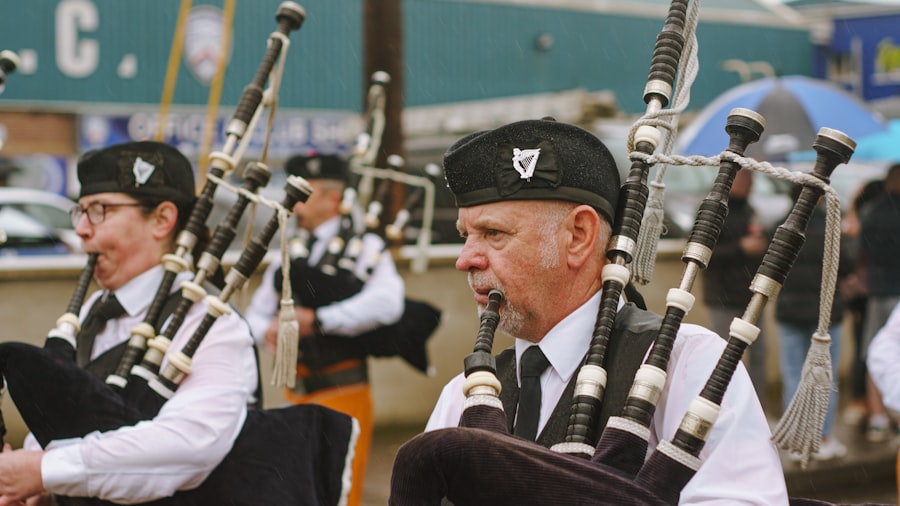
Integrity stands as a cornerstone of Scots-Irish culture, deeply intertwined with the Code of Honor. For the Scots-Irish, integrity is not merely about honesty; it encompasses a broader commitment to moral principles and ethical behavior. Individuals are expected to act in accordance with their values, even when faced with difficult choices.
This unwavering commitment to integrity fosters trust within families and communities, creating an environment where individuals can rely on one another. Moreover, integrity is often viewed as a reflection of one’s character. In Scots-Irish culture, a person’s reputation is paramount; it can take years to build but can be tarnished in an instant.
Therefore, individuals are encouraged to live authentically and uphold their commitments. This emphasis on integrity not only strengthens personal relationships but also reinforces community bonds, as individuals work together to uphold shared values and standards.
The Role of Honor in Scots-Irish Society
| Aspect | Metrics |
|---|---|
| Importance of Honor | High value placed on personal and family honor |
| Code of Conduct | Adherence to a strict code of conduct and ethics |
| Reputation | Significant emphasis on maintaining a good reputation |
| Conflict Resolution | Use of honor-based methods for resolving disputes |
| Impact on Society | Shaping social interactions and community dynamics |
Honor plays a pivotal role in shaping the social fabric of Scots-Irish society. It serves as both a guiding principle and a measure of one’s worth within the community. The concept of honor is multifaceted; it encompasses personal dignity, respect for others, and adherence to societal norms.
In this context, honor is not merely an abstract idea but a tangible quality that individuals strive to embody in their daily lives. In practical terms, honor manifests itself in various ways—through acts of bravery, loyalty to family and friends, and a commitment to justice. For instance, defending one’s family or standing up against injustice is seen as an honorable act that elevates an individual’s status within the community.
Conversely, dishonorable behavior can lead to ostracism or loss of respect, reinforcing the importance of maintaining one’s honor at all costs. This societal emphasis on honor creates a culture where individuals are motivated to act ethically and responsibly.
The Code of Conduct for Scots-Irish Men and Women
The Code of Conduct for Scots-Irish men and women is characterized by specific expectations that reflect their cultural values. For men, qualities such as bravery, strength, and leadership are highly esteemed. They are expected to protect their families and communities while demonstrating courage in the face of adversity.
This expectation often translates into a willingness to engage in physical confrontations if necessary, as defending one’s honor is paramount. Women in Scots-Irish culture also play a vital role in upholding the Code of Conduct. They are often seen as the moral backbone of families, responsible for nurturing relationships and instilling values in future generations.
Qualities such as compassion, loyalty, and wisdom are celebrated among women, who are expected to support their families while also contributing to community well-being. Together, men and women embody the principles of the Code of Honor, creating a balanced dynamic that reinforces the importance of both strength and nurturing within Scots-Irish society.
The Legacy of the Scots-Irish Code of Honor in America
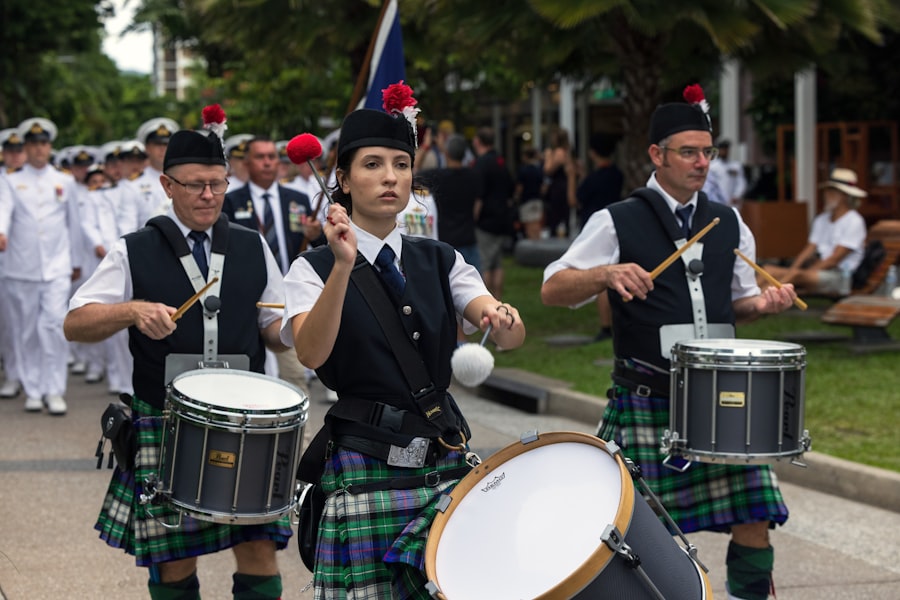
As Scots-Irish immigrants settled in America during the 18th and 19th centuries, they brought with them their rich cultural heritage and the Code of Honor that defined their identity. This legacy has had a profound impact on American society, particularly in regions where Scots-Irish communities flourished, such as Appalachia and parts of the South. The values embedded in the Code—such as loyalty, integrity, and resilience—have influenced American culture in various ways.
The Scots-Irish legacy can be seen in numerous aspects of American life, from music and storytelling traditions to social customs and community organization. The emphasis on individualism and self-reliance resonates with broader American ideals while also reflecting the unique experiences of Scots-Irish immigrants. Their contributions have enriched American culture, creating a tapestry that celebrates diversity while honoring shared values rooted in honor and integrity.
How the Code of Honor has Shaped Scots-Irish Communities
The Code of Honor has played an instrumental role in shaping Scots-Irish communities throughout history. It has fostered a sense of belonging among individuals who share common values and experiences. In these communities, adherence to the Code creates strong social networks where individuals support one another through life’s challenges.
This interconnectedness is particularly evident during times of crisis when community members rally together to uphold one another’s honor. Moreover, the Code has influenced community governance and decision-making processes. Leaders within Scots-Irish communities are often chosen based on their adherence to the principles outlined in the Code of Honor.
This ensures that those in positions of authority are respected individuals who embody integrity and honor. As a result, community cohesion is strengthened, allowing for collective action toward common goals while preserving cultural traditions.
The Impact of the Code of Honor on Family and Community Relationships
The impact of the Scots-Irish Code of Honor on family and community relationships cannot be overstated. Within families, adherence to the Code fosters strong bonds built on trust and mutual respect. Parents instill these values in their children from an early age, emphasizing the importance of integrity and loyalty.
As children grow up understanding these principles, they carry them into adulthood, perpetuating a cycle that reinforces family unity. In broader community contexts, relationships are often defined by shared commitments to honor and integrity. Neighbors look out for one another, creating an environment where individuals feel safe and supported.
As individuals uphold their commitments to one another based on the Code of Honor, they contribute to a culture that prioritizes collaboration over competition.
The Resilience of the Scots-Irish Code of Honor Through Generations
The resilience of the Scots-Irish Code of Honor through generations speaks volumes about its significance within these communities. Despite facing numerous challenges—such as economic hardship, cultural assimilation pressures, or social changes—the core principles have remained steadfastly intact. This resilience can be attributed to the deep-rooted belief in honor as an essential aspect of identity.
As each generation passes down stories that embody these values—tales of bravery, loyalty, and integrity—the Code continues to thrive. Elders play a crucial role in this transmission process by sharing experiences that highlight the importance of upholding one’s honor even in difficult circumstances. Through storytelling and communal gatherings, younger generations learn about their heritage while internalizing the principles that define their identity as Scots-Irish individuals.
The Relevance of the Code of Honor in Modern Society
In today’s rapidly changing world, the relevance of the Scots-Irish Code of Honor remains significant despite evolving societal norms. As individuals navigate complex social landscapes marked by ambiguity and uncertainty, principles such as integrity and loyalty provide essential guidance for ethical decision-making. In an era where trust can be elusive, adhering to these time-honored values fosters stronger relationships both personally and professionally.
Moreover, as communities grapple with issues such as division or conflict resolution, returning to foundational principles rooted in honor can serve as a unifying force. By emphasizing shared values over differences—whether cultural or ideological—individuals can work collaboratively toward common goals while respecting one another’s dignity.
Preserving and Upholding the Scots-Irish Code of Honor for Future Generations
Preserving and upholding the Scots-Irish Code of Honor for future generations is crucial for maintaining cultural identity amidst globalization’s challenges. Families play an essential role in this preservation process by actively teaching children about their heritage through stories, traditions, and communal activities that emphasize core values associated with honor. Community organizations also contribute significantly by creating spaces where individuals can gather to celebrate their shared history while reinforcing commitments to uphold these principles collectively.
In conclusion, the Scots-Irish Code of Honor represents more than just a set of guidelines; it embodies a way of life that has shaped identities across generations. Its origins rooted in historical struggles have given rise to enduring values that continue to resonate today—values that promote integrity within families while fostering strong community bonds built on mutual respect.
As society evolves around them, those who identify with this rich heritage must remain vigilant stewards—preserving these principles so they may endure long into the future.
The Scots-Irish honor culture has deep roots in the historical context of the Appalachian region, influencing social dynamics and community interactions. For a more in-depth exploration of this topic, you can read the article on MyGeoQuest, which delves into the cultural heritage and its implications in modern society. Check it out here: MyGeoQuest.
WATCH THIS! The Map You Trust Is A Lie: Why America Is Really 11 Rival Nations
FAQs
What is Scots-Irish honor culture?
Scots-Irish honor culture refers to the cultural values and traditions of the Scots-Irish people, particularly in the United States. It is characterized by a strong emphasis on personal honor, loyalty to family and community, and a willingness to defend one’s reputation through acts of bravery and resilience.
What are the key elements of Scots-Irish honor culture?
Key elements of Scots-Irish honor culture include a strong sense of personal honor, a commitment to family and community, a deep respect for tradition and heritage, and a willingness to confront challenges with courage and determination.
How does Scots-Irish honor culture manifest in everyday life?
In everyday life, Scots-Irish honor culture may manifest through a strong work ethic, a commitment to self-reliance, a focus on maintaining one’s reputation and standing within the community, and a readiness to defend oneself and one’s loved ones when faced with adversity.
What are some examples of Scots-Irish honor culture in history?
Examples of Scots-Irish honor culture in history include the role of Scots-Irish immigrants in shaping the frontier culture of the American South and Appalachia, their participation in military conflicts such as the American Revolution and the Civil War, and their contributions to the development of American folk music and storytelling traditions.
How does Scots-Irish honor culture influence contemporary society?
Scots-Irish honor culture continues to influence contemporary society through its impact on regional identities, cultural traditions, and social values in areas with significant Scots-Irish heritage, such as the American South and parts of Appalachia. It also contributes to the resilience and determination of individuals and communities facing challenges and adversity.