
The landscape of American politics is often characterized by stark regional divides that shape the nation’s electoral outcomes and policy decisions. These divides are not merely geographical; they encompass a complex interplay of cultural, economic, and social factors that influence the political ideologies and affiliations of different regions. From the conservative strongholds of the South to the liberal bastions of the Northeast, each area of the United States has developed its own unique political identity.
Understanding these regional divides is crucial for comprehending the broader dynamics of American governance and electoral behavior. As the nation continues to evolve, the significance of these regional distinctions becomes increasingly apparent. Political campaigns are often tailored to resonate with specific regional concerns, and national parties must navigate these divides to secure electoral victories.
The polarization between regions can lead to a fragmented political landscape, where cooperation and compromise become challenging. This article will explore the historical context of regional divides, examine the political climates of various regions, and discuss the implications of these divides on national elections and governance.
Key Takeaways
- Regional divides in American politics have a long history and continue to shape the political landscape of the country.
- The South has historically been a stronghold for conservative politics, while the Northeast has leaned more liberal.
- The Midwest is often considered a swing region, with a mix of conservative and liberal tendencies.
- The West is known for its independent streak and diverse political landscape.
- Urban and rural areas often have distinct political leanings, contributing to the overall regional divides in American politics.
Historical Context of Regional Divides
The roots of regional divides in American politics can be traced back to the early days of the nation. The founding fathers recognized the diverse interests and values that existed across different areas, leading to a federal system designed to accommodate these differences. The Civil War further exacerbated regional tensions, as the North and South clashed over issues such as slavery and states’ rights.
This conflict not only shaped the political landscape of the 19th century but also laid the groundwork for enduring regional identities that persist to this day. In the decades following the Civil War, industrialization and urbanization began to reshape American society. The Northeast emerged as an economic powerhouse, while the South grappled with the legacies of its agrarian past.
The Great Migration saw millions of African Americans move from rural Southern areas to urban centers in the North, further complicating regional dynamics. As these demographic shifts occurred, political allegiances began to realign, with parties adapting their platforms to appeal to changing populations. Understanding this historical context is essential for grasping how regional divides have evolved and continue to influence contemporary politics.
The South and Southern Politics

Southern politics is often characterized by a unique blend of conservatism, tradition, and a strong sense of community. The region has a rich history that informs its political landscape, with issues such as race, religion, and economic development playing pivotal roles in shaping voter behavior. The South has traditionally leaned Republican in recent decades, driven by a combination of cultural conservatism and opposition to federal intervention.
This shift can be traced back to the civil rights movement, which galvanized many white Southern voters to align with the Republican Party in response to perceived threats to their way of life. Moreover, Southern politics is heavily influenced by evangelical Christianity, which plays a significant role in mobilizing voters around social issues such as abortion and marriage equality. The prominence of religious institutions in Southern communities often translates into political activism, with churches serving as hubs for organizing and campaigning.
This intertwining of faith and politics creates a distinct political culture that sets the South apart from other regions. As a result, understanding Southern politics requires an appreciation for its historical roots and cultural nuances.
The Northeast and Northeastern Politics
| State | Capital | Population | Governor |
|---|---|---|---|
| Maine | Augusta | 1,344,212 | Janet Mills |
| New Hampshire | Concord | 1,377,529 | Chris Sununu |
| Vermont | Montpelier | 643,077 | Phil Scott |
| Massachusetts | Boston | 6,892,503 | Charlie Baker |
| Rhode Island | Providence | 1,059,361 | Gina Raimondo |
| Connecticut | Hartford | 3,565,287 | Ned Lamont |
| New York | Albany | 19,453,561 | Andrew Cuomo |
In stark contrast to the South, the Northeast is often viewed as a bastion of liberalism and progressive values. This region has historically been at the forefront of social change, championing issues such as civil rights, environmental protection, and healthcare reform. The concentration of urban centers like New York City, Boston, and Philadelphia contributes to a diverse electorate that tends to prioritize social justice and economic equality in its political discourse.
The Democratic Party has found substantial support in the Northeast, where voters are often more receptive to government intervention in addressing societal issues. This political alignment is reflected in policies aimed at expanding access to education, healthcare, and social services. However, the Northeast is not without its own challenges; economic disparities between urban and rural areas can create tensions within the region.
As cities thrive with innovation and opportunity, rural communities may feel left behind, leading to a complex interplay of interests that shapes Northeastern politics.
The Midwest and Midwestern Politics
The Midwest occupies a unique position in American politics, often seen as a microcosm of the nation itself. Known for its agricultural roots and manufacturing base, this region has historically been a swing area in elections, with voters oscillating between Democratic and Republican candidates based on prevailing economic conditions. The Midwest’s political identity is shaped by its diverse demographics, including urban centers like Chicago and Detroit alongside vast rural landscapes.
Many traditional manufacturing jobs have disappeared, leading to economic dislocation in certain communities. This has fueled populist sentiments among voters who feel neglected by both major parties.
As a result, candidates who can effectively address economic concerns while appealing to Midwestern values of hard work and community are often successful in this region.
The West and Western Politics
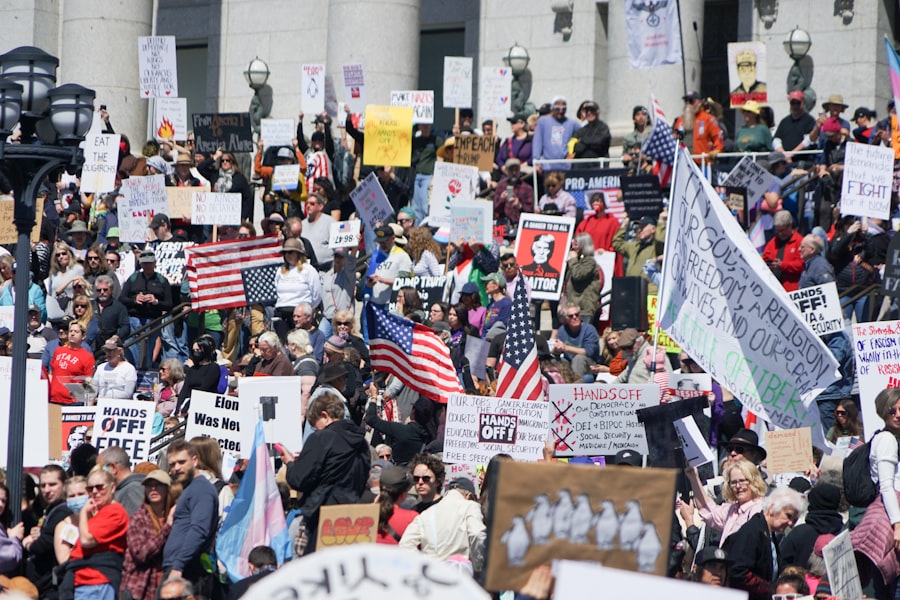
The West is characterized by its vast landscapes, cultural diversity, and a spirit of independence that permeates its political culture. States like California, Colorado, and Washington have emerged as leaders in progressive policies related to environmental protection, immigration reform, and social justice. The region’s political landscape is shaped by a combination of urban liberalism in coastal cities and more conservative rural areas.
Western politics also reflect a strong emphasis on individualism and personal freedom. Issues such as gun rights and land use often dominate political discourse in this region. Additionally, the West has seen significant demographic changes due to immigration from both domestic and international sources, leading to a more diverse electorate that influences policy priorities.
As Western states continue to grapple with challenges such as climate change and housing affordability, their political dynamics will likely evolve further.
One of the most pronounced divides in American politics today is between urban and rural areas. Urban centers tend to lean Democratic, driven by younger populations who prioritize progressive policies on issues like climate change, healthcare access, and social justice. In contrast, rural areas often align with Republican values that emphasize individualism, traditional family structures, and skepticism toward government intervention.
This urban-rural divide has significant implications for national elections. Candidates must navigate these contrasting priorities while appealing to both constituencies. The polarization between urban and rural voters can lead to heightened tensions during election cycles, as each side perceives the other as out of touch with their realities.
Understanding this divide is crucial for any analysis of contemporary American politics.
Economic Disparities and Political Influence
Economic disparities play a critical role in shaping regional political dynamics across the United States. Wealthier regions often have different priorities than those struggling with poverty or unemployment. For instance, affluent urban areas may advocate for policies that promote innovation and sustainability, while economically disadvantaged regions may prioritize job creation and infrastructure development.
These economic divides can influence voter behavior significantly. Regions experiencing economic hardship may gravitate toward populist candidates who promise change or challenge established political norms. Conversely, wealthier areas may support candidates who advocate for progressive taxation or social programs aimed at addressing inequality.
As economic conditions fluctuate over time, so too do the political allegiances of various regions.
Cultural and Social Factors in Regional Politics
Cultural identity plays an essential role in shaping regional politics across America. Factors such as race, religion, education level, and historical experiences contribute to distinct political cultures within each region. For example, areas with strong religious affiliations may prioritize social conservatism in their political choices, while more secular regions might lean toward progressive values.
Social issues such as immigration also evoke strong regional responses based on cultural attitudes toward diversity and inclusion. Regions with higher immigrant populations may embrace multiculturalism and advocate for comprehensive immigration reform, while others may adopt more restrictive policies reflecting fears about cultural dilution or economic competition. These cultural factors create a rich tapestry of political identities that influence electoral outcomes across the nation.
Impact of Regional Divides on National Elections
The impact of regional divides on national elections cannot be overstated. As candidates campaign across various states, they must tailor their messages to resonate with diverse audiences shaped by local concerns and values. This necessity often leads to a patchwork approach where candidates adopt different stances on issues depending on their audience’s preferences.
Moreover, regional divides can lead to electoral outcomes that reflect broader national trends but also highlight local nuances. For instance, while a candidate may win nationally by appealing to urban voters’ progressive values, they may struggle in rural areas where conservative ideologies dominate.
Strategies for Bridging Regional Divides in American Politics
To address the challenges posed by regional divides in American politics, several strategies can be employed to foster dialogue and understanding among different constituencies. One approach involves promoting cross-regional collaboration on shared issues such as economic development or environmental sustainability. By focusing on common goals rather than divisive rhetoric, stakeholders can work together toward solutions that benefit all regions.
Additionally, investing in education initiatives that promote civic engagement can help bridge gaps between urban and rural populations. Encouraging open discussions about differing perspectives can foster empathy and understanding among voters who may feel alienated from one another due to their geographic or cultural backgrounds. Ultimately, bridging these divides requires a commitment from both political leaders and citizens alike to engage constructively with one another in pursuit of a more unified political landscape.
In conclusion, regional divides are an integral part of American politics that shape electoral outcomes and policy decisions across the nation. By understanding these divides’ historical context, cultural influences, economic disparities, and social factors, one can gain insight into the complexities of contemporary governance in the United States. Addressing these challenges will require concerted efforts from all stakeholders involved—politicians, citizens, and community leaders alike—to foster dialogue and collaboration across regions for a more cohesive future.
Regional differences in American politics can significantly influence electoral outcomes and policy preferences across the country. For a deeper understanding of how these variations manifest in different areas, you can explore the article on regional political dynamics at this link. This article delves into the factors that contribute to the distinct political landscapes found in various regions, highlighting the cultural, economic, and historical influences that shape voter behavior and party affiliation.
WATCH THIS! The Map You Trust Is A Lie: Why America Is Really 11 Rival Nations
FAQs
What are the regional differences in American politics?
There are significant regional differences in American politics, with the country often being divided into regions such as the Northeast, South, Midwest, and West. These regions have distinct political cultures, voting patterns, and policy preferences.
What are some examples of regional differences in American politics?
Some examples of regional differences in American politics include the South’s historical conservative leanings, the Northeast’s liberal tendencies, the Midwest’s mix of conservative and liberal areas, and the West’s libertarian streak.
How do regional differences in American politics impact elections?
Regional differences in American politics can impact elections by influencing voter turnout, candidate appeal, and policy priorities. Candidates often tailor their campaigns to appeal to the specific political cultures and issues of different regions.
What factors contribute to regional differences in American politics?
Factors contributing to regional differences in American politics include historical settlement patterns, demographic composition, economic industries, and cultural values. These factors shape the political attitudes and behaviors of residents in each region.
How do regional differences in American politics affect policy-making?
Regional differences in American politics can affect policy-making by creating challenges in achieving consensus on national issues. Different regions may have conflicting interests and priorities, making it difficult to pass legislation that satisfies all regions.