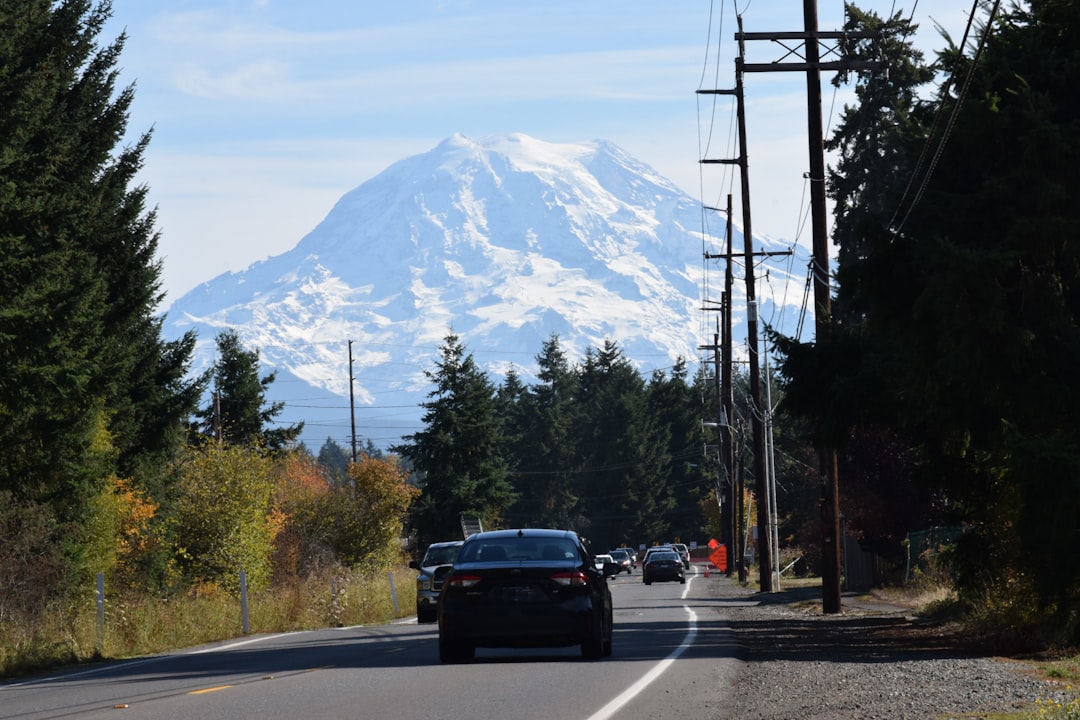
State lines serve as the invisible yet palpable boundaries that delineate one jurisdiction from another within a nation. These lines, often marked by signs or natural features, are more than mere geographical demarcations; they represent a complex interplay of history, culture, politics, and economics. The significance of state lines extends beyond their physical presence, influencing the lives of millions who navigate the various rules, regulations, and identities that accompany them.
As individuals traverse these boundaries, they encounter a myriad of differences that can shape their experiences in profound ways. Understanding state lines requires an exploration of their origins and the implications they carry. They are not just arbitrary divisions; rather, they are the result of historical events, treaties, and negotiations that have shaped the political landscape over centuries.
The impact of these lines is felt in everyday life, from the laws governing education and healthcare to the cultural identities that emerge in different regions. As society evolves, so too does the conversation surrounding state lines, prompting discussions about their relevance and the potential for change in an increasingly interconnected world.
Key Takeaways
- State lines have a significant impact on communities, economies, politics, and the environment.
- Historical context and cultural divides play a role in shaping state borders and their implications.
- Economic disparities across state lines can create challenges for businesses and individuals.
- Legal and jurisdictional challenges often arise at state borders, affecting law enforcement and governance.
- Efforts to overcome state line boundaries include regional cooperation and cross-border initiatives.
The Historical Context of State Borders
The history of state borders is a tapestry woven from conflict, negotiation, and compromise.
The Louisiana Purchase in 1803, for instance, significantly altered the map of the nation, leading to new states being carved out of vast territories.
Similarly, the westward expansion fueled by the Gold Rush and Manifest Destiny resulted in borders being drawn hastily, often disregarding the cultural and social landscapes already present. Moreover, historical treaties and wars have played a crucial role in shaping state lines. The Treaty of Guadalupe Hidalgo in 1848, which ended the Mexican-American War, resulted in significant territorial gains for the United States but also left a legacy of cultural tension along the newly established borders.
These historical contexts are essential for understanding not only how state lines were formed but also how they continue to influence regional identities and relationships today.
The Impact of State Lines on Communities

State lines can create distinct communities with unique identities and characteristics. Residents living near borders often experience a blend of cultures, languages, and traditions that reflect both sides of the line. For example, communities along the border between Texas and Mexico exhibit a rich fusion of Mexican and American cultures, evident in their cuisine, festivals, and daily interactions.
This cultural exchange can foster a sense of unity among residents who share similar experiences despite being separated by an arbitrary line. However, state lines can also lead to fragmentation within communities. Differences in laws and regulations can create barriers that hinder collaboration and cohesion.
For instance, neighboring states may have varying policies on education funding or healthcare access, leading to disparities that affect residents’ quality of life. This fragmentation can exacerbate social issues such as poverty and inequality, as communities on one side of the line may struggle with resources while those on the other thrive. The challenge lies in finding ways to bridge these divides while respecting the unique identities that each state fosters.
Economic Disparities Across State Lines
| State | Median Household Income | Poverty Rate | Unemployment Rate |
|---|---|---|---|
| California | 75,235 | 13.3% | 7.9% |
| Texas | 59,570 | 15.8% | 8.3% |
| New York | 68,486 | 14.1% | 9.2% |
| Florida | 55,660 | 13.6% | 7.6% |
Economic disparities often manifest starkly across state lines, revealing a complex landscape of wealth and poverty that can be traced back to historical decisions and policies. States like California and New York boast robust economies driven by technology and finance, while others may struggle with unemployment and limited access to resources. These economic differences can create a sense of competition among states as they vie for businesses and investments, leading to tax incentives and regulatory changes aimed at attracting companies.
Moreover, the impact of economic disparities extends beyond mere statistics; it affects individuals’ lives in tangible ways. Residents in economically disadvantaged states may find themselves facing higher costs for basic necessities or limited job opportunities compared to their counterparts in wealthier states. This economic divide can lead to migration patterns where individuals seek better prospects across state lines, further complicating the social fabric of both regions involved.
Addressing these disparities requires a concerted effort from policymakers to create equitable opportunities that transcend state boundaries.
Political Implications of State Borders
State borders are not just geographical markers; they are also political battlegrounds that shape governance and representation. Each state has its own set of laws and regulations, which can lead to significant differences in how issues such as healthcare, education, and criminal justice are addressed. This variation often results in political polarization, as residents align themselves with parties or candidates that reflect their state’s values and priorities.
Furthermore, state lines can complicate national politics by creating pockets of resistance or support for specific policies.
This divergence can lead to legislative gridlock at the federal level as lawmakers grapple with conflicting interests from different states.
Understanding these political dynamics is crucial for navigating the complexities of governance in a nation where state lines play such a pivotal role.
Environmental Consequences of State Boundaries
The environment does not adhere to human-made boundaries; yet, state lines can significantly impact environmental policy and management. Different states may have varying regulations regarding natural resource extraction, pollution control, and land use practices. This inconsistency can lead to environmental degradation in border areas where ecosystems do not recognize these artificial divisions.
For example, water bodies that cross state lines may be subject to conflicting regulations that hinder effective management and conservation efforts. Additionally, climate change poses unique challenges at state borders. States may respond differently to environmental threats based on their political ideologies or economic interests, leading to fragmented approaches to issues like renewable energy development or disaster preparedness.
Collaborative efforts across state lines are essential for addressing these challenges effectively; however, political will and cooperation can be difficult to achieve when competing interests come into play.
Cultural and Social Divides Created by State Lines
Cultural identities are often shaped by geography, and state lines can reinforce social divides that influence how communities perceive themselves and each other. Residents living near borders may develop distinct cultural practices that reflect their state’s history and values while simultaneously feeling a connection to neighboring regions. This duality can foster rich cultural exchanges but also lead to misunderstandings or stereotypes about those on the other side of the line.
Moreover, social issues such as education disparities or healthcare access can exacerbate these divides. For instance, students attending schools in one state may have access to different resources or curricula compared to those just across the border. These differences can create perceptions of inequality that further entrench social divides between communities.
Bridging these gaps requires intentional efforts to promote understanding and collaboration across state lines while celebrating the unique cultural identities that each region brings.
Legal and Jurisdictional Challenges Across State Borders
The legal landscape surrounding state borders is fraught with complexities that can create significant challenges for individuals and businesses alike. Jurisdictional issues often arise when laws differ between states, leading to confusion over which regulations apply in specific situations. For example, a business operating across state lines may find itself navigating a patchwork of tax codes or labor laws that vary significantly from one jurisdiction to another.
Additionally, legal disputes involving multiple states can become protracted and complicated due to differing legal frameworks. Cases involving custody arrangements or property disputes may require extensive legal maneuvering as parties seek resolution across jurisdictions. These challenges highlight the need for clearer frameworks that facilitate cooperation between states while respecting their individual legal systems.
Transportation and Infrastructure Issues at State Lines
Transportation infrastructure is heavily influenced by state lines, impacting how goods and people move across regions. Highways often serve as critical arteries connecting states; however, differing regulations regarding tolls or vehicle standards can create obstacles for travelers and transporters alike. These inconsistencies can lead to delays or increased costs for businesses reliant on efficient logistics.
Moreover, infrastructure investment decisions are often influenced by political considerations tied to state borders. Funding for transportation projects may be allocated based on perceived needs within a particular state rather than considering regional connectivity as a whole. This approach can result in underdeveloped infrastructure along border areas that would benefit from enhanced connectivity with neighboring states.
Efforts to Overcome State Line Boundaries
In response to the challenges posed by state lines, various initiatives have emerged aimed at fostering collaboration across borders. Regional compacts allow states to work together on shared issues such as transportation planning or environmental conservation efforts. These agreements recognize that many challenges transcend state boundaries and require cooperative solutions.
Additionally, grassroots movements have gained traction in advocating for policy changes that promote equity across state lines. Organizations focused on social justice or environmental sustainability often emphasize the importance of collaboration between states to address systemic issues effectively. By fostering dialogue and cooperation among communities separated by borders, these efforts aim to create a more cohesive approach to addressing shared challenges.
The Future of State Borders in a Globalized World
As globalization continues to reshape economies and cultures worldwide, the relevance of traditional state borders is increasingly called into question. The rise of digital communication and international trade has blurred the lines between nations, prompting discussions about whether rigid borders still serve their intended purpose. In this context, there is potential for reimagining how states interact with one another while maintaining their unique identities.
The future may see greater emphasis on regional cooperation as states recognize the benefits of collaboration over competition. Initiatives aimed at addressing climate change or public health crises will likely require coordinated efforts that transcend traditional boundaries. As societies evolve in response to global challenges, the conversation surrounding state lines will undoubtedly continue to evolve alongside them—reflecting both the complexities of human governance and the interconnectedness of our world.
State lines often seem arbitrary and meaningless, especially when considering the fluidity of culture, economy, and social interactions across borders. For a deeper exploration of this topic, you can read the article on MyGeoQuest that discusses how geographical boundaries impact our understanding of community and identity. Check it out here: MyGeoQuest.
WATCH THIS! The Map You Trust Is A Lie: Why America Is Really 11 Rival Nations
FAQs
What are state lines?
State lines are the boundaries that separate one state from another within the United States. These lines are established by surveying and legal agreements and are recognized by the federal government.
Why are state lines considered meaningless?
State lines are considered meaningless in some contexts because they do not always accurately reflect the social, economic, or environmental realities of a region. People and resources often flow across state lines without regard for the administrative boundaries.
How do state lines impact daily life?
State lines can impact daily life in terms of taxation, regulations, and access to certain services. For example, different states may have different tax rates, traffic laws, or healthcare systems, which can affect individuals living near state borders.
What are some examples of how state lines are meaningless?
Some examples of how state lines are meaningless include commuting across state borders for work, sharing natural resources such as rivers or lakes, and the interconnectedness of regional economies that span multiple states.
What are the implications of state lines being meaningless?
The implications of state lines being meaningless include challenges in coordinating governance and policies across regions, disparities in access to resources and services, and the need for collaborative efforts to address issues that transcend state boundaries.