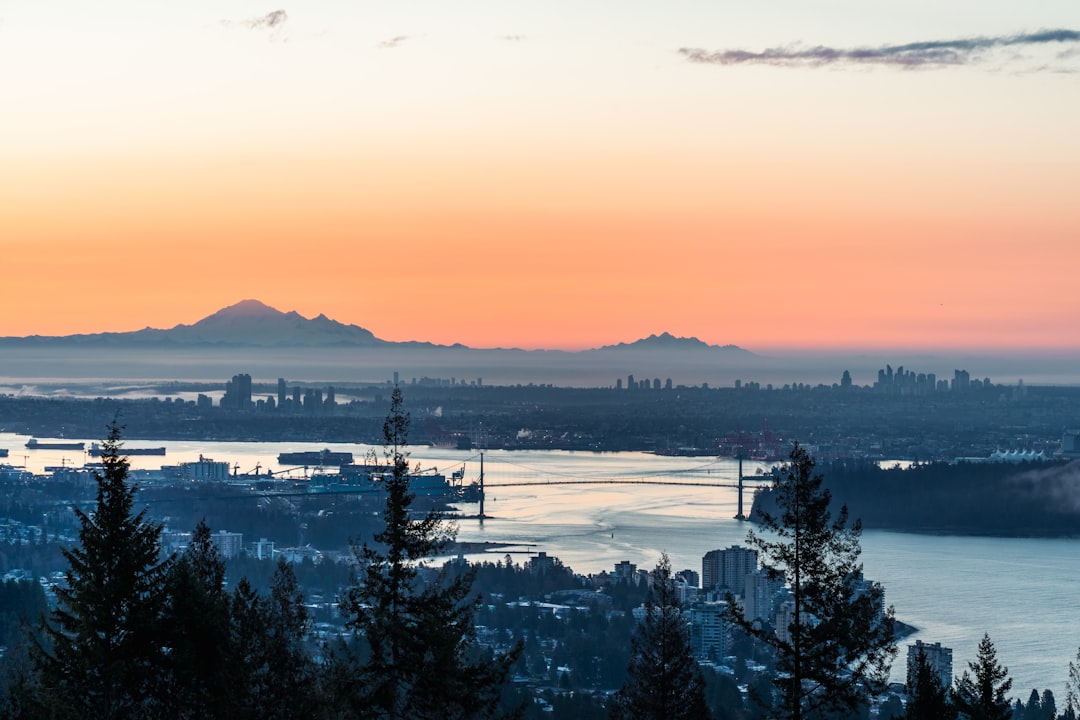
The political culture of the Pacific Northwest is a unique tapestry woven from diverse threads of history, geography, and social dynamics. This region, encompassing Washington, Oregon, and Idaho, is characterized by its progressive values, environmental consciousness, and a strong sense of community. The Pacific Northwest has long been a bastion of liberal thought, often leading the charge on issues such as climate change, social justice, and public health.
The region’s political landscape is not only shaped by its natural beauty and resources but also by the complex interplay of its inhabitants’ beliefs and values. In recent years, the Pacific Northwest has garnered national attention for its bold political stances and innovative policies. From the legalization of recreational marijuana to ambitious climate initiatives, the region has positioned itself as a leader in progressive governance.
However, this political culture is not without its challenges. The ongoing tensions between urban and rural populations, the influence of technology, and the legacy of Indigenous peoples all contribute to a dynamic political environment that continues to evolve. Understanding the nuances of this culture is essential for grasping the broader implications of political decisions made in this vibrant part of the United States.
Key Takeaways
- Pacific Northwest political culture is heavily influenced by environmentalism, indigenous peoples, urban-rural divide, technology, social justice movements, economy, political parties, education, and future trends.
- Historical influences, such as the Oregon Trail and the timber industry, have shaped the political culture of the Pacific Northwest.
- Environmentalism plays a significant role in Pacific Northwest politics, with a focus on conservation, sustainability, and renewable energy.
- Indigenous peoples have a strong influence on Pacific Northwest political culture, advocating for tribal sovereignty and environmental stewardship.
- The urban-rural divide impacts Pacific Northwest politics, with differing priorities and perspectives on issues such as land use and natural resource management.
Historical Influences on Pacific Northwest Political Culture
The historical context of the Pacific Northwest plays a crucial role in shaping its current political culture. The region’s early settlement patterns were influenced by various waves of migration, including those drawn by the promise of economic opportunity during the Gold Rush and later by the timber and fishing industries. These economic drivers fostered a spirit of independence and self-reliance among the settlers, which has persisted into modern political attitudes.
The rugged landscape and often harsh climate have instilled a sense of resilience in the populace, contributing to a culture that values innovation and adaptability. Moreover, the legacy of the Progressive Era in the early 20th century significantly impacted the political landscape of the Pacific Northwest. Reform movements aimed at curbing corporate power and expanding democratic participation found fertile ground in this region.
The establishment of initiatives and referendums allowed citizens to have a direct say in governance, fostering a culture of civic engagement that remains strong today. This historical backdrop has laid the foundation for a political culture that prioritizes grassroots activism and community involvement, setting the stage for contemporary movements advocating for social change.
The Role of Environmentalism in Pacific Northwest Politics
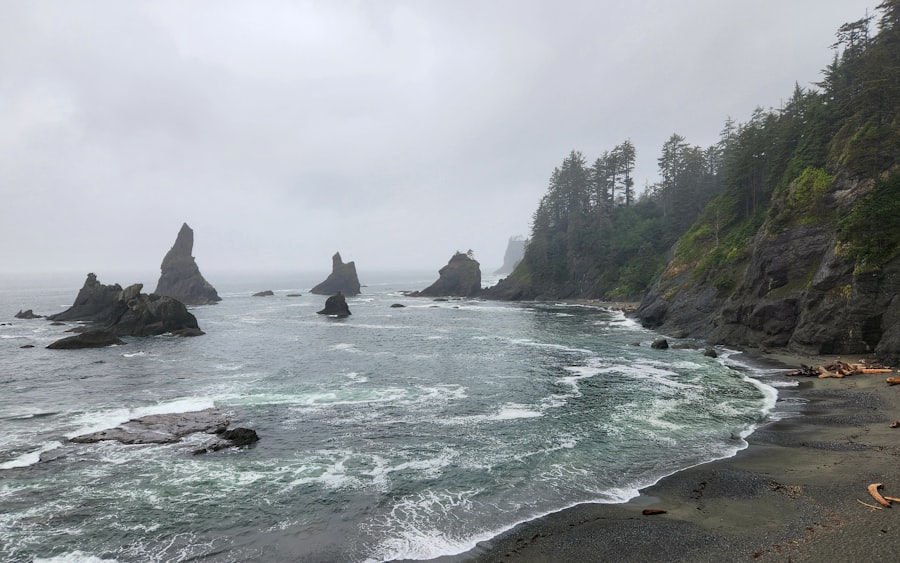
Environmentalism is a cornerstone of political discourse in the Pacific Northwest, deeply embedded in the region’s identity. The breathtaking natural landscapes, from lush forests to rugged coastlines, have inspired a profound appreciation for nature among residents. This reverence for the environment has translated into robust political action aimed at protecting natural resources and addressing climate change.
The Pacific Northwest has become synonymous with environmental advocacy, with numerous organizations and grassroots movements dedicated to preserving the region’s ecological integrity. Legislation aimed at environmental protection often garners widespread support in this region. Initiatives such as the Clean Air Act and various state-level measures to reduce carbon emissions reflect the commitment to sustainability that characterizes Pacific Northwest politics.
Additionally, local governments frequently prioritize green policies, such as promoting renewable energy sources and implementing conservation programs. However, this commitment to environmentalism is not without contention; debates over land use, resource extraction, and economic development often pit environmental concerns against economic interests, highlighting the complexities inherent in balancing ecological preservation with growth.
Understanding the Influence of Indigenous Peoples on Pacific Northwest Political Culture
| Metrics | Data |
|---|---|
| Population of Indigenous Peoples in Pacific Northwest | Approximately 1.5 million |
| Percentage of Indigenous Peoples in Pacific Northwest | Around 10% of the total population |
| Number of Indigenous Tribes in Pacific Northwest | Over 270 |
| Political Influence of Indigenous Peoples | Significant impact on environmental policies, land rights, and cultural preservation |
| Representation in Government | Increasing presence in local and state governments |
The Indigenous peoples of the Pacific Northwest have played a pivotal role in shaping the region’s political culture. With rich histories that predate European colonization, tribes such as the Coast Salish, Nez Perce, and Yakama have long been stewards of the land and advocates for their rights. Their perspectives on environmental stewardship and community governance have significantly influenced contemporary political discussions.
As awareness of Indigenous rights and sovereignty grows, so too does recognition of their contributions to regional identity and policy-making. In recent years, there has been a concerted effort to incorporate Indigenous voices into political discourse. This includes recognizing treaty rights, advocating for land reclamation, and addressing historical injustices faced by Native communities.
The resurgence of Indigenous activism has prompted broader conversations about social justice and equity within Pacific Northwest politics. As these communities continue to assert their rights and influence policy decisions, they challenge traditional power structures and advocate for a more inclusive political landscape that honors their heritage and contributions.
The urban-rural divide is a defining feature of Pacific Northwest politics, shaping electoral outcomes and policy priorities. Urban areas like Seattle and Portland tend to lean liberal, championing progressive policies on issues such as housing, transportation, and social equity. In contrast, rural regions often hold more conservative views, prioritizing agricultural interests and traditional values.
This dichotomy creates a complex political landscape where differing priorities can lead to tension between urban and rural constituents. The divide is further exacerbated by demographic shifts and economic disparities. Urban centers are experiencing rapid growth driven by technology and innovation, attracting younger populations seeking opportunities in emerging industries.
Conversely, rural areas face challenges such as population decline and economic stagnation, leading to feelings of disenfranchisement among residents. As these dynamics evolve, understanding how they influence political discourse becomes essential for fostering dialogue and collaboration across geographic boundaries.
The Role of Technology and Innovation in Pacific Northwest Political Culture
Technology and innovation are integral to the political culture of the Pacific Northwest, particularly in urban centers like Seattle and Portland. The region is home to major tech companies such as Microsoft and Amazon, which have not only transformed local economies but also influenced political priorities. The tech industry’s emphasis on innovation aligns with progressive values around education, workforce development, and sustainability.
As a result, policymakers often prioritize initiatives that support technological advancement while addressing social issues such as income inequality. However, the rapid growth of the tech sector has also sparked debates about its impact on housing affordability and community cohesion. As tech companies expand their presence in urban areas, concerns about gentrification and displacement have emerged.
This tension highlights the need for balanced policies that promote economic growth while safeguarding community interests. The interplay between technology and politics in the Pacific Northwest exemplifies how innovation can drive progress while also necessitating careful consideration of its broader implications.
Exploring the Influence of Social Justice Movements on Pacific Northwest Politics
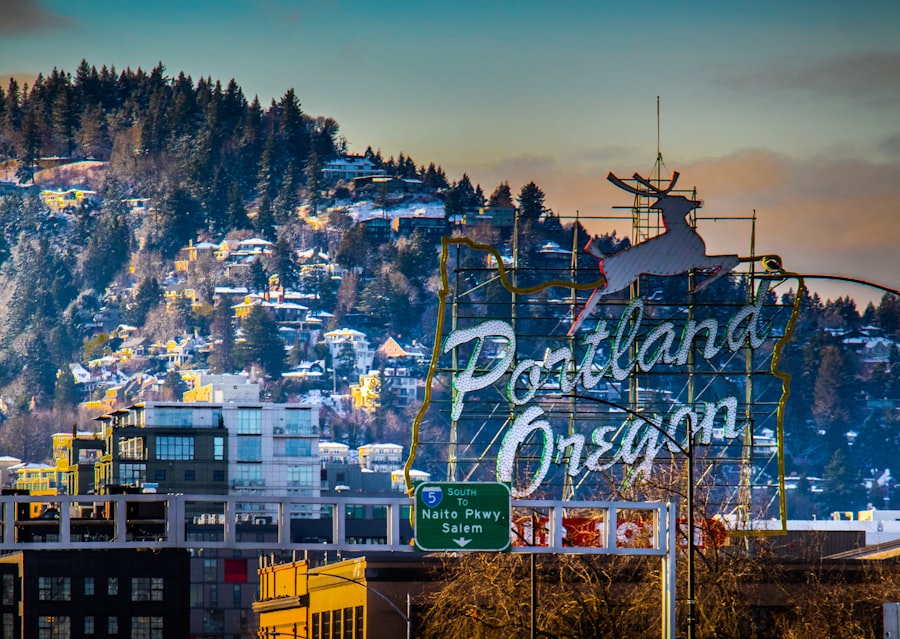
Social justice movements have profoundly shaped political discourse in the Pacific Northwest, reflecting a commitment to equity and inclusion among its residents. From civil rights activism to contemporary movements advocating for racial justice, LGBTQ+ rights, and immigrant rights, these efforts have galvanized communities to demand systemic change. The region’s history of activism has fostered an environment where social justice issues are at the forefront of political agendas.
The Black Lives Matter movement serves as a poignant example of how social justice activism has influenced local politics in recent years. Protests across cities like Portland highlighted issues of police violence and systemic racism, prompting local governments to reevaluate policing practices and invest in community-led initiatives. Similarly, movements advocating for climate justice have emerged at the intersection of environmentalism and social equity, emphasizing that marginalized communities often bear the brunt of environmental degradation.
As these movements continue to evolve, they challenge traditional power structures and push for policies that reflect a more equitable society.
The Relationship between Pacific Northwest Political Culture and the Economy
The economy of the Pacific Northwest is intricately linked to its political culture, with various industries shaping policy priorities and governance approaches. Historically rooted in resource extraction—such as timber, fishing, and agriculture—the region has transitioned towards a more diversified economy that includes technology, tourism, and renewable energy sectors. This economic evolution has influenced political discourse around issues like labor rights, environmental regulations, and economic equity.
As new industries emerge, policymakers face challenges related to workforce development and economic sustainability. The emphasis on innovation necessitates investments in education and training programs to equip residents with skills relevant to evolving job markets. Additionally, debates surrounding minimum wage laws and workers’ rights reflect broader discussions about economic justice within Pacific Northwest politics.
Balancing economic growth with social responsibility remains a central theme as communities navigate the complexities of an ever-changing economic landscape.
The Influence of Political Parties and Ideologies in the Pacific Northwest
Political parties play a significant role in shaping the political culture of the Pacific Northwest, with Democrats generally dominating urban areas while Republicans maintain stronger support in rural regions. The Democratic Party’s progressive platform resonates with many residents who prioritize issues such as climate action, healthcare access, and social equity.
The presence of third parties also adds complexity to the political landscape. Movements such as the Green Party have gained traction among environmentally conscious voters seeking alternatives to mainstream party politics. This diversity of ideologies reflects a broader trend towards political engagement among residents who may feel disillusioned with traditional party structures.
As voters increasingly seek candidates who align with their values rather than strict party affiliation, understanding these dynamics becomes crucial for navigating future electoral outcomes.
The Role of Education and Higher Learning in Shaping Pacific Northwest Political Culture
Education plays a pivotal role in shaping political culture in the Pacific Northwest, with institutions of higher learning serving as hubs for activism and civic engagement. Universities such as the University of Washington and Oregon State University foster environments where students are encouraged to engage with pressing social issues through research, advocacy, and community service. This emphasis on education cultivates a politically aware populace that actively participates in shaping local governance.
Moreover, educational institutions often serve as incubators for progressive ideas that influence broader societal change. Initiatives focused on sustainability research or social justice programs reflect a commitment to addressing contemporary challenges through innovative solutions.
Future Trends and Challenges in Pacific Northwest Political Culture
Looking ahead, several trends are poised to shape the future of political culture in the Pacific Northwest. Climate change remains an urgent issue that will likely drive policy discussions for years to come as communities grapple with its impacts on public health, infrastructure, and natural resources. Additionally, ongoing debates surrounding housing affordability will necessitate innovative solutions that balance growth with community needs.
Furthermore, as demographic shifts continue to reshape the region’s population dynamics—particularly with increasing diversity—political leaders will need to address issues related to representation and equity more comprehensively. Engaging marginalized communities in decision-making processes will be essential for fostering an inclusive political culture that reflects the values of all residents. In conclusion, while challenges abound within Pacific Northwest politics—ranging from urban-rural divides to economic disparities—the region’s commitment to progressive values offers hope for continued growth towards a more equitable society.
As residents navigate these complexities together through activism and civic engagement, they will undoubtedly shape a future that honors both their rich history and diverse aspirations.
The political culture of the Pacific Northwest is characterized by a strong emphasis on environmentalism and progressive values, which can be further explored in the article found at this link. This region’s unique blend of activism and community engagement shapes its policies and governance, reflecting the diverse perspectives of its residents.
WATCH THIS! The Map You Trust Is A Lie: Why America Is Really 11 Rival Nations
FAQs
What is the political culture of the Pacific Northwest?
The political culture of the Pacific Northwest is characterized by a strong emphasis on environmentalism, social progressivism, and a commitment to individualism and personal freedom.
What are the key political issues in the Pacific Northwest?
Key political issues in the Pacific Northwest include environmental protection, sustainable development, social justice, and indigenous rights. The region also has a strong focus on healthcare, education, and affordable housing.
Which political parties are prominent in the Pacific Northwest?
The Pacific Northwest is known for its strong support of the Democratic Party, as well as the Green Party and other progressive and left-leaning political movements. However, there are also conservative and libertarian voices in the region.
How does the political culture of the Pacific Northwest differ from other regions?
The political culture of the Pacific Northwest is often more liberal and environmentally conscious compared to other regions in the United States. The region also has a strong tradition of grassroots activism and community engagement.
What role does the environment play in the political culture of the Pacific Northwest?
The environment plays a central role in the political culture of the Pacific Northwest, with a strong emphasis on conservation, sustainability, and combating climate change. The region’s natural beauty and resources are a key part of its identity and political priorities.