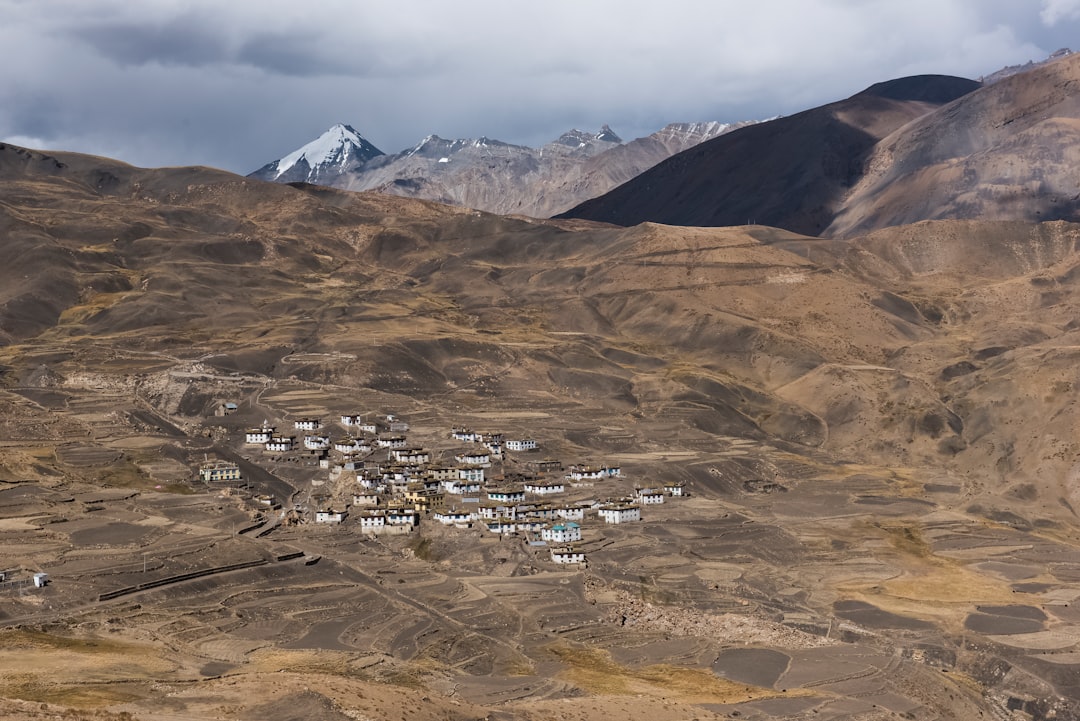
Life on the Tibetan Plateau, often referred to as the “Roof of the World,” presents a unique tapestry of challenges and adaptations. This vast expanse, which spans over 2.5 million square kilometers, is characterized by its high altitude, rugged terrain, and extreme climate. The plateau is home to a diverse array of flora and fauna, as well as a rich cultural heritage that has evolved over centuries.
The people who inhabit this region, primarily ethnic Tibetans, have developed a way of life that is intricately linked to the land and its resources. Their traditions, beliefs, and practices reflect a deep respect for the environment and a profound understanding of the challenges posed by their surroundings.
The region is steeped in history, with its roots tracing back to ancient civilizations. The unique blend of Buddhism and indigenous beliefs has shaped the social fabric of Tibetan life. Monasteries dot the landscape, serving as spiritual havens and centers of learning.
The plateau’s isolation has allowed for the preservation of traditional practices, even as modern influences begin to seep into daily life. Understanding life on the Tibetan Plateau requires an appreciation of both its natural beauty and the resilience of its people.
Key Takeaways
- Life on the Tibetan Plateau is characterized by extreme weather conditions and high altitude living.
- Adaptation to high altitude living involves physiological changes and lifestyle adjustments.
- Navigating extreme weather conditions requires knowledge of seasonal patterns and preparation for harsh climates.
- Finding food and water sources involves traditional hunting, gathering, and herding practices.
- Building shelter in a harsh environment requires knowledge of local materials and construction techniques.
Adapting to High Altitude Living
Living at high altitudes presents a myriad of challenges that require significant adaptation. The Tibetan Plateau sits at an average elevation of over 4,500 meters, where oxygen levels are considerably lower than at sea level. This hypoxic environment forces the inhabitants to develop physiological adaptations that enable them to thrive despite the thin air.
For instance, Tibetans possess larger lung capacities and higher levels of hemoglobin in their blood, which allows for more efficient oxygen transport throughout their bodies. These adaptations are not merely biological; they are also cultural, as the people have learned to pace themselves and manage their energy levels in response to the demands of their environment. Moreover, the lifestyle of the Tibetan people reflects their high-altitude existence.
Traditional practices such as yak herding and nomadic pastoralism are well-suited to the harsh conditions of the plateau. The yaks, revered for their strength and resilience, provide not only sustenance in the form of milk and meat but also serve as pack animals for transportation across rugged terrains. The nomadic lifestyle allows families to move with the seasons, seeking out grazing lands for their livestock while maintaining a deep connection to their ancestral lands.
This adaptability is a testament to the ingenuity and resourcefulness of the Tibetan people in navigating the challenges posed by their environment.
Navigating Extreme Weather Conditions
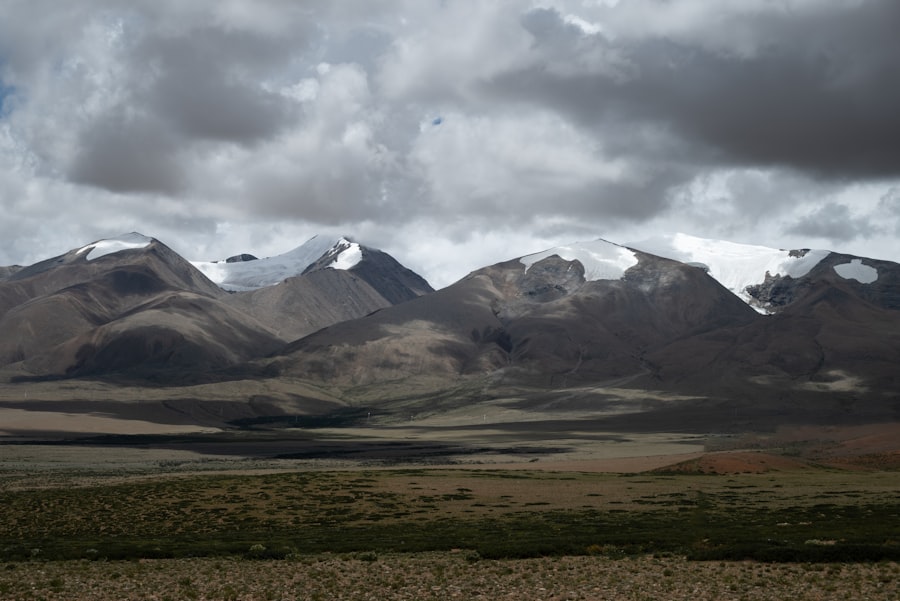
The weather on the Tibetan Plateau can be as unpredictable as it is extreme. With temperatures that can plummet well below freezing in winter and scorching heat during summer months, residents must be prepared for a wide range of climatic conditions. The harsh winters bring heavy snowfall and biting winds, while summer storms can unleash torrential rains that lead to flooding in certain areas.
Such variability necessitates a lifestyle that is both flexible and resilient, as families must be ready to adapt their daily routines and activities based on the weather. To cope with these extreme conditions, Tibetans have developed a wealth of knowledge regarding weather patterns and seasonal changes. They rely on traditional methods of forecasting, such as observing animal behavior or changes in plant life, to anticipate shifts in weather.
This understanding informs their agricultural practices and livestock management, ensuring that they are prepared for both droughts and deluges. Additionally, traditional clothing made from yak wool provides insulation against the cold while remaining breathable during warmer months. This blend of practicality and cultural heritage underscores the deep connection between the Tibetan people and their environment.
Finding Food and Water Sources
| Location | Food Source | Water Source |
|---|---|---|
| Forest | Berries, nuts, small animals | River, stream, natural spring |
| Desert | Cactus, insects, small rodents | Oasis, underground water sources |
| Mountains | Wild herbs, mountain goats, small birds | Mountain streams, snowmelt |
Accessing food and water on the Tibetan Plateau poses significant challenges due to its arid climate and rugged terrain. The region’s high altitude limits agricultural possibilities, making it difficult to cultivate crops year-round. However, Tibetans have adapted by relying on hardy crops such as barley, which can withstand harsh conditions and provide essential nutrients.
Barley is not only a staple food but also plays a central role in traditional Tibetan culture, often being used in rituals and celebrations. Water sources are equally scarce on the plateau, with many communities relying on glacial meltwater or seasonal streams for their needs. The management of these water resources is crucial for survival, particularly during dry spells when access becomes limited.
Traditional practices such as rainwater harvesting and careful irrigation techniques have been developed over generations to maximize water use efficiency. Additionally, nomadic herders often move their livestock to areas with better access to water during dry seasons, demonstrating their deep understanding of the land’s resources.
Building Shelter in a Harsh Environment
Constructing shelter on the Tibetan Plateau requires ingenuity and resourcefulness due to the extreme weather conditions and availability of materials. Traditional Tibetan homes, known as “lha khang,” are typically built using local materials such as stone, mud, and wood. These structures are designed to withstand harsh winds and heavy snowfall while providing warmth during frigid nights.
The thick walls help insulate against the cold, while small windows minimize heat loss. In addition to traditional homes, many families also utilize portable shelters known as “yak tents” or “gers.” These structures are made from felt derived from yak wool and can be easily assembled or disassembled as families move with their herds. The flexibility of these shelters allows for mobility while maintaining comfort in an otherwise unforgiving environment.
The architectural choices made by Tibetans reflect not only practical considerations but also cultural values that emphasize harmony with nature.
Coping with Isolation and Limited Resources
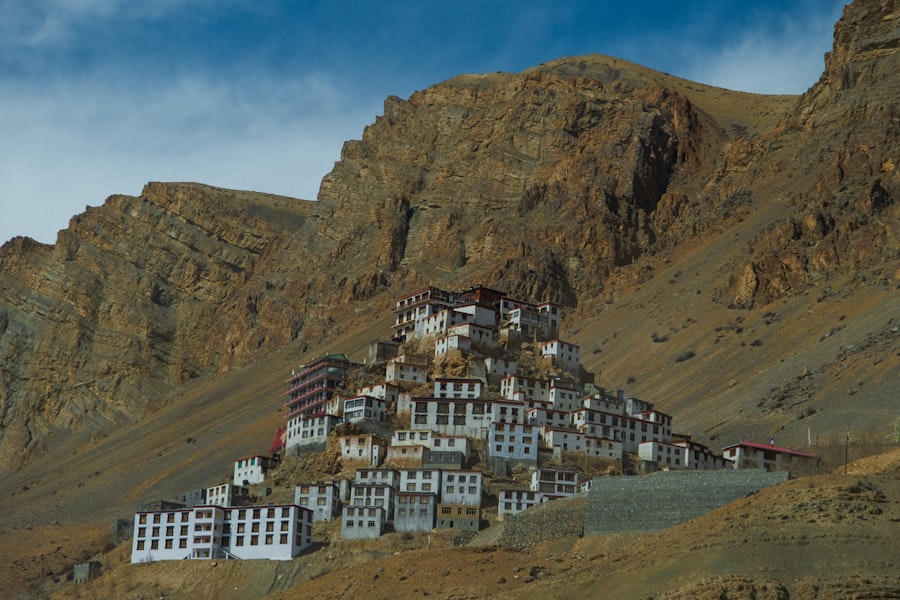
Isolation is a defining characteristic of life on the Tibetan Plateau, where communities are often scattered across vast distances with limited access to modern amenities. This remoteness can lead to feelings of loneliness and disconnection from the outside world; however, it has also fostered strong communal bonds among residents. Families often rely on one another for support, sharing resources and knowledge to navigate the challenges they face together.
Limited resources necessitate a lifestyle centered around sustainability and self-sufficiency. Many families engage in subsistence farming or herding practices that prioritize minimal waste and maximum efficiency. This approach not only ensures survival but also reinforces traditional values that emphasize respect for nature and community interdependence.
In times of hardship, such as during droughts or harsh winters, these communal ties become even more critical as families come together to share food and support one another through difficult times.
Dealing with Health Challenges
Health challenges are an inherent part of life on the Tibetan Plateau due to its high altitude and extreme environmental conditions. Residents often experience altitude sickness when first acclimatizing to the thin air, which can lead to symptoms such as headaches, nausea, and fatigue. Over time, however, many individuals develop physiological adaptations that help mitigate these effects.
Nevertheless, access to healthcare remains limited in remote areas, making it essential for communities to rely on traditional medicine practices passed down through generations. Traditional Tibetan medicine incorporates herbal remedies and holistic approaches that address both physical ailments and spiritual well-being. Healers known as “amchis” play a vital role in communities by providing care based on ancient texts and local knowledge.
While modern healthcare facilities are gradually being established in some regions, many Tibetans continue to prioritize traditional practices that align with their cultural beliefs about health and healing.
Preserving Traditional Tibetan Culture
The preservation of traditional Tibetan culture is paramount for communities living on the plateau, especially in an era marked by rapid globalization and modernization. Cultural practices such as language, art, music, and religious rituals serve as vital links to their heritage and identity. Efforts to maintain these traditions are evident in various aspects of daily life; for instance, festivals celebrating Buddhist teachings or agricultural cycles bring communities together in joyous celebration.
Education plays a crucial role in cultural preservation as well. Many families prioritize teaching their children about traditional customs alongside modern subjects. Schools often incorporate local history and language into their curricula to ensure that younger generations remain connected to their roots.
By fostering a sense of pride in their heritage, Tibetans strive to keep their culture alive amidst external pressures that threaten its existence.
Managing Livestock and Agriculture
Livestock management is central to life on the Tibetan Plateau, where yaks, sheep, goats, and horses are integral to both sustenance and livelihood. These animals provide essential resources such as milk, meat, wool, and transportation across challenging terrains.
Agricultural practices are adapted to suit the plateau’s unique climate conditions. Barley remains a staple crop due to its resilience against harsh weather; however, other crops like potatoes and various legumes are also cultivated where possible. Traditional farming techniques emphasize organic methods that align with environmental sustainability principles—an approach that has been practiced for centuries but is increasingly relevant in today’s world.
Balancing Modernization and Traditional Lifestyle
As modernization encroaches upon remote areas of the Tibetan Plateau, communities face the challenge of balancing traditional lifestyles with contemporary influences. Infrastructure improvements such as roads and communication technologies have made it easier for residents to access markets and information; however, these changes also bring risks of cultural dilution and environmental degradation. Many Tibetans strive for a harmonious coexistence between modern conveniences and their rich heritage by selectively adopting new technologies while preserving core aspects of their culture.
For instance, some families may use solar panels for electricity while continuing traditional farming practices or maintaining communal rituals that strengthen social ties. This delicate balance reflects an ongoing negotiation between progress and preservation—a testament to the resilience of Tibetan identity amidst changing times.
Thriving in the Face of Adversity
Despite numerous challenges posed by life on the Tibetan Plateau—ranging from harsh environmental conditions to social isolation—Tibetans continue to thrive through resilience and adaptability. Their ability to navigate adversity stems from deep-rooted cultural values that emphasize community support, respect for nature, and a profound connection to their land. The spirit of perseverance is evident in how families come together during difficult times—sharing resources during droughts or collaborating on communal projects that benefit everyone involved.
This collective strength fosters a sense of belonging that transcends individual hardships; it reinforces bonds among community members while nurturing hope for future generations who will inherit this remarkable way of life on the Roof of the World. In conclusion, life on the Tibetan Plateau is characterized by remarkable resilience amid adversity—a testament not only to human ingenuity but also to an enduring connection with nature that shapes every aspect of existence in this extraordinary region.
Life on the Tibetan Plateau presents numerous challenges, including extreme weather conditions, high altitude, and limited access to resources. These factors significantly impact the daily lives of the inhabitants, influencing their culture, economy, and health. For a deeper understanding of the geographical and environmental aspects of this unique region, you can read more in the article available at My Geo Quest.
WATCH THIS! Tibet’s Emptiness Is No Accident
FAQs
What are the main challenges of life on the Tibetan Plateau?
The main challenges of life on the Tibetan Plateau include harsh climate conditions, high altitude, limited access to resources, and environmental degradation.
How does the harsh climate affect life on the Tibetan Plateau?
The Tibetan Plateau experiences extreme cold temperatures, strong winds, and low oxygen levels due to its high altitude, making it difficult for people and animals to survive.
What are the limited resources available on the Tibetan Plateau?
Limited access to water, arable land, and vegetation makes it challenging for the Tibetan people to sustain their livelihoods through agriculture and animal husbandry.
How does environmental degradation impact life on the Tibetan Plateau?
Environmental degradation, such as desertification and soil erosion, reduces the availability of fertile land for farming and grazing, further exacerbating the challenges of sustaining life on the plateau.
What are some traditional ways that Tibetan people have adapted to life on the plateau?
Tibetan people have adapted to life on the plateau by practicing sustainable land use, developing unique agricultural techniques, and relying on traditional medicinal knowledge to cope with the challenges of the harsh environment.