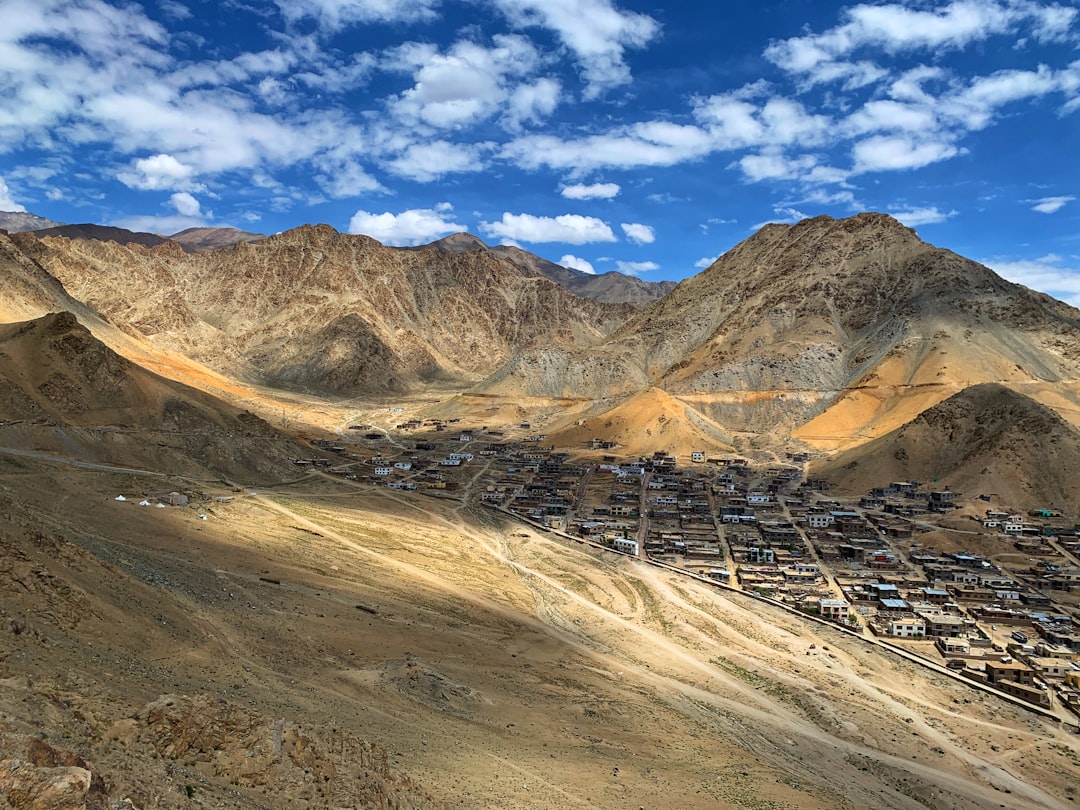
Tibet, often referred to as the “Roof of the World,” has a rich history that is deeply intertwined with its ancient trade routes. These routes not only facilitated the exchange of goods but also served as conduits for cultural and spiritual interactions among diverse civilizations.
The ancient trade routes of Tibet were not merely pathways for commerce; they were lifelines that connected the region to neighboring cultures and economies. The significance of these trade routes extended beyond mere economic transactions. They played a crucial role in the dissemination of ideas, religions, and technologies.
As merchants traversed the challenging landscapes, they brought with them not only goods but also stories, beliefs, and innovations that enriched Tibetan society. The ancient trade routes thus became a tapestry of human interaction, weaving together the threads of commerce, culture, and spirituality that defined Tibet’s historical identity.
Key Takeaways
- Tibet’s ancient trade routes played a crucial role in connecting the region to the rest of the world, facilitating the exchange of goods, ideas, and culture.
- Infrastructure is essential for trade and development in Tibet, as it enables the movement of goods and people, and supports economic growth and connectivity.
- The Silk Road played a significant role in connecting Tibet to the world, fostering trade and cultural exchange between East and West.
- The development of roads and bridges in ancient Tibet was instrumental in facilitating trade and communication within the region and beyond.
- Chinese influence has had a significant impact on infrastructure development in Tibet, particularly in the construction of modern highways and railways.
The Importance of Infrastructure for Trade and Development in Tibet
Infrastructure has always been a cornerstone of trade and development, particularly in regions as geographically challenging as Tibet.
Without adequate infrastructure, the potential for economic growth would have remained stunted, limiting Tibet’s ability to engage with the broader world.
Moreover, infrastructure development in Tibet has far-reaching implications beyond trade. It serves as a catalyst for social progress and community development. Improved transportation networks enable access to education, healthcare, and markets, thereby enhancing the quality of life for local populations.
In a region where geographical barriers can isolate communities, robust infrastructure can bridge gaps and foster connectivity, ultimately leading to a more integrated and prosperous society.
The Role of the Silk Road in Connecting Tibet to the World
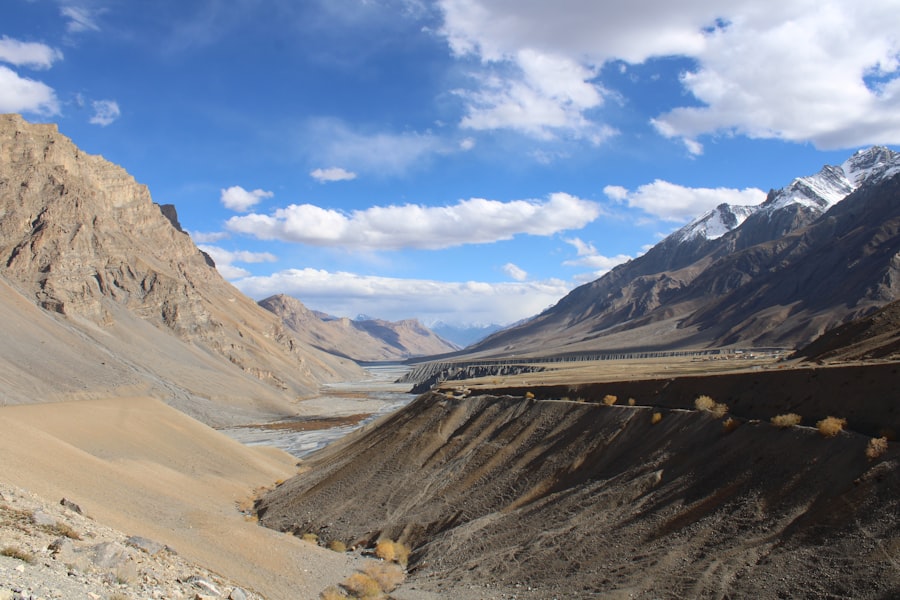
The Silk Road stands as one of the most significant trade networks in history, and Tibet was an integral part of this vast system. This ancient route not only facilitated the exchange of silk from China but also allowed for the movement of various goods such as tea, spices, and textiles between East and West. Tibet’s strategic location made it a vital link in this network, enabling merchants to traverse its high-altitude passes and connect with distant markets.
The impact of the Silk Road on Tibet was profound. It brought wealth and cultural exchange to the region, allowing Tibetan artisans to showcase their craftsmanship while also absorbing influences from other cultures. The interaction with traders from Central Asia and beyond enriched Tibetan art, religion, and philosophy.
As a result, Tibet became a melting pot of ideas and traditions, shaping its unique identity while simultaneously contributing to the broader tapestry of human civilization.
The Development of Roads and Bridges in Ancient Tibet
| Time Period | Development | Impact |
|---|---|---|
| 7th – 9th century | Construction of major roads and bridges | Improved trade and communication |
| 11th – 13th century | Expansion of road network | Facilitated spread of Buddhism |
| 17th – 19th century | Renovation and maintenance of existing roads and bridges | Sustained connectivity within the region |
In ancient Tibet, the development of roads and bridges was a monumental task that required ingenuity and resilience. The harsh terrain presented numerous challenges, including steep mountain passes and unpredictable weather conditions. Nevertheless, early Tibetan engineers and laborers demonstrated remarkable skill in constructing pathways that would facilitate trade and travel across this rugged landscape.
The construction of bridges was particularly significant in ancient Tibet. These structures not only enabled the crossing of rivers and ravines but also symbolized the connection between communities. They served as vital links that allowed traders to transport goods more efficiently while fostering social interactions among different groups.
The roads and bridges built during this period laid the groundwork for future infrastructure development, establishing a legacy that would influence Tibetan society for centuries to come.
The Impact of Chinese Influence on Infrastructure in Tibet
The influence of China on Tibetan infrastructure has been profound and multifaceted. Following the incorporation of Tibet into the People’s Republic of China in the mid-20th century, significant investments were made in infrastructure development aimed at modernizing the region. This included the construction of roads, railways, and airports that have transformed transportation dynamics within Tibet.
While these developments have facilitated greater connectivity with mainland China and beyond, they have also sparked debates about cultural preservation and autonomy. Many Tibetans express concerns that rapid infrastructure expansion may lead to cultural dilution and environmental degradation. The challenge lies in balancing modernization with respect for Tibetan traditions and values while ensuring that infrastructure serves as a tool for sustainable development rather than a means of cultural assimilation.
The Construction of Modern Highways and Railways in Tibet
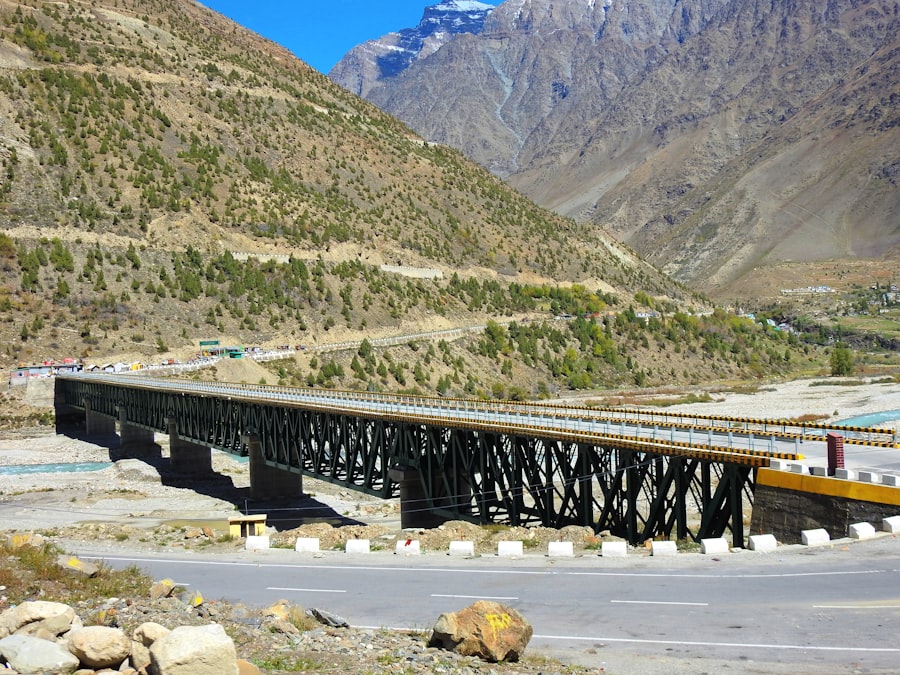
In recent decades, the construction of modern highways and railways has dramatically altered the landscape of transportation in Tibet. The Qinghai-Tibet Railway, inaugurated in 2006, stands as a testament to engineering prowess, connecting Lhasa to mainland China through some of the highest altitudes on Earth. This railway has not only facilitated travel but has also opened up new avenues for trade and tourism.
The expansion of highways has similarly transformed accessibility within Tibet. Improved road networks have made it easier for goods to reach remote areas while allowing local communities to access markets more efficiently. However, this rapid development has not come without challenges; concerns regarding environmental impact and social displacement have emerged as critical issues that need to be addressed as infrastructure continues to evolve.
The Challenges of Building Infrastructure in Tibet’s Harsh Terrain
Building infrastructure in Tibet’s harsh terrain presents unique challenges that require innovative solutions. The region’s high altitude, extreme weather conditions, and rugged landscapes complicate construction efforts significantly. Engineers must navigate treacherous mountain passes while ensuring that structures can withstand seismic activity common in this geologically active area.
Moreover, environmental considerations play a crucial role in infrastructure development in Tibet. The delicate ecosystem is home to unique flora and fauna that can be adversely affected by construction activities. Striking a balance between development needs and environmental preservation is essential to ensure that infrastructure projects do not compromise the natural beauty and ecological integrity of the Tibetan Plateau.
The Role of Infrastructure in Tibet’s Economic Development
Infrastructure plays a pivotal role in driving economic development in Tibet by enhancing connectivity and facilitating trade. Improved transportation networks enable local businesses to access larger markets while attracting investment from outside the region. This influx of economic activity can lead to job creation and increased income levels for local communities.
Furthermore, infrastructure development can stimulate tourism—a vital sector for Tibet’s economy. With better roads and railways, more visitors can explore the region’s rich cultural heritage and stunning landscapes. This not only generates revenue but also fosters cross-cultural exchanges that enrich both visitors and local residents alike.
As such, infrastructure serves as a foundation upon which sustainable economic growth can be built.
The Impact of Infrastructure on Tibet’s Cultural and Social Landscape
The evolution of infrastructure in Tibet has had profound implications for its cultural and social landscape. As transportation networks expand, they facilitate greater interaction among diverse communities within the region. This increased connectivity can lead to cultural exchanges that enrich Tibetan society while also posing challenges related to cultural preservation.
Moreover, improved infrastructure has enabled access to education and healthcare services that were previously out of reach for many rural communities. This access can empower individuals by providing them with opportunities for personal growth and development. However, it also raises questions about how modernization may influence traditional ways of life and whether it will lead to cultural homogenization or a revitalization of local customs.
The Future of Infrastructure Development in Tibet
Looking ahead, the future of infrastructure development in Tibet is likely to be shaped by a combination of technological advancements and socio-political considerations. As global awareness regarding environmental sustainability grows, there is an increasing emphasis on developing eco-friendly infrastructure that minimizes ecological impact while meeting the needs of local populations. Additionally, ongoing discussions about autonomy and cultural preservation will play a crucial role in determining how infrastructure projects are planned and executed in Tibet.
Engaging local communities in decision-making processes will be essential to ensure that development aligns with their values and aspirations while fostering economic growth.
The Evolution of Infrastructure in Tibet from Ancient Trade Routes to Modern Development
The evolution of infrastructure in Tibet reflects a complex interplay between geography, culture, and socio-economic factors over centuries. From ancient trade routes that connected diverse civilizations to modern highways and railways that facilitate contemporary commerce, infrastructure has been a driving force behind Tibet’s historical trajectory. As Tibet continues to navigate the challenges and opportunities presented by modernization, it is essential to strike a balance between development needs and cultural preservation.
By honoring its rich heritage while embracing innovation, Tibet can forge a path toward sustainable growth that respects both its unique identity and its place within the global community.
The history of infrastructure in Tibet is a fascinating subject that highlights the region’s unique challenges and developments over the centuries. For a deeper understanding of this topic, you can explore the article on MyGeoQuest, which provides insights into the evolution of transportation and communication networks in Tibet. To read more, visit MyGeoQuest.
WATCH THIS! Tibet’s Emptiness Is No Accident
FAQs
What is the history of infrastructure in Tibet?
The history of infrastructure in Tibet dates back to ancient times, with the construction of roads, bridges, and irrigation systems to support the region’s agricultural and trade activities.
What are some key developments in infrastructure in Tibet?
Some key developments in infrastructure in Tibet include the construction of the Qinghai-Tibet Railway, the building of highways and airports, and the improvement of water supply and sanitation systems.
How has infrastructure development impacted Tibet?
Infrastructure development has had a significant impact on Tibet, improving connectivity, access to essential services, and economic development in the region.
What challenges have been faced in developing infrastructure in Tibet?
Challenges in developing infrastructure in Tibet include the region’s rugged terrain, harsh climate, and high altitude, as well as environmental concerns and political sensitivities.
What is the current state of infrastructure in Tibet?
The current state of infrastructure in Tibet has seen significant improvements in recent years, with ongoing efforts to further develop and modernize the region’s transportation, energy, and communication networks.