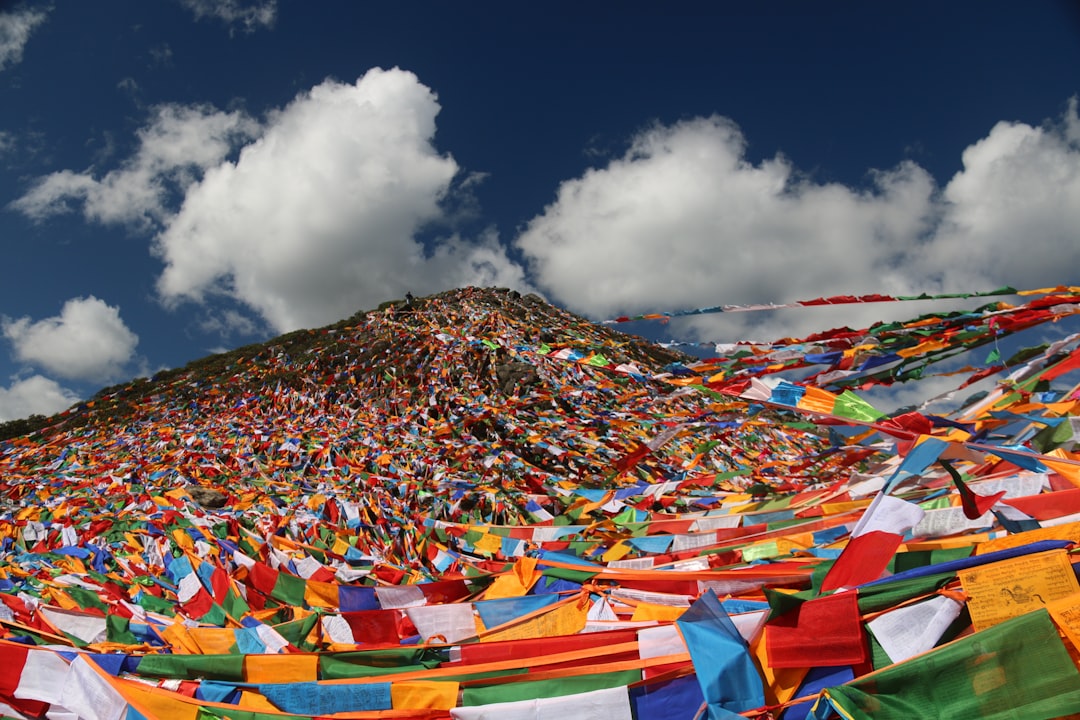
Tibet, often referred to as the “Roof of the World,” is a region steeped in rich cultural heritage and breathtaking landscapes. Nestled in the heart of the Himalayas, it is home to a unique population that has adapted to one of the most challenging environments on Earth. The Tibetan people, known for their resilience and spiritual depth, have a population that is relatively sparse compared to other regions.
This demographic characteristic is not merely a result of natural factors but is deeply intertwined with historical, cultural, and political influences that have shaped the Tibetan identity over centuries. The population of Tibet is estimated to be around three million, a figure that reflects both the vastness of the region and the challenges faced by its inhabitants. The Tibetan plateau, with its high altitude and harsh climate, has naturally limited population growth and settlement patterns.
However, the complexities surrounding Tibet’s population extend beyond mere numbers; they encompass a rich tapestry of history, culture, and socio-political dynamics that continue to evolve in contemporary times. Understanding these factors is essential for grasping the unique demographic landscape of Tibet.
Key Takeaways
- Tibet’s population is characterized by its sparse distribution and unique cultural and geographical challenges.
- Historical factors, such as political control and migration, have significantly influenced Tibet’s population over the centuries.
- Geographic challenges, including high altitude and harsh climate, have limited the habitable areas in Tibet, affecting population distribution.
- Cultural and religious influences, such as the importance of monasteries and nomadic lifestyles, have shaped population density in Tibet.
- Economic and political factors, including government policies and modern development, have impacted population distribution and migration patterns in Tibet.
Historical Factors Influencing Tibet’s Population
The historical context of Tibet’s population is marked by a series of significant events that have shaped its demographic landscape. For centuries, Tibet was an isolated kingdom, with limited interaction with neighboring regions. This isolation fostered a distinct cultural identity but also contributed to a relatively stagnant population growth.
The introduction of Buddhism in the 7th century played a pivotal role in shaping Tibetan society, influencing not only religious practices but also social structures and population dynamics. The 20th century brought profound changes to Tibet, particularly with the incorporation of the region into the People’s Republic of China in 1950. This political shift had far-reaching implications for the Tibetan population.
The Chinese government’s policies aimed at integrating Tibet into the national framework led to significant demographic changes, including migration patterns and shifts in population density. The historical narrative of Tibet is thus intertwined with its population dynamics, reflecting a complex interplay between tradition and modernity.
Geographic Challenges in Tibet
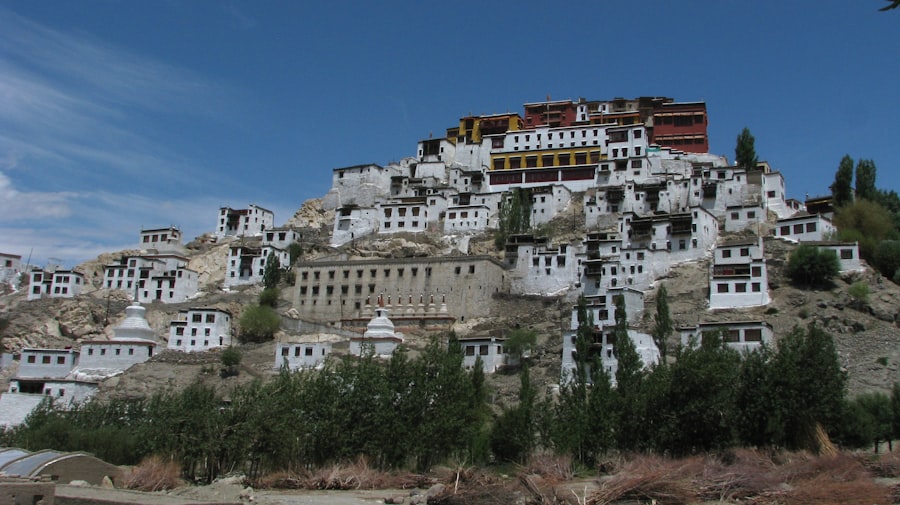
Tibet’s geography presents formidable challenges that have significantly influenced its population distribution. The region is characterized by its high altitude, with much of the land situated above 4,000 meters. This extreme elevation poses serious challenges for agriculture, infrastructure development, and overall livability.
The harsh climate, marked by cold winters and short growing seasons, limits the types of crops that can be cultivated and affects food security for the local population. Moreover, the rugged terrain and vast expanses of uninhabitable land contribute to a sparse population density. Many areas are difficult to access, making transportation and communication challenging.
As a result, communities are often isolated from one another, leading to a fragmented social structure. These geographic challenges have historically restricted population growth and settlement patterns, compelling many Tibetans to adapt their lifestyles to survive in such an inhospitable environment.
Cultural and Religious Influences on Population Density
| Country | Religious Influence | Population Density (people per square kilometer) |
|---|---|---|
| India | Hinduism, Islam, Christianity | 450 |
| Israel | Judaism, Islam, Christianity | 400 |
| Japan | Shintoism, Buddhism | 340 |
| Egypt | Islam, Christianity | 100 |
Tibet’s cultural and religious landscape plays a crucial role in shaping its population density. The Tibetan people are predominantly Buddhist, and their spiritual beliefs are deeply embedded in their daily lives. Monasteries serve as not only religious centers but also as hubs of community life, attracting individuals from surrounding areas.
This concentration of religious institutions can lead to higher population densities in specific locales while leaving vast areas sparsely populated. Additionally, traditional Tibetan customs emphasize a harmonious relationship with nature and a nomadic lifestyle that has historically influenced settlement patterns. Many Tibetans engage in pastoralism, moving with their herds across the plateau in search of grazing land.
This nomadic way of life contributes to lower population densities in certain regions as families migrate seasonally rather than establishing permanent settlements.
Economic and Political Factors Affecting Population Distribution
Economic opportunities and political circumstances significantly impact population distribution in Tibet. The region’s economy has traditionally relied on agriculture and animal husbandry; however, these sectors face challenges due to geographic constraints and climate conditions. Limited economic diversification has resulted in many young Tibetans seeking opportunities elsewhere, leading to urban migration and a decline in rural populations.
Political factors also play a critical role in shaping demographic trends. The Chinese government’s policies regarding economic development and resource allocation have influenced migration patterns within Tibet. Infrastructure projects aimed at improving connectivity have led to increased urbanization as people flock to cities for better job prospects.
This urban migration has resulted in a concentration of populations in urban centers like Lhasa while rural areas experience depopulation. The intersection of economic opportunities and political decisions continues to shape the demographic landscape of Tibet.
Modern Development and its Impact on Tibet’s Population
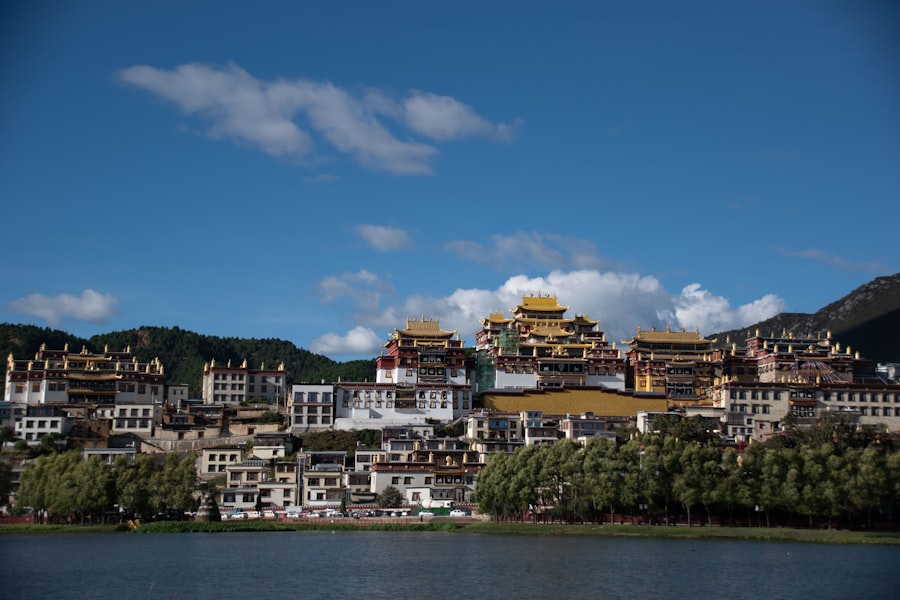
In recent years, modern development initiatives have had a profound impact on Tibet’s population dynamics. The Chinese government has invested heavily in infrastructure projects aimed at improving transportation, communication, and access to resources. While these developments have brought certain benefits, they have also led to significant changes in population distribution.
The construction of roads and railways has facilitated migration from rural areas to urban centers, resulting in increased urbanization. As young people move to cities in search of education and employment opportunities, rural communities face challenges related to aging populations and declining birth rates. This shift towards urban living has implications for cultural preservation as traditional lifestyles are increasingly replaced by modern influences.
The balance between development and cultural identity remains a critical issue for Tibetans as they navigate the complexities of modernity.
Environmental Factors and Population Density in Tibet
Environmental factors play a crucial role in shaping Tibet’s population density and distribution patterns. The region’s unique ecosystem is characterized by its fragile environment, which is sensitive to climate change and human activity. The high altitude and harsh climate limit agricultural productivity, making it difficult for communities to sustain large populations.
Additionally, environmental degradation poses significant challenges for the Tibetan people. Issues such as deforestation, soil erosion, and water scarcity threaten traditional livelihoods and exacerbate food insecurity. As environmental conditions become increasingly unpredictable due to climate change, many Tibetans are forced to adapt their lifestyles or migrate to more hospitable areas.
The interplay between environmental factors and population dynamics underscores the importance of sustainable practices for the future well-being of Tibet’s inhabitants.
Government Policies and Population Control in Tibet
Government policies regarding population control have had a significant impact on Tibet’s demographic landscape. The Chinese government has implemented various measures aimed at managing population growth and promoting Han Chinese migration into the region. These policies have led to demographic shifts that have altered the ethnic composition of Tibet.
The promotion of Han migration has resulted in increased competition for resources and opportunities between Han settlers and the indigenous Tibetan population. This influx has raised concerns about cultural assimilation and the preservation of Tibetan identity amidst rapid change. Additionally, family planning policies have influenced birth rates within Tibetan communities, contributing to shifts in population dynamics over time.
Understanding these government policies is essential for comprehending the complexities surrounding Tibet’s population.
Migration and its Role in Tibet’s Population
Migration plays a pivotal role in shaping Tibet’s population dynamics, both historically and in contemporary times. Internal migration patterns reflect the search for better economic opportunities as individuals move from rural areas to urban centers. This trend has been exacerbated by modern development initiatives that have improved access to cities.
Many Tibetans have sought refuge in neighboring countries or further abroad due to political repression or economic hardship. This diaspora has created transnational communities that maintain connections with their homeland while contributing to global Tibetan culture.
The interplay between internal and external migration highlights the fluidity of Tibet’s population dynamics as individuals navigate complex socio-political landscapes.
The Future of Tibet’s Population
The future of Tibet’s population remains uncertain as various factors continue to shape its demographic landscape. Climate change poses significant challenges that could further impact agricultural productivity and resource availability, potentially leading to increased migration pressures both within and outside the region. Additionally, ongoing political tensions may influence migration patterns as individuals seek safety or better opportunities elsewhere.
Cultural preservation will also be a critical concern for future generations of Tibetans as they navigate modernity while striving to maintain their unique identity amidst external influences. Balancing development with cultural heritage will be essential for ensuring the sustainability of Tibetan communities moving forward. As these dynamics unfold, understanding the complexities surrounding Tibet’s population will be crucial for policymakers and stakeholders invested in the region’s future.
Understanding the Complexities of Tibet’s Sparse Population
Tibet’s sparse population is a reflection of a myriad of factors that intertwine history, geography, culture, politics, economics, and environmental conditions. Each element contributes to shaping the demographic landscape of this unique region, creating a complex tapestry that defies simplistic explanations. From historical events that have influenced settlement patterns to modern development initiatives that reshape urbanization trends, understanding these complexities is essential for grasping the nuances of Tibetan society.
As Tibet navigates the challenges posed by modernity while striving to preserve its rich cultural heritage, it faces an uncertain future marked by both opportunities and obstacles. The interplay between internal dynamics and external influences will continue to shape the lives of Tibetan people for generations to come. Ultimately, recognizing the multifaceted nature of Tibet’s population is vital for fostering dialogue and understanding about this remarkable region on the Roof of the World.
Tibet’s sparse population can be attributed to its harsh geographical conditions, high altitude, and limited arable land, which make it challenging for large communities to thrive. For a deeper understanding of the factors influencing population density in this unique region, you can read more in the article found here.
WATCH THIS! Tibet’s Emptiness Is No Accident
FAQs
What is the population of Tibet?
Tibet has a population of approximately 3.5 million people, making it one of the least densely populated regions in the world.
Why is Tibet so sparsely populated?
Tibet’s sparse population can be attributed to its harsh and rugged terrain, high altitude, and extreme weather conditions, which make it difficult for human habitation and agriculture.
What are the main factors contributing to the low population density in Tibet?
The main factors contributing to the low population density in Tibet include its mountainous terrain, limited arable land, and harsh climate, which make it challenging for people to live and sustain themselves in the region.
How does the Tibetan culture and way of life contribute to the low population density?
The traditional Tibetan nomadic lifestyle, which involves herding animals across vast and remote landscapes, also contributes to the low population density in Tibet, as it requires a large amount of land per person and limits the concentration of people in specific areas.