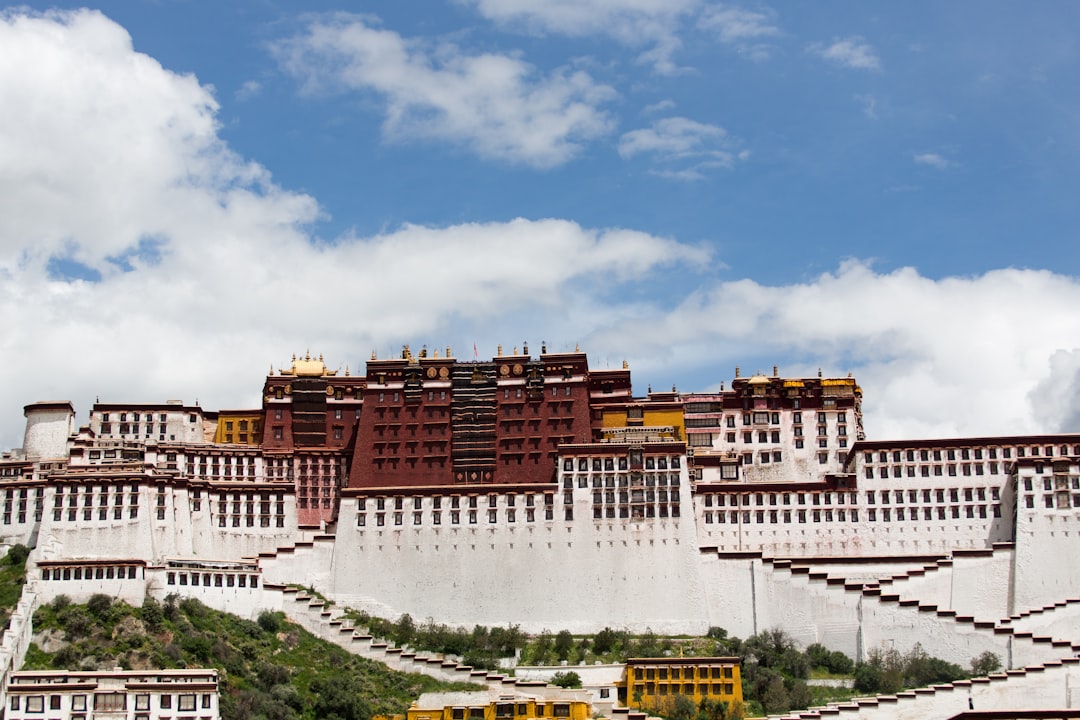
Tibet, often referred to as the “Roof of the World,” occupies a unique position in the heart of Asia, characterized by its vast plateaus and towering mountain ranges. This region, with its rich cultural heritage and spiritual significance, has long been a focal point of geopolitical interest. However, Tibet’s strategic void—its lack of a cohesive political identity and autonomy—has rendered it a complex player in the broader geopolitical landscape.
The implications of this void extend beyond its borders, influencing regional dynamics and international relations. The strategic void in Tibet is not merely a matter of geography; it encompasses historical, cultural, and political dimensions that have shaped its current status. As global powers vie for influence in Asia, Tibet’s position becomes increasingly significant.
The interplay between its natural resources, military importance, and cultural identity creates a multifaceted scenario that warrants careful examination. Understanding Tibet’s strategic void is essential for comprehending the broader geopolitical tensions in the region and their potential consequences for global stability.
Key Takeaways
- Tibet’s strategic void has significant geopolitical and military implications for the region.
- China’s historical control over Tibet has had a major impact on the region’s geopolitical landscape.
- Tibet plays a crucial role in the complex relationship between China and India.
- International players have vested interests in Tibet due to its strategic location and natural resources.
- The strategic void in Tibet has the potential to impact regional stability and has prompted efforts to fill this void.
Historical Background of Tibet’s Strategic Importance
Historically, Tibet has been a crossroads of civilizations, serving as a bridge between India, China, and Central Asia. Its strategic importance can be traced back to ancient trade routes that traversed the region, facilitating the exchange of goods, ideas, and cultures. The Silk Road, for instance, passed through Tibetan territories, highlighting its role as a conduit for commerce and cultural exchange.
This historical backdrop laid the foundation for Tibet’s significance in regional geopolitics. Moreover, Tibet’s unique cultural and religious identity has contributed to its historical importance. The region is home to Tibetan Buddhism, which has not only shaped the spiritual lives of its people but has also attracted global attention.
The Dalai Lama, as a spiritual leader and symbol of Tibetan identity, has played a crucial role in advocating for Tibetan autonomy and human rights on the international stage. This historical context underscores how Tibet’s strategic importance is intertwined with its cultural heritage and the aspirations of its people.
Geopolitical Significance of Tibet
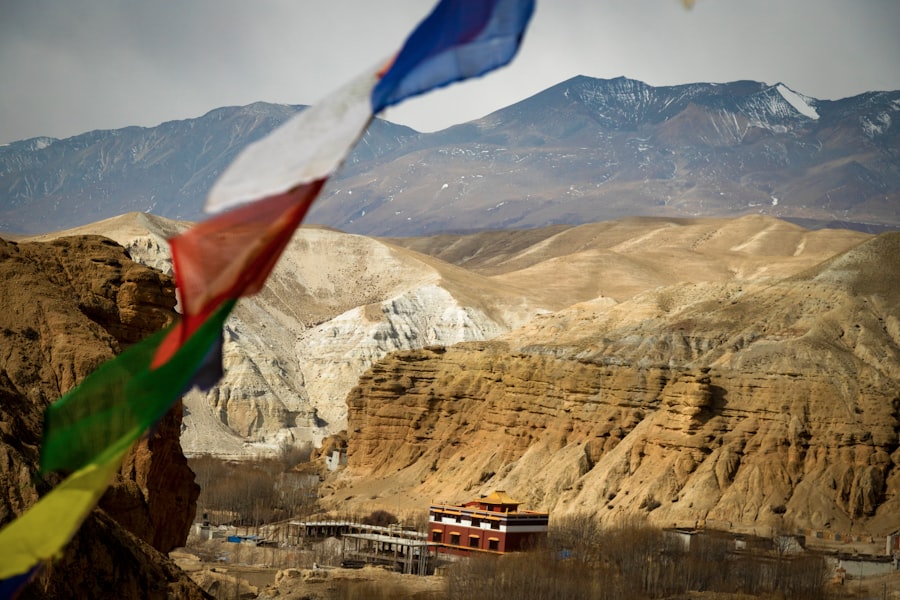
Tibet’s geopolitical significance is underscored by its location at the intersection of several major powers: China, India, and Nepal. This positioning makes it a critical area for military strategy and economic interests. The region serves as a buffer zone between India and China, two nations with a complex relationship marked by competition and cooperation.
As both countries seek to assert their influence in the region, Tibet becomes a focal point for their strategic calculations. Additionally, Tibet’s geographical features contribute to its geopolitical importance. The Tibetan Plateau is the source of several major rivers that flow into neighboring countries, including the Indus, Brahmaputra, and Mekong rivers.
Control over these water resources is vital for regional stability and development. As climate change exacerbates water scarcity issues in South Asia, Tibet’s role as a water tower becomes increasingly critical, further enhancing its geopolitical significance.
China’s Control over Tibet and Its Impact on the Region
| Metrics | Data |
|---|---|
| Population of Tibet | Approximately 3 million |
| Chinese military presence in Tibet | Estimated 200,000 troops |
| Political control | Tibet is an autonomous region of China |
| Impact on Tibetan culture | Suppression of Tibetan language and traditions |
| International response | Concerns raised by human rights organizations and some governments |
China’s control over Tibet has profound implications for the region’s stability and dynamics. Since the 1950s, when Chinese forces entered Tibet, the region has been subject to significant political and cultural changes. The Chinese government has implemented policies aimed at integrating Tibet into the broader Chinese state, often at the expense of Tibetan cultural identity and autonomy.
This control has led to tensions between the Tibetan population and the Chinese authorities, resulting in protests and calls for greater autonomy. The impact of China’s control extends beyond Tibet itself. The Chinese government’s policies have raised concerns among neighboring countries about human rights violations and cultural suppression.
Additionally, China’s infrastructure development projects in Tibet, such as roads and railways, have strategic implications for military logistics and resource extraction. These developments have heightened regional tensions, particularly with India, which views China’s actions in Tibet as a potential threat to its own security.
Tibet’s Role in Sino-Indian Relations
Tibet plays a pivotal role in Sino-Indian relations, serving as both a point of contention and a potential avenue for cooperation. The historical context of the Sino-Indian border dispute is deeply intertwined with Tibet’s status. The McMahon Line, drawn during British colonial rule, remains a contentious issue between India and China.
Both nations assert claims over territories that include parts of Tibet, leading to military standoffs and diplomatic tensions. Furthermore, Tibet’s significance in Sino-Indian relations is amplified by its strategic resources and geographical features. The region’s rivers are crucial for both countries’ water security, making cooperation essential for sustainable development.
However, competing interests often hinder collaborative efforts. As both nations navigate their complex relationship, Tibet remains a focal point that influences their interactions on various fronts.
International Players and Their Interests in Tibet

The international community has taken a keen interest in Tibet due to its strategic significance and human rights concerns. Various countries and organizations advocate for Tibetan autonomy and cultural preservation, viewing these issues through the lens of human rights and self-determination. The United States, for instance, has historically supported Tibetan rights through legislation and diplomatic channels, emphasizing the importance of preserving Tibetan culture.
Moreover, international players recognize Tibet’s potential as a geopolitical pawn in broader strategic games. Countries like India and Nepal are particularly invested in maintaining stability in the region to counterbalance China’s growing influence. As global powers engage with Tibet-related issues, they must navigate a complex landscape where human rights advocacy intersects with geopolitical interests.
Tibet’s Strategic Importance in the Context of Natural Resources
Tibet is rich in natural resources that hold significant strategic value for both China and neighboring countries. The region is endowed with vast mineral deposits, including lithium, copper, and rare earth elements—resources that are increasingly vital for modern technology and renewable energy initiatives. China’s interest in these resources has driven extensive mining operations in Tibet, raising concerns about environmental degradation and the displacement of local communities.
The strategic importance of these natural resources extends beyond economic considerations; they are also integral to national security strategies. As countries seek to secure their supply chains for critical materials, control over Tibetan resources becomes a matter of geopolitical competition. This dynamic further complicates the already intricate relationship between Tibet’s aspirations for autonomy and external interests in its resources.
Military Significance of Tibet’s Strategic Location
Tibet’s strategic location also confers military significance that cannot be overlooked. The region’s high-altitude terrain provides an advantageous position for military operations and surveillance activities. China has invested heavily in military infrastructure in Tibet, establishing bases that enhance its ability to project power across the region.
This military buildup has raised alarms in neighboring countries, particularly India, which perceives it as a direct threat to its national security. The military significance of Tibet is further amplified by its proximity to key border areas with India. The Line of Actual Control (LAC) remains a flashpoint for tensions between the two nations.
As both sides bolster their military presence along this border, Tibet becomes a critical theater for potential conflict or cooperation. The interplay between military strategy and regional stability underscores the importance of understanding Tibet’s role in broader security dynamics.
Tibet’s Strategic Void and the Impact on Regional Stability
The strategic void in Tibet has far-reaching implications for regional stability. Without a cohesive political identity or autonomy, Tibet remains vulnerable to external influences that can exacerbate tensions among neighboring countries. The lack of representation for Tibetan voices in international forums further complicates efforts to address human rights concerns and promote dialogue between stakeholders.
Moreover, the absence of a clear resolution regarding Tibet’s status contributes to ongoing conflicts between China and India. As both nations navigate their interests in the region, the potential for miscalculation increases. The strategic void creates an environment where misunderstandings can escalate into larger confrontations, threatening not only regional stability but also global peace.
Efforts to Fill Tibet’s Strategic Void
In light of these challenges, various efforts have emerged to address Tibet’s strategic void. Advocacy groups continue to push for greater recognition of Tibetan rights on international platforms, seeking to amplify Tibetan voices in discussions about autonomy and cultural preservation. Diplomatic initiatives aimed at fostering dialogue between China and Tibetan representatives have also gained traction among some international players.
Additionally, regional cooperation initiatives involving neighboring countries may offer pathways to fill this strategic void. Collaborative efforts focused on sustainable development and resource management could help mitigate tensions while promoting stability in the region. By fostering dialogue and understanding among stakeholders, there is potential to create a more balanced approach to addressing Tibet’s unique challenges.
Future Implications of Tibet’s Strategic Void
The future implications of Tibet’s strategic void are complex and multifaceted. As global powers continue to navigate their interests in Asia, understanding Tibet’s unique position becomes increasingly crucial. The interplay between historical context, geopolitical significance, natural resources, and military considerations shapes not only regional dynamics but also global stability.
Moving forward, addressing Tibet’s strategic void will require concerted efforts from various stakeholders—governments, advocacy groups, and international organizations alike.
Ultimately, how the world engages with Tibet will have lasting consequences for peace and stability in Asia and beyond.
Tibet’s strategic void has significant implications for regional geopolitics, particularly in the context of its relationship with neighboring countries. For a deeper understanding of the geopolitical dynamics in the region, you can read the article on this topic at