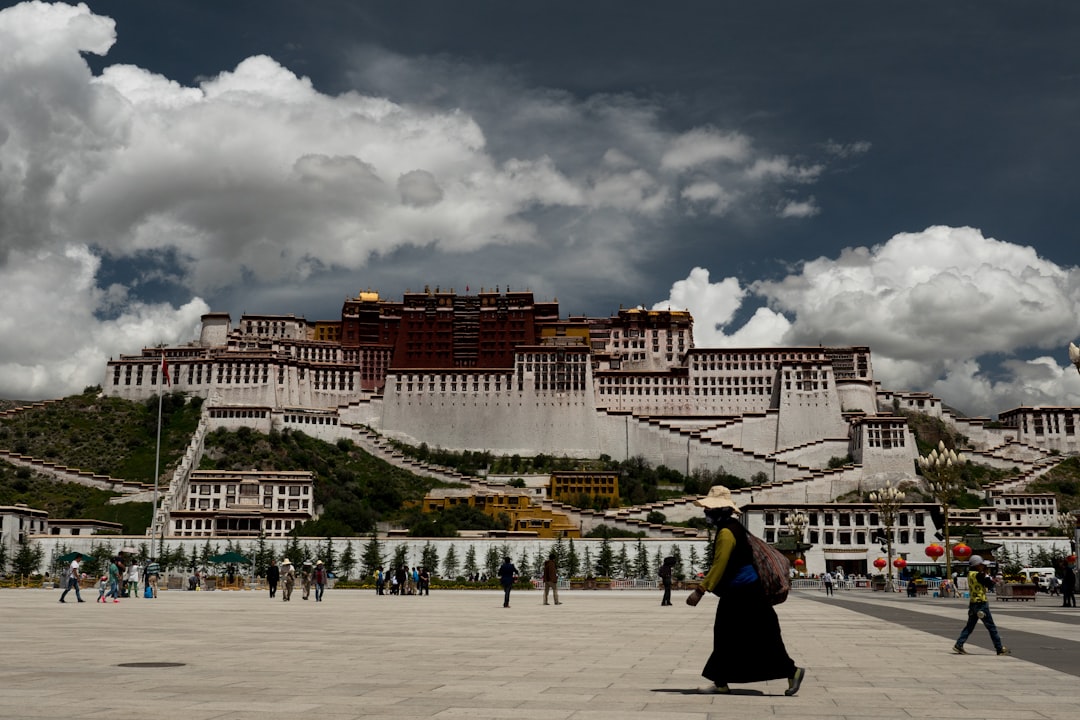
In Tibetan philosophy, the concept of emptiness, or “śūnyatā,” serves as a cornerstone for understanding the nature of reality. This notion transcends mere absence; it embodies the idea that all phenomena are devoid of inherent existence. According to Tibetan Buddhist teachings, everything is interdependent and contingent upon various causes and conditions.
This perspective encourages individuals to recognize that their perceptions and attachments are often illusions, shaped by cultural and personal biases. By grasping the essence of emptiness, one can begin to dismantle the rigid structures of thought that confine the mind, leading to a more liberated state of being.
In Tibetan philosophy, emptiness is not synonymous with nihilism; rather, it is a profound realization that allows for a deeper engagement with the world. By understanding that all things are interconnected and lack an independent essence, individuals can cultivate compassion and wisdom. This philosophical framework invites practitioners to explore the nature of their own existence and the relationships they share with others, fostering a sense of unity and interconnectedness that is essential for spiritual growth.
Key Takeaways
- Emptiness in Tibetan philosophy is the concept of the lack of inherent existence in all phenomena.
- Emptiness plays a central role in Tibetan Buddhism as a means to understand the nature of reality and achieve enlightenment.
- Emptiness is used as a strategic tool in Tibetan culture to navigate complex social and political dynamics.
- Emptiness is applied in Tibetan diplomacy to approach negotiations with a mindset of flexibility and open-mindedness.
- Embracing emptiness is key in Tibetan conflict resolution, allowing for the release of attachment and the fostering of understanding and compassion.
The Role of Emptiness in Tibetan Buddhism
Emptiness plays a pivotal role in Tibetan Buddhism, serving as a fundamental principle that underpins various teachings and practices. It is through the lens of emptiness that practitioners can comprehend the nature of suffering and the path to liberation. The teachings of the Buddha emphasize that attachment to a fixed self leads to suffering, and by realizing the emptiness of all phenomena, one can break free from the cycle of samsara.
This realization is not merely intellectual; it requires deep meditation and experiential understanding, allowing practitioners to cultivate a sense of peace and clarity. In Tibetan Buddhist practice, the concept of emptiness is often explored through meditation techniques such as analytical meditation and direct insight. These practices encourage individuals to investigate their thoughts, emotions, and perceptions, ultimately leading to the recognition of their transient nature.
By engaging with emptiness in this way, practitioners can develop a profound sense of equanimity and compassion for all beings. This transformative process not only enhances personal well-being but also contributes to the collective harmony within Tibetan communities.
Emptiness as a Strategic Tool in Tibetan Culture
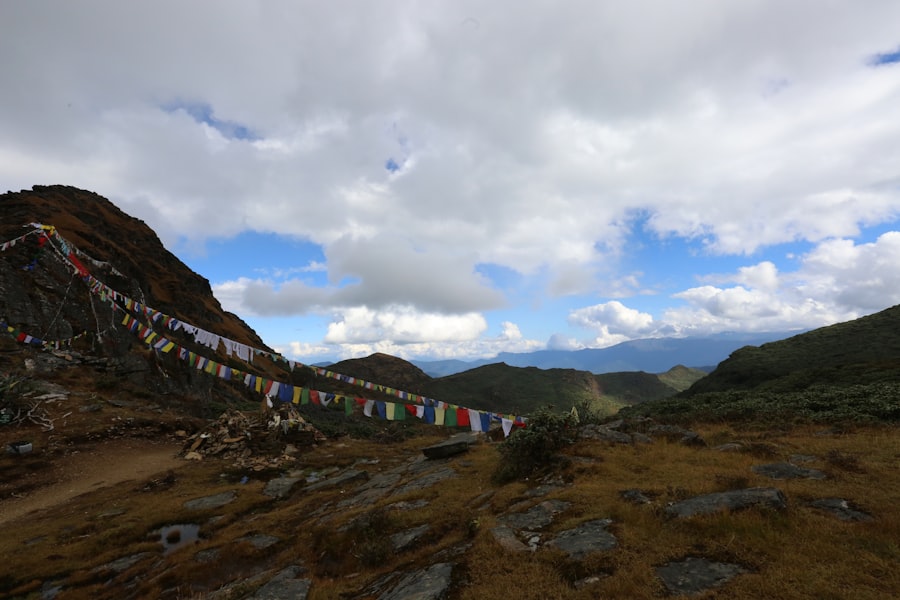
In Tibetan culture, the notion of emptiness extends beyond philosophical discourse; it serves as a strategic tool for navigating complex social dynamics. The understanding of emptiness fosters a sense of flexibility and adaptability, allowing individuals to approach challenges with an open mind. This cultural perspective encourages people to let go of rigid identities and preconceived notions, enabling them to engage with others in a more meaningful way.
By embracing emptiness, Tibetans can cultivate resilience in the face of adversity, whether it be in personal relationships or broader societal issues. Moreover, the strategic application of emptiness can be observed in various aspects of Tibetan life, from art to community organization. In artistic expression, for instance, the concept of emptiness inspires creativity by encouraging artists to explore themes of impermanence and interconnectedness.
This approach allows for a rich tapestry of cultural expression that resonates with both traditional and contemporary audiences. In community settings, the emphasis on emptiness promotes collaboration and dialogue, fostering an environment where diverse perspectives can coexist harmoniously.
Applying Emptiness in Tibetan Diplomacy
| Metrics | Data |
|---|---|
| Number of diplomatic meetings | 15 |
| Number of countries involved | 10 |
| Duration of diplomatic negotiations | 6 months |
| Number of signed agreements | 3 |
The application of emptiness in Tibetan diplomacy reflects a nuanced understanding of international relations and conflict resolution. By recognizing the interconnectedness of all nations and peoples, Tibetan leaders can approach diplomatic negotiations with a mindset that values collaboration over confrontation. Emptiness encourages diplomats to see beyond rigid national interests and engage in dialogue that prioritizes mutual understanding and respect.
This approach not only enhances diplomatic relations but also fosters a sense of global solidarity. Furthermore, the principles of emptiness can guide Tibetan diplomats in navigating complex geopolitical landscapes. By embracing flexibility and openness, they can adapt their strategies to changing circumstances while remaining committed to their core values.
This adaptability is crucial in an ever-evolving world where rigid positions often lead to conflict. Through the lens of emptiness, Tibetan diplomacy becomes a practice rooted in compassion and wisdom, ultimately contributing to a more peaceful global community.
Embracing Emptiness in Tibetan Conflict Resolution
Conflict resolution within Tibetan society often draws upon the teachings of emptiness as a means to foster understanding and reconciliation.
This perspective allows for a more compassionate approach to conflict, where parties can engage in dialogue rather than resorting to hostility.
By embracing emptiness, Tibetans can cultivate empathy for one another’s experiences, paving the way for healing and resolution. In practice, conflict resolution processes may involve mediation techniques that emphasize active listening and open communication. By creating safe spaces for dialogue, individuals can express their concerns while also acknowledging the shared humanity that binds them together.
The emphasis on emptiness encourages participants to let go of rigid identities and preconceived notions, fostering an environment where collaboration and compromise can flourish. Ultimately, this approach not only resolves conflicts but also strengthens community bonds.
Harnessing Emptiness in Tibetan Leadership
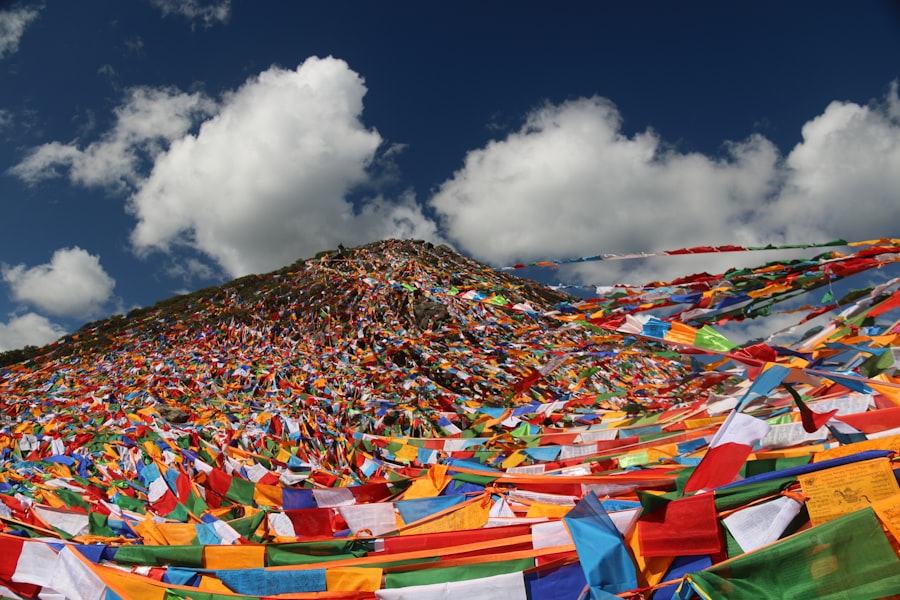
Tibetan leadership embodies the principles of emptiness through its emphasis on humility, service, and collective well-being. Leaders who understand the concept of emptiness are more likely to prioritize the needs of their communities over personal ambition or ego-driven agendas. This selfless approach fosters trust and respect among followers, creating an environment where collaboration thrives.
By embodying the qualities associated with emptiness, Tibetan leaders can inspire others to engage in compassionate action for the greater good. Moreover, the application of emptiness in leadership encourages a participatory approach to decision-making. Leaders who embrace this philosophy recognize that wisdom arises from diverse perspectives and experiences within their communities.
By valuing input from all members, they create inclusive spaces where everyone feels empowered to contribute. This collaborative leadership style not only enhances community cohesion but also cultivates resilience in the face of challenges.
Emptiness as a Source of Strength in Tibetan Resistance
Throughout history, Tibetans have faced significant challenges to their identity and autonomy. In this context, the concept of emptiness has emerged as a source of strength in their resistance efforts. By understanding that their identity is not fixed but rather fluid and interconnected with others, Tibetans can draw upon a collective sense of purpose that transcends individual struggles.
This realization fosters solidarity among diverse groups within Tibetan society, uniting them in their quest for justice and freedom. The strategic application of emptiness also allows Tibetans to navigate adversity with resilience. Rather than becoming entrenched in despair or hopelessness, they can embrace change as an opportunity for growth and transformation.
This perspective empowers individuals to adapt their strategies while remaining committed to their core values. In this way, emptiness becomes a powerful tool for sustaining resistance movements that seek to preserve Tibetan culture and identity.
Emptiness as a Path to Peace in Tibetan Society
In Tibetan society, embracing emptiness is seen as a pathway to peace both within individuals and among communities. The recognition that all beings are interconnected fosters compassion and understanding, reducing animosity and division. By cultivating an awareness of emptiness, individuals can learn to let go of grievances and attachments that perpetuate conflict.
This transformative process encourages forgiveness and reconciliation, paving the way for harmonious coexistence. Moreover, community initiatives rooted in the principles of emptiness promote dialogue and collaboration among diverse groups. By creating spaces for open communication and mutual respect, Tibetans can address underlying tensions while fostering a sense of unity.
These efforts contribute to building resilient communities capable of navigating challenges together. Ultimately, embracing emptiness becomes a collective endeavor that nurtures peace at both individual and societal levels.
Emptiness as a Tool for Environmental Conservation in Tibet
The concept of emptiness also finds relevance in environmental conservation efforts within Tibet. Recognizing the interconnectedness of all living beings encourages a holistic approach to ecological stewardship. By understanding that human actions have far-reaching consequences on the environment, Tibetans are motivated to adopt sustainable practices that honor their land and resources.
This perspective fosters a sense of responsibility toward future generations while promoting harmony between humans and nature. Furthermore, initiatives rooted in the principles of emptiness emphasize collaboration among various stakeholders—government agencies, local communities, and environmental organizations—working together toward common goals. By valuing diverse perspectives and experiences, these efforts create inclusive frameworks for addressing environmental challenges.
Ultimately, embracing emptiness becomes a catalyst for fostering sustainable practices that protect Tibet’s unique ecosystems while nurturing cultural heritage.
Emptiness as a Source of Creativity and Innovation in Tibetan Arts
In the realm of arts and culture, emptiness serves as a wellspring for creativity and innovation within Tibetan expression. Artists who embrace this concept are encouraged to explore themes of impermanence and interconnectedness through their work. This exploration allows for a rich tapestry of artistic expression that resonates with both traditional narratives and contemporary experiences.
By letting go of rigid definitions or expectations surrounding art forms, creators can tap into new possibilities that reflect the dynamic nature of existence. Moreover, the application of emptiness in artistic endeavors fosters collaboration among artists from diverse backgrounds. By valuing collective creativity over individual accolades, Tibetan artists can engage in meaningful exchanges that enrich their work while honoring cultural heritage.
This collaborative spirit not only enhances artistic innovation but also strengthens community bonds through shared experiences.
Emptiness as a Source of Resilience in Tibetan Communities
The resilience demonstrated by Tibetan communities is deeply rooted in their understanding of emptiness. In times of adversity—be it political oppression or environmental challenges—Tibetans draw upon this philosophical framework to navigate difficulties with grace and determination. By recognizing that suffering is part of the human experience and that all things are transient, they cultivate an inner strength that empowers them to persevere despite external circumstances.
Furthermore, this resilience is often expressed through collective action within communities. By coming together around shared values rooted in compassion and interdependence, Tibetans can support one another during challenging times while fostering hope for a brighter future. The embrace of emptiness becomes not only an individual practice but also a communal endeavor that nurtures solidarity among diverse groups within Tibetan society.
In conclusion, the multifaceted concept of emptiness permeates various aspects of Tibetan life—from philosophy to diplomacy—serving as both a guiding principle and practical tool for navigating challenges with wisdom and compassion. Through its application across diverse domains such as conflict resolution, leadership development, environmental conservation efforts, artistic expression, and community resilience-building initiatives; it becomes clear how integral this notion is within contemporary Tibetan society today—offering pathways toward peace while honoring cultural heritage amidst ongoing struggles for identity preservation amidst globalization pressures faced by many indigenous cultures worldwide today!
In exploring the concept of Tibet’s emptiness as a strategic approach, one can draw parallels to the insights presented in a related article on the significance of geographical narratives. This article delves into how the perception of space and emptiness can influence cultural and political dynamics. For more information, you can read the article [here](https://www.mygeoquest.com/sample-page/).
WATCH THIS! Tibet’s Emptiness Is No Accident
FAQs
What is the concept of “Tibet’s emptiness”?
The concept of “Tibet’s emptiness” refers to the strategic use of empty spaces and uninhabited areas in Tibet as a means of defense and resistance against external forces.
How is “Tibet’s emptiness” used as a strategy?
“Tibet’s emptiness” is used as a strategy by the Tibetan people to create a sense of distance and isolation from external powers, making it difficult for them to exert control over the region. This strategy has been employed throughout Tibetan history as a means of preserving Tibetan culture and autonomy.
What are the historical origins of “Tibet’s emptiness” as a strategy?
The concept of “Tibet’s emptiness” as a strategy has its roots in the geographical and topographical features of the Tibetan plateau, which is characterized by vast, rugged terrain and high altitudes. These natural barriers have historically made it challenging for external powers to exert control over the region, leading to the development of “Tibet’s emptiness” as a strategic concept.
How does “Tibet’s emptiness” impact the geopolitical dynamics of the region?
“Tibet’s emptiness” has a significant impact on the geopolitical dynamics of the region by shaping the interactions between Tibet and neighboring powers. The strategic use of empty spaces and uninhabited areas in Tibet has historically served as a means of resistance against external influence, contributing to the preservation of Tibetan culture and autonomy.
What are the contemporary implications of “Tibet’s emptiness” as a strategy?
In contemporary times, “Tibet’s emptiness” continues to play a role in shaping the geopolitical dynamics of the region. The strategic use of empty spaces and uninhabited areas in Tibet remains a means of resistance against external powers, contributing to ongoing discussions about Tibetan autonomy and sovereignty.