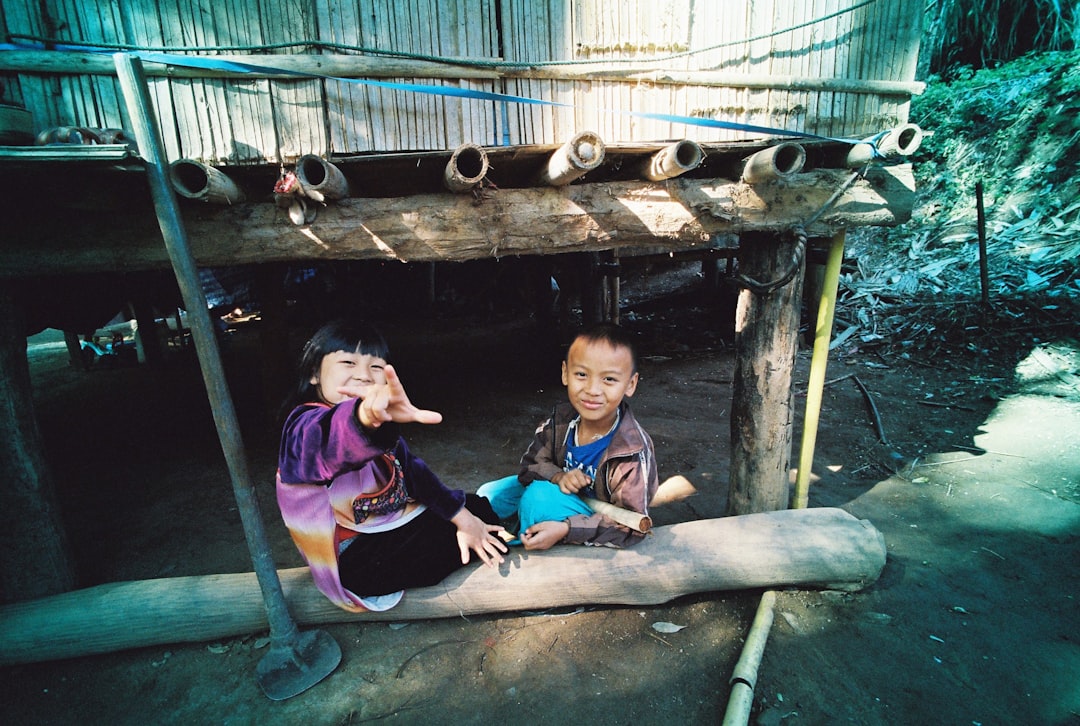
Tibetan population centers are unique hubs of culture, spirituality, and tradition, deeply rooted in the rich history of the Tibetan people. These centers serve as focal points for the preservation of Tibetan identity, language, and customs, particularly in regions where Tibetan communities have settled. The Tibetan diaspora has spread across various countries, leading to the establishment of vibrant communities that maintain their cultural heritage while adapting to new environments.
Understanding these population centers is essential for appreciating the resilience and dynamism of Tibetan culture in the face of modern challenges. The significance of Tibetan population centers extends beyond mere demographics; they are vital for the continuity of Tibetan Buddhism, art, and social practices. These centers often become sanctuaries for those seeking spiritual solace and cultural connection.
As such, they play a crucial role in fostering a sense of belonging among Tibetans, whether they reside in their homeland or abroad. The exploration of these centers reveals not only the geographical distribution of Tibetan communities but also the intricate tapestry of their historical and cultural narratives.
Key Takeaways
- Tibetan population centers are spread across China, India, Nepal, Bhutan, and the United States.
- Historical background of Tibetan settlements dates back to ancient times, with a rich cultural heritage and traditions.
- The geography of Tibetan population centers varies from high-altitude mountainous regions to low-lying plains.
- Urban Tibetan population centers are characterized by modern infrastructure and amenities, while rural centers maintain traditional lifestyles.
- Major Tibetan population centers in China include Lhasa, Shigatse, and Chamdo, among others.
Historical Background of Tibetan Settlements
The history of Tibetan settlements is marked by a complex interplay of migration, trade, and cultural exchange. Traditionally, Tibetans were nomadic herders and farmers who settled in various regions across the Tibetan Plateau.
Over centuries, these interactions contributed to the development of distinct Tibetan communities characterized by their unique customs and practices. The 20th century brought significant upheaval to Tibet, particularly with the Chinese invasion in 1950. This event led to mass migrations as many Tibetans fled their homeland in search of safety and freedom.
As a result, Tibetan settlements began to emerge in various countries, including India, Nepal, and Bhutan. These new communities not only provided refuge but also became vital centers for preserving Tibetan culture and identity in exile. The historical context of these migrations is essential for understanding the current landscape of Tibetan population centers around the world.
The Geography of Tibetan Population Centers
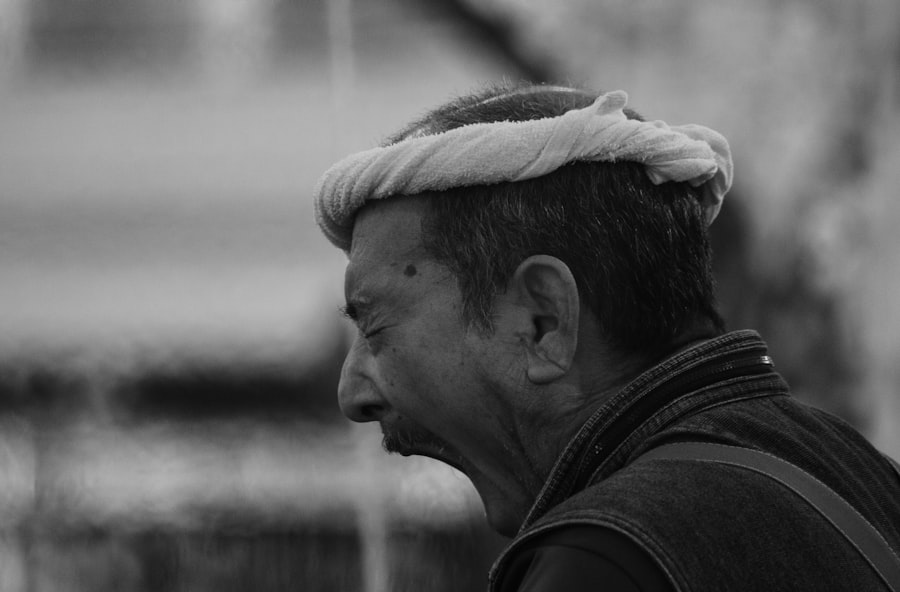
Tibetan population centers are predominantly located in the high-altitude regions of Central Asia, particularly within the borders of Tibet Autonomous Region (TAR) in China. However, significant populations have also established themselves in neighboring countries such as India, Nepal, and Bhutan. The geographical diversity of these centers reflects the adaptability of the Tibetan people as they navigate different environments while maintaining their cultural identity.
In addition to the natural beauty of the Tibetan Plateau, which is characterized by its majestic mountains and vast grasslands, these population centers often feature monasteries and cultural institutions that serve as focal points for community life. The geography not only influences the lifestyle and economic activities of Tibetans but also shapes their spiritual practices. Monasteries perched on mountain tops or nestled in valleys become symbols of resilience and faith, drawing pilgrims and visitors alike.
The distinction between urban and rural Tibetan population centers is significant in understanding the dynamics of Tibetan life. Urban centers such as Lhasa, Dharamshala, and Kathmandu offer a blend of modernity and tradition. In these cities, Tibetans engage with contemporary society while striving to preserve their cultural heritage.
Urbanization has led to increased access to education, healthcare, and economic opportunities, yet it also poses challenges related to cultural assimilation and identity preservation. Conversely, rural Tibetan population centers maintain a more traditional way of life, often centered around agriculture and pastoralism. These communities are characterized by close-knit social structures and a strong connection to the land.
While rural areas may lack some modern amenities found in urban settings, they offer a sense of continuity with ancestral practices and values. The contrast between urban and rural centers highlights the diverse experiences within the Tibetan community and underscores the importance of both settings in sustaining Tibetan culture.
Major Tibetan Population Centers in China
| City | Province | Tibetan Population |
|---|---|---|
| Lhasa | Tibet Autonomous Region | 200,000 |
| Shigatse | Tibet Autonomous Region | 100,000 |
| Chengdu | Sichuan | 30,000 |
| Xining | Qinghai | 20,000 |
Within China, several major Tibetan population centers exist that reflect the rich cultural heritage of the Tibetan people. Lhasa, the capital of Tibet Autonomous Region, stands out as a spiritual and cultural epicenter. Home to iconic landmarks such as the Potala Palace and Jokhang Temple, Lhasa attracts pilgrims and tourists alike.
The city serves as a hub for religious activities and cultural events that reinforce Tibetan identity. Other significant centers include Shigatse and Gyantse, which are known for their historical monasteries and vibrant markets. These cities play a crucial role in preserving traditional crafts and practices while also adapting to modern influences.
Despite challenges posed by political restrictions and economic changes, these population centers continue to be vital for maintaining Tibetan culture within China.
Major Tibetan Population Centers in India
India hosts one of the largest Tibetan diasporas outside Tibet, with several major population centers that have become vital for preserving Tibetan culture. Dharamshala is perhaps the most well-known center, serving as the residence of the Dalai Lama and the headquarters for the Central Tibetan Administration (CTA). This town has transformed into a vibrant hub for Tibetan culture, attracting visitors from around the world who seek to learn about Buddhism and engage with Tibetan traditions.
Other notable centers include Bylakuppe in Karnataka and Ladakh in Jammu and Kashmir. Bylakuppe is home to one of the largest Tibetan settlements in India, featuring numerous monasteries and schools that promote Tibetan language and culture. Ladakh offers a unique blend of Tibetan Buddhism with local traditions, creating a rich cultural tapestry that reflects both Tibetan heritage and regional influences.
These centers not only provide refuge for Tibetans but also serve as important sites for cultural exchange and dialogue.
Major Tibetan Population Centers in Nepal
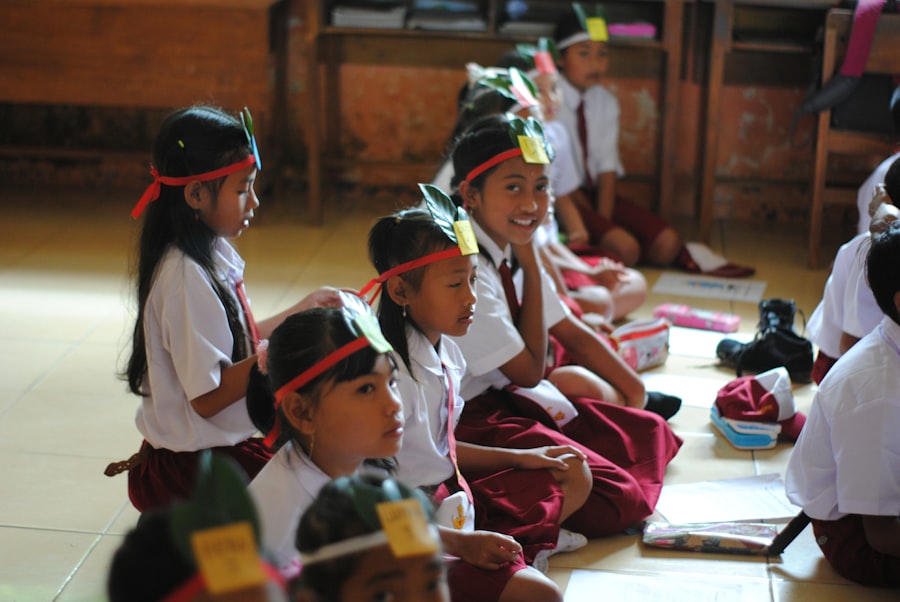
Nepal is home to several significant Tibetan population centers that contribute to the preservation of Tibetan culture in exile. The town of Boudhanath is particularly noteworthy due to its iconic stupa, which serves as a pilgrimage site for both Tibetans and visitors from around the world. Boudhanath has developed into a vibrant community where traditional practices coexist with modern influences.
The presence of monasteries and cultural institutions in these areas fosters a sense of community among Tibetans while also promoting awareness about their struggles and aspirations. The geographical proximity to Tibet allows for continued cultural exchange between Tibetans living in Nepal and those who remain in their homeland.
Major Tibetan Population Centers in Bhutan
Bhutan’s relationship with its Tibetan neighbors has led to the establishment of several important Tibetan population centers within its borders. The country has historically been influenced by Tibetan Buddhism, which shapes its cultural landscape. Areas such as Trashigang and Thimphu have seen significant Tibetan populations that contribute to Bhutan’s rich tapestry of traditions.
In Bhutanese society, Tibetans often play a vital role in preserving religious practices and artistic expressions that are integral to both cultures. The coexistence of Bhutanese and Tibetan communities fosters a unique environment where traditions are shared and celebrated. This dynamic highlights the importance of cross-cultural interactions in sustaining both Bhutanese and Tibetan identities.
Major Tibetan Population Centers in the United States
The United States has emerged as a significant destination for Tibetan refugees seeking safety and opportunities for a better life. Major population centers include New York City, San Francisco, and Seattle, where vibrant Tibetan communities have formed over time. These urban areas provide access to resources that support cultural preservation while allowing Tibetans to engage with broader American society.
In these cities, Tibetans have established cultural organizations that promote language education, traditional arts, and community events. Festivals celebrating Tibetan New Year (Losar) or other significant occasions serve as platforms for cultural expression and solidarity among community members. The presence of these population centers not only enriches American multiculturalism but also ensures that Tibetan heritage continues to thrive even far from its geographical roots.
Challenges and Opportunities in Tibetan Population Centers
Tibetan population centers face numerous challenges that threaten their cultural integrity and social cohesion. Political pressures from host countries can lead to restrictions on religious practices or cultural expressions. Additionally, economic disparities may hinder access to education or healthcare within these communities, exacerbating issues related to poverty and marginalization.
Despite these challenges, there are also significant opportunities for growth and resilience within Tibetan population centers. Increased global awareness about human rights issues related to Tibet has led to greater support from international organizations and advocacy groups. Furthermore, technological advancements enable Tibetans to connect with each other across borders, fostering a sense of unity among dispersed communities.
Conclusion and Future Prospects for Tibetan Population Centers
The future prospects for Tibetan population centers are shaped by both challenges and opportunities that lie ahead. As globalization continues to influence cultural dynamics worldwide, these centers must navigate the delicate balance between preserving their unique heritage while adapting to changing circumstances. The resilience demonstrated by Tibetans throughout history suggests that they will continue to find ways to thrive despite adversity.
Looking forward, fostering collaboration among different Tibetan communities across borders will be essential for sustaining their cultural identity. Initiatives aimed at promoting education, economic development, and cultural exchange can empower Tibetans to maintain their traditions while engaging with contemporary society. Ultimately, the vitality of Tibetan population centers will depend on their ability to adapt while remaining rooted in their rich historical legacy.
The geography of Tibetan population centers is a fascinating subject that highlights the unique cultural and environmental factors influencing the region. For a deeper understanding of this topic, you can explore the article on population distribution and its implications in Tibet by visiting this link. This resource provides valuable insights into the demographic trends and settlement patterns within the Tibetan plateau.
WATCH THIS! Tibet’s Emptiness Is No Accident
FAQs
What is the geography of Tibetan population centers?
The geography of Tibetan population centers refers to the distribution and location of Tibetan communities across the Tibetan Plateau and surrounding regions.
Where are the main Tibetan population centers located?
The main Tibetan population centers are located in the Tibet Autonomous Region of China, as well as in the provinces of Qinghai, Sichuan, Gansu, and Yunnan. There are also significant Tibetan communities in neighboring countries such as India, Nepal, and Bhutan.
What are the characteristics of the Tibetan Plateau?
The Tibetan Plateau is often referred to as the “Roof of the World” and is the highest and largest plateau on Earth. It is characterized by high altitude, rugged terrain, and a cold, arid climate.
How does the geography of Tibetan population centers impact their way of life?
The geography of Tibetan population centers has a significant impact on the way of life of the Tibetan people. The high altitude and harsh climate have shaped their traditional nomadic and agricultural practices, as well as their unique cultural and religious traditions.
Are there any challenges associated with the geography of Tibetan population centers?
Yes, the geography of Tibetan population centers presents several challenges, including limited access to transportation and infrastructure, as well as environmental issues such as desertification and water scarcity. These challenges can impact the livelihoods and well-being of the Tibetan people.