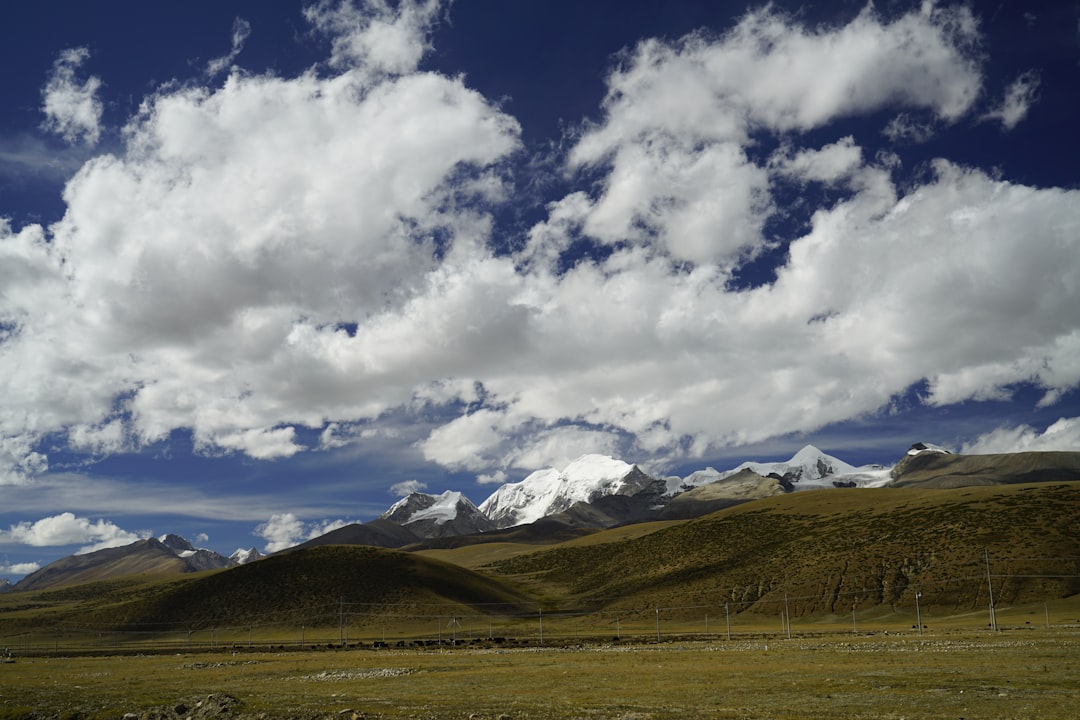
Tibet, often referred to as the “Roof of the World,” is renowned for its breathtaking landscapes and unique high-altitude ecosystem. Nestled in the heart of the Himalayas, this region boasts some of the highest elevations on the planet, with an average altitude exceeding 4,500 meters. The harsh yet stunning environment has fostered a remarkable array of biodiversity, making Tibet a focal point for ecological studies and conservation efforts.
The high-altitude ecosystem is not only a testament to nature’s resilience but also a critical component of global environmental health. The significance of Tibet’s ecosystem extends beyond its geographical boundaries. It plays a vital role in regulating climate patterns and water resources across Asia.
The Tibetan Plateau serves as a crucial water source for major rivers, including the Yangtze, Yellow, and Indus, impacting millions of lives downstream. Understanding this unique ecosystem is essential for addressing broader environmental challenges, including climate change and biodiversity loss. As researchers delve deeper into Tibet’s ecological intricacies, they uncover the delicate balance that sustains life in one of the most extreme environments on Earth.
Key Takeaways
- Tibet’s high-altitude ecosystem is a unique and fragile environment that supports a diverse range of flora and fauna.
- The geographic features of Tibet’s high-altitude ecosystem include vast plateaus, towering mountains, and deep valleys, creating a diverse and challenging landscape.
- The flora and fauna of Tibet’s high-altitude ecosystem have adapted to extreme conditions, including low oxygen levels and harsh weather.
- Human impact on Tibet’s high-altitude ecosystem has led to habitat destruction, overgrazing, and pollution, threatening the delicate balance of the ecosystem.
- Conservation efforts in Tibet’s high-altitude ecosystem are crucial for protecting biodiversity and preserving the cultural and spiritual significance of the region.
Geographic Features of Tibet’s High-Altitude Ecosystem
The geographic features of Tibet’s high-altitude ecosystem are as diverse as they are striking. The region is characterized by vast plateaus, towering mountain ranges, and deep valleys, all shaped by millennia of geological activity. The Tibetan Plateau itself is the largest and highest plateau in the world, often referred to as the “Third Pole” due to its extensive glacial coverage.
This unique topography not only influences local weather patterns but also creates distinct microclimates that support various forms of life. In addition to its impressive elevation, Tibet is home to numerous lakes, rivers, and glaciers that contribute to its ecological richness. Lakes such as Namtso and Yamdrok are not only stunning natural wonders but also vital habitats for migratory birds and other wildlife.
The region’s rivers, fed by melting glaciers, provide essential water resources for both ecosystems and human communities. The interplay between these geographic features creates a complex web of habitats that sustain a wide range of flora and fauna, making Tibet a critical area for ecological research and conservation.
Flora and Fauna of Tibet’s High-Altitude Ecosystem
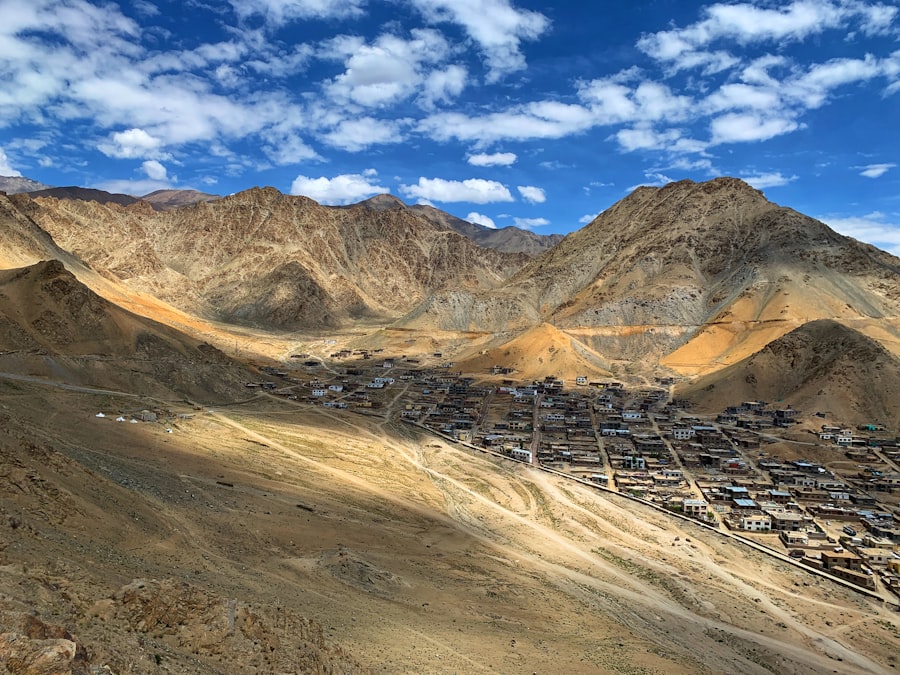
The flora and fauna of Tibet’s high-altitude ecosystem are uniquely adapted to thrive in extreme conditions. The harsh climate, characterized by low temperatures, high winds, and limited oxygen levels, has led to the evolution of specialized plant species that can withstand these challenges. Among the most notable are the resilient grasses and shrubs that blanket the plateau, providing essential sustenance for herbivores such as yaks and sheep.
These plants have developed deep root systems to access water and nutrients from the thin soil, allowing them to flourish despite the harsh environment. Tibet’s fauna is equally remarkable, featuring a variety of species that have adapted to life at high altitudes. Iconic animals such as the Tibetan antelope, snow leopard, and wild yak roam the rugged terrain, each exhibiting unique adaptations that enable their survival.
For instance, the snow leopard possesses thick fur and large nasal passages that help it conserve heat and breathe more efficiently in thin air. The diverse array of wildlife not only contributes to the region’s ecological balance but also holds cultural significance for local communities who have coexisted with these animals for centuries.
Unique Adaptations of Plants and Animals in Tibet’s High-Altitude Ecosystem
| Species | Adaptation |
|---|---|
| Snow Leopard | Thick fur and large paws for insulation and traction on snow |
| Tibetan Yak | Large lungs and heart for efficient oxygen utilization |
| Tibetan Antelope | High red blood cell count for oxygen transport at high altitudes |
| Tibetan Blue Bear | Thick fur and fat reserves for insulation and energy storage |
| Tibetan Gazelle | Efficient oxygen utilization and heat conservation in cold temperatures |
The unique adaptations of plants and animals in Tibet’s high-altitude ecosystem are a testament to nature’s ingenuity in overcoming adversity. Many plant species have evolved to possess thick leaves and stems that minimize water loss through transpiration, a crucial adaptation in an environment where moisture is scarce. Some plants even exhibit a phenomenon known as “dwarfism,” growing close to the ground to avoid harsh winds and extreme temperatures.
These adaptations allow them to survive in conditions that would be inhospitable to most other species. Similarly, animals in this region have developed remarkable physiological traits that enable them to thrive in high-altitude environments. For example, the Tibetan antelope has a unique circulatory system that allows it to efficiently transport oxygen throughout its body despite the thin air at high elevations.
Additionally, many species exhibit seasonal behaviors, such as migration or hibernation, to cope with the extreme fluctuations in temperature and food availability. These adaptations not only highlight the resilience of life in Tibet but also underscore the importance of preserving this fragile ecosystem for future generations.
Climate and Weather Patterns in Tibet’s High-Altitude Ecosystem
The climate and weather patterns in Tibet’s high-altitude ecosystem are characterized by extreme variability and harsh conditions. The region experiences long, cold winters with heavy snowfall, while summers are short and cool, with temperatures rarely exceeding 20 degrees Celsius. The high altitude results in significant temperature fluctuations between day and night, creating a challenging environment for both flora and fauna.
Additionally, the region is subject to strong winds that can exacerbate these conditions, further testing the resilience of life in this unique ecosystem. Precipitation in Tibet is primarily influenced by monsoonal patterns, with most rainfall occurring during the summer months.
Understanding these climate dynamics is crucial for predicting how changes in global weather patterns may impact Tibet’s delicate ecosystem. As climate change continues to pose significant threats worldwide, monitoring these weather patterns becomes increasingly important for conservation efforts.
Human Impact on Tibet’s High-Altitude Ecosystem

Human impact on Tibet’s high-altitude ecosystem has been profound and multifaceted. Over the years, increased development activities such as mining, infrastructure expansion, and tourism have led to significant environmental degradation. The construction of roads and buildings has disrupted natural habitats, while mining operations have resulted in soil erosion and pollution.
These activities not only threaten local wildlife but also jeopardize the delicate balance of ecosystems that have evolved over millennia. Moreover, climate change exacerbated by human activities poses an additional threat to Tibet’s environment. Glacial retreat due to rising temperatures affects water availability for both ecosystems and communities dependent on these resources.
As traditional lifestyles are challenged by modern pressures, local populations face difficult choices that can further strain the fragile ecosystem. Addressing these human impacts requires a concerted effort from governments, NGOs, and local communities to promote sustainable practices that protect Tibet’s unique environment.
Conservation Efforts in Tibet’s High-Altitude Ecosystem
Conservation efforts in Tibet’s high-altitude ecosystem have gained momentum in recent years as awareness of environmental issues has increased. Various organizations are working tirelessly to protect this fragile region through initiatives aimed at habitat restoration, wildlife protection, and sustainable development practices. Establishing protected areas has been a key strategy in conserving biodiversity while allowing local communities to engage in eco-friendly practices that benefit both people and nature.
Community involvement is crucial in these conservation efforts. Local populations possess invaluable knowledge about their environment and can play an essential role in protecting it. By integrating traditional ecological knowledge with modern conservation strategies, initiatives can be more effective in addressing both environmental challenges and community needs.
Education programs aimed at raising awareness about the importance of biodiversity conservation are also vital for fostering a sense of stewardship among younger generations.
Challenges of Studying and Exploring Tibet’s High-Altitude Ecosystem
Studying and exploring Tibet’s high-altitude ecosystem presents numerous challenges due to its remote location and harsh conditions. Researchers often face logistical difficulties related to access, as many areas are difficult to reach without extensive planning and resources. The extreme altitude can also pose health risks for those unaccustomed to such environments, requiring careful acclimatization before conducting fieldwork.
Additionally, political sensitivities surrounding Tibet can complicate research efforts. Restrictions on movement and data collection may hinder scientists’ ability to conduct comprehensive studies or collaborate with local communities effectively. Despite these challenges, researchers remain committed to uncovering the ecological secrets of this remarkable region.
Innovative technologies such as remote sensing and drone surveys are increasingly being employed to gather data while minimizing human impact on sensitive habitats.
Biodiversity and Endangered Species in Tibet’s High-Altitude Ecosystem
Tibet’s high-altitude ecosystem is home to an impressive array of biodiversity, including several species classified as endangered or vulnerable. The Tibetan antelope is one such species that has faced significant threats from poaching and habitat loss due to human activities.
Other endangered species include the snow leopard and the Tibetan wild ass (kiang), both of which play critical roles in maintaining ecological balance within their respective habitats. Protecting these species requires not only habitat conservation but also addressing broader issues such as climate change and human encroachment on their territories. By focusing on preserving biodiversity within Tibet’s high-altitude ecosystem, conservationists aim to safeguard not only individual species but also the intricate web of life that sustains them.
Cultural and Spiritual Significance of Tibet’s High-Altitude Ecosystem
The cultural and spiritual significance of Tibet’s high-altitude ecosystem cannot be overstated. For centuries, local communities have revered the natural landscape as sacred, viewing mountains, rivers, and wildlife as integral components of their spiritual beliefs. This deep connection to nature shapes their way of life and informs their practices related to agriculture, animal husbandry, and resource management.
Tibetan Buddhism plays a central role in this relationship with nature, emphasizing harmony between humans and the environment. Sacred sites such as Mount Kailash attract pilgrims from around the world who seek spiritual enlightenment through their connection with this majestic landscape. Recognizing the cultural importance of Tibet’s ecosystem is essential for fostering sustainable practices that respect both ecological integrity and local traditions.
Future Research and Exploration of Tibet’s High-Altitude Ecosystem
Future research and exploration of Tibet’s high-altitude ecosystem hold great promise for advancing scientific understanding while promoting conservation efforts. As climate change continues to impact global ecosystems, studying how Tibetan flora and fauna adapt can provide valuable insights into resilience strategies applicable elsewhere. Collaborative research initiatives involving local communities can enhance knowledge sharing while empowering residents to take an active role in protecting their environment.
Moreover, advancements in technology offer new opportunities for exploration without disturbing sensitive habitats. Remote sensing tools can help monitor changes over time while minimizing human presence in fragile areas. As researchers continue to uncover the mysteries of this extraordinary region, their findings will contribute not only to scientific knowledge but also inform policies aimed at preserving one of Earth’s most unique ecosystems for generations to come.
In conclusion, Tibet’s high-altitude ecosystem is a remarkable testament to nature’s resilience amidst extreme conditions. Its geographic features shape diverse habitats that support unique flora and fauna adapted to survive at great heights. However, human impacts pose significant challenges that necessitate concerted conservation efforts informed by both scientific research and cultural understanding.
As we look toward the future, continued exploration will be essential for safeguarding this vital ecosystem while honoring its profound cultural significance.
Tibet’s high-altitude ecosystem is a unique and fragile environment, home to a diverse range of flora and fauna that have adapted to extreme conditions. For a deeper understanding of the challenges and conservation efforts related to this remarkable ecosystem, you can read more in the article available at