
Tibet, a region steeped in rich cultural heritage and spiritual significance, has been the focus of intense scrutiny regarding its population management policies. The Chinese government’s approach to managing the demographic landscape of Tibet has raised numerous questions about the implications for the local population, particularly the Tibetan ethnic group. As the world becomes increasingly aware of human rights issues, the policies enacted in Tibet serve as a focal point for discussions about autonomy, cultural preservation, and the balance between development and tradition.
The complexities surrounding population management in Tibet are not merely administrative; they intertwine with the very identity of the Tibetan people and their way of life. The population management strategies employed by the Chinese government in Tibet are part of a broader narrative that encompasses historical, social, and political dimensions. Understanding these strategies requires a deep dive into the historical context that has shaped Tibet’s demographic policies.
The interplay between government regulations and the local populace’s response reveals a landscape fraught with tension, resistance, and adaptation. As such, this article aims to explore the multifaceted aspects of population management in Tibet, examining its historical roots, current policies, and the implications for Tibetan identity and culture.
Key Takeaways
- Tibet’s population management in China has been a topic of debate and controversy for many years.
- The historical background of Tibet’s population management is complex and has deep roots in the region’s ethnic and cultural identity.
- Chinese government policies and regulations on population control in Tibet have had a significant impact on the region’s demographics.
- The implementation of the one-child policy has had lasting effects on Tibet’s population and has raised challenges and controversies.
- Resistance and activism against population management in Tibet continue to shape the future outlook for the region’s population management.
Historical background of Tibet’s population management
The historical backdrop of Tibet’s population management is marked by significant political upheaval and social transformation. Following the incorporation of Tibet into the People’s Republic of China in 1950, the region underwent drastic changes that affected its demographic structure. The Chinese government implemented various policies aimed at integrating Tibet into the national framework, which included efforts to promote Han Chinese migration to the region.
In the decades that followed, particularly during the Cultural Revolution, Tibet experienced severe disruptions to its traditional way of life. The government’s attempts to reshape Tibetan society included not only economic reforms but also aggressive campaigns against religious practices and cultural expressions.
These historical events laid the groundwork for contemporary population management strategies, which continue to reflect a tension between state objectives and local identities. The legacy of these policies is evident today, as Tibetans navigate a landscape where their cultural heritage is both celebrated and threatened by external influences.
Chinese government policies and regulations on population control in Tibet
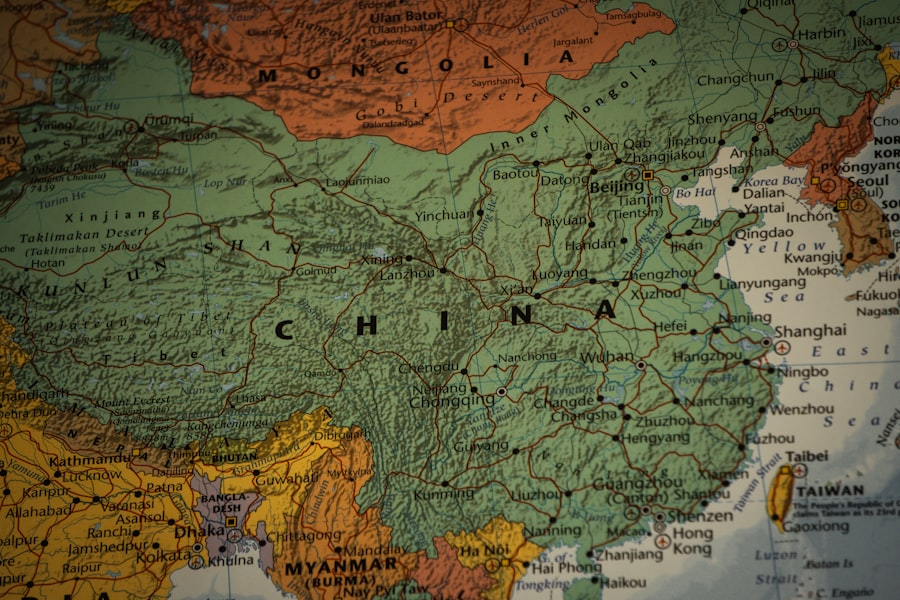
The Chinese government has implemented a series of policies aimed at controlling population growth in Tibet, mirroring broader national strategies while also addressing specific regional concerns. One of the most notable policies has been the promotion of family planning initiatives, which have included measures such as birth quotas and incentives for smaller families. These regulations are often justified by the government as necessary for sustainable development and resource management in a region characterized by challenging geographical conditions.
However, these policies have been met with resistance from many Tibetans who view them as an infringement on their cultural practices and reproductive rights. The imposition of such regulations often overlooks traditional Tibetan values that emphasize family and community ties. Furthermore, the enforcement of these policies can lead to coercive measures that exacerbate tensions between the Tibetan populace and the authorities.
As a result, the impact of these regulations extends beyond mere demographic statistics; they resonate deeply within the social fabric of Tibetan society.
Impact of population management on Tibet’s ethnic and cultural identity
| Population Management Measure | Impact on Tibet’s Ethnic and Cultural Identity |
|---|---|
| One-Child Policy | Reduction in population growth rate, affecting traditional family structures and dynamics |
| Resettlement Programs | Displacement of Tibetan communities, leading to loss of traditional livelihoods and cultural practices |
| Language Policies | Promotion of Mandarin Chinese over Tibetan language, threatening linguistic diversity and cultural heritage |
| Religious Restrictions | Suppression of Tibetan Buddhist practices, impacting spiritual and cultural identity |
The impact of population management on Tibet’s ethnic and cultural identity is profound and multifaceted. As government policies encourage smaller family sizes and promote Han migration, many Tibetans fear that their unique cultural heritage is at risk of dilution. The demographic shifts resulting from these policies can lead to a gradual erosion of traditional practices, languages, and social structures that have defined Tibetan identity for centuries.
The influx of Han Chinese settlers not only alters the population balance but also introduces new cultural norms that can overshadow indigenous traditions. Moreover, the psychological effects of population management cannot be understated. Many Tibetans experience a sense of loss and dislocation as they witness changes in their communities that challenge their sense of belonging.
The struggle to maintain cultural identity in the face of external pressures is a central theme in contemporary Tibetan discourse. As younger generations grapple with these changes, there is a growing awareness of the need to preserve their heritage while navigating an increasingly complex socio-political landscape.
Implementation of the one-child policy and its effects on Tibet’s population
The implementation of China’s one-child policy in Tibet has had significant ramifications for the region’s demographic dynamics. Although the policy was officially relaxed in 2015 to allow for two children per family, its legacy continues to shape family planning practices in Tibet. The one-child policy was particularly controversial in a region where large families have traditionally been valued for their role in agricultural labor and community cohesion.
As a result, many Tibetan families faced difficult choices regarding family size, often leading to emotional distress and societal pressure. The effects of this policy extend beyond individual families; they have broader implications for Tibetan society as a whole. With fewer children being born, there are concerns about an aging population and a potential decline in cultural transmission from one generation to the next.
The demographic shifts resulting from these policies may lead to a future where fewer individuals are available to carry on traditional practices and beliefs, further threatening the continuity of Tibetan culture.
Challenges and controversies surrounding population management in Tibet

The challenges surrounding population management in Tibet are numerous and complex. One major issue is the perceived lack of transparency and accountability in how these policies are implemented. Many Tibetans report feeling marginalized by decisions made at higher levels of government that directly affect their lives without their input or consent.
This disconnect fosters resentment and distrust towards authorities, complicating efforts to engage local communities in meaningful dialogue about population management. Controversies also arise from allegations of human rights abuses associated with population control measures.
These practices have drawn international condemnation and have become focal points for advocacy groups seeking to highlight human rights violations in Tibet. The ongoing debates surrounding these issues underscore the need for a more nuanced understanding of how population management intersects with human dignity and cultural preservation.
International perspectives on China’s population management in Tibet
International perspectives on China’s population management in Tibet vary widely, reflecting differing geopolitical interests and human rights priorities. Some countries express concern over human rights violations associated with population control measures, advocating for greater autonomy for Tibetans and respect for their cultural identity. Human rights organizations have been vocal in condemning practices perceived as coercive or discriminatory, calling for accountability from the Chinese government.
Conversely, other nations may prioritize economic relations with China over human rights concerns, leading to a more muted response regarding Tibet’s situation. This divergence highlights the complexities inherent in international diplomacy, where economic interests can sometimes overshadow humanitarian considerations. As global awareness of Tibet’s challenges grows, there is an increasing call for a unified international stance that prioritizes both economic cooperation and respect for human rights.
Economic and social implications of population management in Tibet
The economic implications of population management in Tibet are significant, particularly as they relate to labor markets and resource allocation. With a declining birth rate due to family planning policies, there are concerns about future labor shortages that could hinder economic development efforts in the region. Additionally, as younger generations migrate to urban centers for better opportunities, rural areas may face depopulation challenges that threaten traditional livelihoods.
Socially, population management policies can exacerbate existing inequalities within Tibetan society. The emphasis on smaller families may disproportionately affect marginalized groups who rely on larger family units for economic support. Furthermore, as Han migration continues to reshape demographics, tensions may arise between different ethnic groups over access to resources and opportunities.
These dynamics underscore the need for inclusive policies that consider the diverse needs of all communities within Tibet.
Resistance and activism against population management in Tibet
Resistance against population management policies in Tibet has taken various forms, ranging from grassroots activism to international advocacy efforts. Many Tibetan activists have sought to raise awareness about the impact of these policies on their communities through peaceful protests, art, and social media campaigns. These efforts aim not only to highlight specific grievances but also to foster a sense of solidarity among Tibetans both within the region and in diaspora communities around the world.
Internationally, advocacy organizations have played a crucial role in amplifying Tibetan voices and drawing attention to human rights abuses associated with population management. By documenting testimonies from affected individuals and conducting research on demographic changes, these organizations seek to hold authorities accountable while promoting dialogue about potential solutions. The resilience demonstrated by Tibetan activists serves as a testament to their commitment to preserving their culture and advocating for their rights amid challenging circumstances.
Future outlook for population management in Tibet
The future outlook for population management in Tibet remains uncertain as various factors come into play. On one hand, there is potential for policy shifts as global attitudes toward human rights evolve and international pressure mounts on China to address concerns related to its treatment of ethnic minorities. Increased awareness about the importance of cultural preservation may prompt more inclusive approaches to population management that respect Tibetan traditions.
On the other hand, entrenched governmental priorities may continue to prioritize demographic control over cultural considerations. As economic development remains a key focus for China’s leadership, there is a risk that policies will be further tightened rather than relaxed. The trajectory of population management in Tibet will likely depend on ongoing negotiations between local communities advocating for their rights and a central government focused on maintaining control over its territories.
The ongoing debate and implications of China’s population management in Tibet
The ongoing debate surrounding China’s population management policies in Tibet encapsulates broader themes related to human rights, cultural identity, and state authority. As demographic changes continue to unfold within this unique region, it becomes increasingly important to consider not only statistical data but also the lived experiences of those affected by these policies. The implications extend far beyond mere numbers; they touch upon fundamental questions about what it means to belong to a culture under threat.
As discussions about population management evolve, it is essential for all stakeholders—governments, activists, scholars, and local communities—to engage in meaningful dialogue that prioritizes respect for human dignity and cultural preservation. The future of Tibet’s demographic landscape will depend on finding a balance between development goals and safeguarding the rich tapestry of Tibetan identity that has endured through centuries of change. Ultimately, fostering understanding and cooperation will be crucial in addressing the challenges posed by population management while honoring the aspirations of the Tibetan people.
China’s management of Tibet’s population has been a topic of significant discussion, particularly in relation to the cultural and social implications of such policies. For a deeper understanding of the complexities surrounding this issue, you can read a related article that explores various aspects of population management in Tibet. For more information, visit this article.
WATCH THIS! Tibet’s Emptiness Is No Accident
FAQs
What is the population management policy in Tibet by China?
China’s population management policy in Tibet includes measures such as incentivizing Han Chinese migration to the region, imposing birth control policies on Tibetan women, and promoting assimilation of Tibetan culture into mainstream Chinese society.
How does China incentivize Han Chinese migration to Tibet?
China offers financial incentives, job opportunities, and housing benefits to Han Chinese individuals who choose to migrate to Tibet. This has led to an increase in the Han Chinese population in the region, altering the demographic balance.
What birth control policies are imposed on Tibetan women?
Tibetan women are subjected to birth control measures such as forced sterilization, mandatory insertion of intrauterine devices (IUDs), and strict enforcement of the one-child policy. These measures have led to a decline in the Tibetan population growth rate.
How does China promote assimilation of Tibetan culture into mainstream Chinese society?
China promotes the assimilation of Tibetan culture into mainstream Chinese society through policies that prioritize Mandarin Chinese language education over Tibetan language, control over religious practices, and suppression of Tibetan cultural expressions. This has led to concerns about the erosion of Tibetan cultural identity.