
Tibet, often referred to as the “Roof of the World,” holds a unique position in the geopolitical landscape of Asia. Nestled between two of the world’s most populous nations, India and China, Tibet’s strategic importance cannot be overstated. Its vast expanse of high-altitude terrain, rich natural resources, and significant cultural heritage make it a focal point for regional dynamics.
The region’s geographical location serves as a natural barrier and a critical gateway for trade and military movements, influencing the security and economic interests of neighboring countries. The significance of Tibet extends beyond mere geography; it embodies a complex interplay of historical, cultural, and political factors that shape the relationships between India, China, and the broader Asian region. As global powers vie for influence, Tibet’s role as a buffer zone and a source of vital resources has become increasingly pronounced.
Understanding Tibet’s strategic importance is essential for comprehending the broader geopolitical landscape in which India operates, particularly in relation to its northern neighbor, China.
Key Takeaways
- Tibet holds strategic importance due to its location between India and China, and its influence on regional stability.
- India and Tibet have a historical relationship dating back to ancient times, with cultural and spiritual connections.
- Tibet’s geopolitical significance for India lies in its border security and defense, as well as its impact on water resources and the environment.
- Economic opportunities and trade routes in Tibet offer potential for India’s engagement and development.
- China’s influence in Tibet has implications for India’s foreign policy and regional stability, posing challenges for India’s strategic interests in the region.
Historical Relationship between India and Tibet
The historical relationship between India and Tibet is deeply rooted in cultural exchanges and spiritual connections that date back centuries. Buddhism, which originated in India, found a fertile ground in Tibet, leading to a rich tapestry of shared beliefs and practices. This spiritual bond fostered a sense of kinship between the two regions, with Indian scholars and monks traveling to Tibet to disseminate knowledge and teachings.
The ancient trade routes that traversed the Himalayas facilitated not only the exchange of goods but also ideas, further intertwining their destinies. However, the relationship has not been without its challenges. The 20th century marked a turning point as political dynamics shifted dramatically.
The Chinese annexation of Tibet in 1950 altered the historical trajectory, leading to tensions that have persisted ever since. India’s response to this geopolitical upheaval has been shaped by its historical ties to Tibet, as well as its commitment to supporting Tibetan autonomy and cultural preservation. This complex history continues to influence contemporary interactions between India and Tibet, underscoring the need for a nuanced understanding of their relationship.
Geopolitical Significance of Tibet for India
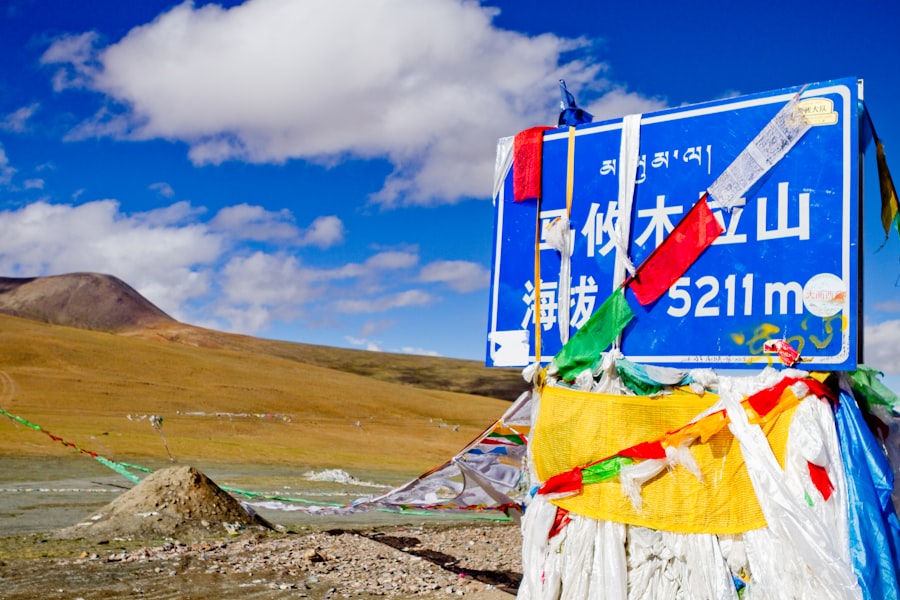
Tibet’s geopolitical significance for India is multifaceted, encompassing security, economic, and environmental dimensions. Strategically located at the northern frontier of India, Tibet serves as a buffer against potential threats from China. The region’s high-altitude terrain provides natural defense advantages, making it challenging for military incursions.
For India, maintaining stability in Tibet is crucial for safeguarding its northern borders and ensuring national security. Moreover, Tibet’s geopolitical importance extends to its role as a gateway for trade routes connecting India with Central Asia. The region’s vast resources, including minerals and water, present opportunities for economic collaboration that could benefit both India and its neighbors.
As global trade patterns evolve, Tibet’s position as a transit hub becomes increasingly relevant, highlighting the need for India to engage proactively with the region to secure its economic interests.
Border Security and Defense
| Metrics | Data |
|---|---|
| Number of Border Patrol Agents | 20,000 |
| Length of Border Fencing | 650 miles |
| Number of Unauthorized Crossings | 500,000 |
| Seized Contraband Value | 500 million |
Border security remains a paramount concern for India, particularly in light of its contentious relationship with China. The rugged terrain of Tibet poses unique challenges for defense strategies, necessitating a comprehensive approach to border management. India’s military presence in the region has been bolstered in recent years, with increased infrastructure development aimed at enhancing connectivity and rapid response capabilities.
This strategic focus on border security is essential not only for deterring potential incursions but also for asserting India’s sovereignty over its northern territories. In addition to military considerations, India’s defense strategy in Tibet involves fostering local ties and engaging with Tibetan communities. By promoting cultural exchanges and supporting initiatives that empower local populations, India aims to build goodwill and strengthen its influence in the region.
This multifaceted approach to border security reflects India’s recognition of the importance of both hard and soft power in maintaining stability along its northern frontier.
Water Resources and Environmental Impact
Tibet is often referred to as the “water tower” of Asia due to its vast glaciers and rivers that feed major river systems across the continent. The Indus, Brahmaputra, and Sutlej rivers all originate in Tibet, making it a critical source of freshwater for millions of people downstream in India and beyond. As climate change poses increasing threats to water availability, the management of these vital resources has become a pressing concern for India.
The environmental impact of resource extraction and development in Tibet also raises significant questions about sustainability.
As such, India’s engagement with Tibet must encompass not only diplomatic efforts but also collaborative initiatives focused on environmental conservation and sustainable resource management.
Economic Opportunities and Trade Routes

Tibet’s geographical location offers significant economic opportunities for India, particularly in terms of trade routes that connect it with Central Asia and beyond. Historically, the Silk Road facilitated commerce between these regions, fostering economic ties that have endured over time. In contemporary contexts, revitalizing these trade routes could enhance India’s access to markets in Central Asia while providing Tibetan communities with avenues for economic development.
Furthermore, India’s interest in developing infrastructure projects that enhance connectivity with Tibet aligns with its broader economic goals. Initiatives such as road construction and rail links can facilitate trade while also promoting tourism in the region. By investing in economic opportunities within Tibet, India can strengthen its influence while contributing to local development efforts that benefit both Indian interests and Tibetan communities.
Cultural and Spiritual Connections
The cultural and spiritual connections between India and Tibet are profound and enduring. Buddhism serves as a cornerstone of this relationship, with Tibetan Buddhism drawing heavily from Indian traditions. The shared heritage fosters a sense of kinship that transcends political boundaries, allowing for cultural exchanges that enrich both societies.
Indian scholars continue to play a vital role in preserving Tibetan culture through education and support for monastic institutions. Moreover, India’s commitment to supporting Tibetan autonomy has resonated deeply within Tibetan communities both within Tibet and in exile. The presence of the Dalai Lama in India has further solidified these ties, positioning India as a sanctuary for Tibetan culture and spirituality.
This cultural diplomacy not only enhances India’s soft power but also reinforces its role as a champion of human rights and cultural preservation on the global stage.
Political Influence and Regional Stability
Tibet’s political landscape is intricately linked to regional stability in South Asia. India’s engagement with Tibetan issues is not merely an act of solidarity; it is also a strategic maneuver aimed at countering China’s influence in the region. By advocating for Tibetan rights and supporting initiatives that promote autonomy, India seeks to assert its presence as a regional power committed to upholding democratic values.
The political dynamics surrounding Tibet have implications that extend beyond bilateral relations between India and China. The situation in Tibet can influence broader regional stability, affecting relationships with neighboring countries such as Nepal and Bhutan. As such, India’s approach to Tibetan issues must be carefully calibrated to navigate these complexities while promoting peace and stability in the region.
China’s Influence in Tibet and Implications for India
China’s influence in Tibet has far-reaching implications for India’s strategic interests. The Chinese government’s policies aimed at consolidating control over Tibet have raised concerns about human rights violations and cultural erosion within Tibetan communities. For India, this presents both a challenge and an opportunity; while China’s assertiveness poses risks to regional stability, it also provides India with a platform to advocate for human rights and cultural preservation.
Moreover, China’s infrastructure investments in Tibet have enhanced its military capabilities along the border with India. This development necessitates a reassessment of India’s defense strategies and diplomatic engagements in the region. By closely monitoring China’s activities in Tibet, India can better position itself to respond effectively to emerging challenges while reinforcing its commitment to regional stability.
India’s Foreign Policy and Engagement with Tibet
India’s foreign policy regarding Tibet reflects a delicate balancing act between asserting its interests and navigating complex geopolitical realities. While maintaining diplomatic relations with China is essential for regional stability, India has consistently voiced support for Tibetan autonomy and cultural preservation. This dual approach allows India to engage constructively with China while also standing firm on issues that resonate deeply with its values.
India’s engagement with Tibet extends beyond diplomatic channels; it encompasses cultural exchanges, educational initiatives, and support for Tibetan communities in exile.
This multifaceted approach underscores India’s commitment to promoting human rights while pursuing its strategic interests in the region.
Future Prospects and Challenges for India’s Strategic Interests in Tibet
Looking ahead, India’s strategic interests in Tibet will continue to evolve amid shifting geopolitical dynamics. The challenges posed by China’s assertiveness will require India to adopt adaptive strategies that prioritize both security and diplomacy. Strengthening border infrastructure, enhancing military readiness, and fostering local ties will be crucial components of India’s approach moving forward.
At the same time, opportunities for collaboration exist within the realms of trade, culture, and environmental sustainability. By leveraging its historical connections with Tibet while addressing contemporary challenges, India can position itself as a key player in shaping the future trajectory of the region. Ultimately, navigating these complexities will require a nuanced understanding of both historical legacies and emerging realities as India seeks to secure its strategic interests in Tibet amidst an ever-changing geopolitical landscape.
Tibet’s strategic importance for India cannot be overstated, as it serves as a crucial buffer zone against potential threats from China and plays a significant role in water security due to the major rivers originating from the Tibetan plateau. For a deeper understanding of the geopolitical dynamics in the region, you can read more in this related article on the topic: Tibet’s Geopolitical Significance. This article explores the implications of Tibet’s geography and its impact on India’s national security and regional stability.
WATCH THIS! Tibet’s Emptiness Is No Accident
FAQs
What is the strategic importance of Tibet for India?
Tibet holds strategic importance for India due to its geographical location as it serves as a buffer zone between India and China. It also holds the headwaters of several major rivers that flow into India, making it crucial for water security.
How does Tibet’s strategic importance affect India-China relations?
Tibet’s strategic importance has a significant impact on India-China relations as it has been a point of contention between the two countries. The border disputes and the presence of Chinese military infrastructure in Tibet have led to tensions between India and China.
What are the security concerns for India related to Tibet?
India has security concerns related to Tibet due to the presence of Chinese military infrastructure and the potential threat of a Chinese military presence near the border with India. There are also concerns about the impact of Chinese control over Tibet on India’s water security.
How does Tibet’s strategic importance impact India’s foreign policy?
Tibet’s strategic importance has influenced India’s foreign policy, particularly in its approach towards China. India has sought to strengthen its ties with other countries in the region, such as Bhutan and Nepal, to counterbalance China’s influence in Tibet.
What are the economic implications of Tibet’s strategic importance for India?
Tibet’s strategic importance has economic implications for India, particularly in terms of water security and the potential impact on the flow of rivers into India. It also affects India’s access to trade routes and natural resources in the region.