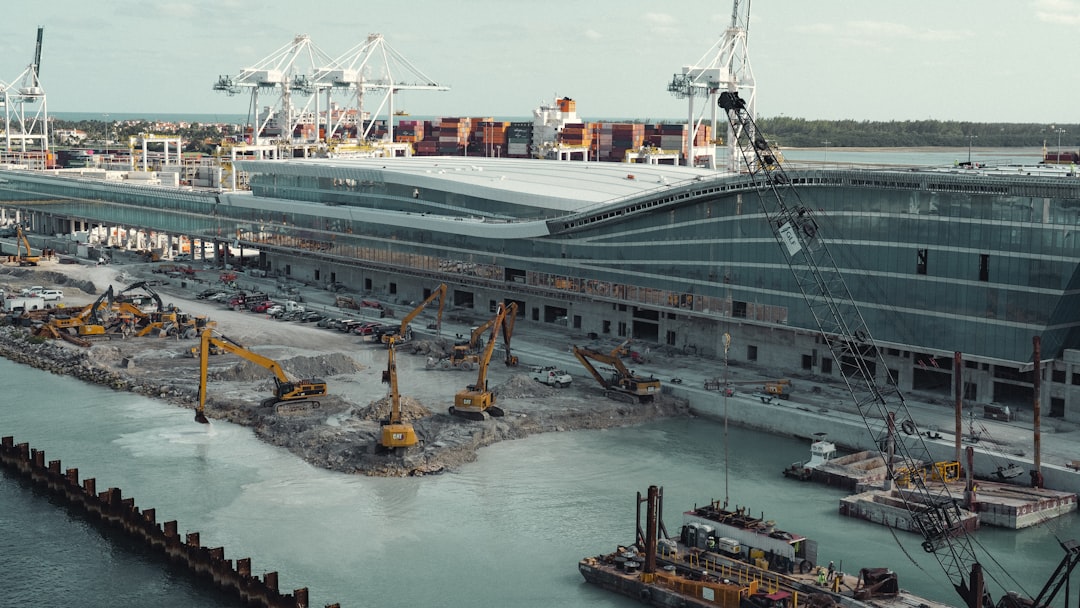
Infrastructure serves as the backbone of any society, and in the unique context of High Tibet, its significance is magnified.
Well-planned infrastructure is essential for connecting remote communities, facilitating trade, and enhancing access to essential services.
Roads, bridges, and communication networks not only improve mobility but also foster economic growth by enabling local businesses to thrive. In a region where geographical barriers can isolate communities, effective infrastructure can bridge the gap between urban centers and rural areas, ensuring that all residents have access to the resources they need. Moreover, infrastructure plays a crucial role in preserving the cultural heritage of High Tibet.
By improving access to historical sites and promoting tourism, infrastructure development can help sustain local traditions and provide economic opportunities for residents. The preservation of cultural identity is vital in a region where globalization poses a threat to traditional ways of life. Thus, investing in infrastructure is not merely about physical development; it is also about nurturing the social fabric of High Tibet and ensuring that its unique cultural landscape is maintained for future generations.
Key Takeaways
- Infrastructure is crucial for the development of High Tibet, providing access to essential services and supporting economic growth.
- Developing infrastructure in High Tibet is challenging due to its remote and rugged terrain, harsh climate, and high altitude.
- The government has initiated various projects to improve infrastructure in High Tibet, including road construction, water supply, and electricity distribution.
- Technology plays a significant role in advancing infrastructure in High Tibet, enabling better communication, transportation, and resource management.
- Sustainable development is essential for infrastructure in High Tibet, considering the region’s fragile ecosystem and the impact of climate change.
Challenges of Developing Infrastructure in High Tibet
Developing infrastructure in High Tibet is fraught with challenges that stem from its geographical and climatic conditions. The region’s high altitude presents significant engineering hurdles, as construction materials and techniques must be adapted to withstand harsh weather conditions and thin air. Additionally, the rugged terrain complicates transportation logistics, making it difficult to transport heavy machinery and materials to remote areas.
These factors contribute to increased costs and extended timelines for infrastructure projects, often leading to delays that can hinder overall development. Another challenge lies in the socio-political landscape of High Tibet. The region’s complex history and ongoing tensions can complicate collaboration between local communities and government entities.
There may be resistance from residents who fear that infrastructure projects could disrupt their way of life or lead to environmental degradation. Balancing the need for development with the preservation of local customs and ecosystems requires careful planning and community engagement. Without addressing these concerns, infrastructure initiatives may face significant opposition, ultimately jeopardizing their success.
Government Initiatives to Improve Infrastructure in High Tibet
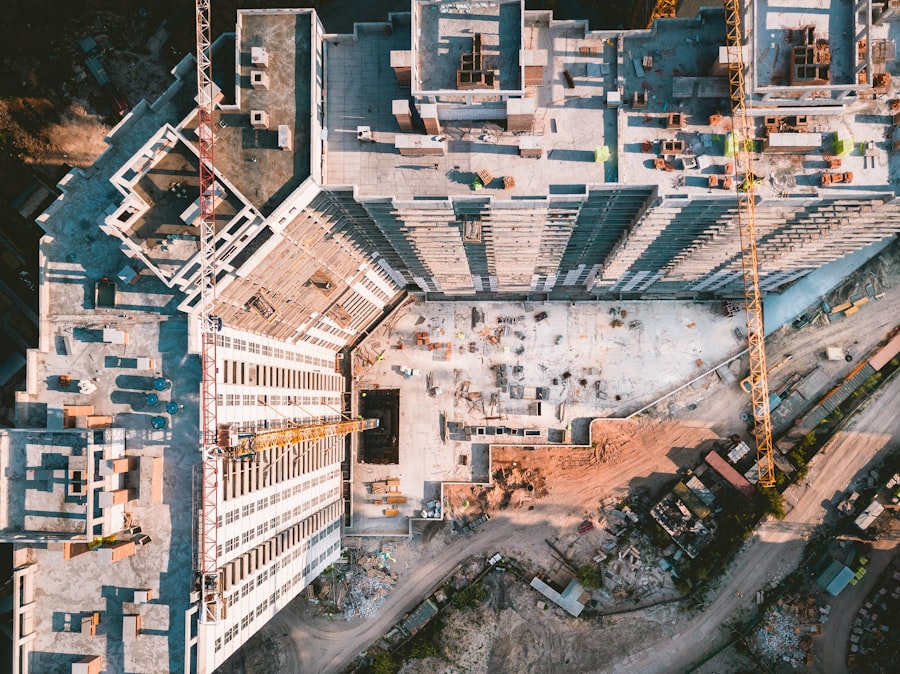
Recognizing the critical need for improved infrastructure, the government has launched several initiatives aimed at enhancing connectivity and access in High Tibet. These initiatives often focus on building roads, bridges, and communication networks that can facilitate trade and improve the quality of life for residents. For instance, recent investments have been made in constructing all-weather roads that connect remote villages to larger towns, allowing for easier access to markets and essential services.
Such projects not only enhance mobility but also stimulate local economies by enabling farmers and artisans to sell their products more effectively. In addition to physical infrastructure, the government has also prioritized digital connectivity in High Tibet. Initiatives aimed at expanding internet access are crucial for integrating the region into the broader global economy.
By providing residents with access to information and communication technologies, these efforts can empower local entrepreneurs and enhance educational opportunities. The government’s commitment to improving infrastructure reflects a recognition of its importance in fostering sustainable development and improving the overall quality of life for the people of High Tibet.
The Role of Technology in Advancing Infrastructure in High Tibet
| Technology | Advancements in Infrastructure |
|---|---|
| Solar Power | Providing renewable energy sources for remote areas |
| Telecommunication | Improving connectivity and access to information |
| GIS Mapping | Enhancing planning and management of infrastructure projects |
| Remote Sensing | Monitoring environmental changes and natural disasters |
| Smart Grids | Optimizing energy distribution and consumption |
Technology plays a pivotal role in advancing infrastructure development in High Tibet, offering innovative solutions to some of the region’s most pressing challenges. For instance, advancements in construction technology have made it possible to build resilient structures that can withstand the harsh conditions prevalent at high altitudes. Prefabrication techniques allow for quicker assembly on-site, reducing construction time and minimizing disruption to local communities.
Additionally, the use of drones for surveying and monitoring construction sites has revolutionized project management, enabling more efficient planning and execution. Moreover, technology facilitates better communication and collaboration among stakeholders involved in infrastructure projects. Digital platforms can streamline project management processes, allowing for real-time updates and feedback from local communities.
This transparency fosters trust between developers and residents, ensuring that projects align with community needs and priorities. As technology continues to evolve, its integration into infrastructure development will be crucial for overcoming the unique challenges faced by High Tibet.
Sustainable Development and Infrastructure in High Tibet
Sustainable development is a guiding principle for infrastructure projects in High Tibet, as it seeks to balance economic growth with environmental preservation. Given the region’s fragile ecosystems, it is essential that infrastructure initiatives are designed with sustainability in mind. This includes using eco-friendly materials, minimizing land disruption, and implementing renewable energy solutions wherever possible.
For example, solar energy systems can be integrated into new buildings to reduce reliance on fossil fuels while providing reliable power to remote communities. Furthermore, engaging local communities in sustainable practices is vital for ensuring the long-term success of infrastructure projects. By involving residents in decision-making processes and promoting environmentally friendly practices, developers can foster a sense of ownership and responsibility towards their surroundings.
This collaborative approach not only enhances project outcomes but also empowers communities to take an active role in preserving their environment for future generations.
The Impact of Improved Infrastructure on High Tibet’s Economy
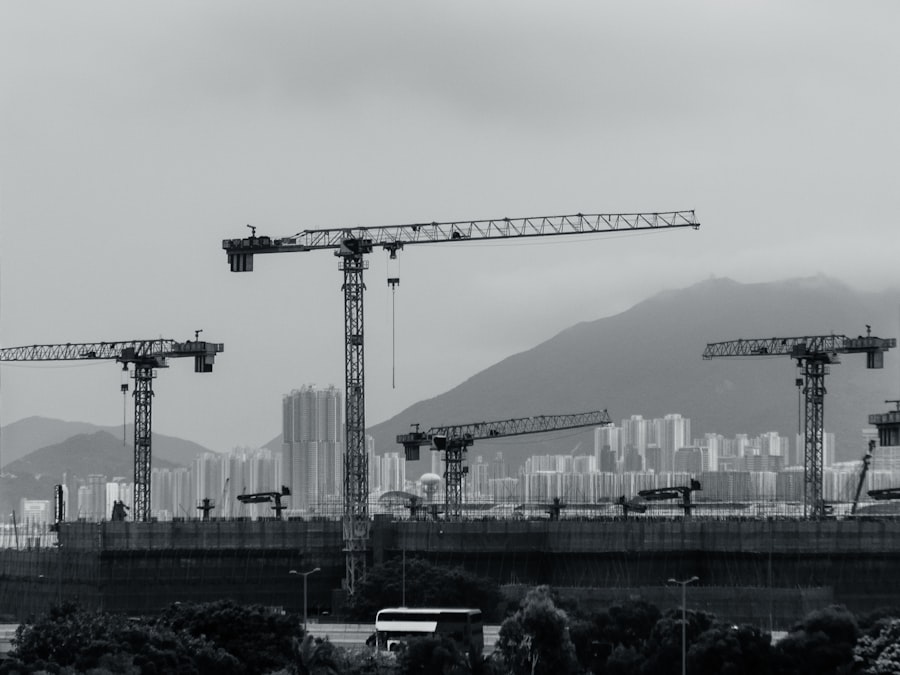
The enhancement of infrastructure in High Tibet has far-reaching implications for the region’s economy. Improved roads and transportation networks facilitate trade by connecting local producers with larger markets, allowing them to sell their goods more efficiently. This increased access can lead to higher incomes for farmers and artisans, ultimately contributing to poverty alleviation within communities.
Additionally, better infrastructure attracts investment from outside businesses looking to tap into the region’s unique resources and cultural heritage. Moreover, improved infrastructure can stimulate tourism—a vital sector for High Tibet’s economy. As access to historical sites and natural attractions increases, more visitors are likely to explore the region, bringing with them much-needed revenue.
This influx can create jobs in hospitality, transportation, and other related industries, further bolstering economic growth. Ultimately, enhanced infrastructure serves as a catalyst for economic development, transforming High Tibet into a more vibrant and prosperous region.
Infrastructure Projects in High Tibet: Past, Present, and Future
The history of infrastructure development in High Tibet reflects a gradual evolution shaped by both necessity and opportunity. In the past, limited resources and challenging terrain hindered significant progress; however, recent years have seen a surge in investment aimed at addressing these issues. Notable projects include the construction of major highways that connect remote areas with urban centers, as well as initiatives focused on improving public transportation systems.
Looking ahead, the future of infrastructure in High Tibet appears promising as both government entities and private investors recognize its importance for sustainable development. Plans are underway for new projects that prioritize eco-friendly practices while enhancing connectivity across the region. These initiatives aim not only to improve physical infrastructure but also to foster social cohesion by ensuring that all communities benefit from development efforts.
The Role of International Collaboration in Advancing Infrastructure in High Tibet
International collaboration plays a crucial role in advancing infrastructure development in High Tibet. Partnerships between governments, non-governmental organizations (NGOs), and private sector entities can bring together diverse expertise and resources necessary for successful projects. For instance, international funding agencies often provide financial support for large-scale infrastructure initiatives that may be beyond the capacity of local governments alone.
Additionally, knowledge exchange through international collaboration can lead to innovative solutions tailored to the unique challenges faced by High Tibet. By learning from successful projects implemented in similar regions around the world, stakeholders can adopt best practices that enhance project outcomes while minimizing potential pitfalls. Such collaborative efforts not only strengthen infrastructure but also promote cultural exchange and mutual understanding among diverse communities.
Improving Access to Healthcare and Education through Infrastructure in High Tibet
Access to healthcare and education is fundamentally linked to infrastructure development in High Tibet. Improved transportation networks enable residents to reach medical facilities more easily, ensuring timely access to essential healthcare services. This is particularly important in remote areas where healthcare resources are scarce; better roads can mean the difference between life-saving treatment and prolonged suffering.
Similarly, educational institutions benefit from enhanced infrastructure as well. Schools located in remote regions often struggle with inadequate facilities and resources; however, improved access can attract qualified teachers and enable better educational outcomes for students. By investing in educational infrastructure—such as building new schools or upgrading existing ones—communities can empower future generations with knowledge and skills necessary for personal growth and economic advancement.
Environmental Considerations in Infrastructure Development in High Tibet
Environmental considerations are paramount when developing infrastructure in High Tibet due to its delicate ecosystems and unique biodiversity. Projects must be designed with an awareness of their potential impact on local flora and fauna; this includes conducting thorough environmental assessments before construction begins. By identifying potential risks early on, developers can implement mitigation strategies that minimize harm while still achieving project goals.
Furthermore, incorporating green technologies into infrastructure projects can significantly reduce environmental footprints. For example, utilizing sustainable materials or implementing energy-efficient designs can help preserve natural resources while meeting community needs. Engaging local stakeholders in discussions about environmental stewardship ensures that development aligns with community values while fostering a sense of responsibility towards protecting their surroundings.
Empowering Local Communities through Infrastructure Development in High Tibet
Empowering local communities is a fundamental aspect of successful infrastructure development in High Tibet. By involving residents in decision-making processes related to projects that affect their lives directly, developers can ensure that initiatives align with community needs and priorities. This participatory approach fosters a sense of ownership among residents while building trust between stakeholders.
Moreover, investing in community-driven projects—such as building local markets or recreational facilities—can enhance social cohesion while providing economic opportunities for residents. When communities are actively engaged in shaping their own development trajectories through infrastructure initiatives, they become more resilient and better equipped to navigate future challenges. Ultimately, empowering local communities through infrastructure development not only improves quality of life but also strengthens social bonds within High Tibet’s diverse population.
Infrastructure development in high Tibet is a critical topic, especially considering the region’s unique geographical challenges and the need for sustainable growth. A related article that delves into the intricacies of this subject can be found at this link. It explores various projects aimed at improving transportation and connectivity in the region, highlighting both the benefits and potential environmental impacts of such developments.
WATCH THIS! Tibet’s Emptiness Is No Accident
FAQs
What is infrastructure development in high Tibet?
Infrastructure development in high Tibet refers to the construction and improvement of essential physical and organizational structures and facilities in the region, such as roads, bridges, airports, and telecommunications networks.
Why is infrastructure development important in high Tibet?
Infrastructure development is important in high Tibet to improve connectivity, facilitate economic development, and enhance the quality of life for the local population. It also supports the region’s tourism industry and helps in the delivery of essential services.
What are some examples of infrastructure development projects in high Tibet?
Examples of infrastructure development projects in high Tibet include the construction of the Qinghai-Tibet Railway, the expansion of road networks, the building of airports such as Lhasa Gonggar Airport, and the installation of telecommunications infrastructure.
Who is responsible for infrastructure development in high Tibet?
Infrastructure development in high Tibet is primarily the responsibility of the Chinese government, which invests in and oversees the planning and implementation of major infrastructure projects in the region.
What are the challenges of infrastructure development in high Tibet?
Challenges of infrastructure development in high Tibet include the harsh and remote geographical conditions, environmental concerns, and the need to balance development with the preservation of the region’s unique cultural and natural heritage.