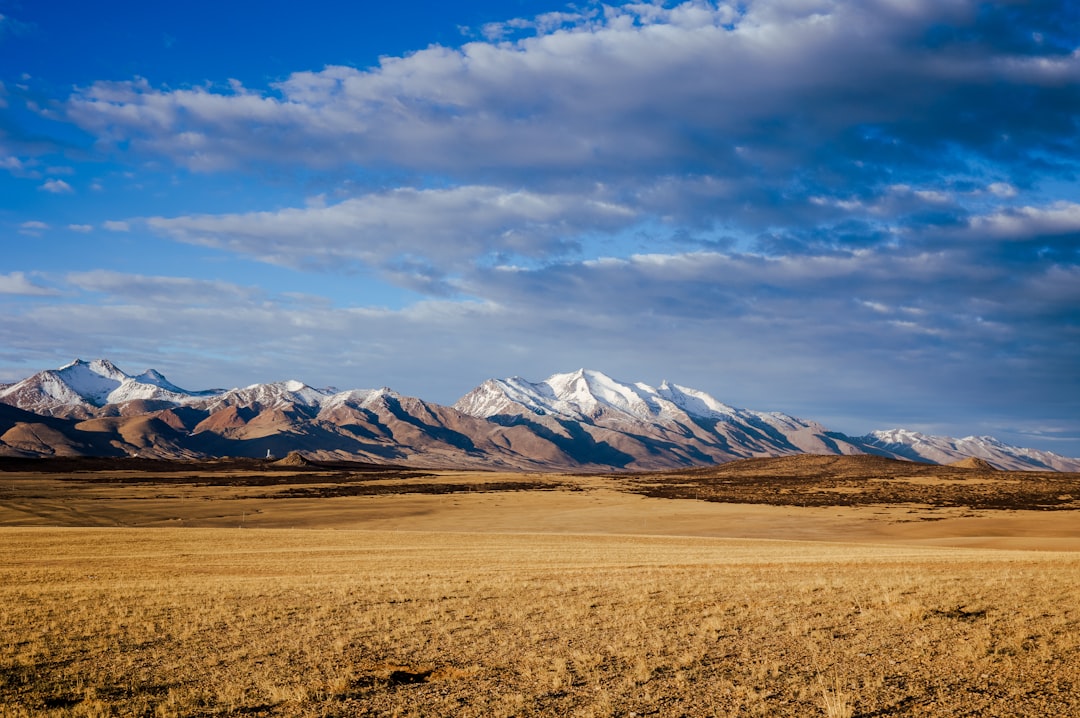
Tibet, often referred to as the “Roof of the World,” is a region that captivates the imagination with its stark beauty and formidable landscape. This high-altitude plateau, characterized by its cold and desolate terrain, presents a unique blend of natural wonders and cultural richness. The vast expanses of barren land, punctuated by towering mountains and deep valleys, evoke a sense of isolation and tranquility.
For centuries, Tibet has been a place of spiritual significance, attracting pilgrims and adventurers alike, drawn to its serene yet formidable environment. The coldness of its climate and the emptiness of its terrain create an atmosphere that is both haunting and mesmerizing, inviting exploration while simultaneously challenging the human spirit. The allure of Tibet lies not only in its breathtaking vistas but also in the mysteries that shroud its existence.
The region’s harsh conditions have shaped not only its physical landscape but also the lives of those who inhabit it. The Tibetan Plateau, with its rugged mountains and expansive grasslands, serves as a backdrop for a culture deeply intertwined with the land. As one delves deeper into the geographic and climatic intricacies of Tibet, it becomes evident that this cold and empty terrain is more than just a physical space; it is a canvas upon which the stories of its people are painted.
Key Takeaways
- Tibet’s terrain is characterized by its cold and empty nature, making it a unique and challenging landscape to explore.
- Located in the heart of Asia, Tibet is surrounded by towering mountain ranges and vast plateaus, contributing to its isolation and distinct geography.
- The harsh climate of Tibet is marked by extreme temperatures, high winds, and low oxygen levels, posing significant challenges to both humans and wildlife.
- Tibet is home to a diverse range of flora and fauna, including rare species such as the Tibetan antelope and snow leopard, adapted to survive in this unforgiving environment.
- The sparse population of Tibet remains a mystery, with factors such as altitude, climate, and historical and political influences playing a role in shaping the region’s demographics.
The Geographic Location of Tibet
Tibet is situated in Central Asia, bordered by several countries that contribute to its unique geopolitical significance. To the north lies the vast expanse of the Tibetan Plateau, while to the south, it shares borders with Nepal, India, and Bhutan. This strategic location has made Tibet a crossroads of cultures and traditions, where influences from neighboring regions converge.
The geographical boundaries of Tibet are often debated, with some considering it a part of China while others view it as an autonomous region with its own distinct identity. The topography of Tibet is marked by its elevation, with much of the region sitting above 4,500 meters (14,800 feet) in altitude. This high elevation contributes to its classification as one of the most elevated regions on Earth.
The landscape is dominated by the majestic Himalayas to the south, which includes some of the world’s highest peaks, such as Mount Everest. The rivers that originate from these mountains, including the Indus and Brahmaputra, play a crucial role in sustaining life in the surrounding areas. The geographic location of Tibet not only defines its physical characteristics but also influences its climate, ecology, and cultural interactions.
The Harsh Climate of Tibet
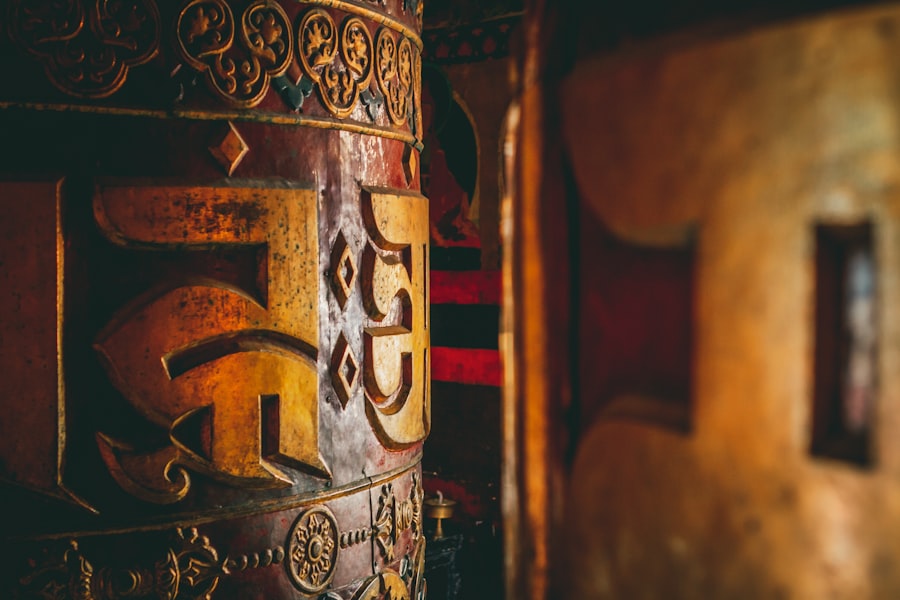
Tibet’s climate is as formidable as its landscape, characterized by extreme temperatures and significant variations in weather patterns. The region experiences a high-altitude desert climate, where precipitation is scarce and temperatures can plummet during the winter months. Summers are short and mild, but even then, the nights can be surprisingly cold.
The harshness of the climate poses challenges for both flora and fauna, as well as for the human populations that have adapted to these conditions over centuries. The thin atmosphere at such high altitudes means that sunlight is intense during the day, leading to rapid temperature fluctuations. This climatic extremity has shaped not only the physical environment but also the lifestyle of the Tibetan people.
Traditional practices such as nomadic herding and agriculture have evolved in response to these climatic challenges. The resilience of the Tibetan culture is evident in their ability to thrive in such an inhospitable environment, showcasing their deep connection to the land and their resourcefulness in adapting to its demands.
The Unique Flora and Fauna of Tibet
| Category | Details |
|---|---|
| Location | Tibet, a region in China |
| Unique Species | Snow leopards, Tibetan antelope, Tibetan mastiff, Tibetan blue bear |
| Plant Life | Rhododendrons, junipers, Himalayan poppies, Tibetan cypress |
| Conservation | Protected areas and conservation efforts in place |
Despite its harsh climate, Tibet is home to a remarkable array of flora and fauna that have adapted to survive in this extreme environment. The unique biodiversity found in Tibet is a testament to nature’s resilience and ingenuity. From hardy grasses that blanket the plateau to vibrant wildflowers that bloom in the brief summer months, the plant life here has evolved to withstand both cold temperatures and limited water availability.
The fauna of Tibet is equally fascinating, featuring species that have adapted to high altitudes and rugged terrains. Iconic animals such as the Tibetan antelope and snow leopard roam these vast landscapes, embodying the spirit of survival in one of the world’s most challenging habitats.
Additionally, domesticated animals like yaks play a crucial role in Tibetan culture and economy, providing milk, meat, and transportation for nomadic communities. The interplay between flora and fauna in Tibet creates a delicate ecosystem that reflects the region’s unique environmental conditions.
The Mystery of Tibet’s Sparse Population
One of the most intriguing aspects of Tibet is its sparse population, which stands in stark contrast to its vast land area. With an estimated population density significantly lower than many other regions around the world, Tibet’s demographic landscape raises questions about human habitation in such an extreme environment. The challenges posed by altitude, climate, and geography have historically limited large-scale settlement in this region.
This lifestyle has fostered a deep connection to the land and a profound respect for nature. However, modern developments and political changes have further complicated population dynamics in Tibet.
Migration patterns, urbanization, and government policies have influenced demographic shifts, leading to a complex interplay between tradition and modernity. Understanding the sparse population of Tibet requires an exploration of these historical and contemporary factors that shape human existence in this remarkable yet challenging terrain.
The Impact of Altitude on Tibet’s Terrain
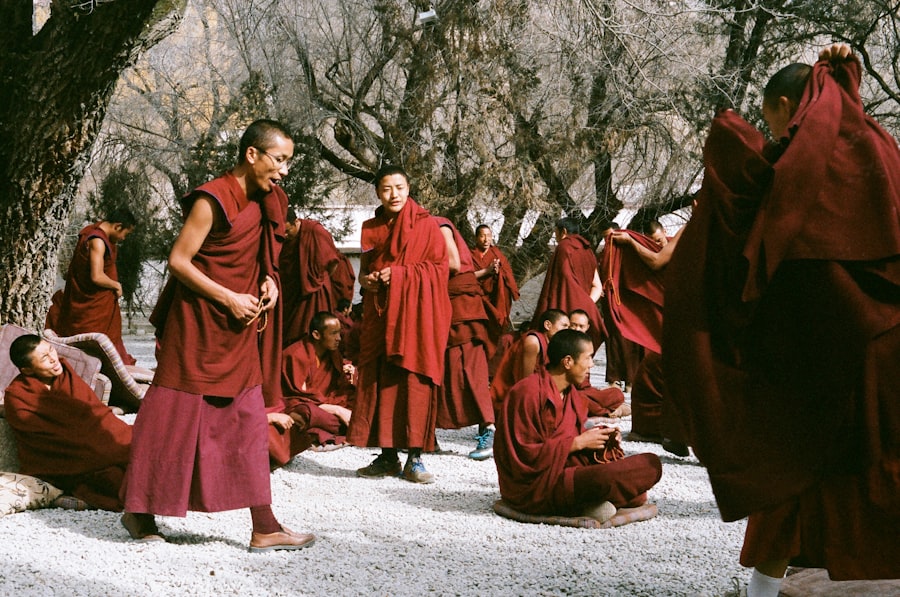
The altitude of Tibet profoundly influences its terrain and ecosystems. As one ascends into this high-altitude region, the landscape transforms dramatically; valleys give way to towering peaks, and lush vegetation yields to arid expanses. The elevation affects not only physical geography but also climate patterns, water sources, and biodiversity.
At altitudes exceeding 4,500 meters (14,800 feet), oxygen levels decrease significantly, creating challenges for both humans and wildlife. The impact of altitude extends beyond mere physical characteristics; it shapes cultural practices and lifestyles as well. The Tibetan people have developed unique adaptations to cope with high-altitude living, including dietary practices rich in carbohydrates and fats that provide energy for their demanding environment.
Additionally, traditional medicine has evolved to address altitude-related health issues such as altitude sickness. The interplay between altitude and human adaptation highlights the resilience of Tibetan culture amidst one of Earth’s most extreme environments.
The Geological Features of Tibet
Tibet’s geological features are as diverse as they are striking. The region is primarily composed of sedimentary rocks formed over millions of years through tectonic activity and erosion. The collision between the Indian Plate and the Eurasian Plate has given rise to some of the world’s most dramatic mountain ranges, including the Himalayas.
This geological upheaval has not only shaped Tibet’s physical landscape but has also contributed to its rich mineral resources. The geological history of Tibet is marked by significant events that have influenced its current topography. Glacial activity has carved out valleys and created stunning lakes that dot the landscape.
These geological features not only enhance Tibet’s natural beauty but also play a crucial role in sustaining local ecosystems. Rivers originating from glacial melt provide vital water sources for both wildlife and human settlements. Understanding Tibet’s geological features offers insights into the dynamic processes that have shaped this remarkable region over millennia.
The Cultural Significance of Tibet’s Landscape
The landscape of Tibet holds profound cultural significance for its inhabitants. Mountains are revered as sacred entities in Tibetan Buddhism, symbolizing spiritual enlightenment and connection to the divine. Pilgrimages to holy sites nestled within these majestic peaks are common among devotees seeking spiritual fulfillment.
The interplay between nature and spirituality is deeply embedded in Tibetan culture, where every mountain pass or river bend tells a story steeped in tradition. Moreover, the harsh yet beautiful terrain has influenced Tibetan art, literature, and philosophy. Artists draw inspiration from the breathtaking vistas surrounding them, creating works that reflect their deep connection to nature.
Traditional practices such as thangka painting often depict landscapes infused with spiritual meaning, showcasing how geography shapes cultural expression. The cultural significance of Tibet’s landscape extends beyond aesthetics; it embodies a way of life that honors both nature and spirituality.
The Challenges of Navigating Tibet’s Terrain
Navigating Tibet’s terrain presents numerous challenges for travelers and locals alike. The rugged mountains, deep valleys, and unpredictable weather patterns can make travel arduous and perilous. High-altitude conditions pose risks such as altitude sickness for those unaccustomed to such elevations.
Additionally, limited infrastructure in remote areas can complicate transportation logistics. Despite these challenges, many adventurers are drawn to explore Tibet’s breathtaking landscapes. Trekking routes through remote valleys offer unparalleled views but require careful planning and preparation due to varying altitudes and potential weather changes.
Local knowledge becomes invaluable when traversing this complex terrain; understanding seasonal patterns and local customs can enhance safety and enrich the travel experience. Navigating Tibet’s terrain is not merely about reaching a destination; it is an immersive journey through a land steeped in history and natural wonder.
The Future of Tibet’s Cold and Empty Terrain
As global attention increasingly turns toward environmental issues and climate change, Tibet’s cold and empty terrain faces both challenges and opportunities for preservation. The effects of climate change are already being felt in this fragile ecosystem; glacial retreat threatens water supplies for millions downstream while altering local weather patterns. Conservation efforts are essential to protect this unique environment from further degradation.
Moreover, tourism presents both opportunities for economic development and risks to cultural integrity. Sustainable tourism initiatives can promote awareness while providing economic benefits to local communities; however, they must be carefully managed to avoid overwhelming fragile ecosystems or diluting traditional practices. The future of Tibet’s cold terrain hinges on finding a balance between modernization and preservation—ensuring that this remarkable region continues to inspire awe while safeguarding its cultural heritage.
Unraveling the Geographic Mystery of Tibet
In conclusion, Tibet’s cold and empty terrain is a geographic marvel that encapsulates both beauty and challenge. Its unique location, harsh climate, diverse flora and fauna, sparse population dynamics, high-altitude features, geological wonders, cultural significance, navigation challenges, and future prospects all contribute to an intricate tapestry that defines this enigmatic region. As explorers continue to unravel the mysteries of Tibet’s landscape, they uncover not only natural wonders but also profound connections between people and their environment.
Tibet stands as a testament to resilience—both in terms of its natural ecosystems adapting to extreme conditions and its people who have thrived amidst adversity for centuries. As global awareness grows regarding environmental conservation and cultural preservation, there lies an opportunity for future generations to appreciate and protect this extraordinary land—a place where nature’s grandeur meets human spirit in an enduring dance across time.
Tibet’s unique climate and sparse population can be attributed to its high altitude and geographical features, which create harsh weather conditions. For a deeper understanding of the factors contributing to Tibet’s cold and empty landscape, you can read more in this related article on MyGeoQuest: Why is Tibet So Cold and Empty?.
WATCH THIS! Tibet’s Emptiness Is No Accident
FAQs
What factors contribute to Tibet being so cold?
Tibet’s high altitude, averaging over 4,500 meters above sea level, contributes to its cold temperatures. Additionally, its location in the Himalayas and the Tibetan Plateau means it is subject to cold air masses from the north.
Why is Tibet sparsely populated?
Tibet’s harsh climate and rugged terrain make it difficult for human habitation. The high altitude and cold temperatures also make it challenging for agriculture, limiting the ability to support a large population.
How does Tibet’s climate affect its population density?
The cold climate and high altitude of Tibet make it less hospitable for human settlement, resulting in a low population density. The majority of the population is concentrated in the lower-lying valleys and river basins where conditions are more favorable for agriculture and living.
What impact does the cold climate have on Tibet’s economy?
The cold climate and rugged terrain of Tibet make it difficult for agriculture and limit economic opportunities. The region relies heavily on animal husbandry and has limited industrial development. The harsh climate also presents challenges for infrastructure and transportation.
How does the cold climate affect tourism in Tibet?
The cold climate of Tibet can be a deterrent for some tourists, particularly those who are not accustomed to high altitudes and cold temperatures. However, the unique cultural and natural attractions of Tibet continue to draw visitors despite the challenging climate.