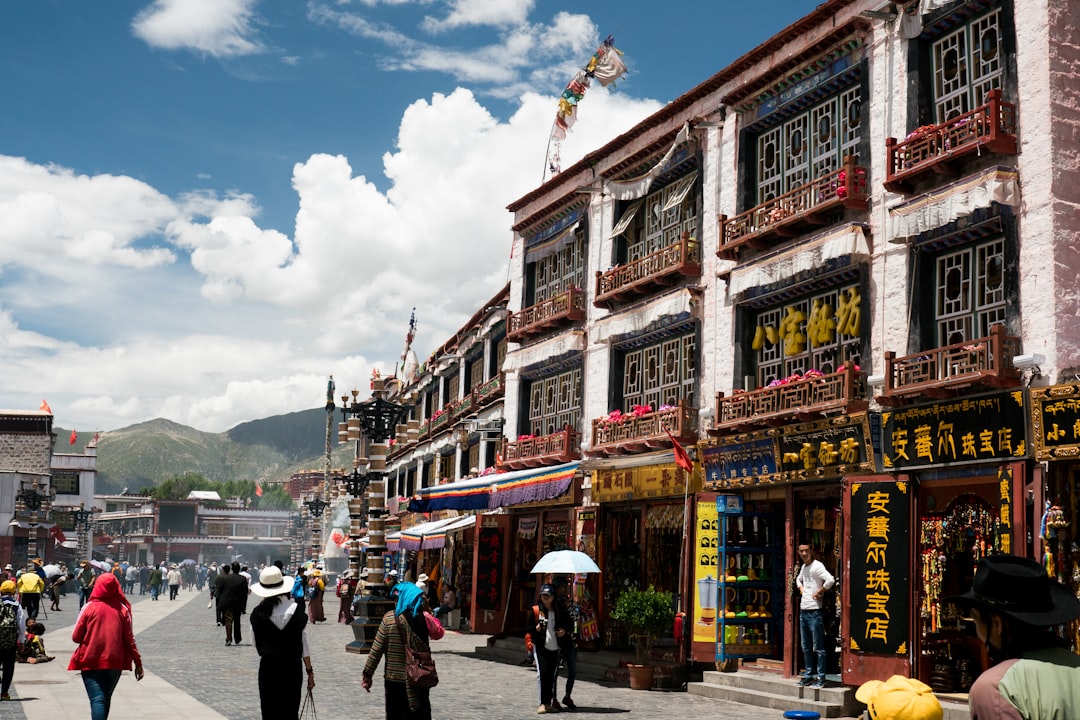
Tibet, often referred to as the “Roof of the World,” has witnessed a remarkable transformation in its demographic landscape over the past few decades. Traditionally characterized by its vast, rugged terrain and a predominantly rural population, Tibet is now experiencing a significant shift towards urbanization. This change is not merely a statistical anomaly; it reflects broader socio-economic trends that are reshaping the region.
As cities expand and modern infrastructure develops, the urban population of Tibet has surged, leading to a complex interplay of opportunities and challenges. The growth of urban populations in Tibet is emblematic of a larger global trend where rural inhabitants migrate to cities in search of better livelihoods and improved living conditions. This phenomenon is particularly pronounced in Tibet, where historical, cultural, and political factors converge to create a unique urbanization narrative.
The influx of people into urban centers such as Lhasa, the capital, has not only altered the demographic fabric but has also sparked discussions about the implications for Tibetan culture, economy, and environment.
Key Takeaways
- Tibet’s urban population has been growing rapidly in recent years, leading to significant changes in the region’s demographics and lifestyle.
- Factors such as rural-to-urban migration, government policies, and economic opportunities have contributed to the increase in urban population in Tibet.
- The urbanization of Tibet has had a profound impact on the traditional lifestyle of its people, leading to changes in social, cultural, and environmental aspects.
- Urban areas in Tibet face various challenges including infrastructure development, social and cultural changes, and environmental concerns.
- Despite the challenges, urban Tibet presents opportunities for economic development and the government has initiated policies to support urban growth in the region.
Factors Contributing to the Increase in Urban Population
Several factors contribute to the burgeoning urban population in Tibet. Economic opportunities stand at the forefront of this migration trend. As urban areas develop, they offer a plethora of job prospects that are often unavailable in rural settings.
The promise of better wages and improved living standards draws many young Tibetans away from their ancestral homes. This economic migration is fueled by the growth of industries, tourism, and services in urban centers, which have become increasingly attractive to those seeking to improve their quality of life. In addition to economic incentives, educational opportunities play a crucial role in driving urbanization.
Many families prioritize education for their children, believing that urban schools provide superior resources and learning environments compared to rural institutions. As a result, parents are more inclined to relocate to cities where they can access better educational facilities. This trend not only contributes to urban population growth but also fosters a generation that is more connected to global ideas and practices, further accelerating the pace of change in Tibetan society.
Impact of Urbanization on Tibet’s Traditional Lifestyle
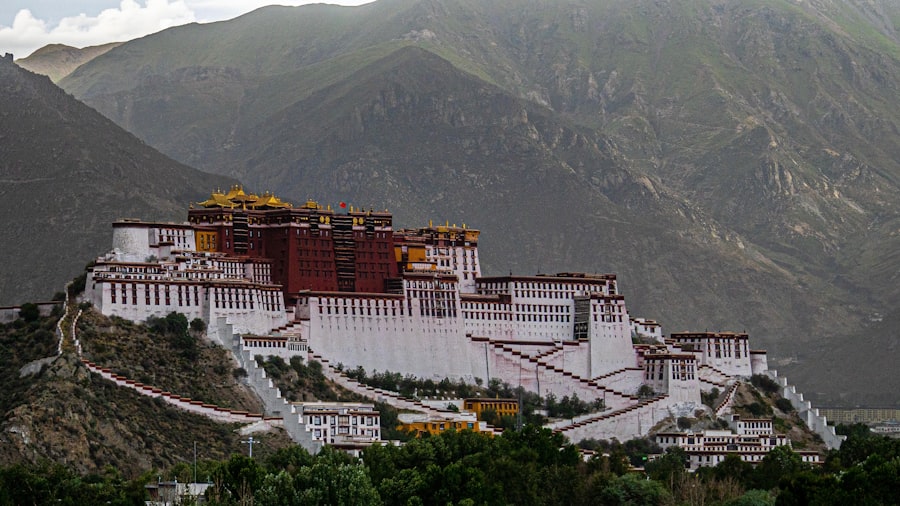
The rapid urbanization of Tibet has profound implications for its traditional lifestyle. As more individuals migrate to cities, there is a noticeable shift away from age-old customs and practices that have defined Tibetan culture for centuries. The once-dominant agrarian lifestyle is gradually being replaced by urban living, which often prioritizes modern conveniences over traditional values.
This transition can lead to a dilution of cultural identity as younger generations become increasingly influenced by urban norms and global trends. Moreover, the migration to urban areas often results in the fragmentation of family structures. In traditional Tibetan society, extended families typically live together, sharing responsibilities and cultural practices.
However, as individuals move to cities for work or education, this familial cohesion can weaken. The loss of communal ties may lead to a sense of isolation among urban dwellers, who may find it challenging to maintain their cultural heritage amidst the hustle and bustle of city life.
Challenges Faced by Urban Areas in Tibet
| Challenges Faced by Urban Areas in Tibet |
|---|
| 1. Limited infrastructure development |
| 2. Inadequate access to healthcare services |
| 3. Environmental degradation and pollution |
| 4. Limited access to quality education |
| 5. Urban poverty and inequality |
| 6. Inadequate urban planning and management |
Despite the opportunities presented by urbanization, Tibetan cities face numerous challenges that complicate their growth and development. One significant issue is the strain on infrastructure and public services. Rapid population growth often outpaces the ability of local governments to provide adequate housing, transportation, healthcare, and sanitation services.
As a result, many urban residents find themselves living in overcrowded conditions with limited access to essential amenities. Additionally, the influx of people into urban areas can exacerbate social tensions. The blending of diverse populations from various regions can lead to competition for resources and jobs, potentially fostering resentment among different groups.
This social dynamic can be particularly pronounced in a region like Tibet, where ethnic identity plays a crucial role in community relations. Addressing these challenges requires careful planning and inclusive policies that promote social cohesion while accommodating the needs of a growing urban populace.
Opportunities for Economic Development in Urban Tibet
Urbanization in Tibet presents significant opportunities for economic development that can benefit both individuals and communities.
As more visitors flock to Tibet’s unique landscapes and cultural sites, urban centers can capitalize on this influx by developing infrastructure that supports tourism-related activities.
This not only creates jobs but also generates revenue that can be reinvested into local communities. Furthermore, urban areas can serve as hubs for innovation and entrepreneurship. With access to better resources and networks, aspiring business owners can establish enterprises that cater to both local needs and external markets.
The rise of technology and digital platforms also opens new avenues for economic engagement, allowing Tibetan entrepreneurs to reach broader audiences beyond their immediate geographic confines. By fostering an environment conducive to business development, urbanization can play a pivotal role in enhancing economic resilience in Tibet.
Government Initiatives to Support Urban Growth in Tibet
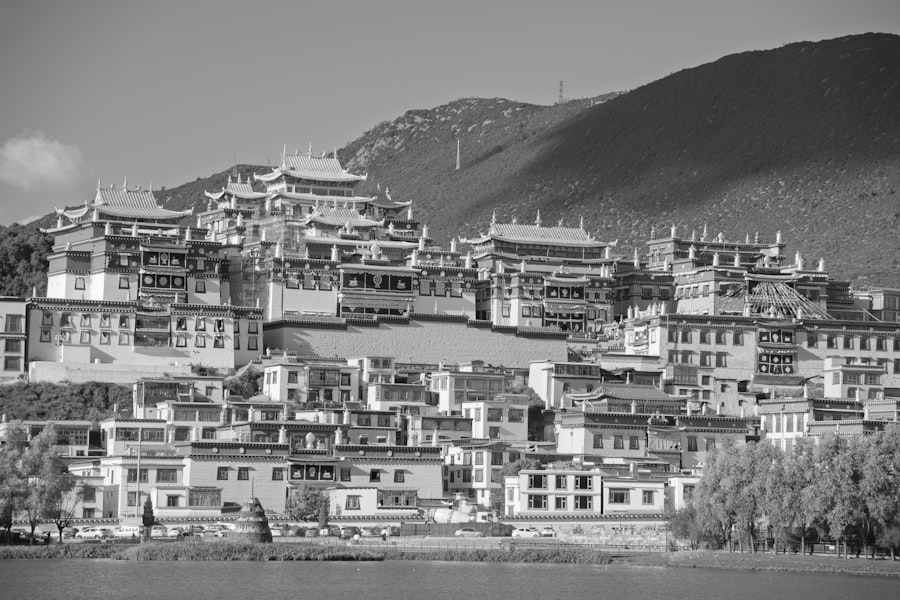
Recognizing the challenges and opportunities associated with urbanization, the Tibetan government has implemented various initiatives aimed at supporting sustainable urban growth. These initiatives often focus on improving infrastructure, enhancing public services, and promoting economic development. For instance, investments in transportation networks are crucial for connecting rural areas with urban centers, facilitating the movement of goods and people.
Additionally, government programs aimed at preserving Tibetan culture while promoting modernization are essential in maintaining a balance between progress and tradition. By supporting cultural initiatives and encouraging local artisanship within urban settings, authorities can help ensure that the unique identity of Tibet is not lost amid rapid change. Such efforts reflect a commitment to fostering an inclusive approach to urban development that respects both heritage and innovation.
Infrastructure Development in Urban Areas of Tibet
Infrastructure development is a cornerstone of urbanization in Tibet, as it lays the foundation for sustainable growth and improved living conditions. The construction of roads, public transportation systems, and utilities is vital for accommodating the increasing population in cities like Lhasa and Shigatse. Enhanced infrastructure not only facilitates mobility but also attracts investment by creating an environment conducive to business operations.
Moreover, the development of housing projects is critical in addressing the issue of overcrowding in urban areas. By providing affordable housing options for migrants from rural regions, local governments can alleviate some of the pressures associated with rapid population growth. Additionally, investments in healthcare facilities and educational institutions are essential for ensuring that urban residents have access to quality services that meet their needs.
Social and Cultural Changes in Urban Tibet
As urbanization progresses in Tibet, significant social and cultural changes are taking place within communities. The blending of traditional Tibetan values with modern influences creates a dynamic cultural landscape that reflects both continuity and change. Urban centers become melting pots where diverse ideas and practices converge, leading to new forms of expression in art, music, and lifestyle choices.
However, this cultural evolution is not without its challenges. The younger generation may find themselves caught between traditional expectations and contemporary aspirations, leading to identity conflicts. While some embrace modernity wholeheartedly, others may feel a sense of loss regarding their cultural heritage.
This tension underscores the importance of fostering dialogue within communities about how to navigate these changes while honoring Tibetan traditions.
Environmental Concerns in Urbanized Tibet
The rapid pace of urbanization in Tibet raises pressing environmental concerns that must be addressed to ensure sustainable development. Increased construction activities can lead to habitat destruction and loss of biodiversity as natural landscapes are altered to accommodate growing populations. Additionally, air and water pollution become significant issues as cities expand without adequate environmental regulations.
The accumulation of waste can strain existing systems and pose health risks to residents if not managed properly. To mitigate these environmental impacts, it is essential for local governments to implement sustainable practices that prioritize ecological preservation alongside urban development.
Future Projections for Urban Population Growth in Tibet
Looking ahead, projections indicate that Tibet’s urban population will continue to grow as migration trends persist and cities evolve. Factors such as economic development initiatives, improved infrastructure, and educational opportunities will likely sustain this momentum. However, it is crucial for policymakers to anticipate potential challenges associated with this growth and develop strategies that promote balanced development.
Future urban planning efforts must prioritize sustainability while preserving Tibetan culture and identity. By integrating community input into decision-making processes and fostering collaboration among stakeholders, authorities can create urban environments that reflect both modern aspirations and traditional values.
Balancing Urbanization with Preservation of Tibet’s Unique Identity
In conclusion, the urban population growth in Tibet presents both opportunities and challenges that require careful navigation. As cities expand and modernize, it is essential to strike a balance between embracing progress and preserving the unique cultural identity that defines Tibetan society. By prioritizing sustainable development practices and fostering community engagement, authorities can ensure that urbanization enhances rather than diminishes the rich tapestry of Tibetan life.
Ultimately, the future of urban Tibet hinges on its ability to adapt while remaining rooted in its traditions. As the region continues to evolve, it will be vital for all stakeholders—government officials, community leaders, and residents—to work collaboratively towards a vision that honors both heritage and innovation. In doing so, they can create vibrant urban spaces that reflect the resilience and spirit of the Tibetan people while paving the way for a prosperous future.
As Tibet experiences a significant population shift from rural areas to urban centers, the implications for cultural preservation and economic development are becoming increasingly important. This transition is explored in detail in a related article that discusses the challenges and opportunities arising from urbanization in the region. For more insights, you can read the article [here](https://www.mygeoquest.com/sample-page/).
WATCH THIS! Tibet’s Emptiness Is No Accident
FAQs
What is the population shift to cities in Tibet?
The population shift to cities in Tibet refers to the trend of people moving from rural areas to urban centers in the region.
What factors are driving the population shift to cities in Tibet?
Factors driving the population shift to cities in Tibet include economic opportunities, improved infrastructure, access to education and healthcare, and government policies promoting urbanization.
How has the population shift to cities impacted Tibet’s urban areas?
The population shift to cities has led to rapid urbanization in Tibet, resulting in the growth of urban areas, increased demand for housing and services, and changes in the social and cultural fabric of urban communities.
What are the challenges associated with the population shift to cities in Tibet?
Challenges associated with the population shift to cities in Tibet include strain on urban infrastructure, pressure on natural resources, social integration of rural migrants, and preservation of traditional Tibetan culture in urban settings.
What are the potential benefits of the population shift to cities in Tibet?
Potential benefits of the population shift to cities in Tibet include improved living standards, increased access to employment and education, and opportunities for economic development and poverty reduction.