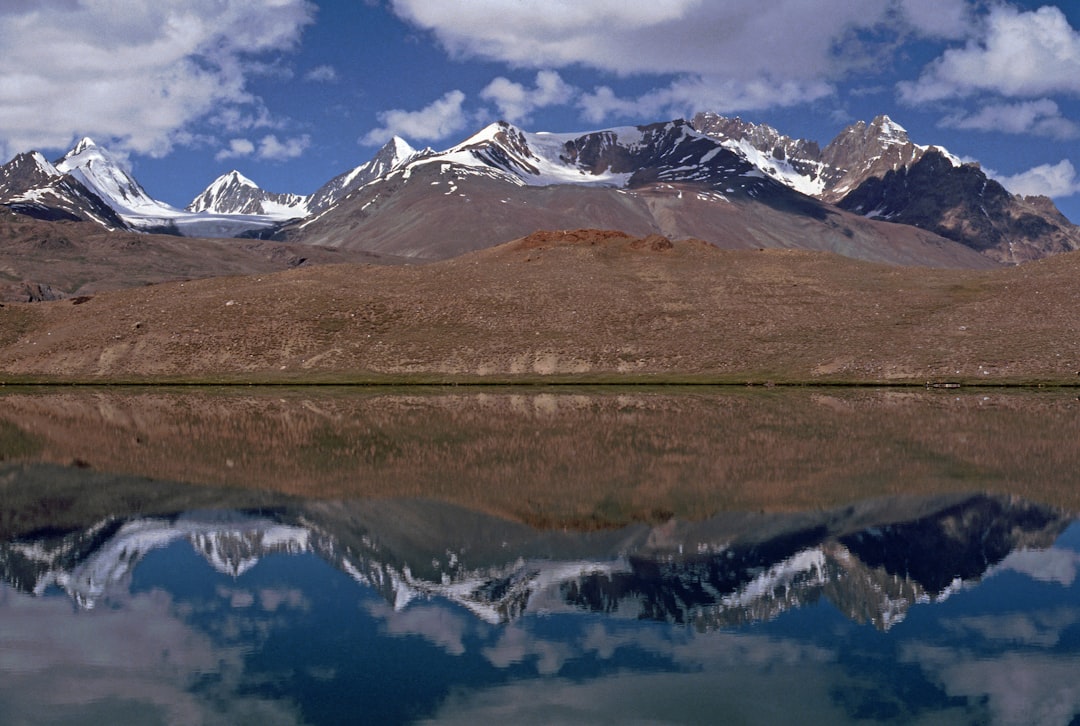
Tibet, often referred to as the “Roof of the World,” holds a pivotal position in the intricate web of Asian water politics. Nestled in the heart of the Himalayas, this region is not only a cultural and spiritual bastion but also a crucial watershed that feeds some of Asia’s major river systems. The rivers originating from Tibet, including the Indus, Brahmaputra, and Mekong, are lifelines for millions of people across several countries.
As water scarcity becomes an increasingly pressing issue in Asia, Tibet’s water resources have garnered significant attention from regional powers and international stakeholders alike. The geopolitical significance of Tibet’s water resources cannot be overstated. With the growing demand for water due to population growth, industrialization, and climate change, the management and control of these vital resources have become a focal point of contention among neighboring countries.
The dynamics of water politics in Asia are complex, influenced by historical grievances, national interests, and environmental concerns. Understanding Tibet’s role in this context is essential for grasping the broader implications for regional stability and cooperation.
Key Takeaways
- Tibet plays a crucial role in Asian water politics due to its abundant water resources and strategic location.
- The historical significance of Tibet’s water resources dates back to ancient times, with its rivers being essential for agriculture, trade, and cultural exchange.
- Chinese control over Tibet’s water resources has led to concerns about environmental degradation and unequal distribution of water to downstream countries.
- Tibet plays a key role in transboundary water management, as its rivers flow through multiple countries, necessitating cooperation for sustainable use.
- Tibetan rivers are of great importance to downstream countries for agriculture, hydropower, and overall economic development.
Historical significance of Tibet’s water resources
Historically, Tibet has been recognized as a critical source of freshwater for the surrounding regions. The Tibetan Plateau is home to numerous glaciers and high-altitude lakes that serve as natural reservoirs, feeding rivers that traverse vast distances. For centuries, these water resources have supported agriculture, livestock, and livelihoods in downstream areas.
The historical significance of Tibet’s water resources is deeply intertwined with the cultural and economic practices of the communities that depend on them. The ancient civilizations that flourished along the banks of Tibetan rivers relied heavily on these water sources for sustenance and trade. The Indus Valley Civilization, for instance, thrived due to the fertile lands nourished by the Indus River, which originates in Tibet.
Similarly, the Brahmaputra River has been central to the development of various cultures in India and Bangladesh. The historical narratives surrounding these rivers highlight their importance not only as physical resources but also as symbols of identity and heritage for the peoples who inhabit their banks.
Impact of Chinese control over Tibet’s water resources
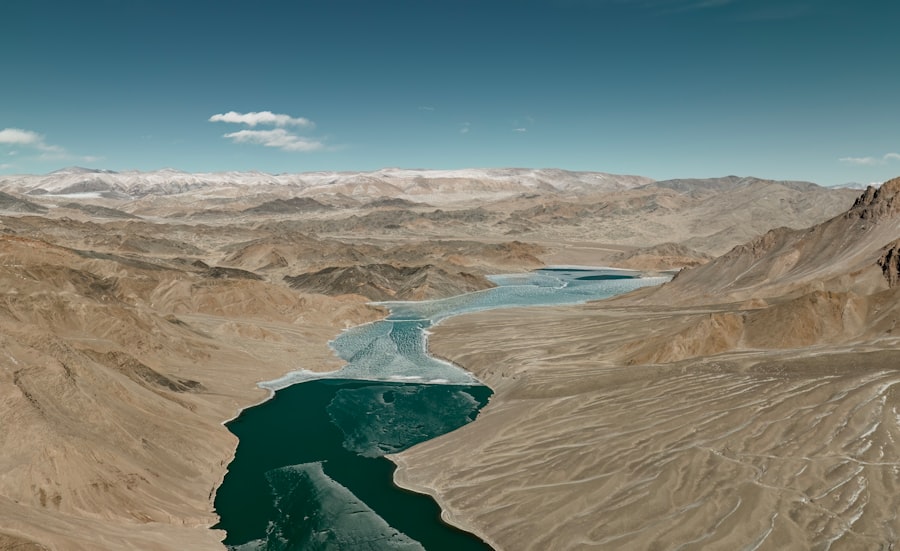
The Chinese government’s control over Tibet has had profound implications for the management and utilization of its water resources. Since the incorporation of Tibet into the People’s Republic of China in the 1950s, there has been a significant shift in how these resources are governed. The Chinese state has prioritized infrastructure development, including dams and hydropower projects, which has raised concerns about environmental sustainability and the rights of local communities.
Chinese policies regarding water management have often been characterized by a top-down approach that prioritizes national interests over local needs. This has led to tensions with downstream countries that rely on Tibetan rivers for their water supply. For instance, India’s concerns about China’s dam-building activities on the Brahmaputra River reflect broader anxieties about water security in a region where water scarcity is becoming increasingly acute.
The impact of Chinese control over Tibet’s water resources extends beyond national borders, influencing regional dynamics and prompting calls for greater cooperation and dialogue among affected countries.
Tibet’s role in transboundary water management
| Transboundary Water Management | Tibet’s Role |
|---|---|
| Water Resources | Major source of several major rivers in Asia |
| Hydropower Potential | Significant potential for hydropower development |
| Environmental Impact | Impact of dam construction on downstream countries |
| Cooperation | Importance of cooperation for sustainable water management |
Tibet’s unique geographical position makes it a critical player in transboundary water management across Asia. The rivers that originate from its highlands traverse multiple national boundaries, creating both opportunities and challenges for cooperation among neighboring countries. Effective transboundary water management is essential for ensuring equitable access to water resources while minimizing conflicts over their use.
In recent years, there have been efforts to establish frameworks for cooperation among countries sharing river basins originating in Tibet. Initiatives such as joint river basin management agreements aim to foster dialogue and collaboration among stakeholders. However, achieving consensus on water-sharing arrangements remains a complex task due to differing national priorities and historical grievances.
The role of Tibet in transboundary water management underscores the need for inclusive approaches that consider the interests of all parties involved.
The importance of Tibetan rivers for downstream countries
The rivers flowing from Tibet are vital lifelines for millions of people living downstream. Countries such as India, Nepal, Bhutan, Bangladesh, and Myanmar depend on these rivers for agriculture, drinking water, and energy production. The Brahmaputra River alone supports an estimated 120 million people in its basin, highlighting the critical importance of Tibetan rivers for regional food security and economic development.
Moreover, Tibetan rivers play a significant role in maintaining ecological balance in downstream ecosystems. They support diverse flora and fauna while providing essential services such as flood regulation and sediment transport. The health of these river systems is directly linked to the well-being of communities that rely on them.
As such, any disruption to the flow or quality of these waters can have far-reaching consequences for both human populations and natural ecosystems.
Environmental challenges facing Tibet’s water resources
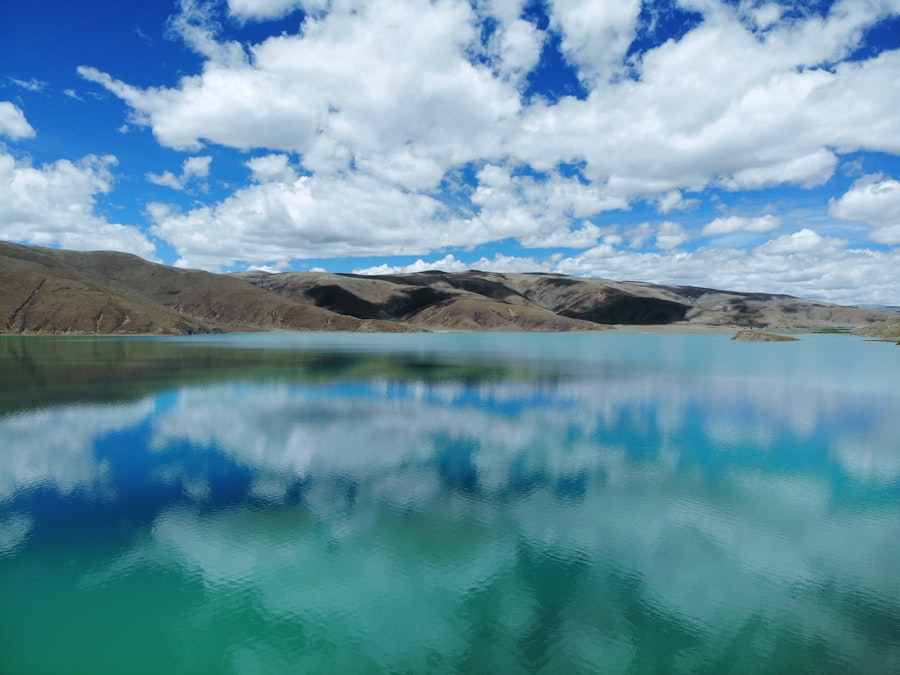
Tibet’s water resources are increasingly threatened by a range of environmental challenges. Climate change is perhaps the most pressing issue, as rising temperatures lead to glacial melt and altered precipitation patterns. The Tibetan Plateau is experiencing significant changes in its hydrological cycle, which could have profound implications for river flows and water availability in the region.
In addition to climate change, human activities such as mining, deforestation, and urbanization pose significant risks to Tibet’s fragile ecosystems. These activities can lead to soil erosion, habitat destruction, and pollution of water sources. The cumulative impact of these environmental challenges threatens not only the sustainability of Tibet’s water resources but also the livelihoods of communities that depend on them.
International disputes over Tibet’s water resources
The geopolitical landscape surrounding Tibet’s water resources is fraught with international disputes that reflect broader tensions between neighboring countries. As nations vie for control over shared river systems, disagreements over water rights and usage have become increasingly pronounced. For instance, India’s concerns about China’s dam projects on the Brahmaputra River highlight the potential for conflict arising from unilateral actions taken by upstream countries.
These disputes are often exacerbated by historical grievances and nationalistic sentiments that complicate diplomatic relations. The lack of comprehensive legal frameworks governing transboundary water management further contributes to tensions between countries sharing river basins originating in Tibet. As competition for freshwater intensifies in an era of climate change and population growth, addressing these disputes will be crucial for maintaining regional stability.
The role of Tibet in regional water cooperation
Despite the challenges posed by international disputes over water resources, there are opportunities for regional cooperation centered around Tibet’s waters. Collaborative efforts aimed at sustainable management of shared river systems can foster dialogue among countries that rely on Tibetan rivers.
Regional organizations and forums can play a vital role in facilitating dialogue among stakeholders. By bringing together representatives from different countries to discuss common challenges and explore collaborative solutions, these platforms can help mitigate tensions and promote a more equitable distribution of water resources. The role of Tibet in regional water cooperation underscores the importance of inclusive governance structures that prioritize shared interests over nationalistic agendas.
The impact of climate change on Tibet’s water resources
Climate change poses a significant threat to Tibet’s water resources, with far-reaching implications for both local communities and downstream countries. Rising temperatures are causing glaciers in the region to melt at an accelerated rate, leading to increased river flows initially but raising concerns about long-term sustainability. As glaciers recede, there is a risk of reduced water availability during dry seasons when demand peaks.
Moreover, changing precipitation patterns are altering the hydrological cycle in Tibet, leading to unpredictable weather events such as floods and droughts. These changes can disrupt agricultural practices and threaten food security in both Tibet and downstream regions. Addressing the impacts of climate change on Tibet’s water resources requires coordinated efforts at local, national, and international levels to develop adaptive strategies that enhance resilience.
The future of Tibet’s influence in Asian water politics
The future of Tibet’s influence in Asian water politics will depend on various factors, including geopolitical dynamics, environmental changes, and regional cooperation efforts. As competition for freshwater intensifies due to population growth and climate change, Tibet’s role as a critical watershed will likely become even more pronounced. However, this influence will also be shaped by how effectively stakeholders can navigate complex political landscapes and address historical grievances.
Increased awareness of environmental sustainability may drive collaborative efforts aimed at protecting Tibet’s fragile ecosystems while ensuring equitable access to its water resources. The potential for innovative governance models that prioritize cooperation over conflict could pave the way for a more stable future in Asian water politics.
the significance of Tibet’s water resources for the region
In conclusion, Tibet’s water resources hold immense significance not only for local communities but also for millions across Asia who depend on its rivers for survival. As a critical source of freshwater in a region facing increasing challenges related to climate change and population growth, Tibet’s role in Asian water politics cannot be overlooked. The historical context surrounding these resources highlights their importance as both physical assets and cultural symbols.
Navigating the complexities of transboundary water management will require concerted efforts from all stakeholders involved. By fostering dialogue and cooperation among countries sharing river basins originating in Tibet, it may be possible to address disputes while promoting sustainable practices that benefit both people and ecosystems. Ultimately, recognizing the significance of Tibet’s water resources is essential for ensuring a stable and equitable future for the region as a whole.
Tibet plays a crucial role in Asian water politics, serving as the source of many major rivers that flow into neighboring countries. The strategic importance of these water resources has led to various geopolitical tensions in the region. For a deeper understanding of how Tibet’s water resources impact regional dynamics, you can read more in this related article on MyGeoQuest: MyGeoQuest.
WATCH THIS! Tibet’s Emptiness Is No Accident
FAQs
What is Tibet’s role in Asian water politics?
Tibet is the source of several major rivers in Asia, including the Yangtze, Yellow, Mekong, and Brahmaputra rivers. As a result, the region plays a crucial role in the water politics of surrounding countries.
How does Tibet’s water resources impact neighboring countries?
The rivers originating in Tibet flow through several countries, providing water for agriculture, industry, and domestic use. This makes Tibet’s water resources a critical factor in the geopolitical dynamics of the region.
What are the concerns related to Tibet’s water resources?
There are concerns about the potential impact of dam construction, water diversion projects, and climate change on the flow and quality of water from Tibet to downstream regions. These concerns have led to tensions and disputes among countries sharing these rivers.
What is China’s role in Tibet’s water politics?
China’s control over Tibet gives it significant influence over the management and use of the region’s water resources. This has led to concerns and criticisms from downstream countries about China’s water policies and infrastructure projects in Tibet.
How are countries addressing water politics related to Tibet?
Countries in the region have engaged in diplomatic negotiations, water-sharing agreements, and multilateral forums to address the challenges and opportunities presented by Tibet’s water resources. These efforts aim to promote cooperation and sustainable management of the shared rivers.