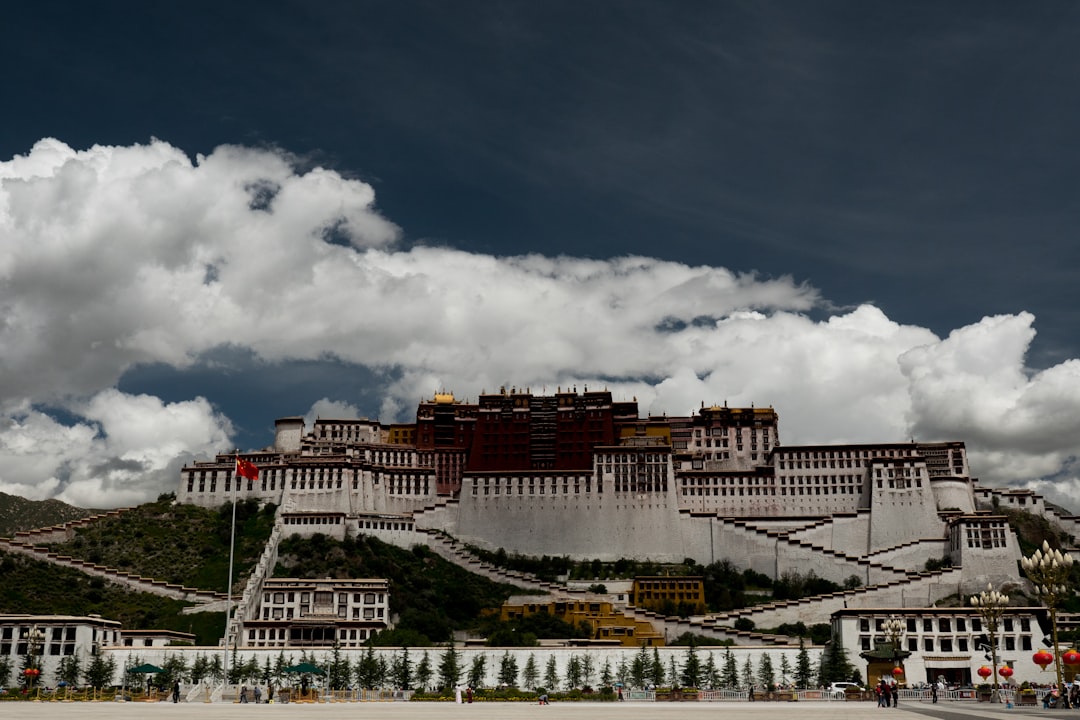
The notion of Tibet as a spiritual paradise has been romanticized in the global imagination, often depicted as a land of serene monks, breathtaking landscapes, and profound spiritual wisdom. This idyllic portrayal has been perpetuated through literature, film, and the narratives of travelers who have ventured into its majestic mountains. Many view Tibet as a sanctuary of peace, where ancient traditions flourish amidst the backdrop of the Himalayas.
This image, however, is a veneer that obscures the complex realities faced by the Tibetan people. While the region is indeed rich in spiritual heritage, the harsh socio-political conditions have marred this picturesque vision.
The Tibetan Buddhist culture, revered for its depth and richness, exists under the shadow of political oppression and cultural suppression. The romanticized view often neglects the voices of those who live in Tibet today, who experience daily hardships that contradict the image of a tranquil paradise. The juxtaposition of spiritual beauty and political turmoil creates a narrative that is both compelling and tragic, revealing that the true essence of Tibet is far more complex than the simplistic myth suggests.
Key Takeaways
- The myth of a spiritual paradise: Tibet is often romanticized as a spiritual paradise, but the reality is far from it.
- The reality of political oppression: Tibetans face political oppression and restrictions on their freedom of expression and religion.
- Cultural suppression and forced assimilation: The Chinese government has implemented policies to suppress Tibetan culture and force assimilation into Chinese society.
- The struggle for independence: Tibetans have long fought for independence from Chinese rule, facing resistance and crackdowns from the government.
- The role of the Chinese government: The Chinese government plays a significant role in the oppression and exploitation of Tibet and its people.
The Reality of Political Oppression
The political landscape in Tibet is marked by a profound sense of oppression that has persisted for decades. Since the Chinese annexation in 1950, Tibetans have faced systematic repression aimed at eradicating their national identity and cultural heritage. The Chinese government has implemented strict controls over religious practices, limiting the freedom of expression and assembly for the Tibetan people.
Monasteries, once vibrant centers of spiritual life, have been transformed into sites of surveillance and control, where monks and nuns are subjected to indoctrination and punishment for dissent. This political oppression extends beyond religious restrictions; it permeates every aspect of Tibetan life. The Chinese authorities maintain a heavy-handed presence in Tibetan society, employing tactics such as arbitrary arrests, forced disappearances, and torture to silence dissent.
The pervasive atmosphere of fear stifles any potential for resistance or advocacy, leaving many Tibetans feeling powerless in the face of an overwhelming state apparatus. The struggle for autonomy and recognition continues to be met with brutal crackdowns, further entrenching the cycle of oppression that defines contemporary Tibetan existence.
Cultural Suppression and Forced Assimilation
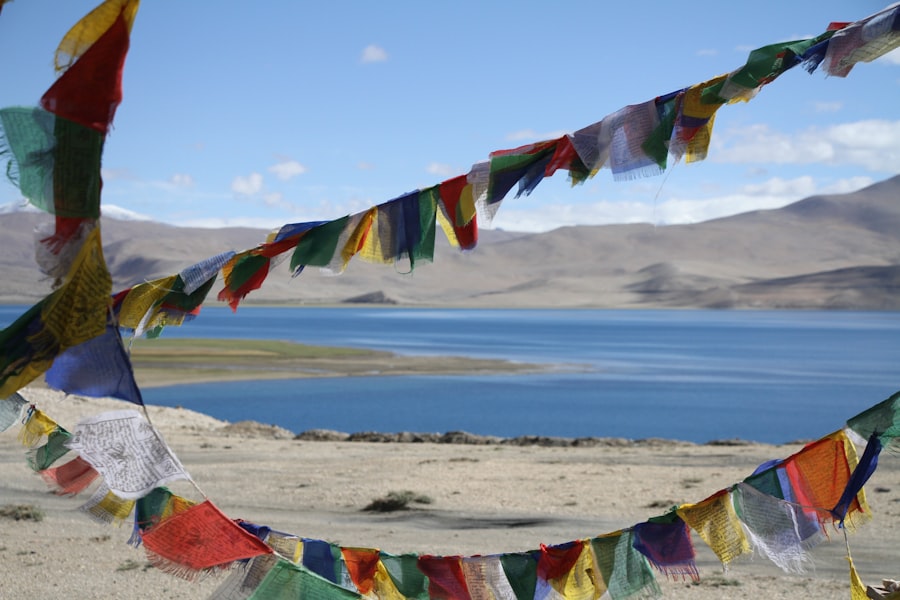
Cultural suppression in Tibet manifests in various forms, as the Chinese government seeks to assimilate Tibetan identity into a homogenized national narrative. Language, art, and traditional practices are systematically undermined in favor of promoting Mandarin and Han Chinese culture. Schools in Tibet often prioritize Chinese language instruction over Tibetan, leading to a gradual erosion of linguistic heritage among younger generations.
This forced assimilation not only threatens the survival of the Tibetan language but also diminishes the richness of its cultural expressions. The impact of cultural suppression extends beyond language; it infiltrates religious practices and community life. Monasteries have been repurposed as tools for state propaganda, where teachings are altered to align with Communist ideology.
Traditional festivals and rituals are either banned or heavily monitored, stripping them of their authentic significance. As a result, many Tibetans find themselves caught between preserving their cultural identity and conforming to state-imposed norms. This struggle creates a profound sense of loss and disconnection from their heritage, as generations grapple with the consequences of enforced assimilation.
The Struggle for Independence
| Country | Date of Independence | Colonial Power |
|---|---|---|
| United States | July 4, 1776 | Great Britain |
| India | August 15, 1947 | United Kingdom |
| Kenya | December 12, 1963 | United Kingdom |
| Algeria | July 5, 1962 | France |
The quest for Tibetan independence is a deeply rooted aspiration that has evolved over time. For many Tibetans, independence represents not just political freedom but also the reclamation of their cultural identity and spiritual heritage. The movement for independence gained momentum following the 1959 uprising against Chinese rule, which resulted in a brutal crackdown and the flight of the Dalai Lama into exile.
Since then, various groups have emerged to advocate for Tibetan rights, seeking to raise awareness about the plight of their people on the international stage. Despite facing significant challenges, including internal divisions and external pressures, the struggle for independence remains resilient. Activists continue to organize protests, engage in diplomatic efforts, and utilize social media to amplify their voices.
The call for autonomy resonates not only within Tibet but also among the global Tibetan diaspora, who work tirelessly to keep the issue alive in international discourse. The dream of an independent Tibet serves as a unifying force for many, inspiring hope and determination in the face of adversity.
The Role of the Chinese Government
The Chinese government’s role in Tibet is characterized by a dual approach: promoting economic development while simultaneously enforcing strict political control. On one hand, Beijing has invested heavily in infrastructure projects aimed at modernizing Tibet’s economy. However, these developments often come at the expense of local communities, as resources are exploited without regard for environmental sustainability or cultural preservation.
The benefits of economic growth frequently bypass ordinary Tibetans, leading to widespread discontent. Moreover, the Chinese government employs propaganda to portray its presence in Tibet as benevolent and transformative. State media often highlight infrastructure improvements and economic advancements while downplaying or outright ignoring human rights abuses.
This narrative seeks to legitimize China’s claim over Tibet and suppress dissenting voices that challenge its authority. By controlling information and shaping public perception, the Chinese government aims to maintain its grip on power while stifling any calls for autonomy or independence.
International Response and Inaction
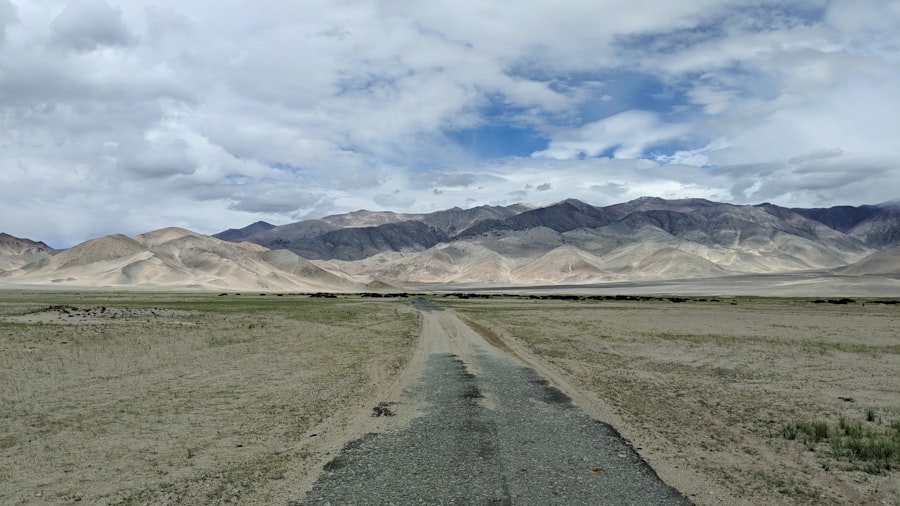
The international response to the situation in Tibet has been marked by a mix of concern and inaction. While numerous governments and human rights organizations have condemned China’s policies in Tibet, concrete actions to address these issues remain limited. Diplomatic relations with China often take precedence over human rights considerations, leading to a reluctance among world leaders to confront Beijing directly on its treatment of Tibetans.
This lack of decisive action has left many Tibetans feeling abandoned by the international community. Activists argue that greater awareness and advocacy are essential to pressuring China to respect human rights and grant autonomy to Tibet. However, the complexities of international politics often hinder meaningful progress.
As global powers navigate their relationships with China, the plight of Tibetans risks being overshadowed by economic interests and geopolitical considerations.
The Impact on Tibetan Society
The ongoing oppression and cultural suppression have profound effects on Tibetan society as a whole. The erosion of cultural identity leads to a sense of disconnection among younger generations who struggle to reconcile their heritage with the pressures of modernity. Many young Tibetans find themselves caught between two worlds: one that values traditional practices and another that promotes assimilation into Han Chinese culture.
This internal conflict can result in feelings of alienation and confusion about their identity. Moreover, the psychological toll of living under constant surveillance and repression cannot be underestimated. Fear permeates daily life, affecting interpersonal relationships and community cohesion.
Many Tibetans live with trauma from past experiences of violence or loss due to state crackdowns. This collective trauma shapes societal dynamics, making it challenging for communities to unite in resistance or advocacy efforts. Despite these challenges, there remains a resilient spirit among Tibetans who continue to seek ways to preserve their culture and assert their identity.
Environmental Degradation and Resource Exploitation
Tibet’s unique environment is under threat from extensive resource exploitation driven by Chinese economic policies. The region is rich in natural resources such as minerals, water, and forests; however, these resources are often extracted without regard for environmental sustainability or local communities’ needs. Large-scale mining operations and infrastructure projects disrupt ecosystems and displace indigenous populations, leading to long-term ecological damage.
The environmental degradation resulting from these activities poses significant risks not only to Tibet but also to neighboring regions dependent on its water resources. The Tibetan Plateau is often referred to as the “Third Pole” due to its vast glaciers that feed major rivers across Asia. As climate change exacerbates environmental challenges, the consequences of resource exploitation become increasingly dire.
The struggle for environmental justice is intertwined with the fight for cultural preservation, as both are essential for ensuring a sustainable future for Tibetans.
The Dalai Lama’s Exile and Advocacy
The Dalai Lama’s exile has become emblematic of the Tibetan struggle for autonomy and cultural preservation. Since fleeing to India in 1959 following the Chinese crackdown on protests in Lhasa, he has emerged as a global symbol of peace and resilience. Through his advocacy efforts, he has brought international attention to the plight of Tibetans while promoting nonviolent resistance as a means to achieve freedom.
His teachings emphasize compassion and understanding, resonating with people worldwide who seek justice for oppressed communities. The Dalai Lama’s ability to articulate the Tibetan cause has garnered support from various sectors, including political leaders, activists, and ordinary citizens who empathize with his message. Despite his advanced age and physical limitations, he continues to inspire hope among Tibetans both within their homeland and in exile.
The Importance of Preserving Tibetan Culture
Preserving Tibetan culture is not merely an act of nostalgia; it is essential for maintaining a sense of identity amid ongoing oppression. Cultural practices such as traditional music, dance, art, and religious rituals serve as vital expressions of Tibetan heritage that connect individuals to their history and community. Efforts to safeguard these traditions are crucial for fostering resilience among Tibetans facing cultural erasure.
As cultures around the world face threats from globalization and homogenization, safeguarding unique traditions becomes increasingly important. Initiatives aimed at documenting oral histories, supporting traditional arts, and promoting language education play a vital role in ensuring that future generations can inherit their cultural legacy.
Hope for the Future: Resilience and Resistance
Despite the myriad challenges facing Tibetans today, there remains an enduring spirit of resilience and resistance within their communities. Grassroots movements continue to emerge as individuals come together to advocate for their rights and preserve their culture. From peaceful protests to artistic expressions that challenge state narratives, these acts of defiance reflect an unwavering commitment to justice.
The resilience demonstrated by Tibetans serves as a source of inspiration not only for those within their communities but also for global movements advocating for human rights and self-determination. As awareness grows about the situation in Tibet, there is hope that international solidarity will strengthen efforts toward achieving autonomy and preserving cultural heritage. Ultimately, the struggle for a free Tibet embodies a broader fight against oppression—a testament to the indomitable spirit of those who refuse to be silenced in their quest for dignity and justice.
In the quest to uncover the truth about empty Tibet, one can explore various perspectives and insights that shed light on the region’s complex history and current situation. A related article that delves into these themes can be found at My Geo Quest, where it discusses the cultural and environmental implications of the changes occurring in Tibet. This resource provides a comprehensive overview that complements the ongoing dialogue about the region’s identity and challenges.
WATCH THIS! Tibet’s Emptiness Is No Accident
FAQs
What is the current political status of Tibet?
Tibet is currently an autonomous region within the People’s Republic of China. The Chinese government asserts its control over Tibet, while the Tibetan government-in-exile and some international supporters argue for Tibetan independence.
What is the history of Tibet’s relationship with China?
Tibet was traditionally a sovereign state with its own government and ruling system. In 1950, the People’s Liberation Army of China entered Tibet, leading to the incorporation of Tibet into the People’s Republic of China. This move has been a subject of controversy and debate.
What is the Dalai Lama’s role in the Tibetan political landscape?
The Dalai Lama is the spiritual leader of Tibetan Buddhism and was the political leader of Tibet until 1959 when he fled to India following a failed uprising against Chinese rule. He continues to advocate for the rights of Tibetans and the preservation of Tibetan culture from his base in India.
What are the human rights concerns in Tibet?
Human rights organizations have raised concerns about restrictions on religious freedom, cultural suppression, and political repression in Tibet. The Chinese government has been accused of human rights abuses in the region, including arbitrary detention and torture.
What is the Chinese government’s perspective on Tibet?
The Chinese government maintains that Tibet is an integral part of China and has made significant investments in the region’s development. They argue that Tibetans have benefited from economic growth and improved living standards under Chinese rule.