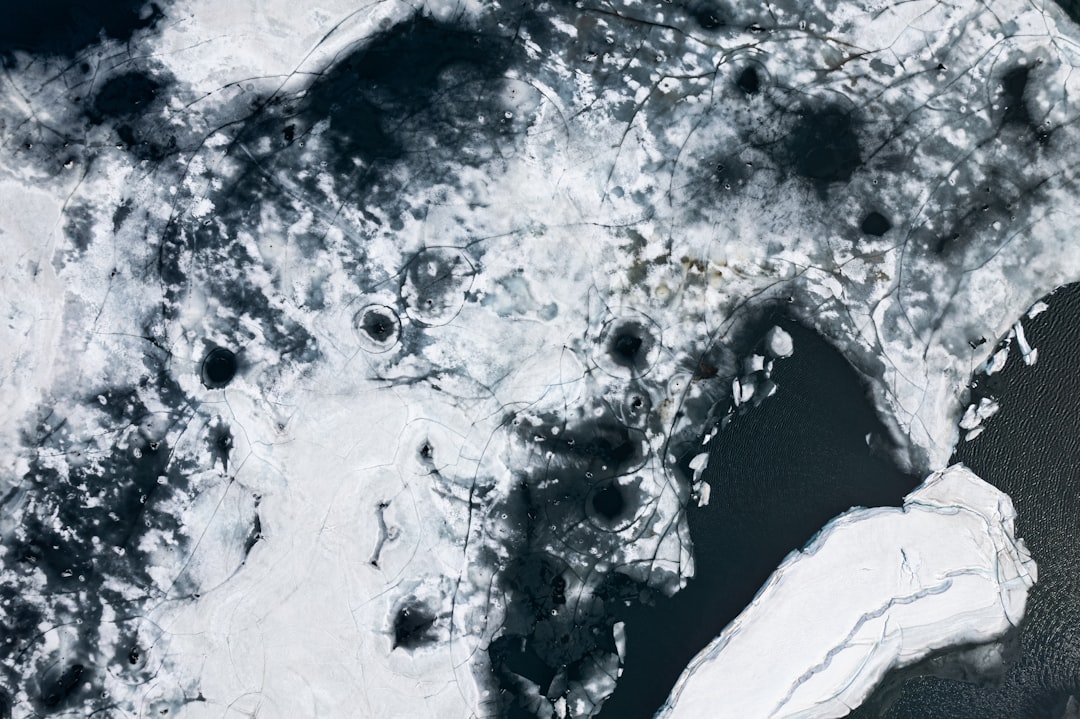
The Arctic region, often referred to as the Earth’s refrigerator, plays a crucial role in regulating global climate. Over the past few decades, scientists have observed alarming rates of ice melting in this fragile ecosystem. The phenomenon is primarily attributed to climate change, driven by human activities such as fossil fuel combustion and deforestation.
As temperatures rise, the Arctic ice cap, which has historically acted as a barrier to warmer ocean waters, is diminishing at an unprecedented rate. This melting not only poses a threat to the unique wildlife that inhabits the region but also has far-reaching implications for global weather patterns and sea levels. The consequences of Arctic ice melting extend beyond the immediate environment.
The loss of ice cover affects ocean currents and atmospheric conditions, leading to unpredictable weather patterns across the globe. As the Arctic continues to warm at a rate nearly twice that of the rest of the planet, the urgency for understanding and addressing this crisis becomes increasingly critical. The melting ice serves as a stark reminder of the interconnectedness of Earth’s systems and the need for collective action to mitigate climate change.
Impact on Arctic Wildlife
The melting of Arctic ice has profound implications for the region’s wildlife, which has adapted over millennia to thrive in this unique environment. Species such as polar bears, seals, and walruses rely heavily on sea ice for hunting, breeding, and resting. As the ice diminishes, these animals face significant challenges in finding food and suitable habitats.
Polar bears, for instance, are forced to swim longer distances in search of stable ice platforms, leading to increased energy expenditure and decreased survival rates. Moreover, the disruption of the food chain is a critical concern. The melting ice affects not only large mammals but also smaller species that form the foundation of the Arctic ecosystem.
As ice-dependent species decline, the entire food web is at risk. The loss of biodiversity in this region could have cascading effects on global ecosystems, highlighting the importance of preserving Arctic habitats for both wildlife and human populations.
Disruption of Global Climate Patterns

The Arctic plays a pivotal role in regulating global climate patterns through its influence on ocean currents and atmospheric circulation. As ice melts, it alters the albedo effect—the reflection of sunlight off the Earth’s surface—leading to increased absorption of heat by the oceans. This change can disrupt established weather patterns, resulting in extreme weather events such as hurricanes, droughts, and heavy rainfall in various parts of the world.
Furthermore, the warming Arctic can lead to shifts in jet streams, which are crucial for maintaining stable weather systems. These alterations can cause prolonged periods of extreme temperatures in certain regions, affecting agriculture, water supply, and overall human health. The interconnectedness of climate systems underscores the urgency of addressing Arctic ice melting as a critical component of global climate change mitigation efforts.
Rising Sea Levels
| Country | Projected Sea Level Rise (in meters) | Population at Risk (in millions) |
|---|---|---|
| Bangladesh | 0.5 | 25 |
| Netherlands | 0.3 | 3 |
| United States | 0.3 | 30 |
| China | 0.2 | 15 |
One of the most immediate consequences of Arctic ice melting is the contribution to rising sea levels. As glaciers and ice sheets disintegrate, they release vast amounts of freshwater into the oceans. This influx not only raises sea levels but also poses a threat to coastal communities worldwide.
Low-lying areas are particularly vulnerable, facing increased flooding and erosion as sea levels continue to rise. The implications of rising sea levels extend beyond environmental concerns; they also pose significant risks to infrastructure and economies. Coastal cities may need to invest heavily in adaptation measures such as seawalls and drainage systems to protect against flooding.
In some cases, entire communities may be forced to relocate, leading to social and economic upheaval. The urgency to address rising sea levels is paramount as communities grapple with the reality of climate change’s impact on their livelihoods.
Threat to Indigenous Communities
Indigenous communities in the Arctic have lived in harmony with their environment for generations, relying on traditional knowledge and practices for sustenance and cultural identity. However, the rapid melting of ice poses an existential threat to these communities. As their hunting grounds diminish and traditional migratory routes are disrupted, Indigenous peoples face challenges in maintaining their way of life.
Moreover, the loss of ice affects not only food security but also cultural practices tied to the land and sea. Traditional hunting and fishing methods are becoming increasingly difficult as species migrate or decline due to changing environmental conditions. The erosion of cultural heritage is a profound loss that extends beyond individual communities; it represents a loss of knowledge and history that has been passed down through generations.
Economic Consequences
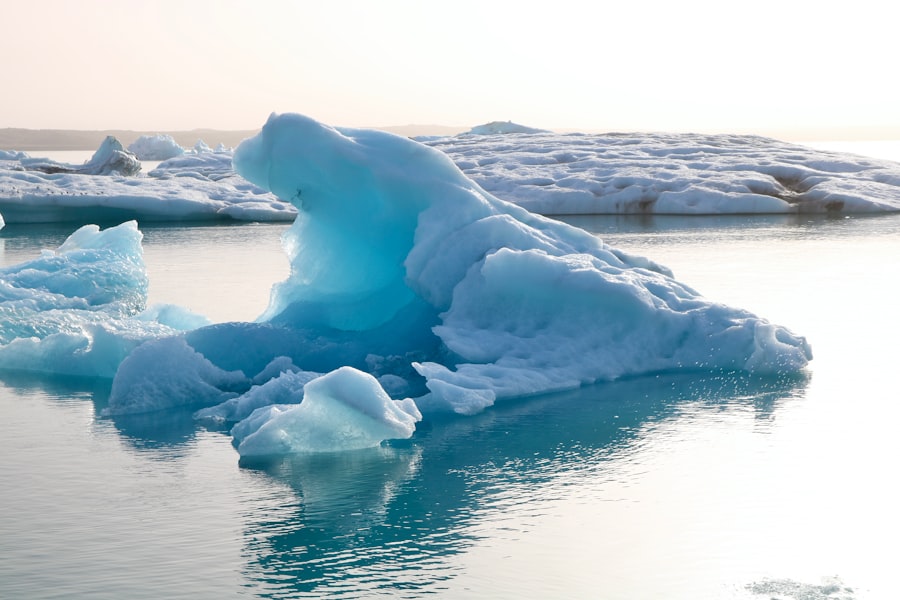
The economic ramifications of Arctic ice melting are multifaceted and far-reaching. As traditional industries such as fishing and hunting face challenges due to changing ecosystems, communities must adapt to new economic realities. The decline in fish stocks can lead to reduced income for local fishermen and increased competition for dwindling resources.
Additionally, the melting ice opens up new opportunities for resource extraction and shipping routes, which can have both positive and negative economic impacts. While these developments may create jobs and stimulate local economies, they also pose significant environmental risks. Increased industrial activity can lead to pollution and habitat destruction, further exacerbating the challenges faced by Indigenous communities and wildlife.
Increased Shipping and Resource Extraction
The reduction of Arctic ice has led to increased interest in shipping routes that were previously inaccessible due to harsh conditions. The Northern Sea Route and Northwest Passage are becoming more navigable, offering shorter shipping lanes between Europe and Asia. This shift has significant implications for global trade but also raises concerns about environmental degradation and oil spills.
Resource extraction activities such as oil drilling and mining are also on the rise as companies seek to capitalize on newly accessible reserves. While these activities may provide economic benefits in the short term, they pose long-term risks to fragile ecosystems. The potential for oil spills and habitat destruction could have devastating effects on wildlife populations and Indigenous communities that depend on these resources for their livelihoods.
Release of Greenhouse Gases
As Arctic ice melts, it not only contributes to rising sea levels but also has implications for greenhouse gas emissions. Permafrost—frozen soil that has trapped carbon dioxide and methane for millennia—is beginning to thaw as temperatures rise. This thawing releases these potent greenhouse gases into the atmosphere, further exacerbating climate change.
The release of methane is particularly concerning due to its potency as a greenhouse gas; it is estimated to be over 25 times more effective than carbon dioxide at trapping heat over a 100-year period. This feedback loop creates a vicious cycle where warming leads to more greenhouse gas emissions, which in turn accelerates warming. Addressing this issue requires urgent action to mitigate climate change and protect permafrost regions from further degradation.
Loss of Reflective Surface
The loss of Arctic ice also results in a decrease in the Earth’s albedo effect—the ability of surfaces to reflect sunlight back into space. Ice and snow have high albedo values, meaning they reflect a significant portion of solar radiation. As these reflective surfaces diminish, darker ocean waters absorb more heat, leading to further warming.
This feedback mechanism not only accelerates local warming but also contributes to global temperature increases. The implications are profound; as more heat is absorbed by the oceans, it can lead to changes in weather patterns worldwide. The loss of reflective surfaces underscores the importance of preserving Arctic ice as a critical component of Earth’s climate system.
Impact on Global Food Supply
The consequences of Arctic ice melting extend beyond regional ecosystems; they have implications for global food supply chains as well. Changes in fish populations due to shifting habitats can disrupt fishing industries worldwide, affecting food availability and prices. As fish stocks decline or migrate northward in search of cooler waters, communities that rely on these resources face food insecurity.
Moreover, changes in weather patterns resulting from Arctic warming can impact agricultural production in various regions. Extreme weather events such as droughts or floods can disrupt crop yields, leading to food shortages and increased prices globally.
International Cooperation and Policy Responses
Addressing the challenges posed by Arctic ice melting requires international cooperation and concerted policy responses. Countries must work together to mitigate climate change through agreements such as the Paris Agreement, which aims to limit global warming by reducing greenhouse gas emissions. Collaborative efforts are essential for sharing knowledge, resources, and technologies that can help combat climate change effectively.
Furthermore, policies must prioritize the protection of Indigenous rights and traditional knowledge in decision-making processes related to resource extraction and environmental conservation. Engaging Indigenous communities as stewards of their land can lead to more sustainable practices that benefit both people and ecosystems. The urgency of addressing Arctic ice melting calls for a unified global response that recognizes the interconnectedness of environmental issues and prioritizes long-term sustainability over short-term gains.
In conclusion, the melting of Arctic ice presents a complex web of challenges that extend far beyond the region itself. From its impact on wildlife and Indigenous communities to its role in global climate patterns and food security, the consequences are profound and far-reaching. Addressing this crisis requires urgent action at both local and international levels, emphasizing collaboration and sustainable practices that prioritize the health of our planet for future generations.
The rapid melting of Arctic ice has far-reaching consequences, impacting global weather patterns, sea levels, and ecosystems. As the ice diminishes, it contributes to rising sea levels, which threaten coastal communities worldwide. Additionally, the loss of ice alters ocean currents and weather systems, potentially leading to more extreme weather events. For a deeper understanding of these impacts, you can explore a related article on the topic by visiting MyGeoQuest, which provides insights into the environmental and socio-economic effects of Arctic ice melting.
WATCH THIS! The Arctic Ice Is Melting, And It Will Start World War 3
FAQs
What are the consequences of arctic ice melting?
The consequences of arctic ice melting include rising sea levels, changes in ocean currents, loss of habitat for arctic wildlife, and increased greenhouse gas emissions.
How does arctic ice melting contribute to rising sea levels?
Arctic ice melting contributes to rising sea levels by adding more water to the oceans. As the ice melts, the water flows into the ocean, causing sea levels to rise.
What impact does arctic ice melting have on ocean currents?
Arctic ice melting can disrupt ocean currents, leading to changes in temperature and weather patterns. This can have far-reaching effects on marine life and ecosystems.
How does arctic ice melting affect arctic wildlife?
Arctic ice melting affects arctic wildlife by reducing their habitat and food sources. Animals such as polar bears, seals, and walruses rely on the ice for hunting and breeding, so the loss of ice can have a significant impact on their populations.
What role does arctic ice melting play in greenhouse gas emissions?
Arctic ice melting can release stored greenhouse gases, such as methane, into the atmosphere. This can contribute to further warming and climate change, creating a feedback loop that exacerbates the problem.