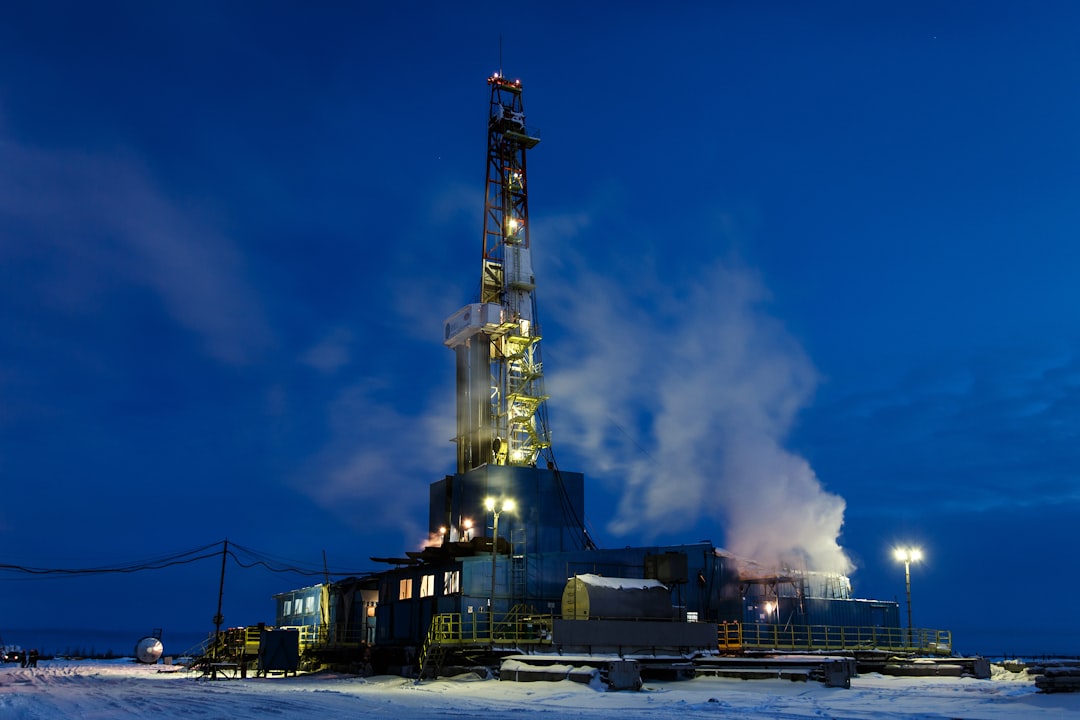
The Arctic region is home to vast reserves of oil and natural gas, estimated to hold around 13% of the world’s undiscovered oil and 30% of its undiscovered natural gas. This significant potential has garnered the attention of nations and corporations alike, as energy demands continue to rise globally. The Arctic’s resources are not only crucial for meeting current energy needs but also play a pivotal role in shaping the future energy landscape.
As traditional fossil fuel reserves in other parts of the world dwindle, the Arctic presents a promising frontier for exploration and extraction, making it a focal point in discussions about energy security and economic growth. Moreover, the geopolitical significance of Arctic oil and gas reserves cannot be overstated. Countries bordering the Arctic, including Russia, Canada, Norway, and the United States, are increasingly vying for control over these resources.
The potential for economic gain is immense, as access to these reserves could bolster national economies and enhance energy independence. As global energy markets evolve, the Arctic’s untapped resources may become a critical component in the quest for sustainable energy solutions, further emphasizing the importance of this region in the global energy dialogue.
Challenges of Accessing Arctic Oil and Gas Reserves
Despite the allure of Arctic oil and gas reserves, accessing these resources is fraught with challenges. The harsh environmental conditions of the Arctic, characterized by extreme cold, ice cover, and remote locations, pose significant obstacles to exploration and extraction efforts. The logistical difficulties associated with transporting equipment and personnel to these remote sites can lead to increased costs and extended timelines for projects.
Additionally, the unpredictable weather patterns in the region can further complicate operations, making it essential for companies to develop robust contingency plans. Another challenge lies in the technological limitations that have historically hindered exploration in the Arctic. While advancements have been made in drilling techniques and equipment, many of these technologies are still not fully adapted to the unique conditions of the Arctic environment.
Icebergs, shifting sea ice, and deep-water drilling present specific challenges that require innovative solutions. As companies seek to tap into these reserves, they must invest in research and development to create technologies that can withstand the rigors of Arctic exploration while ensuring safety and efficiency.
Environmental Concerns and Risks

The extraction of oil and gas from the Arctic raises significant environmental concerns that cannot be overlooked.
Oil spills, habitat disruption, and increased shipping traffic pose risks not only to local wildlife but also to indigenous communities that rely on these ecosystems for their livelihoods.
The potential for catastrophic accidents in such a sensitive environment amplifies these concerns, leading to calls for stricter regulations and more comprehensive environmental assessments before any exploration activities commence. Furthermore, the extraction process itself can contribute to climate change, as fossil fuel combustion releases greenhouse gases into the atmosphere. This paradox highlights the urgent need for a balanced approach to resource development that considers both economic benefits and environmental sustainability.
As awareness of climate issues grows, stakeholders must engage in meaningful dialogue about how to responsibly manage Arctic resources while protecting the delicate balance of its ecosystems.
Technological Advances in Arctic Exploration
| Technological Advances | Impact |
|---|---|
| Satellite Imaging | Improved mapping and monitoring of Arctic ice and terrain |
| Unmanned Aerial Vehicles (UAVs) | Efficient data collection in remote and harsh environments |
| Icebreaker Ships | Enhanced capability to navigate through ice-covered waters |
| Underwater Remotely Operated Vehicles (ROVs) | Exploration of deep-sea ecosystems and resources |
In recent years, technological advancements have begun to reshape the landscape of Arctic oil and gas exploration. Innovations in drilling technology, such as horizontal drilling and hydraulic fracturing, have made it possible to access previously unreachable reserves. These techniques allow for more efficient extraction processes while minimizing surface disruption.
Additionally, advancements in remote sensing and data analytics have improved the ability to assess potential drilling sites accurately, reducing the risks associated with exploration. Moreover, companies are increasingly investing in research aimed at developing specialized equipment designed specifically for Arctic conditions. Ice-resistant drilling rigs, advanced ice management systems, and autonomous underwater vehicles are just a few examples of how technology is evolving to meet the unique challenges of Arctic exploration.
As these innovations continue to emerge, they hold the promise of unlocking new reserves while addressing some of the environmental concerns associated with traditional extraction methods.
International Competition for Arctic Resources
The race for Arctic oil and gas reserves has intensified as nations recognize the strategic importance of these resources. Countries like Russia have made significant investments in their Arctic capabilities, establishing military bases and expanding their presence in the region. Meanwhile, Canada and Norway are also actively pursuing their interests in Arctic exploration, leading to a complex web of international competition.
This competition raises questions about sovereignty, territorial claims, and potential conflicts over resource rights. The geopolitical landscape surrounding Arctic resources is further complicated by non-Arctic nations seeking to assert influence in the region. Countries such as China have expressed interest in participating in Arctic development projects, viewing them as opportunities for economic collaboration and strategic partnerships.
This influx of interest from global powers adds another layer of complexity to an already competitive environment, necessitating diplomatic efforts to ensure that resource development occurs peacefully and cooperatively.
Economic Potential of Arctic Oil and Gas Reserves

The economic potential of Arctic oil and gas reserves is immense, with estimates suggesting that their extraction could generate billions in revenue for both national governments and private companies. For countries like Russia and Canada, tapping into these resources could significantly boost their economies, providing funding for infrastructure projects and social programs. Additionally, increased energy production from the Arctic could help stabilize global energy markets by diversifying supply sources.
However, realizing this economic potential requires careful planning and investment. The high costs associated with Arctic exploration—due to harsh conditions and technological challenges—mean that companies must weigh potential profits against risks.
As such, stakeholders must adopt a long-term perspective when considering investments in Arctic oil and gas development.
Indigenous Rights and Involvement in Arctic Resource Development
The involvement of indigenous communities in Arctic resource development is a critical aspect that must be addressed. Many indigenous groups have lived in the Arctic for generations, relying on its resources for their cultural practices and subsistence lifestyles. As interest in oil and gas extraction grows, it is essential that these communities are included in decision-making processes regarding resource development on their ancestral lands.
Indigenous rights are increasingly recognized on international platforms, with frameworks such as the United Nations Declaration on the Rights of Indigenous Peoples advocating for their participation in resource management. Engaging indigenous communities not only fosters social equity but also enhances environmental stewardship by incorporating traditional knowledge into resource management practices. By working collaboratively with indigenous groups, stakeholders can develop more sustainable approaches to resource extraction that respect both cultural heritage and ecological integrity.
Regulatory Framework for Arctic Oil and Gas Exploration
The regulatory framework governing Arctic oil and gas exploration is complex and varies by country. Each nation has its own set of laws and regulations designed to manage resource development while addressing environmental concerns and indigenous rights. However, there is often a lack of coordination among countries regarding shared resources or transboundary issues, which can lead to regulatory gaps.
International agreements play a crucial role in establishing guidelines for responsible resource development in the Arctic. Organizations such as the Arctic Council facilitate dialogue among member states on issues related to environmental protection and sustainable development. Strengthening these frameworks is essential for ensuring that exploration activities are conducted safely and responsibly while balancing economic interests with environmental protection.
Impact of Climate Change on Arctic Oil and Gas Reserves
Climate change poses a dual challenge for Arctic oil and gas reserves: it both threatens existing ecosystems while simultaneously making resource extraction more feasible. As temperatures rise and ice melts, previously inaccessible areas become open for exploration. However, this warming trend also jeopardizes local wildlife habitats and exacerbates environmental risks associated with extraction activities.
Moreover, climate change has implications for infrastructure development in the region. Melting permafrost can undermine roads, pipelines, and drilling sites, leading to increased maintenance costs and operational challenges. As companies consider investments in Arctic resources, they must account for these changing conditions and develop adaptive strategies that mitigate risks associated with climate impacts.
Geopolitical Implications of Arctic Resource Development
The geopolitical implications of Arctic resource development extend beyond national interests; they encompass global dynamics as well. As countries vie for control over these valuable resources, tensions may arise over territorial claims and access rights. The potential for conflict underscores the need for diplomatic engagement among nations to establish clear boundaries and cooperative agreements regarding resource management.
Furthermore, competition for Arctic resources may influence broader geopolitical relationships. For instance, partnerships formed around resource development could lead to increased collaboration on other issues such as security or climate change mitigation. Conversely, disputes over access rights could strain relations between nations, highlighting the importance of fostering dialogue to navigate this complex landscape.
Future Prospects for Unlocking Arctic Oil and Gas Reserves
Looking ahead, the future prospects for unlocking Arctic oil and gas reserves remain uncertain yet promising. As technological advancements continue to evolve alongside growing global energy demands, there is potential for significant developments in this region. However, stakeholders must navigate a myriad of challenges ranging from environmental concerns to geopolitical tensions.
Ultimately, a balanced approach that prioritizes sustainability while recognizing economic opportunities will be crucial for successful resource development in the Arctic. Engaging indigenous communities, strengthening regulatory frameworks, and fostering international cooperation will be essential components of this endeavor. As nations grapple with their energy futures amidst climate change realities, the Arctic will undoubtedly remain a focal point in discussions about resource management and global energy security.
The exploration and potential extraction of Arctic oil and gas reserves have been subjects of intense debate, balancing economic interests with environmental concerns. A related article on this topic can be found on MyGeoQuest, which delves into the geopolitical and ecological implications of tapping into these resources. The article provides insights into how countries are navigating the complex landscape of Arctic exploration, considering both the opportunities and the risks involved. For more detailed information, you can read the full article by visiting this link.
WATCH THIS! The Arctic Ice Is Melting, And It Will Start World War 3
FAQs
What are Arctic oil and gas reserves?
Arctic oil and gas reserves refer to the estimated amount of oil and natural gas located in the Arctic region, which includes the Arctic Ocean and the surrounding land masses.
Where are Arctic oil and gas reserves located?
Arctic oil and gas reserves are located in the Arctic region, which includes parts of Alaska, Canada, Greenland, Norway, Russia, and other surrounding areas.
How much oil and gas is estimated to be in the Arctic region?
Estimates of the total oil and gas reserves in the Arctic region vary, but it is believed to contain significant amounts of both resources. The U.S. Geological Survey estimated that the Arctic holds about 13% of the world’s undiscovered oil and 30% of its undiscovered natural gas.
What are the environmental concerns associated with Arctic oil and gas exploration?
The exploration and extraction of oil and gas in the Arctic region pose significant environmental concerns, including the potential for oil spills, disruption of fragile ecosystems, and impacts on wildlife such as polar bears and marine mammals.
What are the potential economic benefits of Arctic oil and gas reserves?
The development of Arctic oil and gas reserves could bring economic benefits to the countries in the region, including job creation, revenue generation, and increased energy security. It could also potentially reduce dependence on oil and gas imports from other regions.
What are the challenges of extracting oil and gas in the Arctic region?
Challenges of extracting oil and gas in the Arctic region include harsh weather conditions, remote and inaccessible locations, high costs of exploration and production, and the need for specialized technology and infrastructure to operate in such environments.