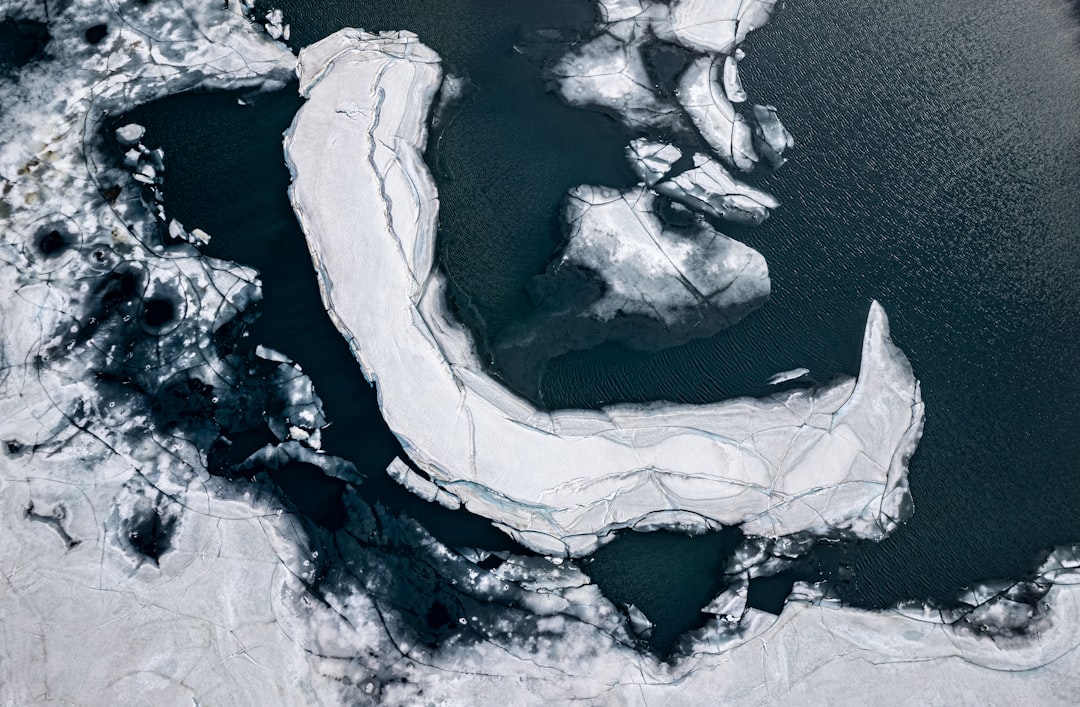
In recent years, the North Atlantic Treaty Organization (NATO) has increasingly turned its attention to the Arctic region, recognizing its strategic significance in a rapidly changing global landscape. The Arctic, once perceived as a remote and inhospitable area, is now at the forefront of geopolitical discussions due to its vast natural resources, emerging shipping routes, and the implications of climate change. As the ice melts and accessibility improves, NATO’s expansion into the Arctic reflects a broader commitment to ensuring security and stability in a region that is becoming increasingly contested.
This article delves into the historical context of NATO’s involvement in the Arctic, the geopolitical importance of the region, and the implications of NATO’s actions for its member states and beyond. The Arctic’s transformation is not merely a consequence of environmental changes; it is also a reflection of shifting power dynamics among global actors. As nations vie for influence over this resource-rich territory, NATO’s role becomes crucial in maintaining a balance of power and addressing potential conflicts.
The organization’s expansion into the Arctic is not just about military presence; it encompasses diplomatic efforts, economic interests, and environmental considerations. Understanding NATO’s Arctic strategy requires an examination of these multifaceted dimensions and their implications for both member states and non-member nations.
Historical Context of NATO’s Involvement in the Arctic
NATO’s historical engagement with the Arctic can be traced back to its founding in 1949, primarily as a collective defense alliance against the Soviet Union during the Cold War. While the Arctic was not a primary focus during this period, the strategic importance of the region was acknowledged, particularly concerning military operations and surveillance. The Cold War era saw heightened military activity in the Arctic, with both NATO and Soviet forces establishing bases and conducting exercises in anticipation of potential conflicts.
However, the Arctic remained on the periphery of NATO’s strategic considerations until recent developments prompted a reevaluation. The resurgence of Russian military capabilities and assertiveness in the region has reignited concerns among NATO member states.
This historical backdrop sets the stage for understanding NATO’s current initiatives in the Arctic, as it seeks to adapt to new challenges while maintaining its foundational principles of collective defense and deterrence.
Geopolitical Importance of the Arctic Region

The geopolitical significance of the Arctic region has grown exponentially in recent years, driven by a combination of factors including climate change, resource availability, and shifting trade routes. The melting ice caps have opened up previously inaccessible areas, revealing vast reserves of oil, natural gas, and minerals that are now within reach. This newfound accessibility has attracted the attention of not only Arctic nations but also global powers seeking to secure energy resources and economic opportunities.
Moreover, the Arctic serves as a critical transit route for international shipping. The Northern Sea Route and the Northwest Passage are becoming increasingly viable options for maritime trade, significantly reducing travel time between Europe and Asia. As these routes gain prominence, control over them becomes a matter of national interest for countries bordering the Arctic.
Consequently, NATO’s involvement in the region is not merely about military presence; it is also about ensuring freedom of navigation and protecting vital trade interests.
NATO’s Role in Ensuring Security and Stability in the Arctic
| Metrics | Data |
|---|---|
| Arctic Council Membership | 8 member countries |
| Arctic Security Challenges | Climate change, resource competition, and territorial disputes |
| NATO’s Arctic Strategy | Focus on deterrence, defense, and dialogue with Arctic partners |
| Joint Exercises | Regular military exercises in the Arctic region |
| Search and Rescue Operations | Cooperation in search and rescue missions in the Arctic |
NATO’s role in ensuring security and stability in the Arctic is multifaceted, encompassing military readiness, diplomatic engagement, and cooperative security initiatives. The organization recognizes that a stable Arctic is essential for global security, given its potential for conflict over resources and territorial claims. To this end, NATO has increased its presence in the region through joint exercises, enhanced situational awareness, and improved interoperability among member states’ armed forces.
Furthermore, NATO’s commitment to dialogue with non-member states is crucial for fostering cooperation in the Arctic. The organization has engaged with countries such as Sweden and Finland, which have significant interests in the region but are not formal NATO members. By promoting collaboration on issues such as search and rescue operations, environmental protection, and scientific research, NATO aims to build trust among Arctic nations while mitigating tensions that could arise from competing claims.
Strategic Implications of NATO’s Arctic Expansion for Member States
The strategic implications of NATO’s Arctic expansion are profound for its member states. As NATO enhances its presence in the region, member countries must navigate a complex landscape of national interests, security concerns, and diplomatic relations with non-member states. For many NATO members, particularly those with direct access to the Arctic Ocean such as Canada and Norway, increased military activity by Russia poses a significant challenge that necessitates a unified response.
Moreover, NATO’s expansion into the Arctic may lead to shifts in defense spending priorities among member states. Countries may need to invest more in capabilities tailored to Arctic operations, including icebreakers, surveillance systems, and specialized training for troops operating in extreme conditions. This reallocation of resources could have broader implications for NATO’s overall defense posture and its ability to respond to threats across different regions.
Impact of Climate Change on NATO’s Arctic Strategy

Climate change is a critical factor influencing NATO’s strategy in the Arctic. The rapid melting of ice not only alters the physical landscape but also reshapes geopolitical dynamics as nations seek to assert their claims over newly accessible territories. As temperatures rise and ice cover diminishes, NATO must adapt its strategies to address both environmental challenges and security concerns.
The organization recognizes that climate change poses risks not only to national security but also to global stability. Increased human activity in the Arctic can lead to environmental degradation, which may exacerbate tensions among nations competing for resources. Consequently, NATO has begun incorporating climate considerations into its strategic planning, emphasizing the need for sustainable practices and environmental stewardship alongside military readiness.
Cooperation and Competition with Russia in the Arctic
The relationship between NATO and Russia in the Arctic is characterized by a delicate balance of cooperation and competition. While both sides recognize the importance of dialogue on issues such as search and rescue operations and environmental protection, underlying tensions persist due to differing national interests. Russia’s assertive military posture in the region has raised concerns among NATO members about potential aggression or territorial claims that could disrupt stability.
NATO’s approach to Russia involves a dual strategy: deterrence through military readiness combined with engagement through diplomatic channels. The organization seeks to maintain open lines of communication with Russia while simultaneously reinforcing its collective defense commitments among member states. This nuanced approach aims to prevent misunderstandings that could escalate into conflict while ensuring that NATO remains prepared to respond to any threats that may arise.
Economic Opportunities and Challenges in the Arctic for NATO
The economic opportunities presented by the Arctic are significant for NATO member states, particularly regarding resource extraction and shipping routes. The region is believed to hold substantial reserves of oil and gas, which could play a crucial role in meeting global energy demands as traditional sources become depleted. Additionally, emerging shipping routes offer new avenues for trade that could enhance economic growth for countries involved.
However, these opportunities come with challenges that require careful navigation. Environmental concerns related to resource extraction pose risks not only to local ecosystems but also to global climate stability. Moreover, competition among nations for access to these resources can lead to geopolitical tensions that threaten regional security.
For NATO, balancing economic interests with environmental stewardship will be essential in shaping its approach to Arctic expansion.
Environmental Considerations in NATO’s Arctic Expansion
As NATO expands its presence in the Arctic, environmental considerations must be at the forefront of its strategy. The region is home to fragile ecosystems that are already under threat from climate change and human activity. Therefore, any military or economic initiatives undertaken by NATO must prioritize sustainability and minimize ecological impact.
NATO has begun integrating environmental assessments into its planning processes for operations in the Arctic. This includes evaluating potential impacts on wildlife habitats, marine environments, and indigenous communities that rely on these ecosystems for their livelihoods. By adopting a proactive approach to environmental stewardship, NATO can demonstrate its commitment to responsible governance while fostering cooperation with other nations invested in protecting the Arctic environment.
Military Buildup and Infrastructure Development in the Arctic
The military buildup and infrastructure development in the Arctic are critical components of NATO’s strategy as it seeks to enhance its operational capabilities in this challenging environment. Member states have recognized the need for improved infrastructure to support military operations, including airfields, ports, and logistics hubs capable of functioning under extreme weather conditions. This buildup is not solely about deterrence; it also reflects a commitment to ensuring readiness for humanitarian missions and disaster response operations in an increasingly accessible region.
As more nations engage economically in the Arctic, having robust infrastructure will be essential for maintaining security and facilitating cooperation among stakeholders.
Future Prospects for NATO’s Arctic Expansion
The future prospects for NATO’s expansion into the Arctic are shaped by a complex interplay of geopolitical dynamics, environmental challenges, and economic opportunities. As climate change continues to alter the landscape of the region, NATO must remain agile in adapting its strategies to address emerging threats while fostering cooperation among member states and non-member nations alike. Ultimately, NATO’s success in navigating these challenges will depend on its ability to balance military readiness with diplomatic engagement and environmental stewardship.
By prioritizing collaboration over confrontation and recognizing the interconnectedness of security and sustainability, NATO can play a pivotal role in shaping a stable future for the Arctic—a future that benefits not only its member states but also the global community at large.
As global warming continues to melt Arctic ice, the region is becoming increasingly accessible, leading to heightened geopolitical interest and strategic military considerations. NATO’s expansion in the Arctic is a topic of significant importance, as member countries seek to secure their interests in this resource-rich and strategically vital area.
This article delves into the geopolitical dynamics and the potential challenges and opportunities that arise from increased military presence in the Arctic. For more detailed analysis, you can read the full article by visiting MyGeoQuest.
WATCH THIS! The Arctic Ice Is Melting, And It Will Start World War 3
FAQs
What is NATO?
NATO, or the North Atlantic Treaty Organization, is an intergovernmental military alliance between 30 North American and European countries. It was established in 1949 and is aimed at ensuring the security and defense of its member states.
What is the Arctic region?
The Arctic region is a polar region located at the northernmost part of the Earth. It includes the Arctic Ocean and parts of Canada, Russia, Greenland, the United States, Norway, Sweden, Finland, and Iceland.
What is NATO’s current involvement in the Arctic region?
NATO has been increasing its focus on the Arctic region due to the changing geopolitical and environmental dynamics. It has been conducting military exercises, enhancing its presence, and strengthening its partnerships with Arctic countries.
Why is NATO expanding its presence in the Arctic?
NATO is expanding its presence in the Arctic region due to the increasing strategic importance of the area. Melting ice caps have opened up new shipping routes and access to natural resources, leading to heightened competition and potential security challenges.
How are Arctic countries responding to NATO’s increased presence?
Arctic countries have varied responses to NATO’s increased presence. Some view it as a necessary measure to ensure security and stability, while others are concerned about the potential militarization of the region and its impact on their sovereignty.
What are the potential implications of NATO’s expansion in the Arctic?
The potential implications of NATO’s expansion in the Arctic include increased military tensions, competition for resources, environmental concerns, and the need for cooperation and dialogue among Arctic stakeholders to ensure stability and security in the region.