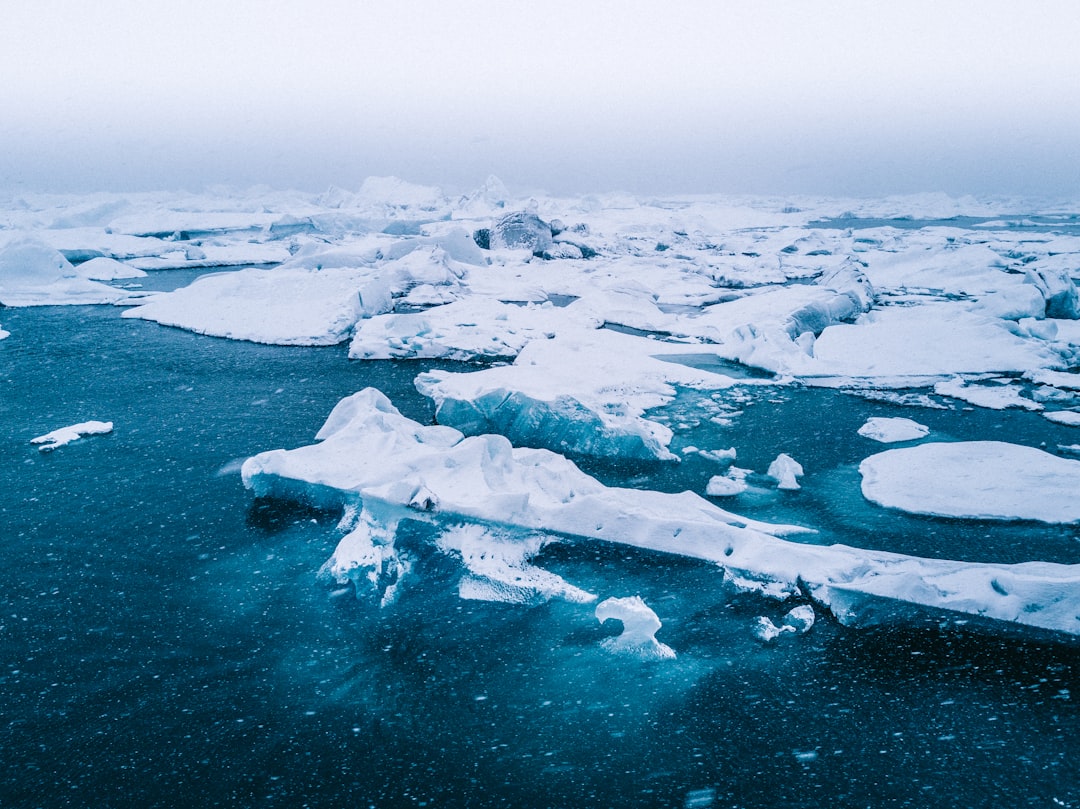
The Northern Lights, or Aurora Borealis, captivate the imagination of many with their ethereal beauty and vibrant colors. This natural light display occurs in the polar regions, primarily visible in countries like Norway, Sweden, Finland, Canada, and Alaska. The phenomenon is caused by the interaction between charged particles from the sun and the Earth’s magnetic field.
When these solar particles collide with gases in the Earth’s atmosphere, they create a stunning array of colors, predominantly greens, pinks, and purples. The science behind this mesmerizing spectacle is as fascinating as the lights themselves, drawing both scientists and tourists to the Arctic regions in search of this celestial wonder. Beyond their scientific explanation, the Northern Lights have inspired countless myths and legends throughout history.
Indigenous cultures have often viewed these lights as spiritual manifestations or omens. For instance, some Inuit tribes believed that the lights were the spirits of their ancestors dancing in the sky. In contrast, Norse mythology depicted them as the reflections of the Valkyries’ armor as they guided fallen warriors to Valhalla.
These stories add a layer of mystique to the already enchanting display, making it not just a natural phenomenon but also a cultural touchstone that connects people across generations and geographies.
The Hidden World of Arctic Wildlife: A Closer Look at the Unique Species
The Arctic is home to a diverse array of wildlife that has adapted to survive in one of the planet’s harshest environments. From the majestic polar bear, which roams the icy landscapes in search of seals, to the elusive Arctic fox, known for its remarkable ability to change its fur color with the seasons, the region boasts a unique ecosystem that thrives despite extreme conditions. These animals have developed specialized adaptations; for instance, polar bears possess thick layers of fat and fur to insulate them against frigid temperatures, while Arctic hares have powerful hind legs that allow them to navigate through deep snow.
In addition to mammals, the Arctic is teeming with avian life. Migratory birds such as the Arctic tern travel thousands of miles between breeding grounds in the Arctic and wintering sites in warmer climates. This remarkable journey showcases not only their resilience but also their critical role in maintaining ecological balance.
The region’s marine life is equally fascinating; species like narwhals and beluga whales navigate icy waters, while various fish species thrive in the nutrient-rich currents. The interconnectedness of these species highlights the delicate balance of life in the Arctic and underscores the importance of conservation efforts to protect these unique ecosystems.
Unearthing the Ancient History of the Arctic: Discoveries and Findings
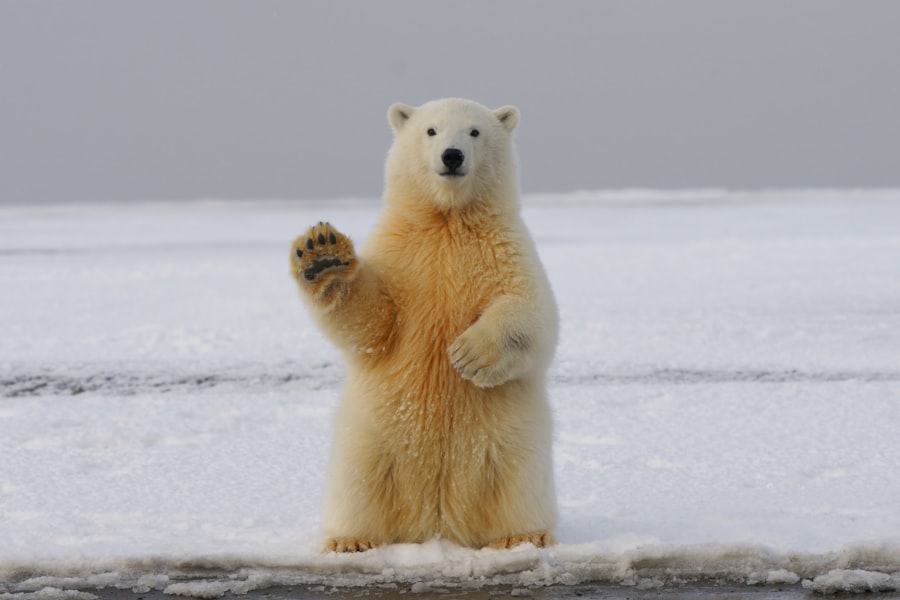
The Arctic is not only a realm of breathtaking landscapes and unique wildlife but also a treasure trove of ancient history waiting to be uncovered. Archaeological discoveries in this remote region have revealed evidence of human habitation dating back thousands of years. Artifacts such as tools, pottery, and remnants of ancient dwellings provide insight into the lives of early Arctic inhabitants who adapted to the extreme conditions.
These findings illustrate how indigenous peoples developed sophisticated survival strategies, relying on hunting, fishing, and gathering to sustain their communities. Recent advancements in technology have further enhanced our understanding of Arctic history. Techniques such as ice core drilling allow scientists to analyze layers of ice that have accumulated over millennia, revealing climate patterns and atmospheric conditions from ages past.
These studies not only shed light on historical climate changes but also offer valuable data for predicting future trends. As researchers continue to explore this frozen frontier, they uncover stories that connect humanity to its distant past, emphasizing the resilience and ingenuity of those who have called the Arctic home.
The Intriguing Culture of the Inuit People: Traditions and Beliefs
| Aspect | Description |
|---|---|
| Traditional Clothing | The Inuit people wear clothing made from animal skins and furs to keep warm in the harsh Arctic climate. |
| Traditional Diet | The Inuit diet consists of fish, seal, whale, and caribou, providing essential nutrients for survival in the Arctic. |
| Language | The Inuit people have their own language, Inuktitut, which is an important part of their cultural identity. |
| Shamanism | Shamanism is an important part of Inuit spirituality, involving communication with the spirit world for healing and guidance. |
| Art and Storytelling | The Inuit people have a rich tradition of art and storytelling, often depicting their connection to the natural world. |
The Inuit people, indigenous to the Arctic regions of Canada, Greenland, and Alaska, possess a rich cultural heritage that reflects their deep connection to the land and its resources. Their traditions are intricately woven into their daily lives, encompassing everything from hunting practices to storytelling. The Inuit have developed a profound understanding of their environment, which is evident in their sustainable hunting methods and respect for wildlife.
This relationship with nature is not merely practical; it is also spiritual, as many Inuit beliefs emphasize harmony with the natural world. Art plays a significant role in Inuit culture, serving as both a means of expression and a way to preserve history. Traditional crafts such as carving and sewing are not only artistic endeavors but also vital for survival.
The intricate designs found in Inuit art often depict animals and scenes from daily life, conveying stories that have been passed down through generations. Festivals and gatherings further strengthen community bonds, allowing for the sharing of knowledge and traditions. As modern influences encroach upon their way of life, many Inuit communities strive to maintain their cultural identity while adapting to contemporary challenges.
Arctic Mysteries: Unexplained Phenomena and Legends
The Arctic is steeped in mystery, with numerous unexplained phenomena capturing the curiosity of explorers and scientists alike. One such enigma is the phenomenon known as “ice quakes,” which occur when large ice masses shift or break apart. These seismic events can produce sounds reminiscent of thunder or explosions, leaving observers puzzled about their origins.
Similarly, unexplained lights have been reported in various parts of the Arctic, leading to speculation about their causes—ranging from natural atmospheric phenomena to more fantastical explanations involving extraterrestrial activity. Legends abound in Arctic folklore, often reflecting the harsh realities faced by those who inhabit this frigid landscape. Stories of mythical creatures such as the “Qalupalik,” a sea monster said to lure children into icy waters, serve as cautionary tales passed down through generations.
These legends not only entertain but also impart valuable lessons about survival and respect for nature. As researchers continue to investigate these mysteries, they uncover layers of cultural significance that enrich our understanding of this remote region.
The Secrets of Arctic Ice: Understanding its Role in Climate Change
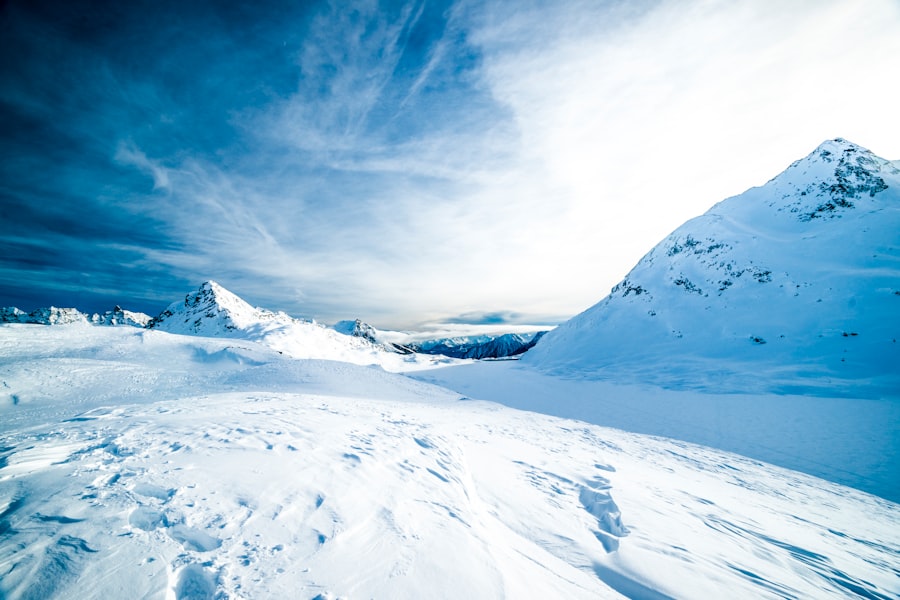
Arctic ice plays a crucial role in regulating global climate patterns, acting as a reflective surface that helps maintain Earth’s temperature balance. However, climate change poses a significant threat to this delicate equilibrium. As global temperatures rise, Arctic ice is melting at an alarming rate, leading to rising sea levels and altered weather patterns worldwide.
Scientists are closely monitoring these changes to understand their implications for both local ecosystems and global climate systems.
Species such as polar bears and seals rely on stable ice platforms for hunting and breeding; as these habitats diminish, their populations face increasing challenges.
Furthermore, melting ice exposes previously trapped greenhouse gases, potentially exacerbating climate change effects. Understanding these dynamics is essential for developing effective conservation strategies and mitigating further environmental degradation.
The Elusive Arctic Tundra: Uncovering its Ecological Importance
The Arctic tundra is a unique biome characterized by its cold temperatures, short growing seasons, and permafrost soil. Despite its seemingly inhospitable conditions, this ecosystem supports a surprising diversity of plant and animal life adapted to thrive in such an environment. Low-growing vegetation such as mosses, lichens, and hardy shrubs dominate the landscape, providing essential food sources for herbivores like caribou and musk oxen.
The ecological importance of the tundra extends beyond its immediate inhabitants; it plays a vital role in global carbon cycling. The permafrost layer stores vast amounts of carbon dioxide and methane that have been trapped for millennia. As climate change leads to thawing permafrost, there is a risk that these greenhouse gases will be released into the atmosphere, further accelerating global warming.
Protecting this fragile ecosystem is crucial not only for preserving its unique biodiversity but also for maintaining global climate stability.
The Untold Stories of Arctic Expeditions: Tales of Exploration and Survival
The history of Arctic exploration is filled with tales of bravery, endurance, and sometimes tragedy. Early explorers ventured into this uncharted territory driven by curiosity and ambition but often faced insurmountable challenges posed by extreme weather conditions and treacherous landscapes. Stories like that of Sir John Franklin’s ill-fated expedition in 1845 serve as poignant reminders of the risks involved in seeking knowledge about this remote region.
Survival stories from these expeditions highlight human resilience in the face of adversity. Accounts of explorers who relied on ingenuity and teamwork to overcome obstacles reveal not only their determination but also their deep respect for the land they traversed. These narratives continue to inspire modern adventurers while providing valuable lessons about preparation and adaptability in one of Earth’s most unforgiving environments.
Arctic Oceans and Seas: Revealing the Mysteries of the Frozen Waters
The Arctic Ocean is a vast expanse that holds many secrets beneath its icy surface.
From schools of fish to majestic whales, these creatures play essential roles in maintaining ecological balance within this unique marine ecosystem.
Research into Arctic waters has revealed fascinating insights into ocean currents and their impact on global climate systems. The interplay between freshwater from melting ice and saltwater influences circulation patterns that affect weather across continents. Understanding these dynamics is crucial for predicting future climate scenarios and developing strategies for conservation efforts aimed at protecting marine biodiversity.
The Enigmatic Arctic Circle: Exploring the Land of the Midnight Sun
The Arctic Circle is defined by its unique geographical features that create phenomena such as polar day and polar night—periods when the sun does not set or rise for extended durations. This extraordinary aspect draws visitors from around the world who seek to experience the surreal beauty of endless daylight during summer months or witness the enchanting glow of twilight during winter nights. Culturally significant events often coincide with these natural phenomena; festivals celebrating light during dark winters or gatherings under midnight sun reflect humanity’s enduring connection to nature’s rhythms.
As people explore this enchanting region, they gain insights into how geography shapes not only landscapes but also cultural practices that thrive within them.
The Future of the Arctic: Challenges and Opportunities for Preservation and Exploration
As climate change continues to reshape the Arctic landscape at an unprecedented pace, it presents both challenges and opportunities for preservation efforts and exploration initiatives alike. Increased accessibility due to melting ice opens new avenues for research while simultaneously raising concerns about potential exploitation of natural resources within fragile ecosystems. Balancing economic interests with environmental stewardship will be crucial moving forward; sustainable practices must guide any development undertaken in this sensitive region if future generations are to inherit its wonders intact.
Collaborative efforts among governments, indigenous communities, scientists, and conservationists will play an essential role in ensuring that exploration does not come at the expense of preserving one of Earth’s last frontiers. In conclusion, exploring various facets—from natural phenomena like Northern Lights to cultural legacies left by indigenous peoples—reveals how interconnected humanity is with this remote yet vital part of our planet’s ecosystem. As we navigate challenges posed by climate change while seeking opportunities for sustainable development within these regions; understanding their complexities becomes imperative for fostering respect towards preserving our shared heritage amidst ongoing transformations ahead.
In exploring the hidden secrets of the Arctic, one might find it intriguing to delve into related topics that shed light on the mysteries of this icy frontier. A fascinating article that complements this subject can be found on MyGeoQuest, which offers insights into the unique geographical and environmental aspects of the Arctic region. For those interested in expanding their understanding of this enigmatic part of the world, I recommend checking out this related article on MyGeoQuest. This resource provides a deeper look into the Arctic’s hidden wonders and the scientific endeavors aimed at uncovering them.
WATCH THIS! The Arctic Ice Is Melting, And It Will Start World War 3
FAQs
What are some hidden secrets of the Arctic?
Some hidden secrets of the Arctic include ancient fossils, undiscovered species, and unique geological formations that provide insights into the Earth’s history.
What are some of the unique geological formations found in the Arctic?
The Arctic is home to unique geological formations such as permafrost, ice wedges, and pingos. These formations provide valuable information about the Earth’s past climate and environmental changes.
Are there any undiscovered species in the Arctic?
Yes, the Arctic is home to many undiscovered species, particularly in the ocean depths and remote regions. Scientists continue to discover new species of marine life, insects, and plants in the Arctic.
What ancient fossils have been found in the Arctic?
The Arctic has yielded ancient fossils of prehistoric animals such as mammoths, woolly rhinoceroses, and ancient marine reptiles. These fossils provide important insights into the region’s past biodiversity and climate.
How does the Arctic contribute to our understanding of Earth’s history?
The Arctic’s unique geological formations, ancient fossils, and undiscovered species contribute to our understanding of Earth’s history by providing evidence of past climate changes, evolutionary processes, and geological events.