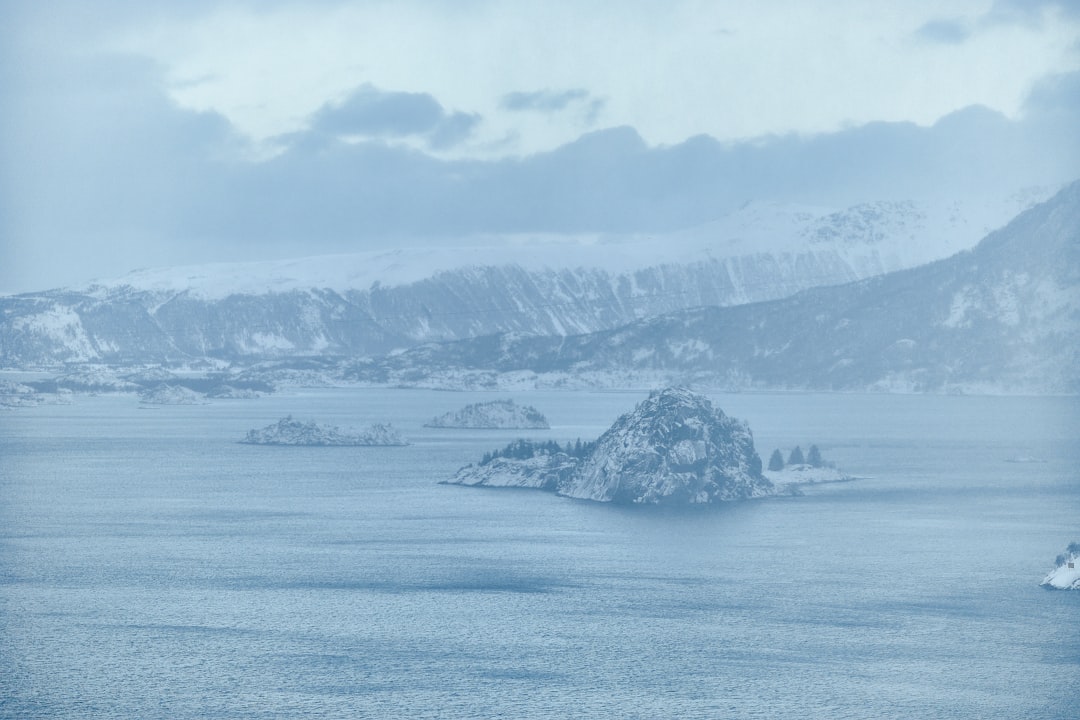
China’s growing interest in the Arctic region has become a focal point of international discourse, reflecting the nation’s broader aspirations on the global stage. As climate change continues to alter the landscape of the Arctic, melting ice caps are opening new maritime routes and revealing untapped natural resources. This transformation has not gone unnoticed by China, which views the Arctic as a critical area for economic expansion, strategic positioning, and international influence.
The nation’s ambitions in this frigid expanse are not merely opportunistic; they are part of a calculated strategy to enhance its global standing and secure vital resources for its burgeoning economy. The Arctic is increasingly seen as a frontier for geopolitical competition, with various nations vying for influence and access. China’s approach is multifaceted, encompassing economic, environmental, and geopolitical dimensions.
As it seeks to establish itself as a “near-Arctic state,” China is actively engaging with Arctic nations and institutions, aiming to shape the future of this vital region. The implications of China’s Arctic ambitions extend beyond its borders, potentially reshaping international relations and environmental policies in ways that could have lasting effects on global governance.
Historical Context of China’s Interest in the Arctic
China’s interest in the Arctic is not a recent phenomenon; it has historical roots that date back several decades. The nation first expressed its interest in the region during the 1980s, primarily through scientific research initiatives. As China began to recognize the strategic importance of the Arctic, it gradually expanded its focus from mere scientific inquiry to a broader engagement that included economic and geopolitical considerations.
The establishment of the Arctic Research Center in 2009 marked a significant step in China’s commitment to understanding and participating in Arctic affairs. The turning point for China’s Arctic ambitions came with the advent of climate change, which has accelerated the melting of polar ice and opened new opportunities for navigation and resource extraction. The 2013 release of China’s first Arctic white paper outlined its vision for cooperation in the region, emphasizing peaceful development and sustainable use of resources.
This document signaled a shift from passive observation to active participation, as China sought to position itself as a key player in Arctic governance and development.
Economic Opportunities in the Arctic Region

The economic potential of the Arctic region is vast, encompassing rich natural resources such as oil, gas, minerals, and fisheries. As traditional energy sources become scarcer and more expensive to extract, China views the Arctic as a treasure trove that could significantly bolster its energy security and economic growth. The region is estimated to hold approximately 13% of the world’s undiscovered oil reserves and 30% of its natural gas reserves, making it an attractive target for investment and exploration.
In addition to fossil fuels, the Arctic’s fisheries are another area of interest for China. As global fish stocks decline due to overfishing and climate change, the pristine waters of the Arctic offer a relatively untapped resource. Chinese fishing fleets have already begun to venture into these waters, raising concerns among other nations about sustainable practices and environmental impacts.
The potential for economic gain in these sectors is driving China’s aggressive pursuit of opportunities in the Arctic, positioning it as a formidable player in the region’s future.
China’s Investment in Arctic Infrastructure and Resources
| Year | Investment in Arctic Infrastructure (in million USD) | Investment in Arctic Resources (in million USD) |
|---|---|---|
| 2010 | 100 | 50 |
| 2015 | 200 | 100 |
| 2020 | 300 | 150 |
To realize its ambitions in the Arctic, China has made significant investments in infrastructure and resource development. The nation has engaged in various projects aimed at enhancing its presence and capabilities in the region. For instance, Chinese companies have invested in oil exploration ventures in Greenland and have shown interest in developing shipping routes through the Northern Sea Route, which could drastically reduce transit times between Asia and Europe.
Moreover, China’s Belt and Road Initiative (BRI) has extended its reach into the Arctic, with plans to develop ports and logistics hubs that facilitate trade and resource extraction. These investments not only bolster China’s economic interests but also serve to strengthen its geopolitical influence in the region. By establishing a robust infrastructure network, China aims to secure its position as a key player in Arctic trade and resource management, further entrenching its role in this strategically important area.
Environmental Concerns and China’s Arctic Policies
While China’s ambitions in the Arctic are driven by economic interests, they also raise significant environmental concerns. The delicate ecosystems of the Arctic are particularly vulnerable to human activity, and increased resource extraction poses risks to biodiversity and climate stability. Critics argue that China’s aggressive pursuit of resources could exacerbate environmental degradation, leading to irreversible damage to this fragile region.
In response to these concerns, China has articulated policies aimed at promoting sustainable development in the Arctic. The nation has emphasized its commitment to environmental protection through various international agreements and initiatives. However, skepticism remains regarding the sincerity of these commitments, as many observers question whether economic imperatives will ultimately take precedence over environmental considerations.
Balancing economic growth with ecological preservation will be a critical challenge for China as it navigates its role in the Arctic.
Geopolitical Implications of China’s Arctic Ambitions
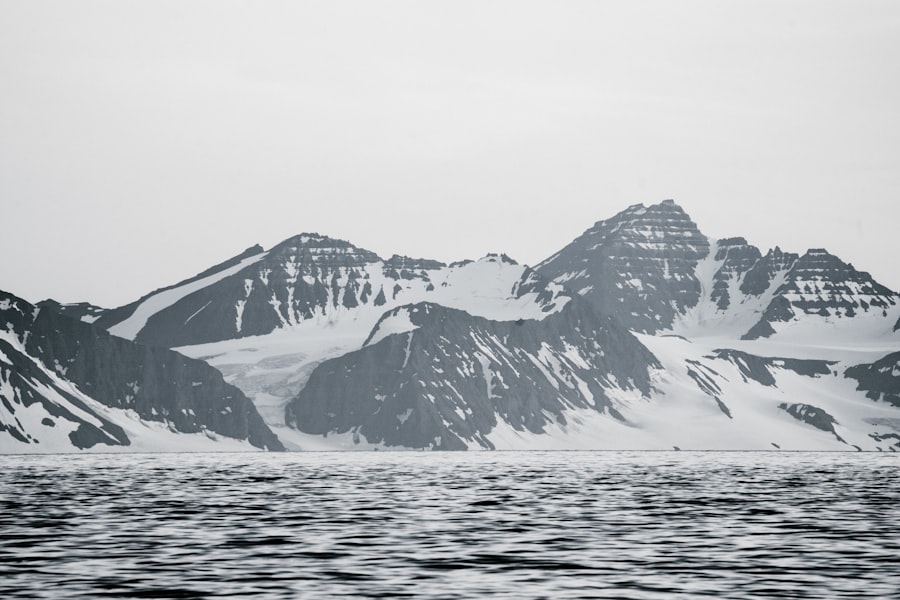
China’s increasing presence in the Arctic has significant geopolitical implications that extend beyond regional boundaries. As it seeks to assert itself as a “near-Arctic state,” China is challenging traditional power dynamics in a region historically dominated by Arctic nations such as Canada, Russia, Norway, and the United States. This shift has raised concerns among these countries about potential encroachments on their sovereignty and territorial claims.
The geopolitical landscape is further complicated by China’s partnerships with other non-Arctic states that share similar interests in the region. For instance, China’s collaboration with Russia on energy projects underscores a strategic alliance that could reshape power relations in the Arctic. As China continues to expand its influence through economic investments and diplomatic engagements, it may provoke responses from other nations seeking to safeguard their interests, potentially leading to increased tensions and competition.
China’s Role in Arctic Governance and International Cooperation
China’s ambitions in the Arctic have prompted it to seek a more active role in regional governance and international cooperation frameworks. The nation has engaged with various organizations such as the Arctic Council, where it holds observer status. Through this platform, China aims to contribute to discussions on sustainable development, environmental protection, and scientific research in the region.
However, China’s participation in Arctic governance is not without controversy. Some Arctic nations express concerns about China’s intentions and its adherence to international norms. The challenge lies in balancing national interests with collective governance efforts that prioritize environmental sustainability and indigenous rights.
As China navigates its role within these frameworks, it must demonstrate a commitment to collaboration while addressing apprehensions from other stakeholders regarding its long-term objectives.
Military and Security Considerations in the Arctic
As China’s presence in the Arctic grows, so do concerns about military and security implications. The region’s strategic importance is underscored by its potential as a new theater for military operations and competition among global powers. China has been expanding its naval capabilities and conducting exercises in northern waters, raising alarms among neighboring countries about possible militarization of the Arctic.
The interplay between military interests and resource competition adds another layer of complexity to China’s Arctic ambitions. While Beijing emphasizes peaceful development and cooperation, its military activities may be perceived as aggressive by other nations seeking to protect their territorial claims. This dynamic could lead to heightened tensions and an arms race in a region that has historically been characterized by cooperation among Arctic states.
Indigenous Peoples and China’s Engagement in the Arctic
The engagement of indigenous peoples is a crucial aspect of China’s activities in the Arctic that cannot be overlooked. Indigenous communities have lived sustainably in these regions for millennia, relying on traditional knowledge systems that are deeply intertwined with their cultural identities. As China pursues economic opportunities in the Arctic, there are growing concerns about how these developments may impact indigenous rights and livelihoods.
China has made efforts to engage with indigenous communities through various initiatives aimed at promoting cultural exchange and sustainable development. However, critics argue that these efforts often fall short of meaningful consultation or respect for indigenous sovereignty.
The Belt and Road Initiative and the Arctic
The Belt and Road Initiative (BRI) serves as a cornerstone of China’s strategy for expanding its influence globally, including in the Arctic region. By integrating Arctic projects into this ambitious framework, China aims to enhance connectivity between Asia and Europe while securing access to vital resources. The BRI’s focus on infrastructure development aligns with China’s goals of establishing trade routes that facilitate economic growth.
However, integrating the Arctic into the BRI raises questions about sustainability and environmental impact. Critics argue that large-scale infrastructure projects could disrupt fragile ecosystems and undermine local communities’ livelihoods. As China moves forward with its BRI initiatives in the Arctic, it must navigate these challenges carefully while ensuring that development aligns with principles of sustainability and respect for local cultures.
Implications for the Future of the Arctic Region
China’s ambitions in the Arctic represent a complex interplay of economic interests, geopolitical dynamics, environmental concerns, and social responsibilities. As it seeks to establish itself as a key player in this rapidly changing region, China faces numerous challenges that will shape its future role in Arctic affairs. The implications of these ambitions extend beyond national borders, influencing global governance structures and international relations.
The future of the Arctic will depend on how effectively China can balance its aspirations with sustainable practices that respect indigenous rights and environmental integrity. As climate change continues to reshape this fragile landscape, cooperation among all stakeholders will be essential for ensuring that development occurs responsibly and equitably. Ultimately, how China navigates its ambitions will play a pivotal role in determining not only its own future but also that of the entire Arctic region.
China’s Arctic ambitions have been a topic of significant interest and analysis, particularly as the nation seeks to expand its influence in the region. A related article that delves into the geopolitical dynamics and strategic interests of various countries in the Arctic can be found on MyGeoQuest. This article provides a comprehensive overview of the motivations behind China’s Arctic policy, including economic, environmental, and security considerations. For a deeper understanding of these complex issues, you can read more about it on MyGeoQuest.
WATCH THIS! The Arctic Ice Is Melting, And It Will Start World War 3
FAQs
What are China’s Arctic ambitions?
China’s Arctic ambitions refer to its growing interest and involvement in the Arctic region, including economic, scientific, and strategic activities.
What are some of China’s activities in the Arctic region?
China has been involved in various activities in the Arctic, including scientific research, investment in natural resource development, shipping routes, and infrastructure projects.
Why is China interested in the Arctic region?
China is interested in the Arctic region for its potential natural resources, shipping routes, and strategic positioning. It also sees the Arctic as a key area for scientific research and environmental protection.
How does China’s involvement in the Arctic impact other countries?
China’s involvement in the Arctic has raised concerns among other countries, particularly those with Arctic interests, about its intentions and potential impact on the region’s environment, security, and governance.
What is China’s stance on Arctic governance and environmental protection?
China has expressed support for international cooperation, sustainable development, and environmental protection in the Arctic region. It has also called for a role in Arctic governance despite not being an Arctic state.