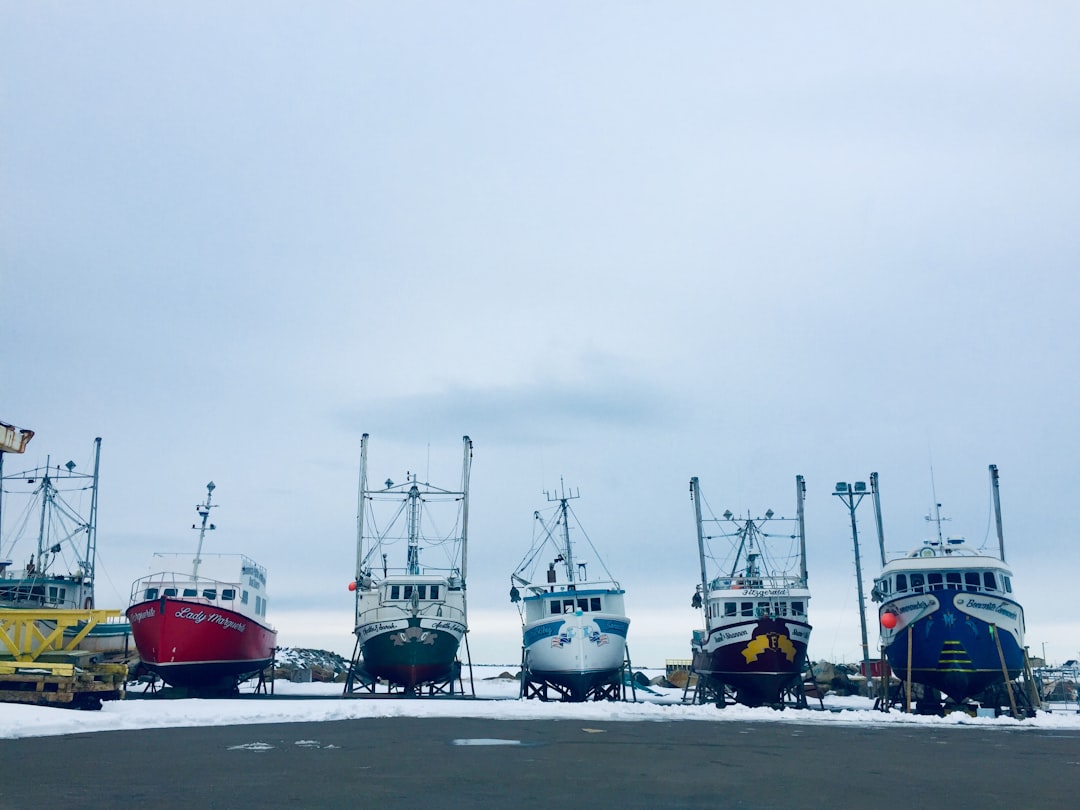
The history of Russia’s icebreaker fleet is a tale woven into the very fabric of the nation’s maritime endeavors. The inception of this fleet can be traced back to the mid-19th century when the first icebreakers were constructed to facilitate navigation through the treacherous icy waters of the Arctic and Baltic seas. The introduction of steam-powered vessels marked a significant turning point, allowing for more robust and reliable operations in harsh winter conditions.
The Russian Empire recognized the strategic importance of these vessels, leading to the establishment of a dedicated icebreaker service that would evolve over the decades. As the 20th century dawned, Russia’s icebreaker fleet expanded significantly, particularly during the Soviet era. The government invested heavily in maritime infrastructure, resulting in the construction of some of the world’s most powerful icebreakers.
These vessels were not only crucial for commercial shipping but also played a vital role in military operations and scientific research. The Cold War further accelerated advancements in icebreaker technology, as both military and civilian applications became intertwined. By the end of the 20th century, Russia had established itself as a leader in icebreaker technology, with a fleet capable of navigating the most challenging Arctic conditions.
The Role of Icebreakers in Russia’s Economy
Icebreakers play a pivotal role in bolstering Russia’s economy, particularly in facilitating trade and transportation through its northern waterways. The Northern Sea Route, which runs along the Russian Arctic coast, has become increasingly vital for shipping goods between Europe and Asia.
This has significant implications for Russia’s economy, as it opens up new markets and reduces shipping times, ultimately enhancing trade competitiveness. Moreover, the icebreaker fleet supports various industries, including fishing, tourism, and scientific research. By ensuring safe passage through icy waters, these vessels enable fishing fleets to access rich fishing grounds that would otherwise be unreachable during winter months.
Additionally, the tourism sector benefits from icebreakers that facilitate travel to remote Arctic destinations, attracting adventure seekers and researchers alike. The economic impact of icebreakers extends beyond direct shipping; they also create jobs and stimulate local economies in port cities along the Arctic coast.
The Technological Advancements of Russia’s Icebreaker Fleet
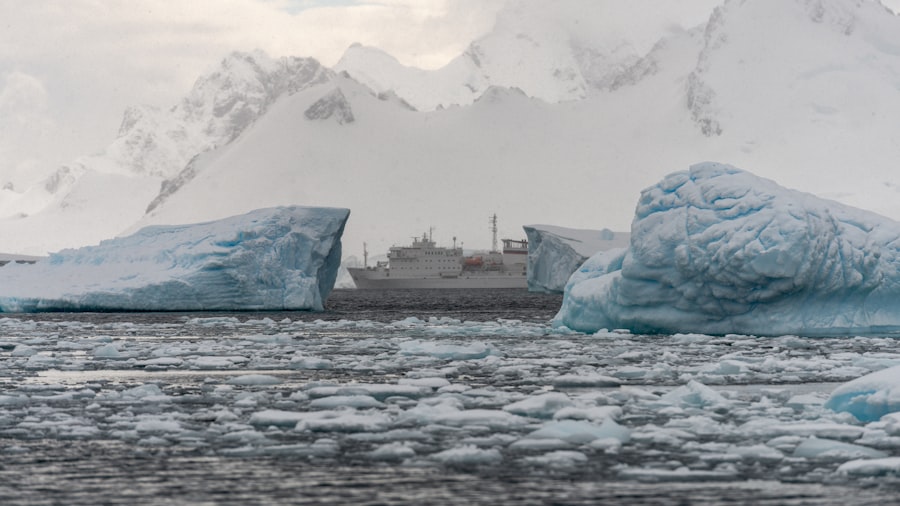
Technological advancements have been at the forefront of Russia’s icebreaker fleet evolution, enabling these vessels to operate more efficiently and effectively in extreme conditions. Modern icebreakers are equipped with cutting-edge technology that enhances their operational capabilities. For instance, advancements in hull design and propulsion systems have allowed for greater maneuverability and speed through thick ice.
These innovations have made it possible for icebreakers to navigate areas that were previously deemed inaccessible. Furthermore, the integration of advanced navigation systems and satellite technology has revolutionized how icebreakers operate in the Arctic. Real-time data on ice conditions and weather patterns allows crews to make informed decisions, ensuring safe passage through treacherous waters.
Additionally, the development of nuclear-powered icebreakers has significantly increased operational range and endurance, enabling them to remain at sea for extended periods without refueling. This technological prowess not only enhances Russia’s capabilities in Arctic navigation but also solidifies its position as a leader in icebreaker design and construction.
The Importance of Icebreakers in Arctic Exploration
| Importance of Icebreakers in Arctic Exploration |
|---|
| 1. Ability to navigate through thick ice |
| 2. Facilitates access to remote areas |
| 3. Support for scientific research |
| 4. Ensures safe passage for cargo ships |
| 5. Enables search and rescue operations |
Icebreakers have long been instrumental in facilitating Arctic exploration, serving as vital platforms for scientific research and environmental monitoring. As climate change continues to alter the Arctic landscape, these vessels provide essential support for researchers studying its effects on ecosystems and wildlife. Icebreakers enable scientists to access remote areas that are otherwise difficult to reach, allowing for comprehensive data collection and analysis.
Moreover, icebreakers play a crucial role in supporting international collaborative efforts in Arctic research. By providing logistical support for various scientific missions, they foster cooperation among nations seeking to understand the complexities of this fragile environment. The ability to navigate through shifting ice fields not only aids in research but also enhances safety for those conducting studies in these challenging conditions.
As interest in Arctic exploration grows, the importance of icebreakers as facilitators of knowledge and discovery cannot be overstated.
Russia’s Icebreaker Fleet in Geopolitical Context
In the realm of geopolitics, Russia’s icebreaker fleet holds significant strategic value. As melting ice opens up new shipping routes and access to untapped natural resources, control over these waterways becomes increasingly contested among Arctic nations. Russia’s robust fleet positions it advantageously in asserting its claims over vast areas of the Arctic region.
The ability to project power and maintain a presence in these waters is crucial for safeguarding national interests. Additionally, Russia’s icebreaker fleet serves as a tool for enhancing its influence on the global stage. By demonstrating its capabilities in Arctic navigation and resource extraction, Russia sends a clear message about its commitment to maintaining sovereignty over its northern territories.
This geopolitical maneuvering is further complicated by international competition for resources and shipping routes, making the role of icebreakers even more critical in shaping regional dynamics.
The Environmental Impact of Icebreakers in the Arctic
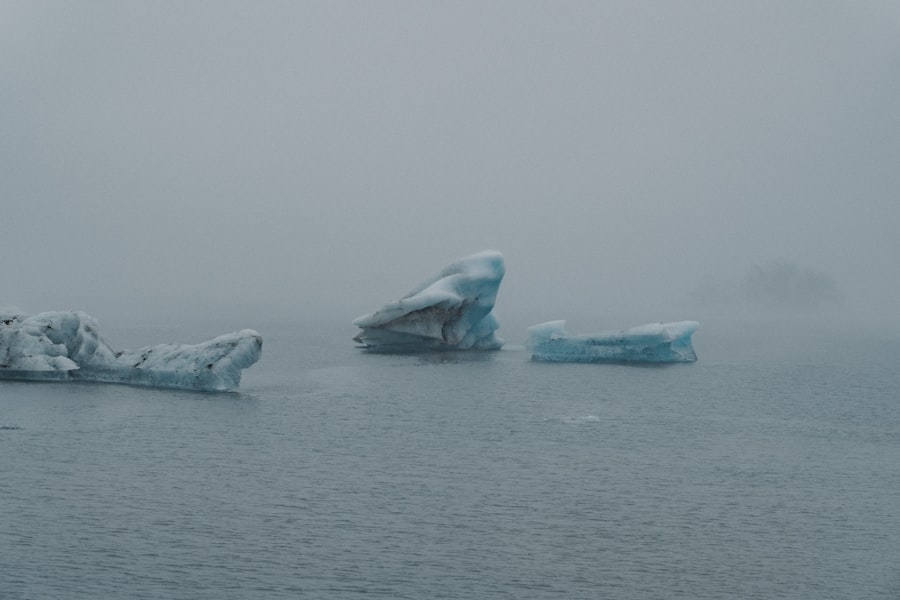
While icebreakers are essential for navigation and exploration in the Arctic, their environmental impact cannot be overlooked. The operation of these vessels contributes to disturbances in fragile ecosystems, particularly as they navigate through sensitive habitats. The noise generated by icebreakers can disrupt marine life, including whales and other species that rely on sound for communication and navigation.
Additionally, the physical presence of these vessels can lead to changes in local ecosystems, affecting flora and fauna. Efforts are being made to mitigate these environmental impacts through improved design and operational practices. Modern icebreakers are being developed with a focus on reducing emissions and minimizing their ecological footprint.
Furthermore, regulations are being implemented to ensure that operations are conducted responsibly, balancing economic interests with environmental stewardship. As awareness of climate change grows, it is imperative that Russia’s icebreaker fleet evolves to address these challenges while continuing to fulfill its vital roles.
The Future of Russia’s Icebreaker Fleet
The future of Russia’s icebreaker fleet appears promising yet challenging as it navigates an evolving geopolitical landscape and environmental concerns. With increasing interest in Arctic shipping routes and resource extraction, there is a pressing need for modernization and expansion of the fleet. Plans are already underway to construct new vessels that incorporate advanced technologies aimed at enhancing efficiency and reducing environmental impact.
Moreover, as climate change continues to reshape the Arctic environment, the role of icebreakers will likely expand beyond traditional navigation and exploration. They may become integral to climate monitoring efforts and environmental protection initiatives as nations seek to understand and mitigate the effects of global warming on this sensitive region. The future trajectory of Russia’s icebreaker fleet will depend on balancing economic ambitions with ecological responsibilities while maintaining its status as a leader in Arctic maritime operations.
The Challenges Faced by Russia’s Icebreaker Fleet
Despite its strengths, Russia’s icebreaker fleet faces several challenges that could hinder its effectiveness in the coming years. One significant issue is funding; maintaining and expanding such a specialized fleet requires substantial financial investment. Budget constraints can limit the ability to modernize existing vessels or construct new ones equipped with state-of-the-art technology.
Additionally, geopolitical tensions pose another challenge for Russia’s icebreaker operations.
This could complicate operations and necessitate a more defensive posture for Russia’s fleet, diverting resources away from commercial activities and scientific research.
Navigating these challenges will require strategic planning and international cooperation to ensure that Russia’s icebreaker fleet remains effective and relevant.
The Strategic Importance of Icebreakers in the Northern Sea Route
The Northern Sea Route has emerged as a focal point for global trade due to its potential to significantly shorten shipping times between Europe and Asia. Icebreakers are essential for maintaining this route’s navigability throughout the year, particularly as climate change continues to alter traditional shipping patterns. By ensuring safe passage through icy waters, they facilitate increased trade volumes and economic growth for Russia.
Moreover, control over this strategic route enhances Russia’s geopolitical standing by allowing it to exert influence over international shipping lanes. As more vessels seek to utilize this passageway, Russia’s ability to provide reliable icebreaking services will be crucial in attracting foreign shipping companies and fostering economic partnerships. The strategic importance of icebreakers extends beyond mere navigation; they are key players in shaping the future of global trade dynamics.
The Role of Icebreakers in Supporting Russia’s Oil and Gas Industry
The oil and gas industry is a cornerstone of Russia’s economy, with significant reserves located in remote Arctic regions that are often inaccessible due to harsh weather conditions and thick sea ice. Icebreakers play an indispensable role in supporting exploration and extraction activities by ensuring safe access to these vital resources year-round. Their ability to navigate icy waters allows oil companies to transport equipment and personnel necessary for drilling operations.
Furthermore, as global demand for energy continues to rise, the importance of reliable transportation routes becomes paramount. Icebreakers not only facilitate logistics but also enhance safety during operations by providing escort services for tankers transporting oil and gas products through challenging conditions. This symbiotic relationship between icebreakers and the oil and gas industry underscores their significance in sustaining Russia’s economic growth while navigating environmental challenges.
The International Cooperation and Competition in the Icebreaker Industry
The landscape of the icebreaker industry is characterized by both cooperation and competition among nations seeking to assert their presence in the Arctic region. While countries like Russia have established themselves as leaders in icebreaker technology, other nations are investing heavily in their fleets as well. This competition can drive innovation but also raises concerns about potential conflicts over territorial claims and resource access.
International cooperation is essential for addressing shared challenges such as climate change and environmental protection in the Arctic. Collaborative efforts among Arctic nations can lead to joint research initiatives and shared best practices for sustainable operations. However, balancing competition with cooperation will be crucial as countries navigate their interests while striving for responsible stewardship of this fragile environment.
The future of the icebreaker industry will depend on finding common ground amid competing national interests while ensuring that advancements benefit all stakeholders involved.
Russia’s icebreaker fleet is a critical component of its strategy to assert dominance in the Arctic region, where melting ice is opening new shipping routes and opportunities for resource exploration. The fleet, which is the largest in the world, includes nuclear-powered icebreakers capable of cutting through thick ice, thus ensuring year-round navigation in the Northern Sea Route. This strategic advantage not only facilitates Russia’s economic interests but also enhances its geopolitical influence in the Arctic. For more insights into the significance of Russia’s icebreaker fleet and its implications for global shipping and geopolitics, you can read a related article on this topic by visiting MyGeoQuest.
WATCH THIS! The Arctic Ice Is Melting, And It Will Start World War 3
FAQs
What is the current status of Russia’s icebreaker fleet?
Russia currently operates the world’s largest fleet of icebreakers, with a total of 40 icebreakers in service. This includes nuclear-powered icebreakers, diesel-electric icebreakers, and icebreaking supply vessels.
How does Russia’s icebreaker fleet compare to other countries?
Russia’s icebreaker fleet is the largest and most powerful in the world. It is significantly larger and more advanced than the icebreaker fleets of other countries, including the United States, Canada, and Finland.
What are the primary roles of Russia’s icebreaker fleet?
Russia’s icebreaker fleet plays a crucial role in maintaining year-round navigation in the Arctic region. The icebreakers are used to escort commercial vessels through ice-covered waters, conduct scientific research, support offshore oil and gas exploration, and provide assistance in emergency situations.
What are the advantages of Russia’s nuclear-powered icebreakers?
Russia operates a fleet of nuclear-powered icebreakers, which provide several advantages over conventional icebreakers. These advantages include greater power and maneuverability, longer operational range, and the ability to operate continuously without the need for refueling.
What are Russia’s plans for expanding its icebreaker fleet?
Russia has ambitious plans to expand its icebreaker fleet in the coming years. This includes the construction of new nuclear-powered icebreakers, as well as the development of next-generation icebreaking technology to maintain its dominance in the Arctic region.