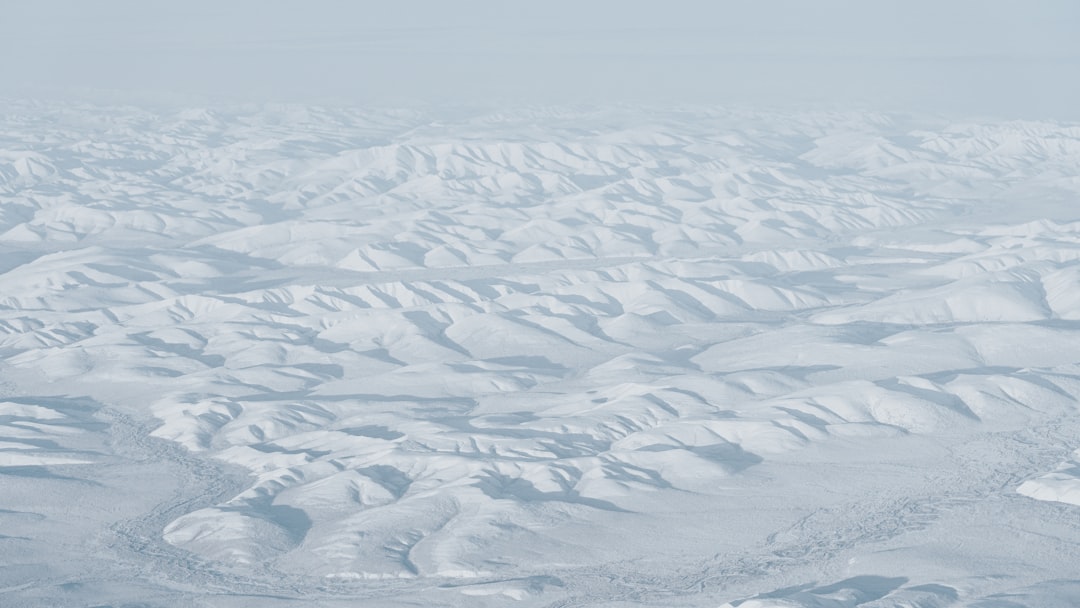
NATO’s Arctic Defense Strategy has emerged as a critical component of the alliance’s broader security framework, reflecting the changing dynamics of global geopolitics. As climate change continues to alter the landscape of the Arctic, new opportunities and challenges arise, prompting NATO to reassess its strategic priorities in this vital region. The melting ice caps are not only reshaping the environment but also opening up new shipping routes and access to untapped natural resources, which have drawn the attention of various state and non-state actors.
In this context, NATO’s Arctic Defense Strategy aims to ensure the security and stability of the region while safeguarding the interests of its member states. The alliance recognizes that the Arctic is not merely a remote area but a zone of increasing geopolitical significance. With the potential for heightened military activity and competition among nations, NATO’s strategy seeks to foster cooperation among its members while preparing for any potential threats.
The Geopolitical Importance of the Arctic Region
The Arctic region has long been viewed as a remote and inhospitable area, but recent developments have transformed it into a focal point of international interest. The melting ice due to climate change has opened up new maritime routes, such as the Northern Sea Route and the Northwest Passage, which significantly reduce shipping times between Europe and Asia. This newfound accessibility has not only economic implications but also strategic ones, as nations vie for control over these vital trade corridors.
The Arctic is also rich in natural resources, including oil, gas, and minerals, making it an attractive target for exploration and exploitation. Moreover, the geopolitical landscape of the Arctic is characterized by a complex interplay of interests among various stakeholders. Countries like Russia, Canada, and the United States have long-standing territorial claims in the region, while other nations, including China, have expressed interest in establishing a presence in Arctic affairs.
This competition for influence and resources underscores the importance of NATO’s involvement in Arctic security. By asserting its presence in the region, NATO aims to deter potential aggression and promote stability among its member states and partners.
Threats to Security in the Arctic

As interest in the Arctic grows, so too do the potential threats to security in the region.
The Kremlin has been actively expanding its military capabilities in the region, establishing new bases and conducting military exercises that raise alarms among NATO members.
This aggressive posture not only heightens tensions but also poses a direct challenge to the security of NATO’s northern flank. In addition to military threats, environmental changes in the Arctic present significant security challenges. The rapid melting of ice is leading to increased shipping traffic, which raises concerns about accidents and environmental disasters.
Moreover, the potential for resource conflicts over oil and gas reserves could exacerbate tensions among nations with competing claims. These multifaceted threats necessitate a comprehensive approach to Arctic defense that encompasses both military readiness and environmental protection.
NATO’s Role in Arctic Defense
| Country | Arctic Defense Budget (in million USD) | Number of Troops |
|---|---|---|
| United States | 750 | 5,000 |
| Canada | 500 | 3,000 |
| Denmark | 300 | 2,000 |
| Norway | 400 | 2,500 |
NATO’s role in Arctic defense is multifaceted, encompassing deterrence, defense, and diplomacy. The alliance seeks to enhance its military presence in the region while fostering cooperation among member states to address shared security challenges. Through joint exercises and training missions, NATO aims to improve interoperability among its forces and ensure that they are prepared to respond effectively to any potential threats.
Furthermore, NATO recognizes the importance of engaging with non-member states that have interests in the Arctic. By fostering dialogue and cooperation with countries like Sweden and Finland, which have significant Arctic territories, NATO can strengthen its collective security framework. This collaborative approach not only enhances regional stability but also reinforces NATO’s commitment to collective defense principles.
Military Presence in the Arctic
The military presence of NATO in the Arctic is crucial for maintaining security and deterring potential aggressors. Member states have been increasing their military capabilities in the region through various initiatives aimed at enhancing readiness and response capabilities. This includes deploying advanced surveillance systems, conducting regular patrols, and establishing forward operating bases to ensure a rapid response to any emerging threats.
Moreover, NATO has been actively involved in joint military exercises that simulate various scenarios in the Arctic environment. These exercises not only improve operational readiness but also foster cooperation among member states’ armed forces. By demonstrating a united front in the face of potential challenges, NATO aims to send a clear message that it is committed to defending its interests in the Arctic.
Cooperation with Arctic Nations
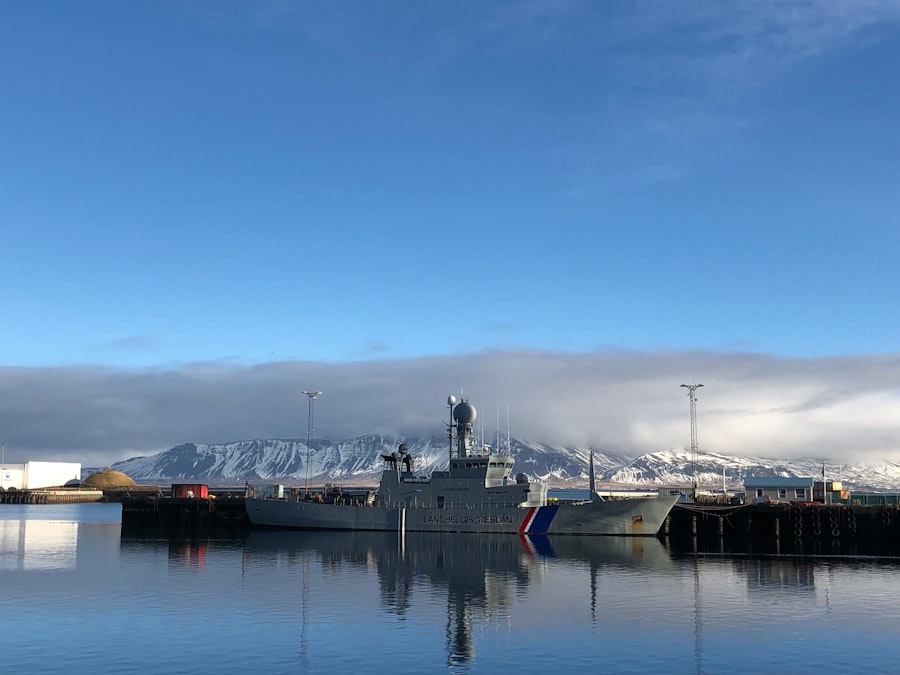
Cooperation with Arctic nations is a cornerstone of NATO’s strategy for ensuring security in the region. Recognizing that many challenges are best addressed through collaboration, NATO has sought to engage with non-member states that have significant interests in the Arctic. Countries like Norway, Denmark, Canada, and Iceland play pivotal roles in regional security dynamics and are essential partners for NATO.
Through initiatives such as the Arctic Security Forces Roundtable (ASFR), NATO fosters dialogue among military leaders from Arctic nations to discuss common challenges and share best practices. This collaborative approach not only enhances mutual understanding but also strengthens collective security efforts. By working together with Arctic nations, NATO can better address issues such as search and rescue operations, environmental protection, and maritime safety.
Environmental Considerations in Arctic Defense
Environmental considerations are increasingly integral to NATO’s Arctic Defense Strategy. The impacts of climate change are profound in this region, affecting not only ecosystems but also geopolitical dynamics. As ice melts and temperatures rise, NATO recognizes that environmental stewardship must be part of its security framework.
This involves addressing issues such as pollution from increased shipping traffic and protecting fragile ecosystems from potential exploitation. NATO has begun incorporating environmental assessments into its planning processes for military operations in the Arctic. By prioritizing sustainability and minimizing ecological footprints, the alliance aims to balance its defense objectives with responsible stewardship of the environment.
This approach not only enhances NATO’s credibility but also aligns with broader global efforts to combat climate change.
Challenges and Opportunities in Arctic Security
The evolving security landscape in the Arctic presents both challenges and opportunities for NATO. On one hand, increased competition among nations for resources and strategic advantages poses significant risks. The potential for miscalculations or misunderstandings could lead to heightened tensions or even conflict.
Additionally, logistical challenges associated with operating in harsh Arctic conditions complicate military planning and response efforts. On the other hand, these challenges also present opportunities for enhanced cooperation among nations with shared interests in maintaining stability in the region. The need for dialogue and collaboration is more pressing than ever as countries navigate complex geopolitical dynamics.
By fostering partnerships with both member states and non-member states alike, NATO can play a pivotal role in shaping a cooperative security environment that benefits all stakeholders.
The Role of Technology in Arctic Defense
Technology plays a crucial role in enhancing NATO’s capabilities in Arctic defense. Advances in surveillance systems, unmanned aerial vehicles (UAVs), and satellite communications are transforming how military operations are conducted in this challenging environment. These technologies enable better situational awareness and facilitate rapid response capabilities, allowing NATO forces to operate effectively even under extreme conditions.
Moreover, technological innovations are essential for addressing environmental challenges associated with increased activity in the Arctic. For instance, improved tracking systems can help monitor shipping traffic and prevent accidents or environmental disasters. By leveraging cutting-edge technology, NATO can enhance its operational effectiveness while promoting safety and sustainability in the region.
Future Outlook for NATO’s Arctic Defense Strategy
The future outlook for NATO’s Arctic Defense Strategy is shaped by an array of factors that will influence regional dynamics over the coming years. As climate change continues to reshape the Arctic landscape, new opportunities for economic development will emerge alongside heightened geopolitical competition. In this context, NATO must remain agile and adaptable to respond effectively to evolving threats while fostering cooperation among member states.
Looking ahead, it is likely that NATO will continue to prioritize its military presence in the Arctic while simultaneously engaging with non-member states to address shared challenges. The alliance’s commitment to environmental stewardship will also play a significant role in shaping its strategy moving forward. By balancing defense objectives with responsible resource management, NATO can contribute to a stable and secure Arctic region that benefits all stakeholders.
The Importance of Securing the North
In conclusion, securing the North is paramount for ensuring stability and peace in an increasingly contested Arctic region. As geopolitical dynamics shift and environmental changes reshape the landscape, NATO’s Arctic Defense Strategy serves as a vital framework for addressing emerging challenges while promoting cooperation among member states and partners. By enhancing military readiness, fostering dialogue with Arctic nations, and prioritizing environmental considerations, NATO can effectively navigate the complexities of this unique region.
The importance of securing the North extends beyond mere territorial claims; it encompasses safeguarding vital trade routes, protecting natural resources, and ensuring the well-being of local communities affected by climate change. As nations continue to vie for influence in the Arctic, NATO’s commitment to collective defense principles will be essential for maintaining peace and stability in this critical area of global interest.
In recent years, the strategic importance of the Arctic region has significantly increased, prompting NATO to enhance its defense strategy in this area. The melting ice caps have opened new maritime routes and potential resource opportunities, making the Arctic a focal point for geopolitical interests. NATO’s Arctic defense strategy aims to ensure stability and security in the region, addressing challenges such as increased military presence and environmental concerns. For a deeper understanding of the geopolitical dynamics and the strategic importance of the Arctic, you can explore a related article on this topic by visiting this page. This article provides insights into the evolving defense strategies and the implications for international relations in the Arctic.
WATCH THIS! The Arctic Ice Is Melting, And It Will Start World War 3
FAQs
What is NATO’s Arctic defense strategy?
NATO’s Arctic defense strategy is a comprehensive approach to addressing security challenges in the Arctic region, including territorial disputes, climate change, and potential military threats.
Why is NATO focusing on the Arctic region?
NATO is focusing on the Arctic region due to the increasing strategic importance of the area as a result of climate change, natural resource exploitation, and potential military activity.
What are the key components of NATO’s Arctic defense strategy?
NATO’s Arctic defense strategy includes enhancing situational awareness, strengthening defense capabilities, and fostering cooperation with Arctic partners.
How does NATO plan to enhance situational awareness in the Arctic region?
NATO plans to enhance situational awareness in the Arctic region through increased intelligence, surveillance, and reconnaissance activities, as well as improved information sharing among member states.
What steps is NATO taking to strengthen defense capabilities in the Arctic region?
NATO is taking steps to strengthen defense capabilities in the Arctic region by conducting military exercises, enhancing infrastructure, and deploying forces to the area as needed.
How does NATO plan to foster cooperation with Arctic partners?
NATO plans to foster cooperation with Arctic partners through dialogue, joint exercises, and information sharing to address common security challenges in the region.