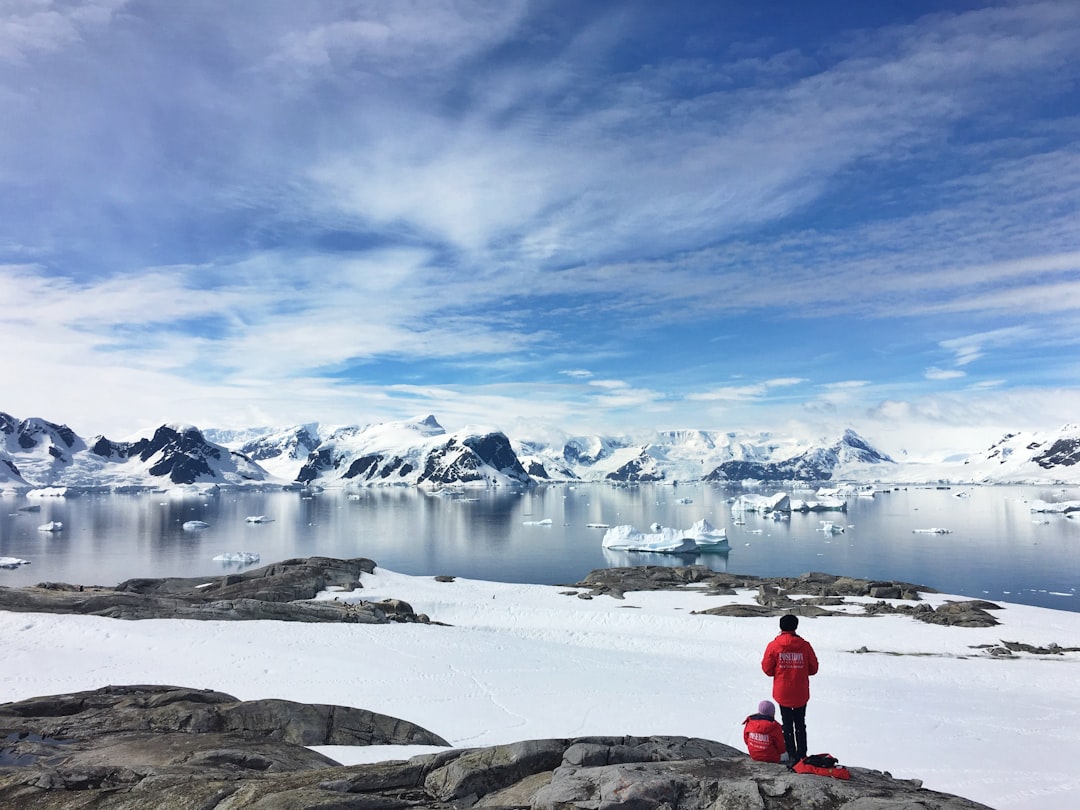
The Arctic region has emerged as a focal point in the global power struggle, drawing the attention of nations eager to assert their influence over this vast and largely uncharted territory. With its unique geographical position, the Arctic serves as a critical gateway for maritime routes that connect the East and West. The melting ice caps, a consequence of climate change, have opened up new shipping lanes, such as the Northern Sea Route and the Northwest Passage, which promise to significantly reduce transit times for global trade.
As these routes become more navigable, countries are increasingly recognizing the strategic importance of the Arctic in terms of economic opportunities and military positioning. Moreover, the Arctic is rich in natural resources, including oil, gas, and minerals, which further heightens its significance in the global arena. Nations are vying for control over these resources, which are estimated to be worth trillions of dollars.
The competition for dominance in the Arctic is not merely about territorial claims; it is also about securing energy supplies and ensuring economic stability in an increasingly volatile world. As such, the Arctic has become a battleground for geopolitical interests, with countries like Russia, the United States, Canada, and China all seeking to expand their influence in this strategically vital region.
The Race for Resource Extraction in the Arctic
The race for resource extraction in the Arctic is intensifying as nations scramble to capitalize on the region’s untapped wealth. The Arctic is believed to hold approximately 13% of the world’s undiscovered oil reserves and 30% of its natural gas reserves. This potential bounty has led to a surge in exploration activities, with companies and governments investing heavily in technology and infrastructure to access these resources.
The allure of oil and gas has prompted countries to assert their claims over vast swathes of territory, often leading to disputes over maritime boundaries and territorial waters. However, the extraction of resources in such a fragile environment poses significant environmental risks. The Arctic ecosystem is particularly vulnerable to disturbances, and any oil spills or industrial accidents could have catastrophic consequences for local wildlife and indigenous communities.
As nations push forward with their extraction plans, they must grapple with the delicate balance between economic gain and environmental stewardship. The challenge lies not only in securing access to these resources but also in ensuring that their extraction does not irreparably harm one of the planet’s last pristine frontiers.
The Role of Military Presence in Asserting Arctic Dominance
Military presence plays a crucial role in asserting dominance over the Arctic region. As nations seek to protect their interests and assert their claims, they are increasingly investing in military capabilities tailored for Arctic operations. This includes deploying icebreakers, establishing military bases, and conducting joint exercises to enhance readiness in this challenging environment.
The presence of military assets serves as both a deterrent against potential adversaries and a means of projecting power in a region where territorial disputes are becoming more pronounced. Russia, in particular, has ramped up its military activities in the Arctic, re-establishing bases and increasing its naval presence. The Kremlin views the Arctic as a vital area for national security and economic development, leading to concerns among other Arctic nations about potential aggression.
The United States has also recognized the need to bolster its military capabilities in the region, emphasizing the importance of maintaining a credible deterrent against any threats to its interests. As military posturing intensifies, the Arctic is becoming a theater for geopolitical maneuvering, with nations seeking to establish their dominance through a combination of military strength and strategic alliances.
The Impact of Climate Change on the Arctic Power Struggle
| Metrics | Data |
|---|---|
| Arctic Sea Ice Loss | Decrease of 13.2% per decade |
| Temperature Rise | 2 times faster than the global average |
| Impact on Wildlife | Loss of habitat for polar bears, seals, and walruses |
| Resource Extraction | Increased accessibility to oil, gas, and minerals |
| Shipping Routes | Opening of the Northern Sea Route and Northwest Passage |
Climate change is reshaping the dynamics of power in the Arctic, creating both opportunities and challenges for nations vying for influence. The rapid melting of ice is not only altering the physical landscape but also transforming geopolitical calculations. As ice recedes, previously inaccessible areas are becoming open for exploration and resource extraction, prompting countries to reassess their strategies in light of new possibilities.
However, this transformation also raises concerns about environmental degradation and the potential for conflict over newly accessible resources. The effects of climate change extend beyond resource extraction; they also impact traditional ways of life for indigenous communities who have relied on the Arctic’s ecosystems for generations. As habitats shift and wildlife migrates due to changing temperatures, indigenous peoples face unprecedented challenges that threaten their cultural heritage and livelihoods.
This intersection of climate change and geopolitical competition underscores the complexity of the Arctic power struggle, as nations must navigate not only their strategic interests but also their responsibilities toward vulnerable populations and fragile ecosystems.
The Legal and Political Challenges of Arctic Governance
The governance of the Arctic presents a myriad of legal and political challenges that complicate efforts to manage this unique region effectively. The United Nations Convention on the Law of the Sea (UNCLOS) provides a framework for maritime claims and resource rights; however, overlapping claims among Arctic states create tensions that can escalate into disputes. Countries are engaged in ongoing negotiations to delineate boundaries and establish rights over continental shelves, but progress is often slow due to competing national interests.
In addition to territorial disputes, there are broader political challenges related to governance structures in the Arctic. The Arctic Council, which includes eight member states and focuses on issues such as environmental protection and sustainable development, lacks binding authority over military matters or resource management. This limitation raises questions about how effectively the Council can address emerging challenges as competition intensifies.
As nations pursue their interests in an increasingly contested environment, finding common ground on governance will be essential to ensuring stability and cooperation in the Arctic.
The Role of Indigenous Peoples in the Arctic Power Struggle

Indigenous peoples play a vital role in the Arctic power struggle, serving as stewards of traditional knowledge and advocates for sustainable practices.
However, as nations pursue their interests in resource extraction and territorial claims, indigenous communities often find themselves marginalized or excluded from decision-making processes that directly impact their lives.
The recognition of indigenous rights is gaining traction on international platforms, with calls for greater inclusion in discussions about Arctic governance. Indigenous peoples are increasingly asserting their voices through advocacy groups and partnerships with environmental organizations, emphasizing the need for sustainable development that respects their cultural heritage. As global attention turns toward the Arctic’s resources, acknowledging and integrating indigenous perspectives will be crucial for fostering equitable solutions that balance economic interests with social justice.
The Geopolitical Implications of Arctic Dominance
The quest for dominance in the Arctic carries significant geopolitical implications that extend far beyond regional boundaries. As nations vie for control over resources and strategic routes, they are reshaping alliances and rivalries on a global scale. The competition for influence in the Arctic has prompted countries like China to assert their presence through investments and partnerships with Arctic states, raising concerns among traditional powers about shifting balances of power.
Moreover, the geopolitical stakes in the Arctic are intertwined with broader issues such as energy security, climate change mitigation, and international trade. As countries seek to secure access to vital resources and shipping lanes, they must navigate complex relationships with both allies and adversaries. The potential for conflict over territorial claims or resource rights underscores the need for diplomatic engagement and multilateral cooperation to prevent escalation into military confrontations.
The Economic Stakes in the Battle for Arctic Control
The economic stakes in the battle for control over the Arctic are immense, driven by both resource extraction opportunities and emerging shipping routes. With estimates suggesting that vast reserves of oil and gas lie beneath the Arctic seabed, nations are racing to secure drilling rights and develop infrastructure to tap into these resources. The potential economic benefits are substantial; however, they come with significant risks related to environmental degradation and social disruption.
In addition to fossil fuels, the opening of new shipping lanes presents opportunities for trade expansion. The Northern Sea Route could significantly shorten shipping times between Europe and Asia, making it an attractive option for global commerce. However, this potential economic boon must be balanced against concerns about increased maritime traffic’s impact on fragile ecosystems and indigenous communities.
As nations navigate these complexities, they must consider not only immediate economic gains but also long-term sustainability.
The Role of International Organizations in Arctic Governance
International organizations play a crucial role in shaping governance frameworks for the Arctic region amid growing competition among states. The Arctic Council serves as a primary platform for cooperation among member states on issues such as environmental protection, sustainable development, and scientific research. While it lacks binding authority over military matters or resource management, it provides a forum for dialogue that can help mitigate tensions between competing interests.
Other organizations, such as the United Nations and regional bodies like the Barents Euro-Arctic Council, also contribute to governance efforts by facilitating discussions on legal frameworks and collaborative initiatives. These organizations can help bridge gaps between national interests by promoting shared goals related to climate change adaptation and sustainable development. However, as competition intensifies, ensuring effective collaboration among diverse stakeholders will be essential for addressing emerging challenges in the Arctic.
The Influence of Non-Arctic States in the Power Struggle
Non-Arctic states are increasingly asserting their influence in the power struggle over this strategically important region. Countries like China have expressed interest in participating in Arctic affairs through investments in infrastructure projects and research initiatives. China’s designation as a “near-Arctic state” reflects its ambitions to engage with Arctic nations while pursuing access to resources and shipping routes.
The involvement of non-Arctic states complicates existing dynamics by introducing new actors into an already competitive environment. Their participation can bring additional resources and expertise but may also heighten tensions among Arctic states concerned about external influence on regional governance. As non-Arctic nations seek to carve out their roles in this evolving landscape, finding ways to integrate their interests with those of Arctic states will be crucial for fostering cooperation rather than conflict.
The Future of Arctic Dominance and its Global Ramifications
The future of Arctic dominance remains uncertain as nations navigate an increasingly complex landscape shaped by geopolitical competition, environmental challenges, and evolving governance structures. As climate change continues to alter the region’s physical landscape, opportunities for resource extraction and new shipping routes will likely intensify competition among states. However, this competition must be tempered by a commitment to sustainable practices that protect fragile ecosystems and respect indigenous rights.
The global ramifications of Arctic dominance extend beyond regional boundaries; decisions made today will have lasting impacts on international relations, energy security, and climate change mitigation efforts worldwide. As nations grapple with these challenges, fostering dialogue and cooperation will be essential for ensuring that the Arctic remains a space for collaboration rather than conflict.
In recent years, the Arctic has become a focal point in the global power struggle, as nations vie for control over its untapped resources and strategic shipping routes. This competition is not only about economic gains but also about geopolitical influence in a rapidly changing environment. An insightful article on this topic can be found on MyGeoQuest, which delves into the complexities of Arctic geopolitics and the various stakeholders involved. For a deeper understanding of the dynamics at play, you can read more about it here.
WATCH THIS! The Arctic Ice Is Melting, And It Will Start World War 3
FAQs
What is the global power struggle in the Arctic?
The global power struggle in the Arctic refers to the competition among various countries for control and influence in the region due to its strategic importance and potential for economic opportunities.
Which countries are involved in the global power struggle in the Arctic?
Countries involved in the global power struggle in the Arctic include the United States, Russia, Canada, Denmark (Greenland), Norway, and other nations with interests in the region.
What are the main factors driving the global power struggle in the Arctic?
The main factors driving the global power struggle in the Arctic include the region’s vast natural resources, potential for new shipping routes, strategic military importance, and the impact of climate change on the region.
What are the potential consequences of the global power struggle in the Arctic?
The potential consequences of the global power struggle in the Arctic include increased military presence, competition for resource extraction, environmental concerns, and geopolitical tensions among the involved countries.
How is the global power struggle in the Arctic being addressed by international organizations?
International organizations such as the Arctic Council and the United Nations are working to address the global power struggle in the Arctic through diplomatic negotiations, environmental protection efforts, and the promotion of sustainable development in the region.