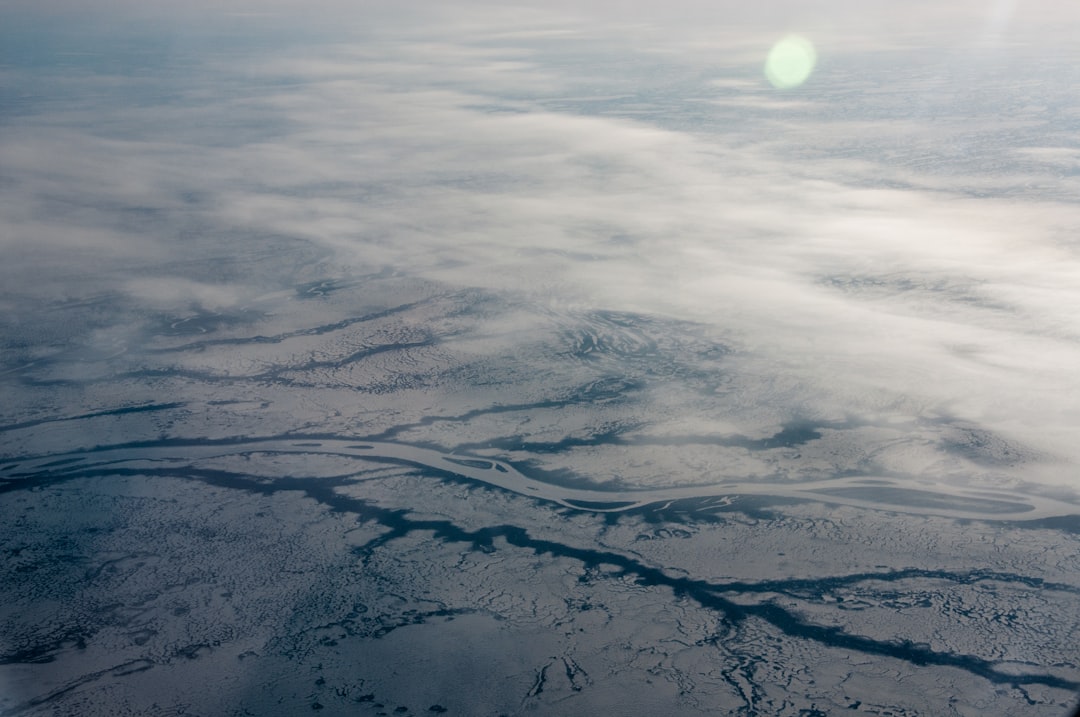
The decline of Arctic sea ice has emerged as one of the most pressing environmental issues of the 21st century. This phenomenon, characterized by the significant reduction in the extent and thickness of sea ice in the Arctic Ocean, has profound implications not only for the region itself but also for the global climate system. As temperatures rise due to climate change, the Arctic is warming at an alarming rate, leading to a cascade of effects that reverberate throughout the planet.
The urgency of understanding and addressing this decline cannot be overstated, as it poses risks to ecosystems, weather patterns, and human livelihoods. The Arctic sea ice serves as a critical component of the Earth’s climate system, reflecting sunlight and regulating temperatures. Its decline signals not just a local environmental crisis but a global one, as changes in the Arctic can influence weather patterns far beyond its borders.
The melting ice is a stark indicator of climate change, and its implications extend into various domains, including ecological balance, economic activities, and international relations. As scientists and policymakers grapple with these challenges, it becomes increasingly clear that immediate action is necessary to mitigate the impacts of this ongoing crisis.
Historical Trends of Arctic Sea Ice
Historically, Arctic sea ice has undergone significant fluctuations, influenced by natural climate variability. However, since the late 20th century, the trends have shifted dramatically. Satellite observations since the late 1970s reveal a stark decline in both the extent and thickness of sea ice during summer months.
The minimum extent of sea ice has decreased by approximately 40% since 1979, with record lows observed in recent years. This alarming trend highlights not only the rapid pace of change but also the unprecedented nature of current conditions compared to historical records. The historical data indicates that while there have been periods of natural variability in sea ice cover, the current trajectory is largely attributed to anthropogenic factors.
The warming climate has led to a feedback loop where reduced ice cover results in increased absorption of solar radiation by the ocean, further accelerating warming and ice melt. This historical context underscores the urgency of addressing the factors contributing to sea ice decline, as it represents a significant departure from natural patterns observed over millennia.
Causes of Arctic Sea Ice Decline
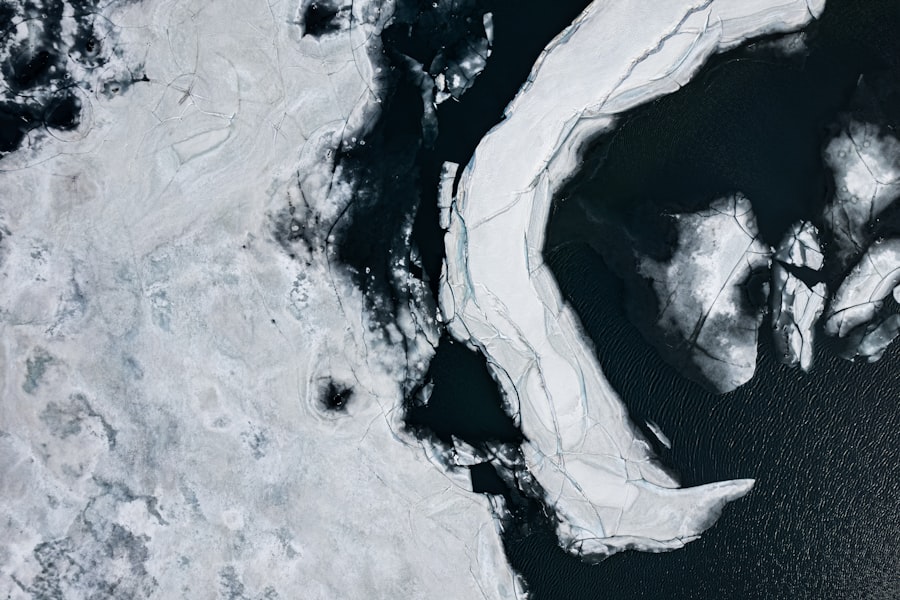
The primary driver behind the decline of Arctic sea ice is climate change, primarily fueled by human activities such as burning fossil fuels and deforestation. These activities release greenhouse gases into the atmosphere, leading to an increase in global temperatures. The Arctic region is particularly sensitive to these changes; it is warming at more than twice the global average rate.
This phenomenon, known as Arctic amplification, results in accelerated melting of ice and snow cover. In addition to rising temperatures, other factors contribute to the decline of Arctic sea ice. Changes in ocean currents and atmospheric circulation patterns can influence sea ice distribution and thickness.
These complex interactions highlight the multifaceted nature of sea ice decline and emphasize the need for comprehensive research to fully understand its causes.
Impact on Arctic Ecosystem
| Metrics | Impact |
|---|---|
| Temperature | Rising temperatures leading to melting ice and loss of habitat for Arctic species |
| Sea Ice Loss | Reduction in sea ice leading to disruption of food chains and migration patterns |
| Ocean Acidification | Acidification affecting marine life such as shellfish and plankton |
| Wildlife Population | Decline in population of polar bears, seals, and other Arctic species |
| Vegetation Changes | Shifts in plant distribution and changes in ecosystem dynamics |
The decline of Arctic sea ice has profound implications for the region’s unique ecosystems. Sea ice serves as a habitat for various species, including polar bears, seals, and seabirds, which rely on it for breeding, hunting, and resting. As ice diminishes, these species face increasing challenges in finding food and suitable habitats.
For example, polar bears are forced to travel greater distances in search of seals, their primary prey, leading to increased energy expenditure and decreased reproductive success. Moreover, the loss of sea ice disrupts the entire food web within the Arctic ecosystem. Phytoplankton, which thrive in icy waters and form the base of the marine food chain, are affected by changes in light availability and water temperature.
As sea ice retreats earlier in spring and forms later in autumn, phytoplankton blooms may shift in timing and location, impacting species that depend on them for sustenance. The cascading effects on biodiversity are concerning, as they threaten not only individual species but also the overall health of the Arctic ecosystem.
Impact on Global Climate
The implications of Arctic sea ice decline extend far beyond regional boundaries; they have significant repercussions for global climate systems. The loss of reflective ice cover leads to increased absorption of solar energy by the ocean, contributing to further warming. This process creates a feedback loop that exacerbates climate change on a global scale.
As more heat is absorbed by the ocean, it can influence weather patterns across continents, leading to extreme weather events such as heatwaves, heavy rainfall, and altered storm tracks. Additionally, the melting of Arctic sea ice contributes to rising sea levels as freshwater from melting glaciers and ice sheets flows into the ocean. This rise poses risks to coastal communities worldwide, threatening infrastructure and ecosystems alike.
The interconnectedness of climate systems means that changes in one region can have far-reaching effects elsewhere, underscoring the importance of addressing Arctic sea ice decline as part of a broader strategy for climate action.
Economic Implications of Arctic Sea Ice Decline
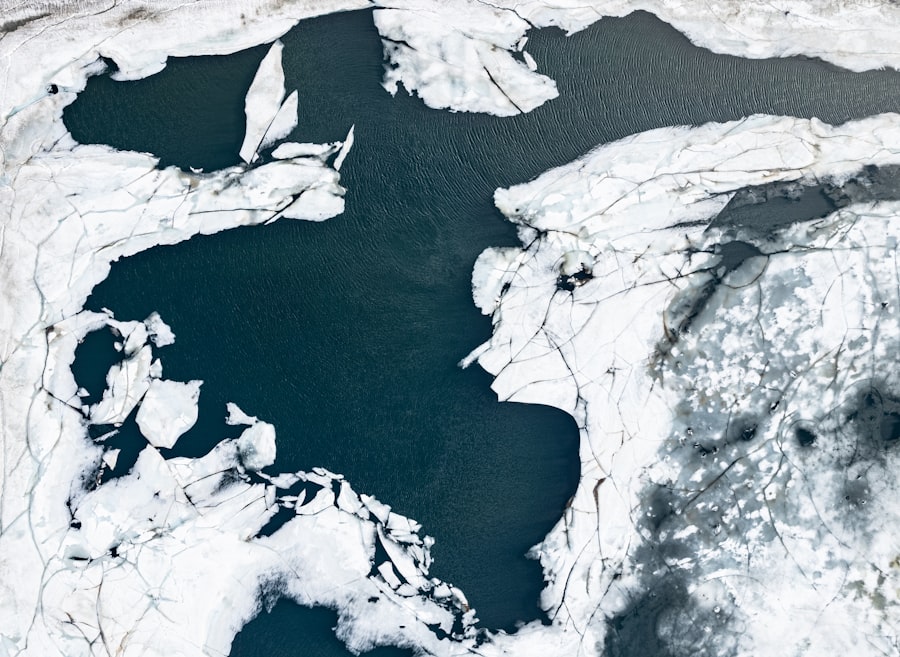
The decline of Arctic sea ice presents both challenges and opportunities for economic activities in the region. On one hand, melting ice opens up new shipping routes and access to previously unreachable natural resources such as oil and gas reserves. The Northern Sea Route and Northwest Passage are becoming increasingly navigable due to reduced ice cover, potentially shortening shipping times between major markets.
However, this newfound accessibility raises concerns about environmental degradation and increased greenhouse gas emissions from shipping activities. Conversely, traditional industries such as fishing and tourism face significant challenges due to changing ecosystems and unpredictable weather patterns. Fish populations may shift or decline due to altered habitats, impacting local fisheries that rely on stable conditions for their livelihoods.
Additionally, Indigenous communities that depend on traditional hunting practices are facing disruptions as their environments change rapidly. The economic implications are complex; while some sectors may benefit from new opportunities, others may suffer devastating losses.
International Efforts to Address Arctic Sea Ice Decline
Recognizing the urgency of addressing Arctic sea ice decline, various international efforts have been initiated to mitigate its impacts and promote sustainable practices in the region. The Arctic Council, comprising eight Arctic states and Indigenous representatives, plays a crucial role in fostering cooperation on environmental protection and sustainable development. Through initiatives focused on scientific research and policy development, member states aim to address issues related to climate change and its effects on Arctic ecosystems.
Additionally, global agreements such as the Paris Agreement emphasize the need for collective action to limit greenhouse gas emissions and curb climate change. By committing to reduce emissions and transition towards renewable energy sources, countries can work together to slow down the rate of warming that contributes to sea ice decline. Collaborative research efforts are also essential for understanding the complexities of Arctic systems and developing effective strategies for adaptation and mitigation.
Future Projections of Arctic Sea Ice Decline
Future projections regarding Arctic sea ice decline paint a concerning picture if current trends continue unabated. Climate models suggest that without significant reductions in greenhouse gas emissions, summer sea ice could disappear entirely by mid-century. Such scenarios would have catastrophic consequences for both local ecosystems and global climate systems.
The loss of summer sea ice would exacerbate warming trends and further disrupt weather patterns worldwide. However, there is still hope for mitigating these outcomes through concerted global efforts aimed at reducing emissions and promoting sustainable practices. By implementing aggressive climate policies and investing in renewable energy technologies, it may be possible to slow down or even reverse some aspects of sea ice decline.
The future trajectory will largely depend on collective action taken today; thus, it is imperative that nations prioritize climate action to safeguard both the Arctic region and the planet as a whole.
Indigenous Communities and Arctic Sea Ice
Indigenous communities in the Arctic have long relied on sea ice for their cultural practices, subsistence hunting, and traditional knowledge systems. The decline of sea ice poses significant threats to their way of life as changing conditions disrupt migratory patterns of animals they depend on for food. Traditional hunting practices are becoming increasingly challenging due to unpredictable weather conditions and diminishing ice cover.
Moreover, Indigenous peoples possess invaluable knowledge about their environment that can contribute to understanding ecological changes occurring in the Arctic. Their perspectives are essential for developing effective conservation strategies that respect cultural practices while addressing environmental challenges. Engaging Indigenous communities in decision-making processes related to climate action is crucial for ensuring that their rights are upheld and their voices are heard in discussions about the future of their homeland.
Strategies for Mitigating Arctic Sea Ice Decline
To effectively address Arctic sea ice decline, a multifaceted approach is necessary that encompasses both mitigation and adaptation strategies. Reducing greenhouse gas emissions remains paramount; transitioning towards renewable energy sources such as wind, solar, and hydroelectric power can significantly decrease reliance on fossil fuels. Additionally, promoting energy efficiency measures across various sectors can help lower overall emissions.
Adaptation strategies are equally important in preparing communities for changes already underway due to climate change. This includes investing in infrastructure that can withstand extreme weather events and supporting local economies through sustainable practices that align with environmental conservation efforts. Collaborative research initiatives involving scientists, policymakers, Indigenous communities, and stakeholders can foster innovative solutions tailored to specific regional challenges.
Urgency of Addressing Arctic Sea Ice Decline
The decline of Arctic sea ice represents a critical challenge that demands immediate attention from global leaders and communities alike. Its implications extend far beyond the Arctic region; they encompass ecological integrity, economic stability, and global climate health. As evidence mounts regarding the rapid pace of change occurring in this fragile environment, it becomes increasingly clear that urgent action is necessary.
Addressing this crisis requires a commitment to reducing greenhouse gas emissions while simultaneously supporting adaptation efforts within vulnerable communities. By prioritizing collaborative approaches that engage diverse stakeholders—including Indigenous peoples—society can work towards sustainable solutions that protect both the Arctic ecosystem and our planet’s future. The time for action is now; safeguarding Arctic sea ice is not just an environmental imperative but a moral obligation towards future generations.
The decline of Arctic sea ice is a pressing environmental issue that has garnered significant attention in recent years. As the ice continues to melt at an alarming rate, it not only impacts the local ecosystems but also contributes to global climate change. For a deeper understanding of the factors driving this phenomenon and its broader implications, you can explore a related article on the topic by visiting this page. This resource provides valuable insights into the scientific data and projections concerning Arctic sea ice decline, helping to shed light on the urgent need for environmental action.
WATCH THIS! The Arctic Ice Is Melting, And It Will Start World War 3
FAQs
What is Arctic sea ice decline?
Arctic sea ice decline refers to the ongoing decrease in the extent and thickness of sea ice in the Arctic Ocean. This decline is primarily attributed to global warming and climate change.
What are the causes of Arctic sea ice decline?
The primary cause of Arctic sea ice decline is the increase in global temperatures due to human activities, such as the burning of fossil fuels and deforestation. This leads to the melting of sea ice and a reduction in its extent and thickness.
How is Arctic sea ice decline measured?
Arctic sea ice decline is measured using satellite observations, as well as direct measurements from research vessels and buoys. These measurements track the extent, thickness, and volume of sea ice over time.
What are the impacts of Arctic sea ice decline?
The decline in Arctic sea ice has numerous impacts, including rising sea levels, changes in weather patterns, loss of habitat for Arctic wildlife, and increased access to natural resources and shipping routes in the region.
Is Arctic sea ice decline reversible?
While it is possible to slow down and potentially reverse Arctic sea ice decline through global efforts to reduce greenhouse gas emissions and mitigate climate change, the current trend of decline is expected to continue in the near future.