
The Arctic region, often characterized by its vast expanses of ice and unique ecosystems, is a place of profound beauty and stark contrasts. Stretching across the northernmost parts of the globe, it encompasses parts of eight countries: Canada, Denmark (Greenland), Norway, Sweden, Finland, Russia, the United States (Alaska), and Iceland. This region is not only defined by its frigid temperatures and polar wildlife but also by its rich cultural heritage and the resilience of its indigenous populations.
The Arctic is a land of extremes, where the sun does not set for months during summer and plunges into darkness for an equal duration in winter. In recent years, the Arctic has gained increasing attention on the global stage due to its changing climate and the implications that arise from it. As temperatures rise and ice melts, new opportunities and challenges emerge, drawing interest from nations and corporations alike.
The Arctic is not merely a remote wilderness; it is a dynamic region at the forefront of geopolitical, economic, and environmental discussions that will shape the future of the planet.
Geopolitical significance of the Arctic
The geopolitical significance of the Arctic has escalated dramatically in recent years, as nations recognize the strategic advantages that come with access to this remote region. The melting ice caps have opened up previously inaccessible areas, leading to heightened interest in territorial claims and resource rights. Countries bordering the Arctic are increasingly asserting their sovereignty over vast stretches of ocean and land, leading to a complex web of negotiations and potential conflicts.
The United States, Russia, Canada, and other Arctic nations are vying for influence, each seeking to secure their interests in this rapidly changing landscape. Moreover, the Arctic is becoming a focal point for international diplomacy. The Arctic Council, established in 1996, serves as a platform for cooperation among Arctic states and indigenous communities.
However, as competition for resources intensifies, the potential for geopolitical tensions rises. The region’s significance extends beyond mere territorial disputes; it is also a critical area for global security considerations. The Arctic’s strategic location makes it a vital corridor for military operations and surveillance, prompting nations to bolster their military presence in the area.
Economic potential of the Arctic
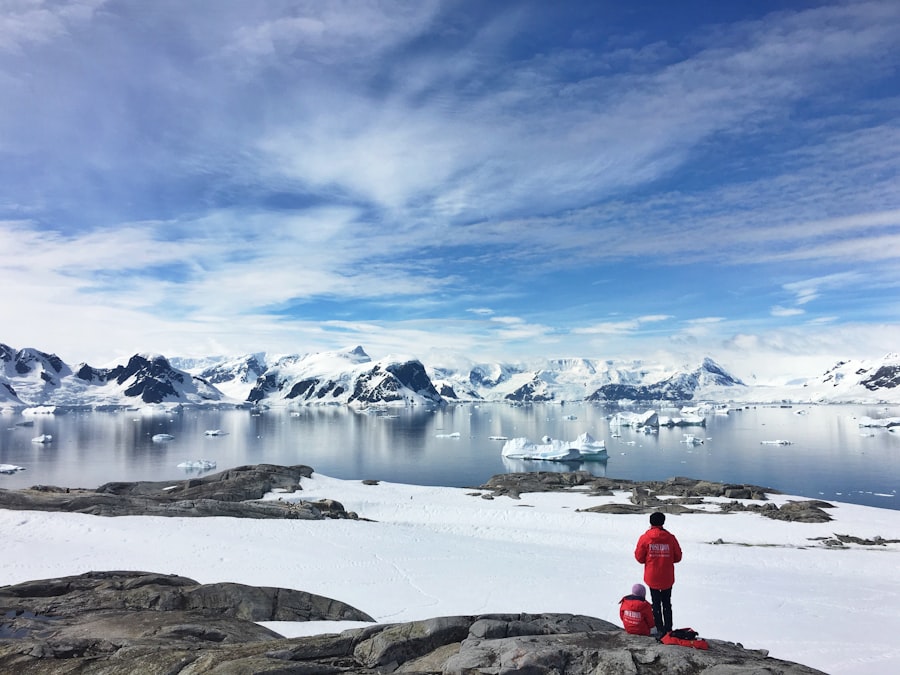
The economic potential of the Arctic is vast and varied, encompassing a range of industries from fishing to oil and gas extraction. As ice melts due to climate change, previously unreachable resources are becoming accessible, sparking interest from energy companies eager to tap into these reserves. Estimates suggest that the Arctic holds approximately 13% of the world’s undiscovered oil and 30% of its undiscovered natural gas.
This potential has led to increased exploration activities, with nations investing heavily in technology and infrastructure to extract these valuable resources. However, the economic opportunities presented by the Arctic are not without their challenges. The harsh environmental conditions and remote locations make extraction operations costly and logistically complex.
Additionally, there are significant concerns regarding the environmental impact of resource extraction in such a fragile ecosystem. Balancing economic interests with environmental stewardship is a critical challenge that stakeholders must navigate as they seek to harness the Arctic’s wealth.
Environmental impact of the Arctic
| Metrics | Data |
|---|---|
| Ice melt | Decrease of 13.1% per decade |
| Sea level rise | 3.1 millimeters per year |
| Temperature rise | Twice as fast as the global average |
| Loss of biodiversity | Threat to polar bears, seals, and walruses |
The environmental impact of human activity in the Arctic is profound and multifaceted. As industrial activities increase, so too do concerns about pollution, habitat destruction, and climate change. The delicate balance of the Arctic ecosystem is threatened by oil spills, shipping traffic, and increased fishing pressures.
These activities not only disrupt local wildlife but also have far-reaching consequences for global climate patterns.
The loss of sea ice impacts polar bears, seals, and other species that rely on this habitat for survival.
As temperatures rise, permafrost thaws, releasing greenhouse gases that further exacerbate global warming. The environmental challenges facing the Arctic are not isolated; they are interconnected with global ecological health and require urgent attention from policymakers and scientists alike.
Military interests in the Arctic
Military interests in the Arctic have surged as nations recognize the strategic importance of this region. The melting ice has opened new shipping routes and access to resources, prompting countries to enhance their military capabilities in the area.
The United States has also increased its focus on Arctic defense, recognizing the need to protect its interests in this evolving geopolitical landscape. The military buildup in the Arctic raises concerns about potential conflicts over territorial claims and resource rights. As nations assert their sovereignty, there is a risk of miscalculations or confrontations that could escalate tensions.
The presence of military assets in such a sensitive environment necessitates careful diplomacy and communication among Arctic nations to prevent misunderstandings and promote stability.
Indigenous peoples and the Arctic
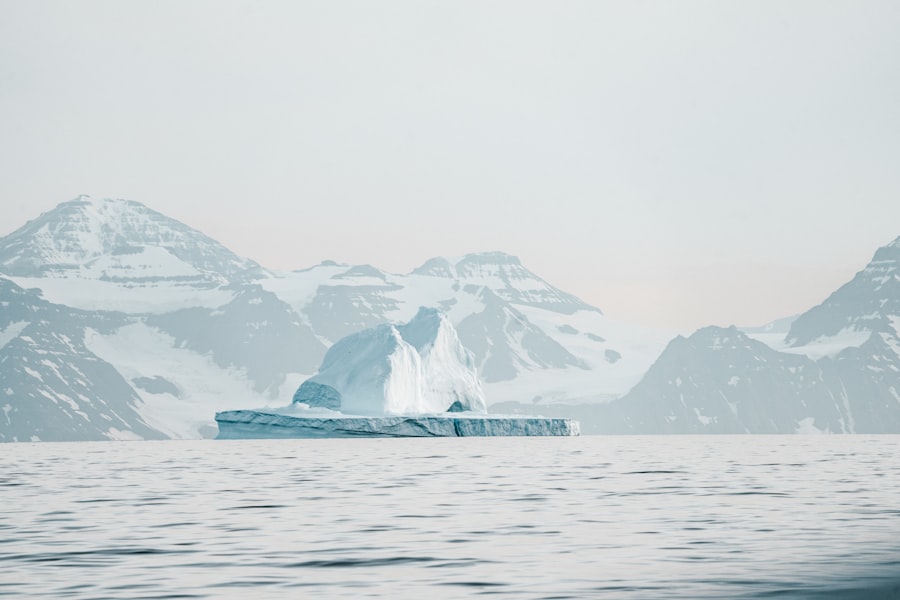
Indigenous peoples have inhabited the Arctic for thousands of years, developing rich cultures and traditions closely tied to their environment. These communities possess invaluable knowledge about sustainable living in one of the planet’s most challenging climates. However, as external interests encroach upon their lands, indigenous populations face significant challenges to their way of life.
Resource extraction activities often disrupt traditional hunting grounds and threaten cultural practices that have been passed down through generations. The voices of indigenous peoples are increasingly being recognized in discussions about Arctic governance and resource management. Their perspectives are essential for ensuring that development occurs in a manner that respects their rights and preserves their cultural heritage.
Collaborative efforts between indigenous communities and governments can lead to more sustainable practices that benefit both local populations and broader ecological health.
International cooperation in the Arctic
International cooperation in the Arctic is crucial for addressing the complex challenges facing this region. The Arctic Council plays a pivotal role in fostering dialogue among member states and promoting sustainable development practices. Comprising eight Arctic nations along with indigenous representatives, the Council facilitates collaboration on issues such as environmental protection, scientific research, and emergency response.
Despite geopolitical tensions, there is a shared recognition among Arctic nations that cooperation is essential for managing common challenges. Collaborative initiatives focused on climate change research, search and rescue operations, and environmental monitoring demonstrate a commitment to working together for the greater good. Strengthening these cooperative frameworks will be vital as the region continues to evolve in response to both human activity and natural changes.
Resource extraction in the Arctic
Resource extraction in the Arctic presents both opportunities and dilemmas for stakeholders involved. The allure of untapped oil reserves, natural gas fields, and mineral deposits has led to increased exploration efforts by various countries and corporations. However, these activities raise significant ethical questions regarding environmental sustainability and indigenous rights.
The potential for oil spills or other ecological disasters looms large over extraction projects, prompting calls for stricter regulations and oversight. Moreover, as companies seek to capitalize on these resources, they must navigate complex legal frameworks governing territorial claims and environmental protections. Balancing economic interests with ecological preservation requires innovative approaches that prioritize sustainability while allowing for responsible development.
Engaging local communities in decision-making processes can help ensure that resource extraction benefits both current populations and future generations.
Transportation routes in the Arctic
The opening of new transportation routes in the Arctic due to melting ice has significant implications for global trade and commerce. The Northern Sea Route along Russia’s coast offers a shorter passage between Europe and Asia compared to traditional shipping lanes through the Suez Canal. This shift could reduce shipping times and costs but also raises concerns about increased maritime traffic in fragile ecosystems.
As shipping companies explore these new routes, there is a pressing need for regulations to ensure safe navigation while protecting marine environments. The potential for accidents or spills increases with heightened shipping activity, necessitating robust response mechanisms to address any incidents swiftly. International collaboration will be essential in establishing guidelines that balance economic benefits with environmental stewardship.
Climate change and the Arctic
Climate change is perhaps the most pressing issue facing the Arctic today. The region is warming at an alarming rate—twice as fast as the global average—leading to dramatic changes in its landscape and ecosystems. Melting glaciers contribute to rising sea levels worldwide while altering ocean currents that influence weather patterns far beyond the Arctic itself.
The consequences of climate change extend beyond environmental degradation; they also impact local communities reliant on stable ecosystems for their livelihoods. Traditional hunting practices are disrupted as animal migration patterns shift due to changing temperatures. Addressing climate change requires urgent action at both local and global levels to mitigate its effects on vulnerable populations and ecosystems.
Future challenges and opportunities in the Arctic
The future of the Arctic is fraught with challenges but also brimming with opportunities for innovation and collaboration. As nations grapple with issues related to resource management, environmental protection, and geopolitical tensions, there is potential for transformative solutions that prioritize sustainability while fostering economic growth. Investing in renewable energy sources could provide a pathway toward reducing reliance on fossil fuels while creating jobs within local communities.
Additionally, enhancing scientific research initiatives can lead to better understanding of climate change impacts and inform policy decisions aimed at protecting this fragile region. Ultimately, navigating the complexities of the Arctic will require a commitment to cooperation among nations, respect for indigenous rights, and a focus on sustainable practices that honor both people and nature alike. The choices made today will shape not only the future of the Arctic but also have lasting implications for global ecological health.
The strategic importance of the Arctic has been a topic of increasing interest as climate change opens new shipping routes and access to untapped natural resources. The region’s geopolitical significance is underscored by the interests of various nations in establishing a presence there. For a deeper understanding of the geopolitical dynamics and environmental considerations in the Arctic, you can explore a related article on this topic by visiting