
The Arctic Circle has emerged as a focal point of military interest in recent years, drawing attention from global powers eager to assert their influence in this strategically significant region.
This buildup is not merely a response to environmental changes; it reflects a complex interplay of geopolitical ambitions, economic interests, and security concerns.
The Arctic, once considered a remote and inhospitable frontier, is now at the center of a new geopolitical chess game. The military buildup in the Arctic Circle is characterized by increased naval deployments, the establishment of new bases, and enhanced surveillance capabilities. Countries such as Russia, the United States, Canada, and Norway are investing heavily in their Arctic military infrastructure, signaling a shift in focus towards this previously overlooked region.
As nations vie for dominance over emerging shipping lanes and resource-rich territories, the implications of this military expansion extend beyond national borders, raising questions about international cooperation and potential conflict.
Historical Context of Military Presence in the Arctic Circle
The history of military presence in the Arctic Circle is deeply intertwined with the broader narrative of global power dynamics. During the Cold War, the Arctic served as a strategic battleground for the United States and the Soviet Union, with both superpowers establishing military installations and conducting surveillance operations. The region’s vast expanses of ice and remote locations provided a unique backdrop for espionage and military exercises, as both sides sought to gain an upper hand in the nuclear arms race.
In the post-Cold War era, military activity in the Arctic diminished as geopolitical tensions eased. However, the resurgence of interest in the region can be traced back to the early 21st century when climate change began to reshape the Arctic landscape. The melting ice not only revealed new shipping routes but also highlighted the potential for resource extraction, reigniting competition among Arctic nations.
This historical context underscores how past military strategies continue to influence contemporary actions, as nations navigate a rapidly changing geopolitical environment.
Geopolitical Significance of the Arctic Circle
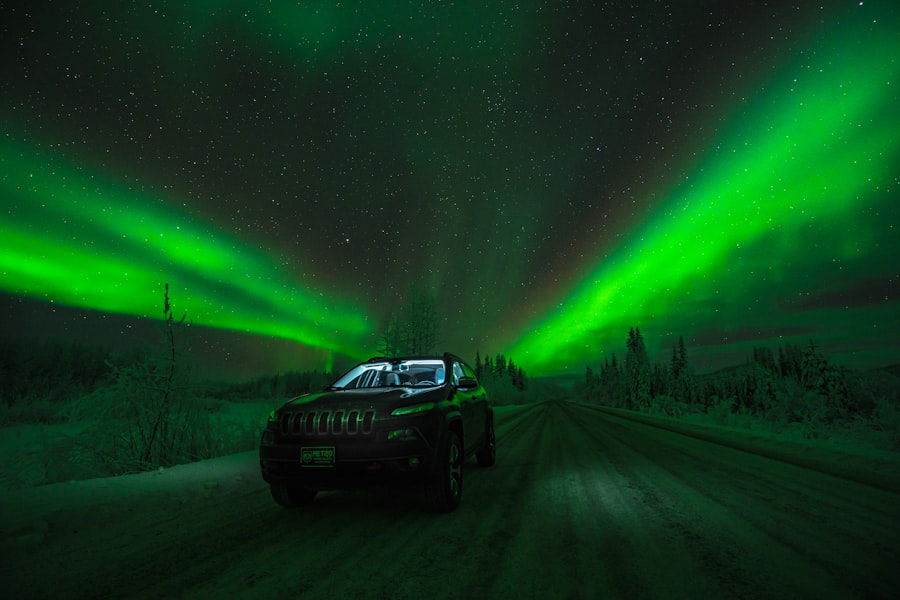
The geopolitical significance of the Arctic Circle cannot be overstated. As global warming accelerates, the region is becoming increasingly accessible, transforming it into a critical area for international trade and military strategy. The Northern Sea Route, which runs along Russia’s coast, has gained prominence as a viable shipping lane that could significantly reduce transit times between Europe and Asia.
This newfound accessibility has prompted countries to reassess their strategic interests in the Arctic, leading to heightened military activity. Moreover, the Arctic is home to vast reserves of natural resources, including oil, gas, and minerals. As traditional energy sources become scarcer and more expensive to extract, nations are eager to stake their claims in this resource-rich region.
The competition for these resources has intensified geopolitical rivalries, with countries seeking to assert their sovereignty over disputed territories. The Arctic Circle’s significance extends beyond its physical resources; it represents a new frontier for global power dynamics, where economic interests and national security intersect.
Resource Extraction and Economic Interests in the Arctic Circle
| Country | Resource Extraction | Economic Interests |
|---|---|---|
| United States | Oil, natural gas, minerals | Shipping routes, fishing, tourism |
| Canada | Oil, natural gas, minerals | Indigenous rights, environmental protection |
| Russia | Oil, natural gas, minerals | Shipping routes, military presence |
| Norway | Oil, natural gas, minerals | Research, environmental protection |
| Denmark (Greenland) | Oil, natural gas, minerals | Indigenous rights, environmental protection |
Resource extraction in the Arctic Circle has become a driving force behind military buildup and geopolitical maneuvering. The region is estimated to hold approximately 13% of the world’s undiscovered oil reserves and 30% of its natural gas reserves.
This quest for resources has led to a surge in exploration activities, with companies and governments investing heavily in drilling and extraction technologies. However, the pursuit of economic interests in the Arctic is fraught with challenges. Harsh weather conditions, environmental concerns, and logistical difficulties complicate extraction efforts.
Additionally, indigenous communities that have inhabited these lands for generations often find themselves at odds with corporate interests seeking to exploit natural resources. The intersection of economic ambitions and environmental stewardship raises critical questions about sustainability and responsible resource management in a region that is already experiencing significant ecological changes.
Environmental Concerns and the Impact of Military Buildup
The military buildup in the Arctic Circle raises significant environmental concerns that cannot be overlooked. Increased military activity often leads to disturbances in fragile ecosystems that are already under threat from climate change. The construction of bases, naval operations, and air patrols can disrupt wildlife habitats and contribute to pollution in an area that is home to unique flora and fauna.
The potential for oil spills or other environmental disasters poses an additional risk that could have devastating consequences for local ecosystems. Furthermore, the environmental impact of military operations extends beyond immediate ecological concerns. The Arctic plays a crucial role in regulating global climate patterns; disruptions caused by military activities could have far-reaching effects on weather systems worldwide.
As nations prioritize their strategic interests over environmental considerations, there is a growing need for international dialogue and cooperation to ensure that military activities do not exacerbate existing environmental challenges.
Strategic Importance of Arctic Circle for Global Powers
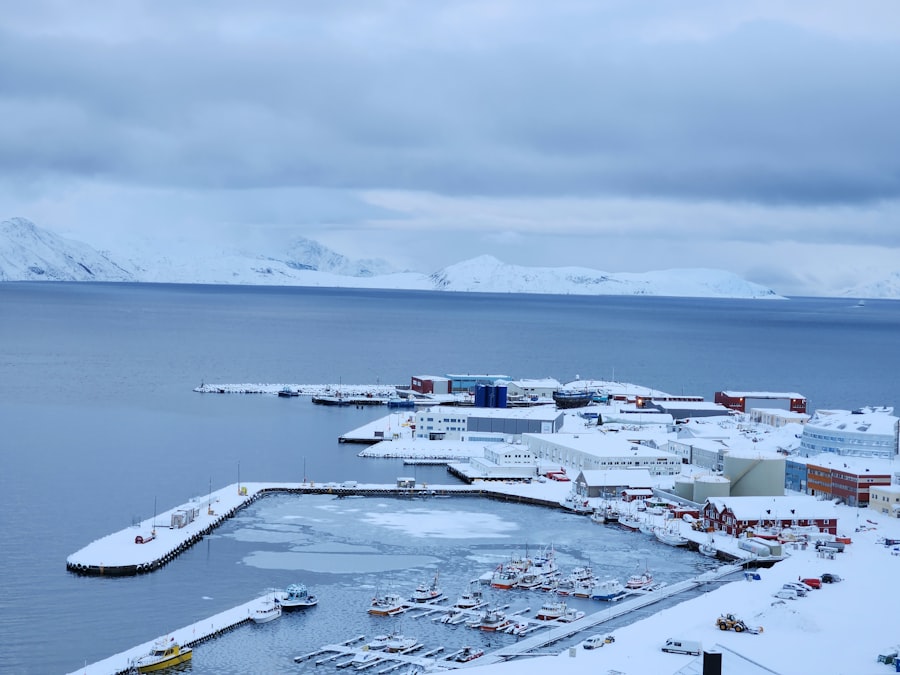
For global powers, the strategic importance of the Arctic Circle lies not only in its resources but also in its geopolitical positioning. Control over key maritime routes can enhance a nation’s ability to project power and influence across the globe. The Arctic serves as a gateway between major economies, making it a vital area for trade and military logistics.
As countries seek to secure their interests in this region, they are increasingly aware of the need for robust naval capabilities and surveillance systems. Moreover, the Arctic’s strategic significance extends to national security considerations. The region’s proximity to major population centers makes it a potential theater for military operations or conflict.
As tensions rise among Arctic nations over territorial claims and resource rights, the need for a strong military presence becomes paramount. This reality underscores how the Arctic has transformed into a critical arena for global power competition, where strategic calculations will shape future interactions among nations.
Military Alliances and Cooperation in the Arctic Circle
Despite rising tensions and competition in the Arctic Circle, there remains an avenue for military alliances and cooperation among nations operating in the region. The Arctic Council, established in 1996, serves as a platform for dialogue among Arctic states and indigenous communities on issues related to sustainable development and environmental protection. While primarily focused on non-military matters, this council has fostered collaboration among member states on scientific research and environmental monitoring.
Additionally, joint military exercises have been conducted among NATO allies and partner nations in the Arctic region. These exercises aim to enhance interoperability among forces while promoting stability and security in an area marked by increasing militarization. Such cooperative efforts highlight that even amid competition, there exists a recognition of shared interests that can lead to collaborative approaches toward addressing common challenges in the Arctic.
Potential for Conflict and Escalation in the Arctic Circle
The potential for conflict and escalation in the Arctic Circle looms large as nations assert their claims over disputed territories and resources. The lack of clear legal frameworks governing maritime boundaries exacerbates tensions among Arctic states. Incidents involving naval vessels or aircraft can quickly escalate into diplomatic crises if not managed carefully.
As military buildups continue, there is an increasing risk that miscalculations or misunderstandings could lead to confrontations. Moreover, non-Arctic states are also showing interest in the region’s dynamics, further complicating matters. Countries like China have expressed ambitions to play a role in Arctic affairs, raising concerns among traditional powers about their intentions.
The interplay between established Arctic nations and emerging players adds another layer of complexity to an already volatile situation. As competition intensifies, it becomes imperative for all stakeholders to engage in dialogue aimed at preventing conflict while promoting stability in this strategically significant region.
Role of Technology and Innovation in Arctic Military Strategy
Technology and innovation play a pivotal role in shaping military strategy within the Arctic Circle. Advances in satellite surveillance, unmanned aerial vehicles (UAVs), and icebreaker capabilities have transformed how nations monitor activities in this challenging environment. Enhanced communication systems enable real-time data sharing among military forces operating in remote areas, improving situational awareness and response times during potential crises.
Furthermore, research into new materials and technologies designed specifically for extreme cold conditions is revolutionizing equipment used by armed forces operating in the Arctic. From specialized clothing to advanced weaponry capable of functioning effectively in sub-zero temperatures, innovation is key to maintaining operational readiness in this harsh environment. As nations invest heavily in research and development tailored to Arctic conditions, technological superiority will likely become a critical factor influencing military strategy moving forward.
Indigenous Peoples and their Role in Arctic Military Buildup
Indigenous peoples have long inhabited the Arctic Circle, possessing invaluable knowledge about its ecosystems and cultural heritage. However, their voices are often marginalized amid discussions surrounding military buildup and resource extraction. As nations expand their military presence in the region, it is essential to recognize indigenous communities’ rights and perspectives regarding land use and environmental stewardship.
Indigenous groups have increasingly sought to assert their rights through advocacy efforts aimed at influencing policy decisions related to military activities and resource management. Their traditional knowledge can provide insights into sustainable practices that balance economic interests with ecological preservation. Engaging indigenous communities as partners rather than sidelining them can lead to more equitable outcomes that respect both cultural heritage and environmental integrity.
Future Outlook for Military Presence in the Arctic Circle
The future outlook for military presence in the Arctic Circle remains uncertain but undoubtedly significant as global dynamics continue to evolve. As climate change reshapes access to resources and shipping routes, nations will likely intensify their efforts to secure strategic advantages within this region. The interplay between competition and cooperation will define how military activities unfold over time.
Moreover, addressing environmental concerns will become increasingly critical as nations navigate their ambitions while safeguarding fragile ecosystems. International collaboration will be essential not only for managing territorial disputes but also for ensuring sustainable practices that protect both indigenous rights and ecological integrity. Ultimately, how global powers approach their military presence in the Arctic will shape not only regional stability but also broader geopolitical relations on a global scale.
The Arctic Circle has become a focal point for military buildup as nations vie for strategic advantage in the region. This escalation is driven by the melting ice, which is opening new shipping routes and access to untapped natural resources. Countries are increasing their military presence to secure their interests, leading to heightened tensions. For more insights into the geopolitical dynamics and the implications of this military buildup, you can read a related article on the topic by visiting MyGeoQuest. This article delves into the strategic maneuvers and the international response to the growing military activities in the Arctic.
WATCH THIS! The Arctic Ice Is Melting, And It Will Start World War 3
FAQs
What is the Arctic Circle military buildup?
The Arctic Circle military buildup refers to the increasing military presence and activity in the Arctic region by various countries, including the United States, Russia, Canada, and others.
Why is there a military buildup in the Arctic Circle?
The military buildup in the Arctic Circle is driven by a combination of factors, including the region’s strategic importance, the potential for resource extraction, and the opening of new shipping routes due to melting ice caused by climate change.
Which countries are involved in the Arctic Circle military buildup?
Countries involved in the Arctic Circle military buildup include the United States, Russia, Canada, Norway, Denmark (Greenland), and others. These countries are either increasing their military presence in the region or developing new military capabilities specifically tailored for Arctic operations.
What are the potential implications of the Arctic Circle military buildup?
The potential implications of the Arctic Circle military buildup include increased geopolitical tensions, competition for resources, and the need for enhanced environmental protection measures in the region. There is also concern about the potential for military conflict in the Arctic.
How is the Arctic Circle military buildup impacting the environment?
The Arctic Circle military buildup has the potential to impact the environment through increased military activity, the construction of military infrastructure, and the potential for accidents or spills that could harm the fragile Arctic ecosystem. Efforts are being made to minimize these impacts through environmental regulations and sustainable practices.