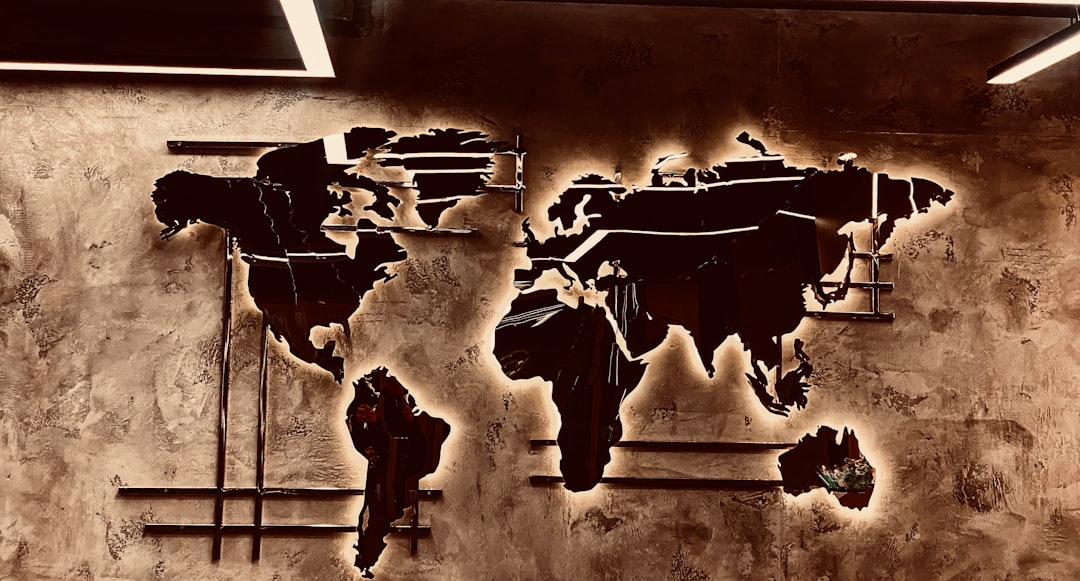
Global trade routes have long served as the arteries of international commerce, facilitating the exchange of goods, services, and ideas across vast distances. These routes, whether traversing land, sea, or air, have evolved over centuries, reflecting the changing dynamics of economies, cultures, and technologies. The significance of these pathways cannot be overstated; they have shaped civilizations, influenced political landscapes, and driven economic growth.
As the world becomes increasingly interconnected, understanding the historical context and contemporary relevance of trade routes is essential for grasping the complexities of global commerce. In today’s world, trade routes are not merely physical pathways; they embody the intricate web of relationships between nations and markets. The rise of globalization has intensified the importance of these routes, as countries seek to capitalize on comparative advantages and access new markets.
The interplay between traditional trade routes and emerging ones highlights the dynamic nature of global commerce, where adaptability and innovation are key to success. As nations navigate this landscape, the implications for economic development, cultural exchange, and geopolitical stability are profound.
Historical Trade Routes and Their Impact on Global Commerce
Historically, trade routes have played a pivotal role in shaping economies and societies. The Silk Road, for instance, was not just a conduit for silk but a vibrant network that facilitated the exchange of spices, precious metals, and ideas between East and West. This ancient route fostered cultural interactions that transcended borders, leading to significant advancements in art, science, and philosophy.
The impact of such trade routes extended beyond mere economic transactions; they were instrumental in the spread of religions and technologies that would shape civilizations for centuries. Similarly, maritime trade routes have been crucial in connecting distant lands. The spice trade in the Indian Ocean exemplifies how sea routes enabled European powers to establish colonies and expand their influence.
The establishment of trade empires by nations such as Portugal and Spain was largely dependent on their ability to navigate these waters effectively. The consequences of these historical trade routes were far-reaching, laying the groundwork for modern economic systems and international relations. They not only facilitated commerce but also contributed to the rise and fall of empires, illustrating the profound interconnectedness of trade and power.
The Importance of Trade Routes in Modern Global Economy
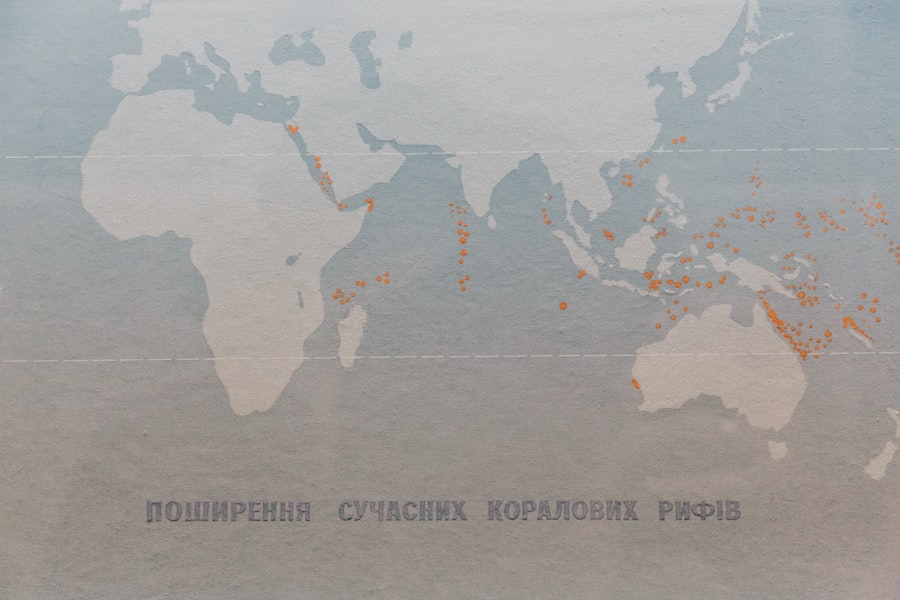
In the contemporary global economy, trade routes remain vital for sustaining economic growth and development. They enable countries to specialize in the production of goods and services where they hold a comparative advantage, thereby enhancing efficiency and productivity. The World Trade Organization (WTO) emphasizes that open trade routes contribute to economic prosperity by allowing nations to access a broader range of products at competitive prices.
This interconnectedness fosters innovation and drives competition, ultimately benefiting consumers worldwide. Moreover, modern trade routes are increasingly influenced by regional agreements and partnerships. Initiatives such as the Belt and Road Initiative (BRI) illustrate how countries are investing in infrastructure to enhance connectivity and facilitate trade.
By improving transportation networks and reducing logistical barriers, nations can tap into new markets and create opportunities for economic collaboration. The importance of these routes extends beyond mere commerce; they are essential for fostering diplomatic relations and promoting stability in an increasingly multipolar world.
The Role of Technology in Shaping New Trade Routes
| Trade Route | Impact of Technology |
|---|---|
| Silk Road | Introduction of e-commerce platforms, digital payments, and efficient logistics systems |
| Transatlantic Trade | Advancements in maritime navigation technology, GPS tracking, and real-time cargo monitoring |
| Panama Canal | Implementation of automated systems for ship navigation and cargo handling, reducing transit time |
| Trans-Pacific Partnership | Integration of digital trade provisions, e-signatures, and data localization regulations |
Technology has revolutionized global trade routes in ways previously unimaginable. The advent of digital platforms has transformed how goods are bought and sold, enabling businesses to reach consumers across the globe with unprecedented ease. E-commerce giants like Amazon and Alibaba have redefined traditional retail models, creating new pathways for trade that bypass conventional distribution channels.
This shift has not only expanded market access for businesses but has also empowered consumers with greater choice and convenience. Furthermore, advancements in logistics technology have streamlined supply chains, making it possible to track shipments in real-time and optimize delivery processes. Innovations such as blockchain technology promise to enhance transparency and security in transactions, reducing fraud and increasing trust among trading partners.
As companies leverage these technological advancements, they are better equipped to navigate the complexities of global trade routes, adapting to changing consumer demands and market conditions with agility.
The Influence of Political and Economic Factors on Global Trade Routes
Political and economic factors play a crucial role in shaping global trade routes. Trade policies, tariffs, and regulations can significantly impact the flow of goods between nations. For instance, protectionist measures can disrupt established trade patterns, leading to increased costs for consumers and businesses alike.
Conversely, free trade agreements can facilitate smoother transactions by reducing barriers and fostering cooperation among nations. Geopolitical tensions also influence trade routes in profound ways. Sanctions imposed on specific countries can alter traditional trading relationships, forcing nations to seek alternative partners or routes.
The ongoing trade disputes between major economies like the United States and China exemplify how political dynamics can reshape global commerce. As countries navigate these challenges, they must remain vigilant about the potential ramifications on their economies and international relations.
Emerging Trade Routes in the 21st Century
The 21st century has witnessed the emergence of new trade routes that reflect shifting economic power dynamics. The Arctic region is becoming increasingly accessible due to climate change, opening up potential shipping lanes that could significantly shorten transit times between Europe and Asia. The Northern Sea Route is gaining attention as an alternative to traditional maritime paths, promising to reshape global shipping patterns.
Additionally, Africa is emerging as a focal point for new trade initiatives. The African Continental Free Trade Area (AfCFTA) aims to create a single market for goods and services across the continent, fostering intra-African trade and investment. This initiative highlights the potential for emerging economies to redefine global trade routes by enhancing regional cooperation and integration.
As these new pathways develop, they will undoubtedly influence global commerce in ways that are yet to be fully realized.
The Impact of Environmental and Climate Factors on Trade Routes
Environmental considerations are increasingly shaping global trade routes as concerns about climate change intensify. Rising sea levels and extreme weather events pose significant risks to traditional shipping lanes, prompting businesses to reassess their logistics strategies. Companies are now prioritizing sustainability in their supply chains, seeking alternative routes that minimize environmental impact while ensuring efficiency.
Moreover, regulatory frameworks aimed at reducing carbon emissions are influencing how goods are transported across borders. The push for greener practices is leading to innovations in transportation methods, such as electric shipping vessels and more efficient logistics systems. As businesses adapt to these environmental challenges, they are not only contributing to sustainability efforts but also positioning themselves competitively in a market that increasingly values eco-friendly practices.
The Challenges and Opportunities of Navigating New Trade Routes
Navigating new trade routes presents both challenges and opportunities for businesses engaged in global commerce. On one hand, emerging pathways may offer faster transit times and reduced costs; on the other hand, they may also introduce uncertainties related to infrastructure development and geopolitical stability. Companies must remain agile in their strategies, continuously assessing risks while capitalizing on new opportunities.
Additionally, adapting to new trade routes requires investment in technology and infrastructure. Businesses must be prepared to innovate their logistics processes to accommodate changing dynamics effectively.
The Role of International Organizations in Facilitating Global Trade Routes
International organizations play a pivotal role in facilitating global trade routes by establishing frameworks that promote cooperation among nations. Institutions such as the World Trade Organization (WTO) provide platforms for dialogue on trade policies, helping countries navigate disputes and negotiate agreements that enhance market access. These organizations work towards creating a level playing field for all participants in global commerce.
Furthermore, regional organizations like the European Union (EU) or the Association of Southeast Asian Nations (ASEAN) foster collaboration among member states to streamline trade processes. By harmonizing regulations and standards, these entities reduce barriers that hinder cross-border commerce. Their efforts contribute significantly to enhancing the efficiency of global trade routes while promoting economic integration among nations.
The Future of Global Trade Routes: Trends and Predictions
Looking ahead, several trends are likely to shape the future of global trade routes. The continued rise of e-commerce will drive demand for efficient logistics solutions that can accommodate rapid delivery times while maintaining cost-effectiveness. As consumer preferences evolve towards instant gratification, businesses will need to adapt their supply chains accordingly.
Additionally, geopolitical shifts may lead to a reconfiguration of traditional trading partnerships as countries seek new alliances in response to changing power dynamics. Emerging markets will likely play an increasingly prominent role in shaping global commerce as they capitalize on their growth potential. As these trends unfold, businesses must remain vigilant about adapting their strategies to navigate an ever-evolving landscape.
Navigating the New World of Global Commerce
In conclusion, global trade routes are integral to understanding the complexities of modern commerce. From their historical roots to contemporary developments shaped by technology and geopolitical factors, these pathways continue to evolve in response to changing dynamics. As nations navigate emerging challenges and opportunities within this landscape, the importance of adaptability cannot be overstated.
The future of global trade routes promises both excitement and uncertainty as businesses strive to remain competitive in an interconnected world. By embracing innovation while fostering collaboration among nations through international organizations, stakeholders can work towards creating a more sustainable and prosperous global economy. Ultimately, navigating this new world of global commerce requires foresight, resilience, and a commitment to embracing change as it unfolds on the horizon.
The evolution of new world trade routes is reshaping global commerce, with significant implications for economic growth and international relations. As countries seek more efficient pathways to transport goods, the strategic importance of certain regions is increasing. An insightful article on this topic can be found on MyGeoQuest, which delves into the emerging trade corridors and their potential impact on global markets. For a deeper understanding, you can read more about these developments by visiting the article on MyGeoQuest’s website.
WATCH THIS! The Arctic Ice Is Melting, And It Will Start World War 3
FAQs
What are the new world trade routes?
The new world trade routes refer to the emerging trade routes and corridors that are being developed to facilitate global trade and commerce.
What are some examples of new world trade routes?
Examples of new world trade routes include the Belt and Road Initiative (BRI) in China, the Northern Sea Route in the Arctic, and the Trans-Pacific Partnership (TPP) among others.
Why are new world trade routes important?
New world trade routes are important as they provide alternative and efficient pathways for global trade, reduce transportation costs, and promote economic development and cooperation among countries.
How do new world trade routes impact global trade?
New world trade routes impact global trade by creating new opportunities for trade and investment, connecting regions and markets, and reshaping the dynamics of international commerce.
What are the challenges associated with new world trade routes?
Challenges associated with new world trade routes include geopolitical tensions, environmental concerns, infrastructure development, and regulatory issues among others.