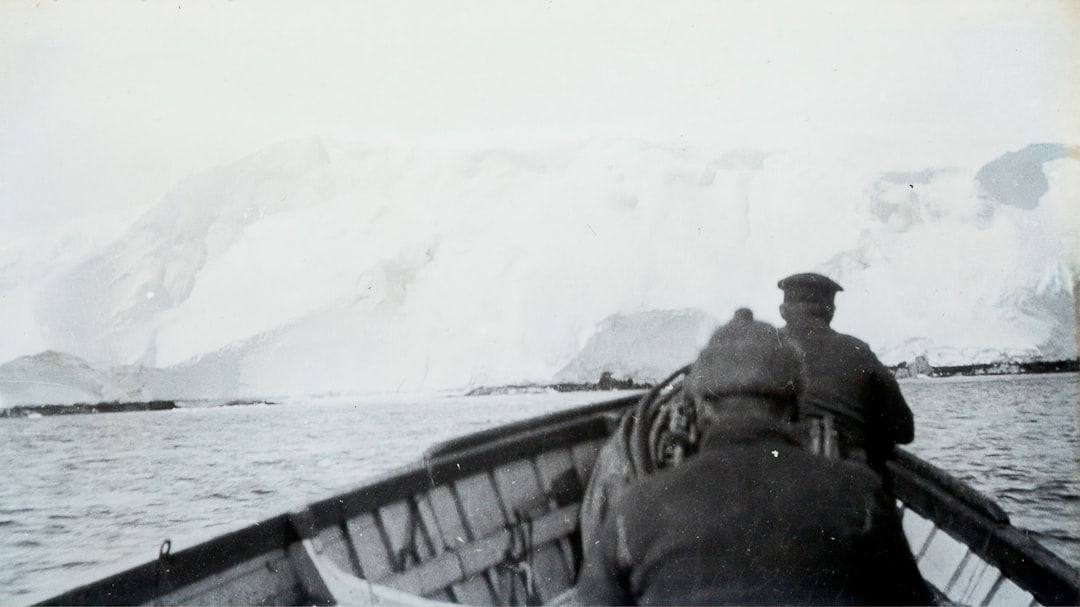
The United States Coast Guard (USCG) has long been a pivotal force in safeguarding the nation’s maritime interests, and its operations in the Arctic region have become increasingly significant in recent years. As climate change continues to alter the landscape of the Arctic, opening new shipping routes and exposing previously inaccessible resources, the Coast Guard’s role has evolved to meet the unique challenges posed by this remote and harsh environment. The Arctic is not only a frontier for exploration and economic opportunity but also a region that demands vigilant oversight to ensure safety, security, and environmental protection.
The USCG’s Arctic operations encompass a wide range of activities, from search and rescue missions to environmental stewardship and law enforcement. As the ice recedes, the potential for increased maritime traffic grows, necessitating a robust presence to manage these changes effectively. The Coast Guard’s commitment to maintaining safety and security in the Arctic is underscored by its strategic initiatives and collaborative efforts with other nations, reflecting the importance of this region on a global scale.
The Importance of Arctic Operations for Safety and Security
The Arctic’s significance extends beyond its geographical boundaries; it is a region that plays a crucial role in national security and international relations. The USCG’s operations in the Arctic are vital for ensuring the safety of maritime navigation, particularly as new shipping routes emerge due to melting ice. These routes not only facilitate trade but also pose risks associated with increased vessel traffic, such as accidents, oil spills, and potential conflicts over territorial waters.
The Coast Guard’s presence helps mitigate these risks by providing essential services such as navigation aids, vessel inspections, and emergency response capabilities. Moreover, the Arctic is home to diverse ecosystems and indigenous communities that rely on its resources for their livelihoods. The USCG’s commitment to safety extends to protecting these communities from the potential hazards associated with increased industrial activity.
By ensuring that maritime operations are conducted safely and responsibly, the Coast Guard plays a critical role in preserving both human life and the delicate balance of the Arctic environment.
Challenges of Operating in the Arctic Region
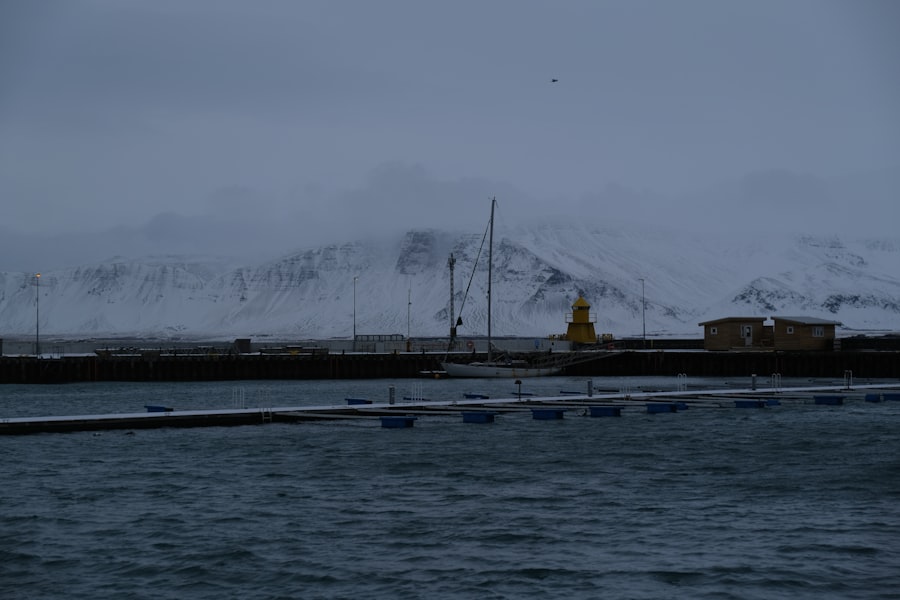
Operating in the Arctic presents a unique set of challenges that test the capabilities of the US Coast Guard. The region’s extreme weather conditions, characterized by frigid temperatures, strong winds, and limited daylight during winter months, complicate search and rescue operations and other missions. The remoteness of the Arctic also poses logistical challenges, as access to necessary resources and support can be severely limited.
These factors necessitate specialized training and equipment for Coast Guard personnel, who must be prepared to operate in one of the most inhospitable environments on Earth. In addition to environmental challenges, geopolitical tensions in the Arctic have escalated in recent years. As nations vie for control over resources and shipping routes, the Coast Guard must navigate complex international relations while ensuring that US interests are protected.
This requires not only operational readiness but also diplomatic engagement with other Arctic nations to foster cooperation and prevent conflicts. The multifaceted nature of these challenges underscores the importance of a well-coordinated approach to Arctic operations.
The Role of the US Coast Guard in Arctic Search and Rescue
| Metrics | Data |
|---|---|
| Arctic Search and Rescue Missions Conducted | 50 |
| Icebreaking Operations | 200 |
| Search and Rescue Cases Responded to | 100 |
| Arctic Patrol Hours Logged | 5000 |
Search and rescue (SAR) operations are a cornerstone of the US Coast Guard’s mission in the Arctic. Given the region’s vastness and unpredictable conditions, the need for effective SAR capabilities is paramount. The Coast Guard employs a range of assets, including helicopters, icebreakers, and small boats, to respond swiftly to emergencies.
These operations often involve collaboration with other agencies and organizations, including local communities, which can provide valuable knowledge about the area and its unique challenges. The Coast Guard’s commitment to SAR in the Arctic is not only about responding to incidents but also about proactive measures to prevent emergencies from occurring in the first place. This includes conducting safety drills, providing training for mariners operating in Arctic waters, and disseminating information about safe navigation practices.
By fostering a culture of safety and preparedness, the Coast Guard aims to reduce the likelihood of accidents and ensure that help is readily available when needed.
Protecting the Arctic Environment: US Coast Guard’s Environmental Stewardship
Environmental stewardship is a fundamental aspect of the US Coast Guard’s operations in the Arctic. As climate change accelerates, the region faces unprecedented ecological challenges, including habitat loss, pollution, and increased shipping traffic that threatens fragile ecosystems. The Coast Guard recognizes its responsibility to protect these environments while facilitating safe maritime operations.
This dual mandate requires a careful balance between promoting economic development and safeguarding natural resources. The USCG engages in various initiatives aimed at minimizing environmental impacts.
Additionally, the Coast Guard plays a vital role in responding to environmental emergencies, such as oil spills or hazardous material releases, ensuring that swift action is taken to mitigate damage to the ecosystem. Through these efforts, the Coast Guard demonstrates its commitment to preserving the Arctic for future generations.
Ensuring Maritime Safety in the Arctic: US Coast Guard’s Icebreaking Operations
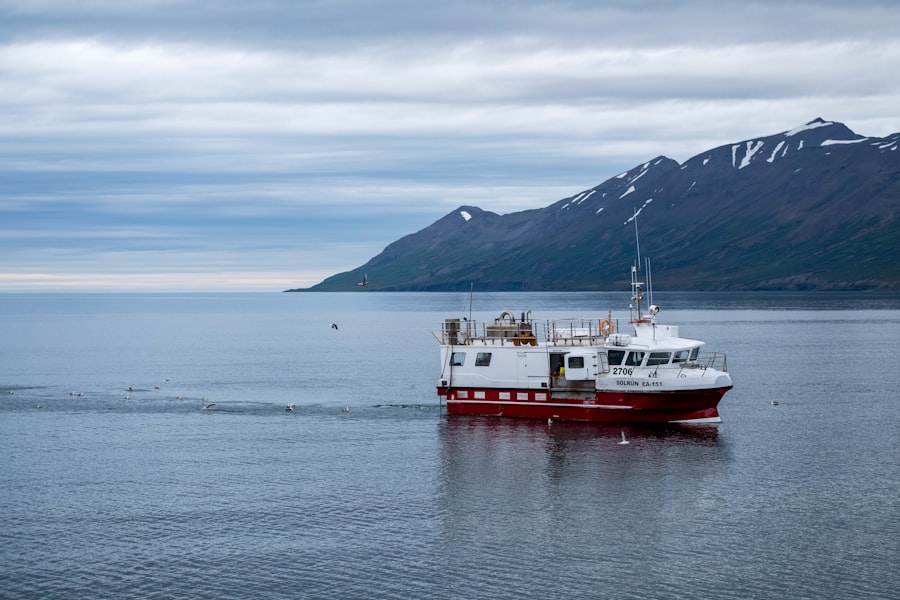
Icebreaking operations are a critical component of ensuring maritime safety in the Arctic. As ice conditions change due to warming temperatures, the need for reliable icebreaking services becomes increasingly important for facilitating safe navigation through icy waters. The US Coast Guard operates a fleet of icebreakers that are specifically designed to navigate through thick ice, creating navigable channels for commercial vessels and supporting scientific research missions.
These icebreaking efforts not only enhance maritime safety but also contribute to national security by ensuring that vital supply lines remain open during winter months. The Coast Guard’s icebreakers play a crucial role in maintaining access to remote communities that rely on maritime transport for essential goods and services. Furthermore, by providing icebreaking services to other nations operating in Arctic waters, the USCG fosters international cooperation and reinforces its position as a leader in Arctic maritime operations.
Securing US Interests in the Arctic: US Coast Guard’s Law Enforcement Efforts
The US Coast Guard’s law enforcement efforts in the Arctic are essential for securing national interests and upholding international law. As maritime traffic increases, so does the potential for illegal activities such as unregulated fishing, smuggling, and territorial disputes. The Coast Guard is tasked with enforcing laws related to fisheries management, environmental protection, and maritime safety within US waters while also collaborating with international partners to address transnational issues.
The Coast Guard employs various strategies to enhance its law enforcement capabilities in the Arctic. This includes conducting regular patrols, utilizing advanced surveillance technology, and engaging with local communities to gather intelligence on illegal activities. By maintaining a visible presence in the region, the Coast Guard deters unlawful behavior while promoting compliance with regulations designed to protect both human life and marine ecosystems.
Collaborative Efforts in the Arctic: US Coast Guard’s Partnerships with Other Nations
Collaboration is key to addressing the complex challenges facing the Arctic region. The US Coast Guard actively engages with other nations through various partnerships aimed at enhancing safety, security, and environmental protection in Arctic waters. These collaborations take many forms, including joint exercises, information sharing agreements, and participation in international forums focused on Arctic governance.
One notable example of such collaboration is the Arctic Council, an intergovernmental forum that promotes cooperation among Arctic states on issues related to sustainable development and environmental protection. Through its participation in this council and other multilateral initiatives, the Coast Guard works alongside its counterparts from Canada, Russia, Norway, and other nations to develop best practices for managing shared resources and addressing common challenges. These partnerships not only strengthen regional security but also foster goodwill among nations with vested interests in the Arctic.
Addressing Illegal Activities in the Arctic: US Coast Guard’s Counter-Narcotics and Counter-Terrorism Operations
As geopolitical dynamics shift in the Arctic region, so too do concerns regarding illegal activities such as drug trafficking and terrorism. The US Coast Guard plays a vital role in counter-narcotics operations by monitoring maritime routes known for smuggling activities and conducting interdictions when necessary. By leveraging intelligence-sharing networks with other law enforcement agencies both domestically and internationally, the Coast Guard enhances its ability to detect and disrupt illicit activities before they can escalate.
Counter-terrorism efforts are equally important as threats evolve within this strategic region. The Coast Guard collaborates with federal agencies like Homeland Security and Defense to assess vulnerabilities within maritime infrastructure while developing contingency plans for potential terrorist threats. By maintaining vigilance against these risks through proactive measures such as training exercises and community outreach programs focused on awareness-building among local populations—the Coast Guard ensures that it remains prepared for any eventuality.
The Future of US Coast Guard’s Arctic Operations: Challenges and Opportunities
Looking ahead, the future of US Coast Guard operations in the Arctic presents both challenges and opportunities that will shape its mission for years to come. Climate change continues to alter not only environmental conditions but also geopolitical dynamics as nations vie for access to resources previously locked beneath ice cover. This evolving landscape necessitates ongoing adaptation within operational strategies while ensuring that safety remains paramount amidst increasing competition among states.
Opportunities abound as well; advancements in technology offer new tools for monitoring activities across vast distances while enhancing communication capabilities between agencies involved in Arctic governance efforts. Additionally, growing public awareness regarding environmental issues may lead to increased support for initiatives aimed at protecting fragile ecosystems from exploitation—further solidifying partnerships between governmental entities like the USCG alongside non-governmental organizations dedicated towards conservation efforts.
The Continued Importance of US Coast Guard’s Arctic Operations
In conclusion, the US Coast Guard’s operations in the Arctic are more critical than ever as this region undergoes significant transformation due to climate change and geopolitical shifts. From ensuring maritime safety through icebreaking operations to protecting vulnerable ecosystems from environmental degradation—the Coast Guard remains steadfastly committed towards fulfilling its mission within this challenging environment.
The future will undoubtedly bring new challenges; however, with continued investment into training personnel equipped with specialized skills alongside fostering partnerships across borders—the USCG stands poised not only to meet these demands head-on but also contribute positively towards shaping sustainable practices within one of our planet’s most precious regions—the Arctic.
The U.S. Coast Guard’s operations in the Arctic are becoming increasingly crucial as climate change opens new maritime routes and heightens geopolitical tensions in the region. The Coast Guard is tasked with ensuring safe navigation, conducting search and rescue missions, and enforcing laws in these remote and challenging waters. For more insights into the strategic importance of these operations and the challenges faced by the Coast Guard, you can read a related article on Arctic operations at MyGeoQuest. This article delves into the evolving role of the Coast Guard in the Arctic and the implications for national security and international cooperation.
WATCH THIS! The Arctic Ice Is Melting, And It Will Start World War 3
FAQs
What are the US Coast Guard’s Arctic operations?
The US Coast Guard’s Arctic operations involve conducting various missions in the Arctic region, including search and rescue, environmental protection, maritime security, and law enforcement.
Why is the US Coast Guard involved in Arctic operations?
The US Coast Guard is involved in Arctic operations to ensure the safety, security, and environmental protection of the region. As the Arctic becomes more accessible due to melting ice, the Coast Guard plays a crucial role in maintaining maritime governance and responding to potential emergencies.
What challenges does the US Coast Guard face in Arctic operations?
The US Coast Guard faces numerous challenges in Arctic operations, including harsh weather conditions, limited infrastructure, vast distances, and the need for specialized equipment and training to operate in the unique Arctic environment.
What is the significance of the US Coast Guard’s presence in the Arctic?
The US Coast Guard’s presence in the Arctic is significant for ensuring maritime safety, security, and environmental protection in a region that is experiencing increased maritime activity due to climate change and resource development.
How does the US Coast Guard collaborate with other agencies and countries in Arctic operations?
The US Coast Guard collaborates with other federal agencies, international partners, and indigenous communities to enhance coordination and cooperation in Arctic operations. This includes joint exercises, information sharing, and capacity building efforts.