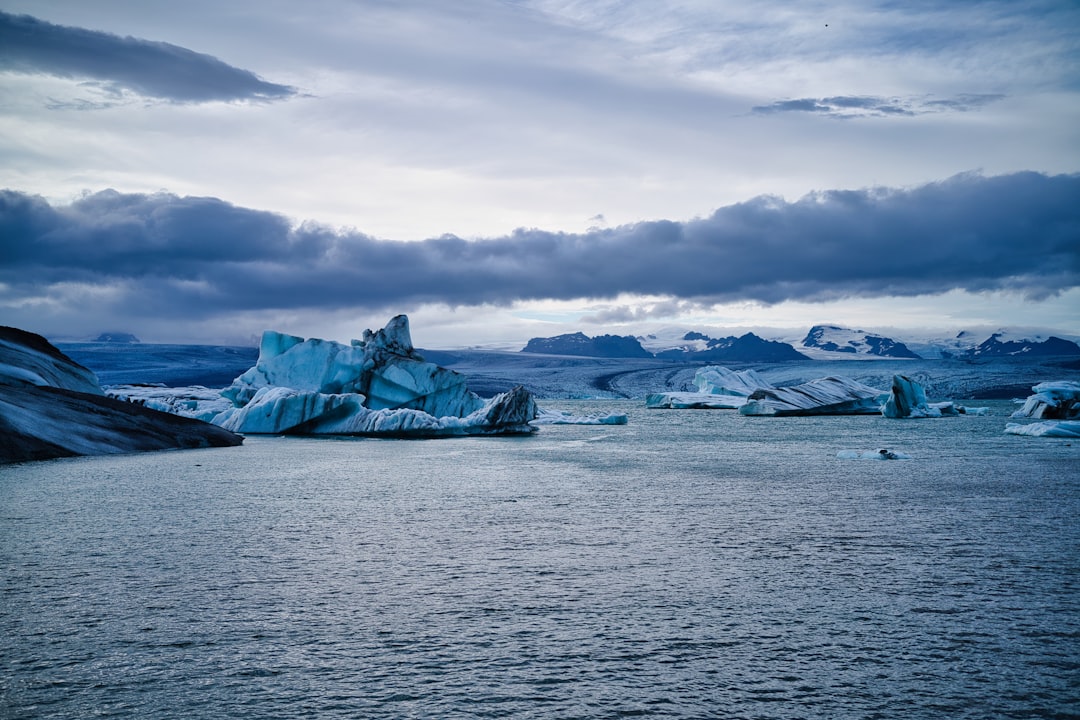
Arctic security has emerged as a critical area of concern in recent years, driven by a confluence of geopolitical, environmental, and economic factors. As climate change continues to alter the landscape of the Arctic, previously inaccessible regions are becoming open to exploration and exploitation. This shift has not only heightened the interest of Arctic nations but has also attracted the attention of non-Arctic states, leading to a complex web of interests and potential conflicts.
The Arctic, once viewed as a remote and inhospitable region, is now at the forefront of international relations, with nations vying for influence and control over its vast resources and strategic waterways. The significance of Arctic security extends beyond mere territorial claims; it encompasses issues of environmental protection, indigenous rights, and global economic stability. As nations navigate the delicate balance between asserting sovereignty and fostering cooperation, the Arctic stands as a litmus test for international diplomacy in an era marked by rising nationalism and competition.
Understanding the multifaceted nature of Arctic security is essential for policymakers and stakeholders who seek to address the challenges and opportunities that lie ahead.
The Importance of Balancing Sovereignty and Cooperation
In the Arctic, the tension between national sovereignty and international cooperation is particularly pronounced. Arctic states, including Canada, Russia, Norway, Denmark, and the United States, have legitimate claims to vast areas of land and sea. However, the region’s unique geopolitical landscape necessitates a collaborative approach to ensure stability and security.
The potential for resource extraction, shipping routes, and scientific research creates a compelling case for cooperation among nations, even as they assert their territorial rights. Balancing sovereignty with cooperation is crucial for several reasons. First, the Arctic is home to fragile ecosystems that require collective efforts to protect.
Environmental degradation resulting from unregulated resource extraction or increased shipping traffic poses significant risks not only to local wildlife but also to global climate patterns. Second, cooperation fosters trust among nations, reducing the likelihood of conflict over disputed territories. By engaging in dialogue and joint initiatives, Arctic states can work towards shared goals that benefit all parties involved while respecting each nation’s sovereignty.
Historical Context of Arctic Security Challenges
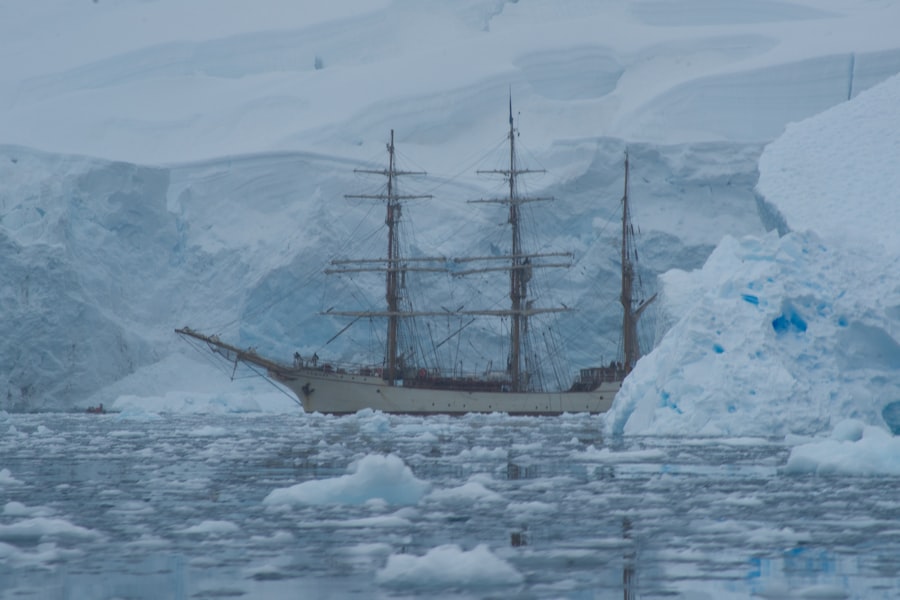
The historical context of Arctic security challenges is rooted in centuries of exploration and territorial claims. The early 20th century saw various nations laying claim to parts of the Arctic, often without regard for indigenous populations or environmental considerations. The Cold War further complicated matters, as military posturing and espionage became prevalent in the region.
The Arctic was viewed as a strategic battleground between superpowers, with both the United States and the Soviet Union establishing military bases and conducting surveillance operations. In the post-Cold War era, there was a brief period of optimism regarding Arctic cooperation. The establishment of the Arctic Council in 1996 marked a significant step towards collaborative governance among Arctic states.
However, as global warming accelerated and new shipping routes emerged, old rivalries resurfaced. The historical legacy of territorial disputes and military competition continues to shape contemporary security dynamics in the Arctic, making it imperative for nations to learn from past mistakes while navigating current challenges.
Current Geopolitical Tensions in the Arctic
| Country | Geopolitical Tensions | Current Status |
|---|---|---|
| United States | Increasing military presence | Ongoing |
| Russia | Claiming territorial rights | Ongoing |
| Canada | Asserting sovereignty | Ongoing |
| Norway | Expanding military capabilities | Ongoing |
| Denmark | Asserting territorial claims | Ongoing |
Today, geopolitical tensions in the Arctic are palpable as nations assert their claims over maritime boundaries and resources. Russia has been particularly aggressive in expanding its military presence in the region, conducting large-scale exercises and reopening Soviet-era bases. This resurgence has raised alarms among NATO members, prompting increased military readiness and joint exercises among Western allies.
The United States has also ramped up its focus on Arctic security, emphasizing the need to counter Russian influence while ensuring freedom of navigation in international waters. China’s growing interest in the Arctic adds another layer of complexity to the geopolitical landscape. As a non-Arctic state with ambitions to become a “near-Arctic” power, China has invested heavily in infrastructure projects and research initiatives in the region.
This has led to concerns among Arctic nations about potential encroachments on their sovereignty and the implications for regional security. The interplay between these competing interests underscores the need for diplomatic engagement and conflict resolution mechanisms to address emerging tensions.
Environmental and Economic Concerns in the Arctic
The Arctic is not only a geopolitical hotspot but also a region facing significant environmental challenges. Climate change has led to unprecedented melting of sea ice, altering ecosystems and threatening biodiversity. The opening of new shipping routes presents both opportunities for economic development and risks of environmental degradation.
Increased maritime traffic raises concerns about oil spills, pollution, and disturbances to marine life, necessitating robust regulatory frameworks to safeguard the fragile environment.
As nations seek to capitalize on these resources, they must grapple with the environmental implications of extraction activities.
Sustainable development practices are essential to ensure that economic growth does not come at the expense of ecological integrity. Balancing economic interests with environmental stewardship will be a defining challenge for Arctic stakeholders in the coming years.
Military Presence and Strategies in the Arctic
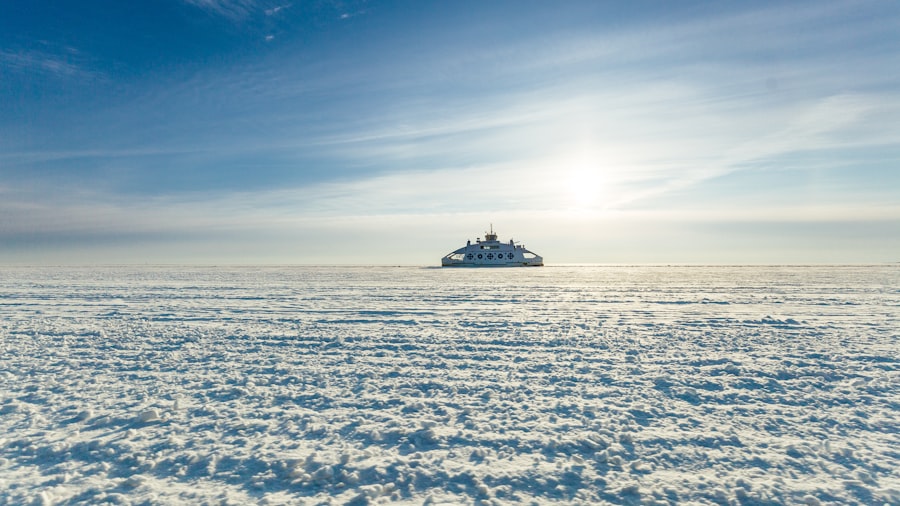
The military presence in the Arctic has intensified as nations seek to assert their claims and protect their interests. Russia’s military buildup has been particularly notable, with investments in icebreakers, naval assets, and air defense systems aimed at securing its northern borders. This militarization has prompted responses from other Arctic states, leading to an arms race that raises concerns about regional stability.
Military strategies in the Arctic are evolving in response to changing dynamics. Nations are increasingly focusing on enhancing their capabilities for search and rescue operations, disaster response, and environmental protection. Collaborative initiatives among Arctic states can help mitigate tensions while addressing shared security challenges.
However, the potential for miscalculations or misunderstandings remains high, underscoring the need for clear communication channels and confidence-building measures.
International Agreements and Treaties in the Arctic
International agreements play a crucial role in shaping Arctic governance and security. The United Nations Convention on the Law of the Sea (UNCLOS) provides a legal framework for maritime boundaries and resource management in the region. Additionally, agreements such as the Ilulissat Declaration emphasize the importance of peaceful resolution of disputes among Arctic states.
Despite these frameworks, challenges remain in enforcing compliance and addressing emerging issues such as climate change and non-state actors’ activities. Strengthening existing treaties and fostering new agreements will be essential for ensuring that all stakeholders adhere to shared principles of cooperation and sustainability in the Arctic.
Indigenous Rights and Involvement in Arctic Security
Indigenous communities have long inhabited the Arctic region, possessing invaluable knowledge about its ecosystems and sustainable practices. Their involvement in discussions surrounding Arctic security is vital for ensuring that their rights are respected and their voices are heard. Indigenous peoples often bear the brunt of environmental changes and resource exploitation, making their perspectives essential in shaping policies that affect their livelihoods.
Recognizing indigenous rights within the context of Arctic security can foster more inclusive governance structures that prioritize sustainability and cultural preservation. Collaborative efforts between indigenous communities and state actors can lead to innovative solutions that address both security concerns and environmental stewardship while respecting traditional knowledge systems.
Role of Non-Arctic States in Arctic Security
Non-Arctic states have increasingly sought to engage in Arctic affairs, driven by interests in trade routes, resource access, and scientific research. Countries like China, Japan, and South Korea have expressed ambitions to participate in Arctic governance discussions despite not having territorial claims in the region. This involvement raises questions about how non-Arctic states can contribute positively to regional security while respecting the rights of Arctic nations.
The participation of non-Arctic states can bring additional resources and expertise to address pressing challenges such as climate change adaptation and search-and-rescue operations. However, it also necessitates careful management to prevent tensions from escalating over competing interests. Establishing clear guidelines for non-Arctic engagement can help ensure that their involvement complements rather than undermines existing frameworks for cooperation.
Strategies for Balancing Sovereignty and Cooperation
To effectively balance sovereignty with cooperation in the Arctic, stakeholders must adopt multifaceted strategies that prioritize dialogue and collaboration. Establishing regular forums for communication among Arctic states can facilitate trust-building measures while addressing shared concerns such as environmental protection and resource management. Joint initiatives focused on scientific research can also foster collaboration while enhancing understanding of complex issues facing the region.
Moreover, integrating indigenous perspectives into decision-making processes can enrich discussions around sovereignty and cooperation. By recognizing indigenous rights as fundamental components of governance frameworks, stakeholders can create more equitable solutions that respect both territorial claims and cultural heritage.
Future Prospects for Arctic Security
The future prospects for Arctic security hinge on how effectively nations navigate the intricate balance between asserting sovereignty and fostering cooperation. As climate change continues to reshape the region’s landscape, opportunities for collaboration may arise alongside challenges related to competition over resources. The ability of Arctic states to engage constructively with one another while addressing external pressures from non-Arctic actors will be crucial in determining regional stability.
Ultimately, fostering a culture of cooperation rooted in mutual respect will be essential for ensuring a secure future for the Arctic. By prioritizing sustainable development practices, respecting indigenous rights, and strengthening international agreements, stakeholders can work towards a vision of an Arctic characterized by peace, stability, and shared prosperity for generations to come.
In recent years, the Arctic region has become a focal point for international security discussions due to its strategic importance and the impacts of climate change. The melting ice is opening new shipping routes and access to untapped natural resources, which has led to increased geopolitical interest and potential conflicts among Arctic and non-Arctic nations. An insightful article that delves into these Arctic security challenges can be found on MyGeoQuest. It provides a comprehensive analysis of the geopolitical dynamics and the environmental factors influencing the region. For more detailed information, you can read the article on Arctic security challenges by visiting this link.
WATCH THIS! The Arctic Ice Is Melting, And It Will Start World War 3
FAQs
What are the main security challenges in the Arctic region?
The main security challenges in the Arctic region include territorial disputes, resource competition, environmental concerns, and the potential for increased military activity.
What are the territorial disputes in the Arctic region?
Territorial disputes in the Arctic region primarily involve claims to the continental shelf and exclusive economic zones, particularly between Russia, Canada, Denmark (via Greenland), Norway, and the United States.
What are the environmental concerns in the Arctic region?
Environmental concerns in the Arctic region include the impact of climate change, melting sea ice, and the potential for increased shipping and resource extraction to disrupt fragile ecosystems.
How does resource competition contribute to security challenges in the Arctic region?
Resource competition in the Arctic region, particularly for oil, gas, and minerals, can lead to increased geopolitical tensions and potential conflicts over access and control of these valuable resources.
What is the role of military activity in Arctic security challenges?
The Arctic region has seen an increase in military activity, including the presence of Russian military forces, as countries seek to assert their sovereignty and protect their interests in the region. This has the potential to escalate tensions and contribute to security challenges.