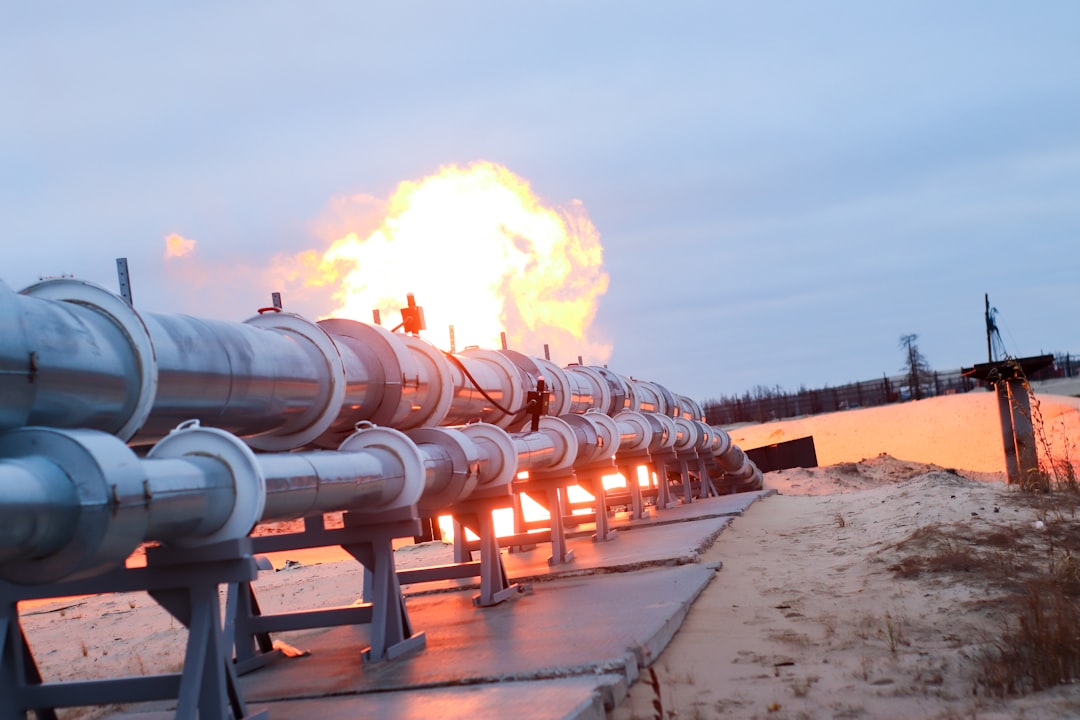
The Middle East has long been a focal point of geopolitical tensions, shaped by a complex interplay of historical, cultural, and economic factors. This region, rich in natural resources, particularly oil, has attracted the attention of global powers, leading to a myriad of conflicts and diplomatic challenges. Geopolitical risks in the Middle East are not merely local issues; they reverberate across the globe, influencing international relations, economic stability, and energy security.
The intricate web of alliances and rivalries among nations in this region creates a volatile environment where political decisions can have far-reaching consequences. Understanding the nature of these geopolitical risks is essential for stakeholders in the oil industry and beyond. The dynamics of power, territorial disputes, and sectarian divides contribute to an atmosphere of uncertainty that can disrupt oil production and distribution.
As countries navigate their interests in the region, the potential for conflict remains high, making it imperative for businesses and governments to develop strategies to mitigate these risks. The following sections will delve deeper into the significance of Middle Eastern oil in global energy markets, historical precedents of geopolitical disruptions, current challenges, and future implications for both oil production and the transition to renewable energy.
Key Takeaways
- Geopolitical risks in the Middle East have significant implications for global energy markets and political stability.
- Middle East oil plays a crucial role in meeting global energy demand and any disruptions can have far-reaching consequences.
- Historical examples such as the Arab-Israeli conflicts and the Iranian Revolution highlight the vulnerability of Middle East oil to geopolitical risks.
- Current geopolitical risks in the Middle East include regional conflicts, sanctions, and political instability, which can impact oil production and supply.
- Geopolitical risks in the Middle East can lead to price volatility and supply disruptions in the global oil market, affecting both producers and consumers.
Importance of Middle East Oil in Global Energy Markets
The Middle East is often referred to as the “oil reservoir” of the world, accounting for a significant portion of global oil reserves. Countries such as Saudi Arabia, Iraq, and Iran are among the top producers, making their output crucial for meeting global energy demands. The region’s oil is not only vital for fueling economies but also plays a pivotal role in shaping international trade dynamics.
The reliance on Middle Eastern oil has created a complex interdependence between oil-producing nations and consumer countries, particularly those in the West. The strategic importance of Middle Eastern oil extends beyond mere supply; it influences geopolitical alliances and economic policies worldwide. For instance, fluctuations in oil prices can have cascading effects on global markets, impacting everything from inflation rates to currency values.
As nations strive for energy security, their foreign policies often reflect a desire to maintain stable access to Middle Eastern oil. This interconnection underscores the need for a nuanced understanding of how geopolitical risks can disrupt this delicate balance and affect global energy stability.
Historical Examples of Geopolitical Risks Impacting Middle East Oil
Throughout history, the Middle East has witnessed numerous instances where geopolitical risks have significantly impacted oil production and prices. One notable example is the 1973 Oil Crisis, which was triggered by an Arab oil embargo in response to Western support for Israel during the Yom Kippur War. This event not only led to skyrocketing oil prices but also prompted countries around the world to reconsider their energy policies and seek alternative sources of fuel.
The crisis highlighted how political decisions could directly influence global energy markets and consumer behavior. Another significant historical event was the Gulf War in 1990-1991, which arose from Iraq’s invasion of Kuwait. The conflict led to a temporary disruption in oil supplies from the region, causing prices to surge and prompting military intervention by a coalition of nations led by the United States.
This war underscored the vulnerability of oil supplies to geopolitical tensions and demonstrated how military actions could reshape energy landscapes. Such historical precedents serve as reminders of the fragility of stability in the Middle East and the potential for geopolitical risks to disrupt global oil markets.
Current Geopolitical Risks in the Middle East
| Country | Geopolitical Risk | Impact |
|---|---|---|
| Iran | Nuclear ambitions | Potential for regional conflict |
| Syria | Civil war | Humanitarian crisis |
| Israel | Conflict with Palestine | Security concerns |
| Saudi Arabia | Yemen conflict | Proxy war with Iran |
In contemporary times, the geopolitical landscape of the Middle East remains fraught with challenges that threaten oil production and distribution. Ongoing conflicts in Syria and Yemen, coupled with tensions between Iran and its regional adversaries, create an environment ripe for instability. The rise of non-state actors and extremist groups further complicates the situation, as they often exploit existing grievances to undermine state authority and disrupt economic activities.
Additionally, U.S.-Iran relations have been particularly volatile since the withdrawal from the Joint Comprehensive Plan of Action (JCPOA) in 2018. Sanctions imposed on Iran have not only affected its oil exports but have also led to increased tensions in the Strait of Hormuz, a critical chokepoint for global oil shipments. The potential for military confrontations or miscalculations in this strategically vital area poses significant risks to both regional stability and global energy security.
Impact of Geopolitical Risks on Middle East Oil Prices
Geopolitical risks have a direct correlation with fluctuations in oil prices, often leading to volatility that can disrupt markets worldwide. When tensions escalate or conflicts arise in the Middle East, traders react swiftly, causing prices to spike as fears of supply disruptions mount. For instance, during periods of heightened conflict or uncertainty, such as military escalations or diplomatic crises, oil prices can experience sharp increases as market participants seek to hedge against potential shortages.
Conversely, when tensions ease or diplomatic resolutions are reached, prices may stabilize or even decline as confidence returns to the market. However, this volatility can create challenges for both producers and consumers alike. Oil-dependent economies may struggle with budgetary constraints during price downturns, while consumers face rising costs at the pump during periods of instability.
The cyclical nature of these price fluctuations underscores the importance of understanding geopolitical risks as integral components of market dynamics.
Strategies for Mitigating Geopolitical Risks in the Middle East
To navigate the complexities of geopolitical risks in the Middle East, stakeholders must adopt comprehensive strategies aimed at mitigating potential disruptions. One approach involves diversifying supply sources to reduce dependence on any single region or country. By investing in alternative energy sources or exploring new partnerships with emerging producers outside the Middle East, countries can enhance their energy security and minimize vulnerability to regional conflicts.
Additionally, fostering diplomatic relations and engaging in multilateral dialogues can help address underlying tensions that contribute to instability. Collaborative efforts among nations can lead to conflict resolution mechanisms that prioritize dialogue over military action. Furthermore, investing in technology and infrastructure improvements can enhance resilience within the oil supply chain, allowing for quicker responses to disruptions caused by geopolitical events.
Role of Major Players in Managing Geopolitical Risks in the Middle East
Major players on the global stage play a crucial role in managing geopolitical risks associated with Middle Eastern oil production. Countries such as the United States, Russia, and China have vested interests in maintaining stability within the region due to their reliance on oil imports. Their foreign policies often reflect a delicate balance between supporting allies and addressing regional conflicts that could disrupt oil supplies.
International organizations like OPEC also play a significant role in stabilizing oil markets by coordinating production levels among member states. By managing output collectively, OPEC aims to mitigate price volatility caused by geopolitical tensions. However, internal disagreements among member states can complicate these efforts, highlighting the challenges inherent in managing geopolitical risks within a diverse group of nations with varying interests.
Geopolitical Risks and the Future of Middle East Oil Production
Looking ahead, geopolitical risks will continue to shape the future of oil production in the Middle East. As countries grapple with internal strife and external pressures, their ability to maintain stable production levels will be tested. The ongoing transition toward renewable energy sources may also alter traditional power dynamics within the region as nations seek to diversify their economies away from fossil fuels.
However, despite these shifts, oil will remain a critical component of global energy systems for years to come. The demand for oil is expected to persist even as renewable technologies advance, particularly in developing economies where energy needs continue to grow. Therefore, understanding how geopolitical risks will influence production decisions and investment strategies will be essential for stakeholders navigating this evolving landscape.
Geopolitical Risks and the Transition to Renewable Energy in the Middle East
The transition to renewable energy presents both opportunities and challenges concerning geopolitical risks in the Middle East. On one hand, investing in renewable technologies can reduce dependence on fossil fuels and enhance energy security for nations historically reliant on oil exports. Countries like Saudi Arabia are already taking steps toward diversifying their energy portfolios through initiatives such as Vision 2030, which aims to develop renewable energy sources alongside traditional hydrocarbons.
On the other hand, this transition may also exacerbate existing geopolitical tensions as nations compete for leadership roles in emerging energy markets. As countries pivot toward renewables, those heavily invested in fossil fuels may resist changes that threaten their economic interests. This dynamic could lead to increased competition over resources such as lithium or cobalt—essential components for renewable technologies—potentially creating new geopolitical flashpoints.
Geopolitical Risks and the Influence of Middle East Oil on Global Politics
The influence of Middle Eastern oil extends beyond economic considerations; it significantly shapes global politics as well. Nations that rely heavily on oil imports often find themselves entangled in complex diplomatic relationships with producing countries. This interdependence can lead to strategic alliances but may also result in compromises that prioritize access to resources over human rights or environmental concerns.
The pursuit of energy security often drives foreign policy decisions that may not align with broader humanitarian goals or ethical considerations. As such, understanding how these dynamics play out is crucial for policymakers seeking to navigate an increasingly interconnected world.
Conclusion and Recommendations for Managing Geopolitical Risks in the Middle East Oil Industry
In conclusion, geopolitical risks remain a defining feature of the Middle Eastern oil landscape, influencing everything from production levels to global market stability. As historical examples demonstrate, these risks can lead to significant disruptions that reverberate across borders and impact economies worldwide. To effectively manage these challenges, stakeholders must adopt proactive strategies that prioritize diversification, diplomacy, and technological innovation.
Investing in alternative energy sources while fostering collaborative relationships among nations will be essential for enhancing resilience against geopolitical uncertainties. Additionally, engaging with international organizations like OPEC can help stabilize markets amid fluctuating conditions. By recognizing the intricate connections between geopolitics and energy production, stakeholders can better navigate this complex landscape and work toward a more secure future for both oil markets and global energy systems at large.
The Middle East has long been a focal point of geopolitical tensions, primarily due to its vast oil reserves, which are crucial to the global energy supply. These geopolitical risks can lead to fluctuations in oil prices and impact global markets. For a deeper understanding of how these dynamics play out, you can explore a related article on MyGeoQuest, which delves into the intricacies of Middle Eastern geopolitics and its implications for the oil industry. This resource provides valuable insights into the ongoing challenges and potential future scenarios in this volatile region.
WATCH THIS! One Narrow Strait Holds Global Economy Hostage
FAQs
What are geopolitical risks in the Middle East oil industry?
Geopolitical risks in the Middle East oil industry refer to the potential for political instability, conflict, and tensions in the region to disrupt oil production, transportation, and supply.
What are some examples of geopolitical risks in the Middle East oil industry?
Examples of geopolitical risks in the Middle East oil industry include regional conflicts, sanctions, political unrest, terrorism, and geopolitical tensions between countries in the region.
How do geopolitical risks in the Middle East oil industry impact global oil markets?
Geopolitical risks in the Middle East oil industry can lead to supply disruptions, which can cause fluctuations in global oil prices and impact the stability of oil markets worldwide.
Which countries in the Middle East are most affected by geopolitical risks in the oil industry?
Countries such as Saudi Arabia, Iran, Iraq, and Kuwait are among the most affected by geopolitical risks in the Middle East oil industry due to their significant oil production and export capabilities.
What measures are in place to mitigate geopolitical risks in the Middle East oil industry?
Measures to mitigate geopolitical risks in the Middle East oil industry include diplomatic efforts to resolve conflicts, diversification of oil supply sources, and investment in alternative energy sources. Additionally, some countries maintain strategic oil reserves to cushion against supply disruptions.