
The Saudi Arabia Oil Bypass Pipeline, often referred to as the East-West Pipeline, represents a significant advancement in the Kingdom’s oil transportation infrastructure. This pipeline was constructed to facilitate the movement of crude oil from the eastern oil fields to the Red Sea, thereby bypassing the strategic Strait of Hormuz. The Strait is a critical chokepoint for global oil shipments, and any disruption in this area can have far-reaching consequences for international oil markets.
By providing an alternative route, the Oil Bypass Pipeline enhances Saudi Arabia’s ability to export oil while mitigating risks associated with geopolitical tensions in the region. The construction of this pipeline is not merely a logistical improvement; it is a strategic maneuver that underscores Saudi Arabia’s commitment to maintaining its position as a leading oil exporter. The pipeline’s development reflects the Kingdom’s recognition of the vulnerabilities inherent in relying on a single route for oil transportation.
As global energy demands continue to evolve, the Oil Bypass Pipeline stands as a testament to Saudi Arabia’s proactive approach in securing its energy interests and ensuring a stable supply of oil to international markets.
Key Takeaways
- The Saudi Arabia’s Oil Bypass Pipeline aims to provide an alternative route for oil exports, bypassing the Strait of Hormuz.
- The capacity of the Oil Bypass Pipeline is expected to be significant, potentially reducing Saudi Arabia’s reliance on the Strait of Hormuz for oil exports.
- The Oil Bypass Pipeline could have significant implications for global oil markets, potentially reducing the risk of disruptions in the supply of oil.
- Saudi Arabia’s Oil Export Strategy may be impacted by the Oil Bypass Pipeline, allowing for more flexibility and security in oil exports.
- The Oil Bypass Pipeline could have potential political and geopolitical ramifications, impacting regional dynamics and alliances.
The Capacity of the Oil Bypass Pipeline
The Oil Bypass Pipeline boasts an impressive capacity, designed to transport millions of barrels of crude oil daily. Specifically, it has the capability to move approximately 5 million barrels per day (bpd), which significantly enhances Saudi Arabia’s export potential. This capacity allows the Kingdom to respond swiftly to fluctuations in global oil demand, ensuring that it can meet both short-term and long-term market needs.
The pipeline’s design incorporates advanced technology that not only facilitates efficient transportation but also ensures the safety and integrity of the crude oil being transported. Moreover, the pipeline’s capacity is particularly crucial in times of geopolitical uncertainty. With tensions often flaring in the Middle East, having a reliable and robust infrastructure for oil transport allows Saudi Arabia to maintain its export levels even when traditional routes are compromised.
This capability not only strengthens the Kingdom’s economic position but also reinforces its role as a stabilizing force in global energy markets.
Implications for Global Oil Markets
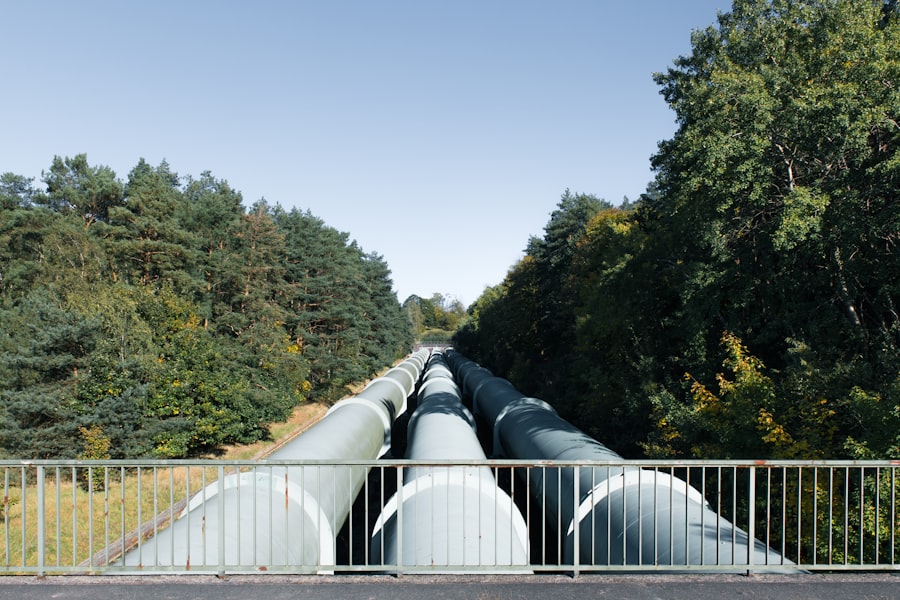
The introduction of the Oil Bypass Pipeline has profound implications for global oil markets. By providing an alternative route for oil exports, Saudi Arabia can better navigate geopolitical risks that may threaten traditional shipping lanes. This diversification of transport routes is particularly significant given the volatility often associated with Middle Eastern politics.
As a result, global oil prices may experience less fluctuation due to disruptions in the Strait of Hormuz, leading to a more stable market environment.
With increased capacity and reduced vulnerability to external threats, the Kingdom can position itself more favorably against other oil-producing nations.
This strategic advantage may lead to shifts in trade dynamics, as countries that rely heavily on Saudi oil may find themselves more secure in their energy supplies. Consequently, the Oil Bypass Pipeline not only benefits Saudi Arabia but also contributes to a more balanced and resilient global oil market.
Impact on Saudi Arabia’s Oil Export Strategy
| Metrics | Impact on Saudi Arabia’s Oil Export Strategy |
|---|---|
| Oil Production | Changes in oil production levels can impact export strategy |
| Global Demand | Fluctuations in global demand can influence export decisions |
| Geopolitical Events | Political events can disrupt export routes and trade agreements |
| Oil Prices | Price changes can affect export volumes and revenue |
The Oil Bypass Pipeline plays a pivotal role in shaping Saudi Arabia’s oil export strategy. By providing an alternative route for transporting crude oil, it allows the Kingdom to maintain its export levels even during periods of geopolitical instability. This flexibility is essential for Saudi Arabia, as it seeks to uphold its status as one of the world’s leading oil exporters while navigating an increasingly complex global energy landscape.
Furthermore, the pipeline enables Saudi Arabia to optimize its production and export schedules. With enhanced capacity and reduced reliance on traditional routes, the Kingdom can respond more effectively to changes in global demand. This adaptability not only strengthens Saudi Arabia’s position in international markets but also allows it to better manage its resources and maintain price stability.
As a result, the Oil Bypass Pipeline is integral to Saudi Arabia’s long-term vision for its oil sector and its broader economic strategy.
Potential Political and Geopolitical Ramifications
The establishment of the Oil Bypass Pipeline carries significant political and geopolitical ramifications for both Saudi Arabia and its neighbors.
This shift could alter power dynamics within the region, as countries that previously relied on controlling access to key shipping lanes may find their influence waning.
Moreover, the pipeline could serve as a catalyst for increased cooperation among Gulf Cooperation Council (GCC) states. As regional countries recognize the benefits of diversifying their energy transport routes, there may be opportunities for collaborative efforts aimed at enhancing energy security across the region. However, this development could also provoke tensions with nations that perceive a threat to their own strategic interests, leading to potential conflicts over energy resources and transportation routes.
Environmental Concerns and Considerations

While the Oil Bypass Pipeline offers numerous advantages in terms of energy security and economic stability, it also raises important environmental concerns. The construction and operation of large-scale pipelines can have significant ecological impacts, including habitat disruption and potential oil spills. As such, it is crucial for Saudi Arabia to implement stringent environmental safeguards throughout the pipeline’s lifecycle.
Additionally, there is growing scrutiny regarding fossil fuel infrastructure in light of climate change and global efforts to transition towards renewable energy sources. The Oil Bypass Pipeline may face criticism from environmental advocates who argue that continued investment in fossil fuel infrastructure undermines efforts to combat climate change. As public awareness of environmental issues increases, Saudi Arabia may need to balance its energy ambitions with a commitment to sustainability and environmental stewardship.
The Role of the Oil Bypass Pipeline in Saudi Arabia’s Energy Infrastructure
The Oil Bypass Pipeline is a critical component of Saudi Arabia’s broader energy infrastructure strategy. It complements existing transportation networks and enhances the Kingdom’s ability to efficiently move crude oil from production sites to export terminals. This integration is vital for maintaining operational efficiency and ensuring that Saudi Arabia can meet its ambitious production targets.
Furthermore, the pipeline supports Saudi Arabia’s Vision 2030 initiative, which aims to diversify the economy and reduce dependence on oil revenues. By investing in modern infrastructure like the Oil Bypass Pipeline, Saudi Arabia positions itself as a forward-thinking player in the global energy landscape. This investment not only bolsters its current oil export capabilities but also lays the groundwork for future developments in renewable energy and other sectors.
Economic Effects on Saudi Arabia and the Region
The economic effects of the Oil Bypass Pipeline extend beyond Saudi Arabia’s borders, influencing regional economies as well. By enhancing its oil export capabilities, Saudi Arabia can generate increased revenue from oil sales, which is crucial for funding various development projects within the Kingdom. This influx of capital can stimulate economic growth and create job opportunities across multiple sectors.
Moreover, neighboring countries may benefit from improved economic stability as a result of reduced volatility in global oil prices. As Saudi Arabia strengthens its position as a reliable supplier of crude oil, regional partners may find themselves better insulated from price shocks that could arise from geopolitical tensions or supply disruptions elsewhere. This interconnectedness underscores the importance of stable energy infrastructure not only for individual nations but also for regional economic health.
Potential Challenges and Risks Associated with the Oil Bypass Pipeline
Despite its many advantages, the Oil Bypass Pipeline is not without challenges and risks. One significant concern is the potential for sabotage or attacks on critical infrastructure, particularly given the volatile security environment in the region. Any disruption to the pipeline could have immediate repercussions for Saudi Arabia’s oil exports and could lead to increased tensions with neighboring countries.
Additionally, there are operational risks associated with maintaining such a large-scale pipeline system. Ensuring that safety protocols are followed and that regular maintenance is conducted is essential for preventing leaks or other environmental incidents. Failure to address these risks could result in significant financial losses and damage to Saudi Arabia’s reputation as a reliable energy supplier.
Future Expansion and Development of the Oil Bypass Pipeline
Looking ahead, there are opportunities for future expansion and development of the Oil Bypass Pipeline. As global energy demands continue to evolve, Saudi Arabia may consider increasing the pipeline’s capacity or enhancing its technological capabilities to accommodate new types of crude oil or alternative energy sources. Such developments would further solidify the pipeline’s role as a cornerstone of Saudi Arabia’s energy infrastructure.
Moreover, collaboration with international partners could facilitate knowledge transfer and investment in advanced technologies that improve pipeline efficiency and safety. By embracing innovation, Saudi Arabia can ensure that its Oil Bypass Pipeline remains competitive in an ever-changing global energy landscape while also addressing environmental concerns associated with fossil fuel transportation.
The Significance of the Oil Bypass Pipeline for Saudi Arabia and the Global Oil Industry
In conclusion, the Oil Bypass Pipeline stands as a vital asset for both Saudi Arabia and the global oil industry at large. Its capacity to transport crude oil efficiently while bypassing geopolitical chokepoints enhances Saudi Arabia’s position as a leading exporter and contributes to greater stability in international markets. The pipeline not only supports economic growth within the Kingdom but also fosters regional cooperation among Gulf states.
However, it is essential for Saudi Arabia to navigate potential challenges associated with security risks and environmental concerns as it continues to develop this critical infrastructure. By balancing its energy ambitions with sustainability efforts, Saudi Arabia can ensure that the Oil Bypass Pipeline remains a significant player in shaping both its future and that of global energy markets for years to come.
In recent years, Saudi Arabia has been exploring various strategies to enhance its oil export capabilities, particularly through the development of bypass pipelines that circumvent the Strait of Hormuz. This strategic move is aimed at ensuring a more secure and reliable route for oil exports, minimizing the risks associated with geopolitical tensions in the region. For more detailed insights into the capacity and implications of these bypass pipelines, you can read a related article on the topic by visiting this page. This article delves into the technical aspects and strategic importance of these pipelines in the global oil market.
WATCH THIS! One Narrow Strait Holds Global Economy Hostage
FAQs
What is the purpose of the Saudi Arabia oil bypass pipeline?
The purpose of the Saudi Arabia oil bypass pipeline is to provide an alternative route for transporting oil from the eastern region of the country to the Red Sea, bypassing the Strait of Hormuz.
What is the capacity of the Saudi Arabia oil bypass pipeline?
The capacity of the Saudi Arabia oil bypass pipeline is approximately 5 million barrels per day, making it a significant alternative route for oil transportation.
Why is the capacity of the Saudi Arabia oil bypass pipeline important?
The capacity of the Saudi Arabia oil bypass pipeline is important because it provides a substantial alternative route for oil transportation, reducing the reliance on the Strait of Hormuz and ensuring a consistent flow of oil exports.
How does the Saudi Arabia oil bypass pipeline impact global oil markets?
The Saudi Arabia oil bypass pipeline provides a more secure and reliable route for oil transportation, which can help stabilize global oil markets by reducing the potential for disruptions in the flow of oil exports from the region.
What are the potential benefits of the Saudi Arabia oil bypass pipeline?
The potential benefits of the Saudi Arabia oil bypass pipeline include reducing the risk of disruptions in oil exports, providing a more secure route for oil transportation, and contributing to the stability of global oil markets.